From the Gospel: A Church coming of age
Jesus’ physical absence beckons us to spiritual maturity, and spurs us to internalise his teaching and ministry in today’s world
Fifth Sunday of Easter, Year A. Today’s readings: Acts 6:1-7; 1 Peter 2:4-9; John 14:1-12
Do you remember the first time you drove your car alone? I certainly do. I recall being overcome by a sense of insecurity when I first drove without my driving instructor’s or my father’s constant and anxious prompts. I realised that, despite my inexperience, I had internalised their instructions. The fact that I was trusted to drive all alone – on the Maltese roads to boot – made me even more mindful and responsible for my attitude and actions on the road.
Jesus’s farewell discourse, part of which we read in today’s gospel, serves a similar effect. Jesus is not only telling his disciples he will no longer be physically with them. He is also reassuring them that he will be present in the world through them, the Church. In other words, it is a call to maturity as a Church community and as individual Christians.
Through his physical life on earth, Jesus made present the Kingdom of God through his words and actions. However, they were limited to the short span of time of three years and to the towns and cities he visited then. After his violent death and resurrection, Jesus’s mission was to be continued by all those baptised in him.
I cannot deny feeling the enthusiasm of the early Church when I read today’s first reading from the Acts of the Apostles in which seven men are chosen to specifically carry out Jesus’s ministry with the poor. The Kingdom of God was, therefore, no longer tied to the physical person of Jesus Christ. Instead, many people, each according to their charism, now carried out his mission in the world. Each in their own way but all focused on one end.
As Pope Leo’s recent visit to West Africa and his long-awaited encounter with the Archbishop of Canterbury has shown, the Church is indeed Church only when all those who sincerely want to participate in Christ’s mission take their rightful place in the Body of Christ.
The Kingdom of God was no longer tied to the physical person of Jesus Christ. Instead, many people, each according to their charism, now carried out his mission in the world
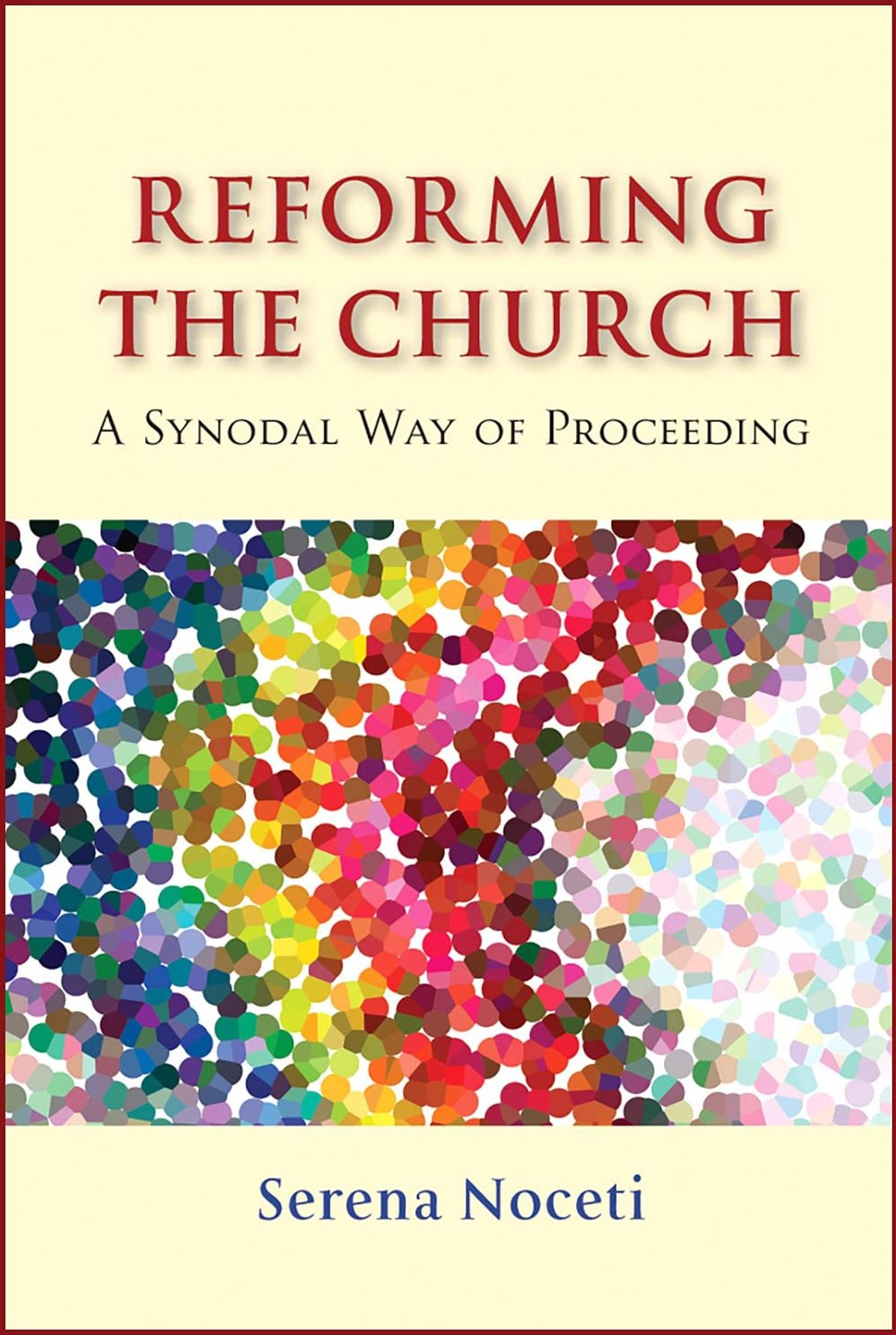 Reforming the Church: A Synodal Way of Proceeding, by Serena Noceti.
As Serena Noceti writes in Reforming the Church: A Synodal Way of Proceeding, many people who have been “doing church” need to be recognised as such, and this could lead to the “synodal figure” of the Church to finally mature.
However, Jesus’s absence refers not only to his not being physically present with us as he was two millennia ago. Jesus sometimes also feels absent in our personal life. Though we might be seasoned Christians, and seek to be regular in our prayer life and active in the Church community, Jesus still feels elusive.
A maturing of the Church cannot happen without a maturing of faith. Otherwise, any mission of the Church would be a promotional campaign and every vocation a human recruitment exercise.
In his farewell discourse, Jesus challenges his disciples to “know God” and to “dwell in him”. To know God is to love God deeply, even though one cannot grasp completely who God is.
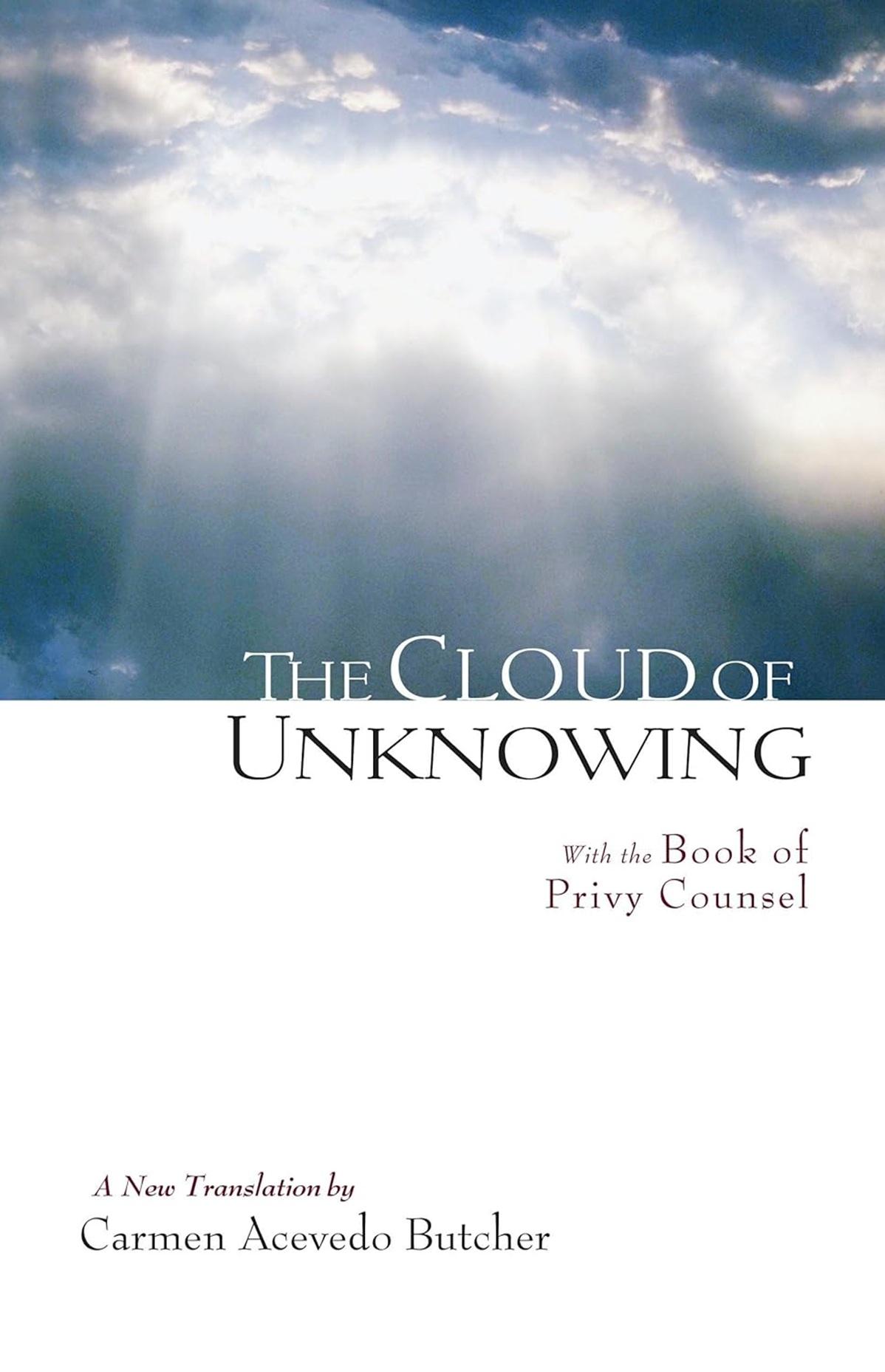 The Cloud of Unknowing, by an unknown author.
In the classic text of medieval mysticism, The Cloud of Unknowing, the unknown author insists that we (ought to) spend our entire life simply longing for God. This implies that God often seems absent from our life or, better, that God is hidden behind a “cloud of unknowing”. Knowing God, we are told, is not an intellectual experience: “Strike hard at that thick cloud of unknowing with a sharp dart of longing love.”
The physical absence of Jesus from this earthly life is, therefore, a beckoning to spiritual maturity. We might prefer the warmth of the physical presence of Jesus as we navigate our life of faith amid the choppy waters of social and political turmoil. But we are called for more.
Jesus’s departure spurs us to internalise his teaching and ministry within the Church in today’s world, this being not a personal enterprise but the very mission of Jesus himself.