From the Gospel: Little master, great king
We are invited to reprogramme the king within us and partake in Jesus’s kingship, which is one of humility, love and forgiveness.
Today’s readings: 2 Samuel 5:1-3, Colossians 1:12-20, Luke 23:35-43
During one of his journeys in outer space, the Little Prince in Antoine Saint-Exupéry’s book of the same name, encounters a king on a planet orbiting the sun. The king is self-centred, sees everyone as his subject, and is concerned only with giving orders all day long. He acts as though he dominates everyone and everything, even though he is all alone on the planet. “Great people,” the Little Prince says to himself, “are indeed very strange!”
The encounter between the king and the Little Prince exposes a truth we often refuse to admit. Deep within each one of us there abides a “little master”, as it were, that desires to dominate over others, and that longs to be served, admired and honoured by all.
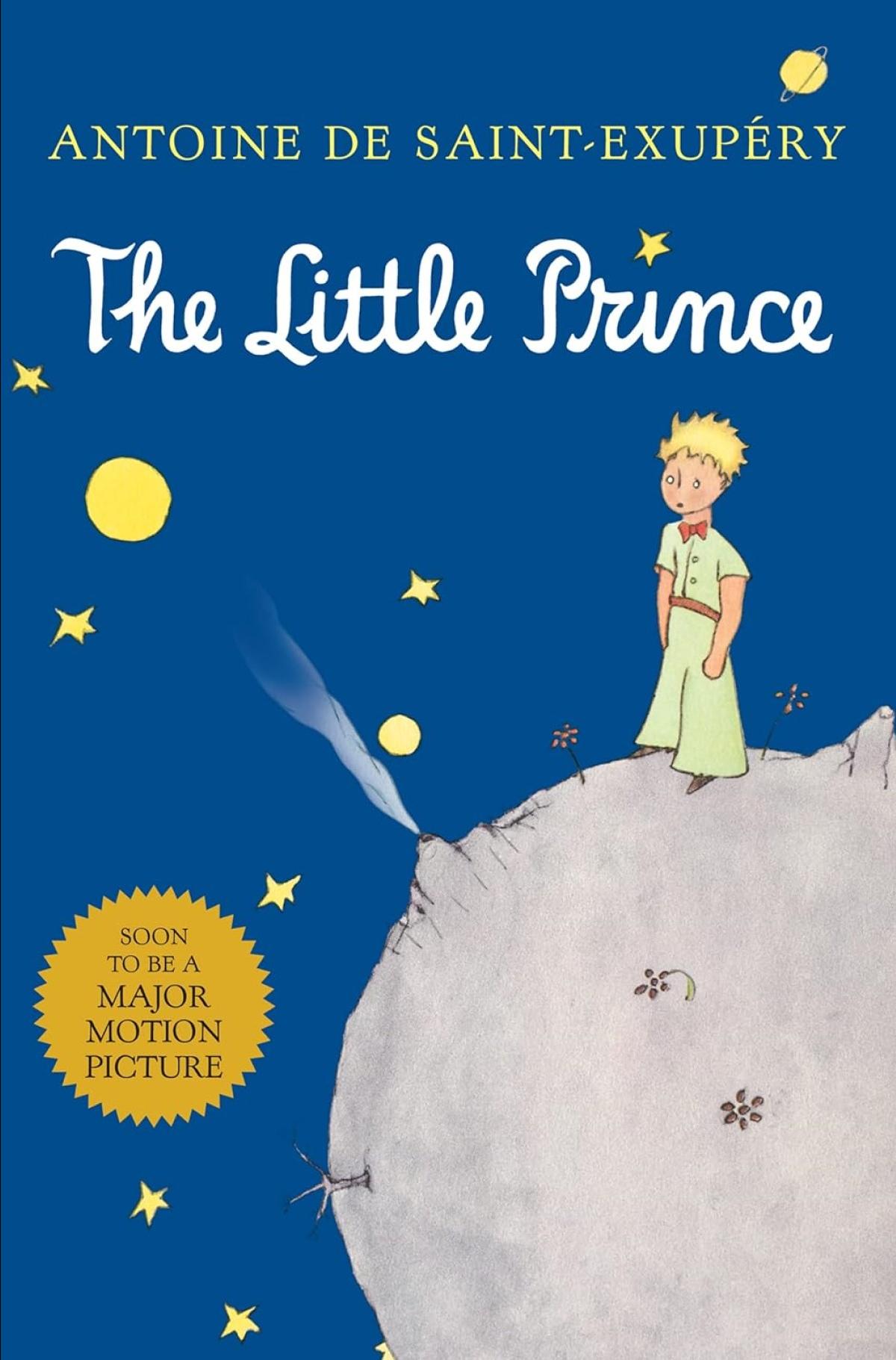
The Little Prince, by Antoine de Saint-Exupéry.
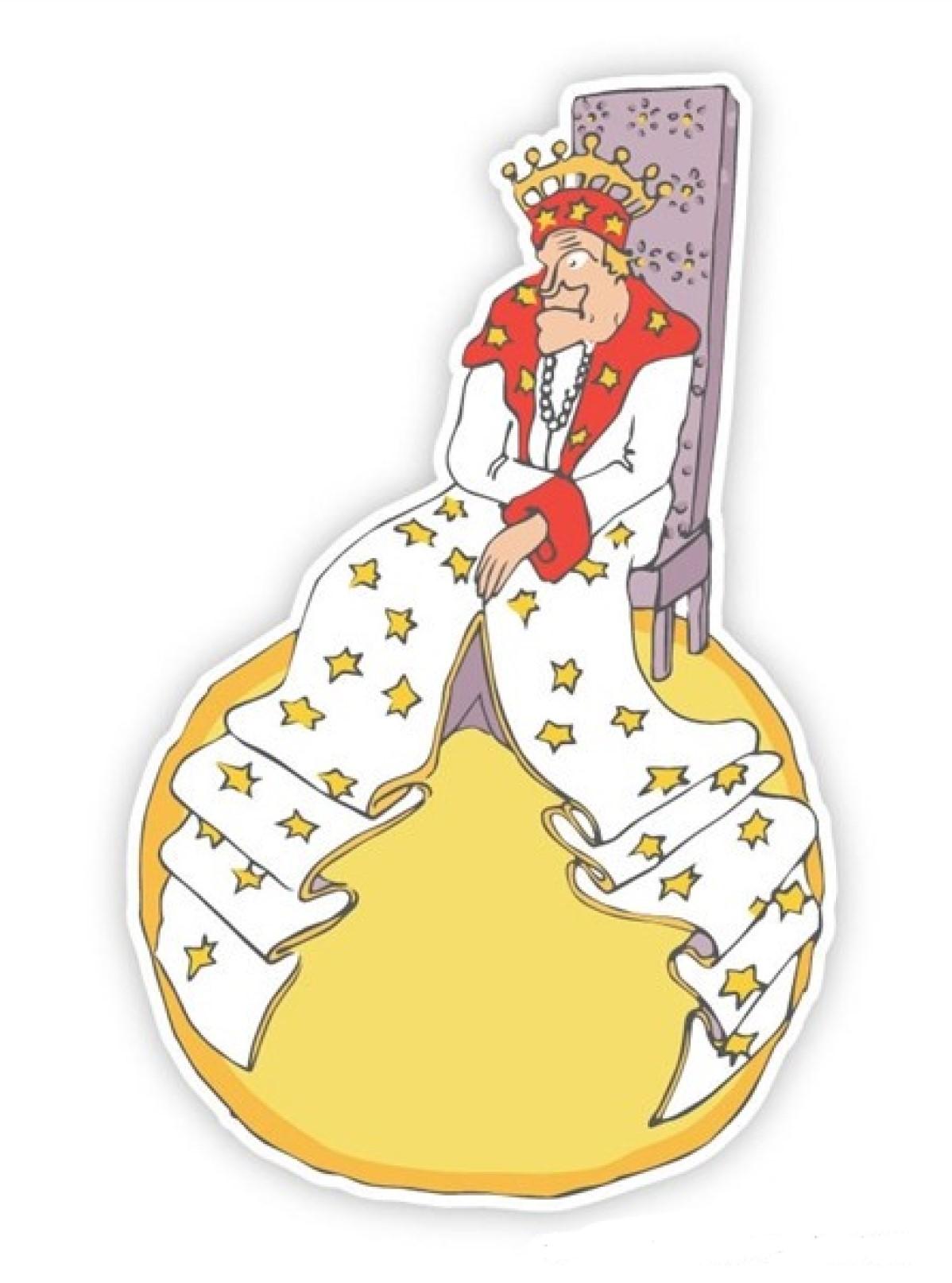
Saint-Exupéry’s king is lonely, self-centred, desires to dominate over others, and longs for everyone to serve, admire and honour him.
Already in the fourth century, Augustine of Hippo had referred to this as the libido dominandi, or a lust to dominate over others. Nobody is spared from this tendency to dominate over others, which Augustine argued is inherent in human nature ever since the great Fall. Sometimes this disguises itself as ostentatious servility rather than authentic service, or excessive human respect with the intention of manipulating others, or a false humility to earn praise and admiration. Whether explicit or implicit, the end result is the same: to have power over others, creating a dangerous vicious cycle in relationships that is very hard to break.
As we celebrate the Solemnity of the Lord, King of All Creation today, we are invited to “reprogramme” the king within us. Rather than giving in to Saint-Exupéry’s image of the lonely king, we are reminded that we already partake in the kingship of another king, in whose image we are created, and which is more faithful to our authentic self.
This king we read about in Luke’s gospel today has a cross as a throne and a crown of thorns as a crown. Instead of honour and praise, he receives insults and jibes. Yet, despite any lack of semblance of royalty, one of the criminals condemned to death alongside him recognises Jesus as the true king, whose power can never be overcome, because his is a kingdom of humility, love and forgiveness.
Fully aware of his sinfulness, the Good Thief, as he has been dubbed by tradition, asks Jesus to remember him when he is in his kingdom, fully conscious that he does not merit it. On the cross, the ultimate expression of his love for us, Jesus breaks the cycle of the libido dominandi by transforming hatred into love, superiority into humility, control and domination into life-giving service.
Today, the Church seeks to hold together both reverence and humility, allowing the Gospel itself to shape our understanding of the King who reigns from the Cross
For centuries, the Church has depicted Christ the King with triumphal imagery, adorned with precious metals and stones, drawing on the symbolism of medieval monarchs. These expressions were, without doubt, born of deep devotion and a sincere desire to honour the Lord. We have gradually come to appreciate that such imagery can unintentionally obscure the true nature of Christ’s kingship. Today, the Church seeks to hold together both reverence and humility, allowing the Gospel itself to shape our understanding of the King who reigns from the Cross.
In baptism, after water is poured on the infant’s head, the priest or deacon anoints the crown of the head with fragrant oil. This gesture, which recalls the anointing of kings in the Old Testament, signifies that the baptised now share in the kingship of Christ. Just as Lionel, in the The King’s Speech, helps King George VI find his voice and vocation as one who is to lead his people at a time of national crisis, so too baptism helps us rediscover our real vocation as partaking of the kinship of Christ the King. We are true to ourselves not when we give voice to the “little master” that dominates within us but when we adopt the attitudes of Christ and his kingdom of love.