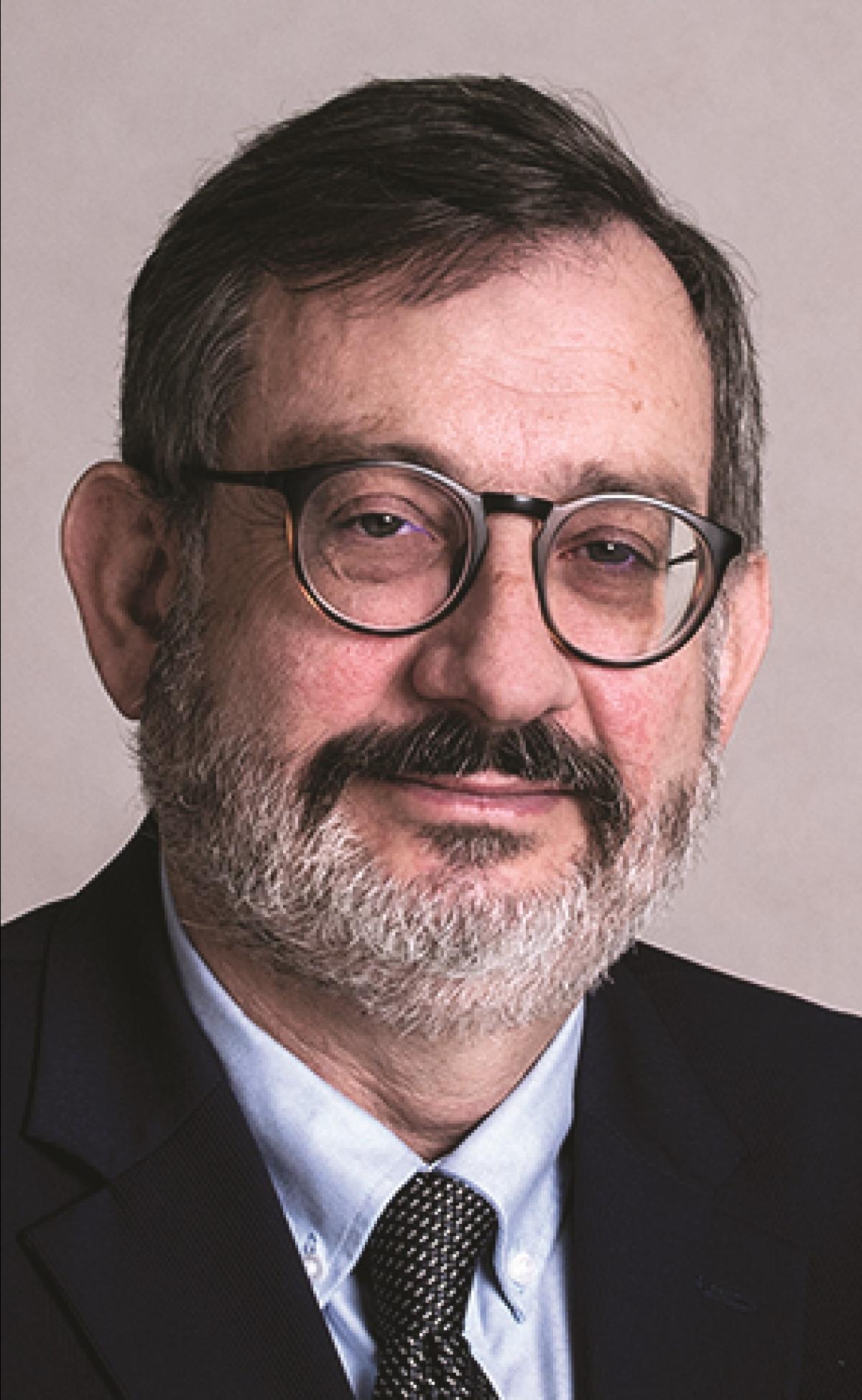
Governor Sir Patrick Stuart: a striking profile
A recent discovery of a fine portrait led to research regarding the background, siblings and royal connections of this governor, who became notorious in Malta for a misguided decision that led to his eventual resignation in 1847
Sir Patrick Stuart lives on in the collective memories of most Maltese as perhaps the most reviled governor to have held that post. The reason for this ignominy is his prohibition in 1846 of the customary masked parade on Carnival Sunday; an act which hastened the termination of his tenure in Malta and ushered in what the Maltese hoped would be a new era of rule by benevolent civilian Roman Catholic governors; an experiment that was also to end in disappointment.
This article does not dwell on the oft-told story of Stuart’s demise; instead, by means of an examination of his extended family, it exposes the paradox of how a man of seemingly wide experience and an extensive circle of distinguished and influential relatives on whom he could have drawn for wise counsel was responsible for making such an ill-advised decision.
As a result of Stuart’s puritanical attitude towards our carnival traditions, he has been largely overlooked. The recent discovery of a fine portrait of Stuart has led to a detailed investigation of his sources, siblings and circumstances.
Stuart was born in 1777, the second son of Alexander, 10th Baron Blantyre. As he was a twin to his older brother Robert, he missed the opportunity of inheriting his father’s title by a whisker!
Stuart started his military career in 1794 as a lieutenant in the 2nd Life Guards. In 1796, he was promoted and transferred to the 27th Light Dragoons and advanced to major in the 96th Regiment of Foot in 1802.
In 1806, he was appointed lieutenant colonel in the 19th Regiment of Foot with which he served in the East Indies. Promoted to colonel in 1814, he started his service in the Mediterranean in March 1816 when he was appointed inspecting field officer of the militia in the Ionian Isles.
In 1821, he reached the rank of major general and, in 1830, he held the command of the forces in Scotland. From 1836 to 1837, Stuart served as governor of Edinburgh Castle, and in the latter year he attained the rank of lieutenant general. He was appointed governor of Malta in June 1843 and held that position until his resignation in 1847.
He misjudged local sentiment and banned the use of masks on that day. The result was a near riot
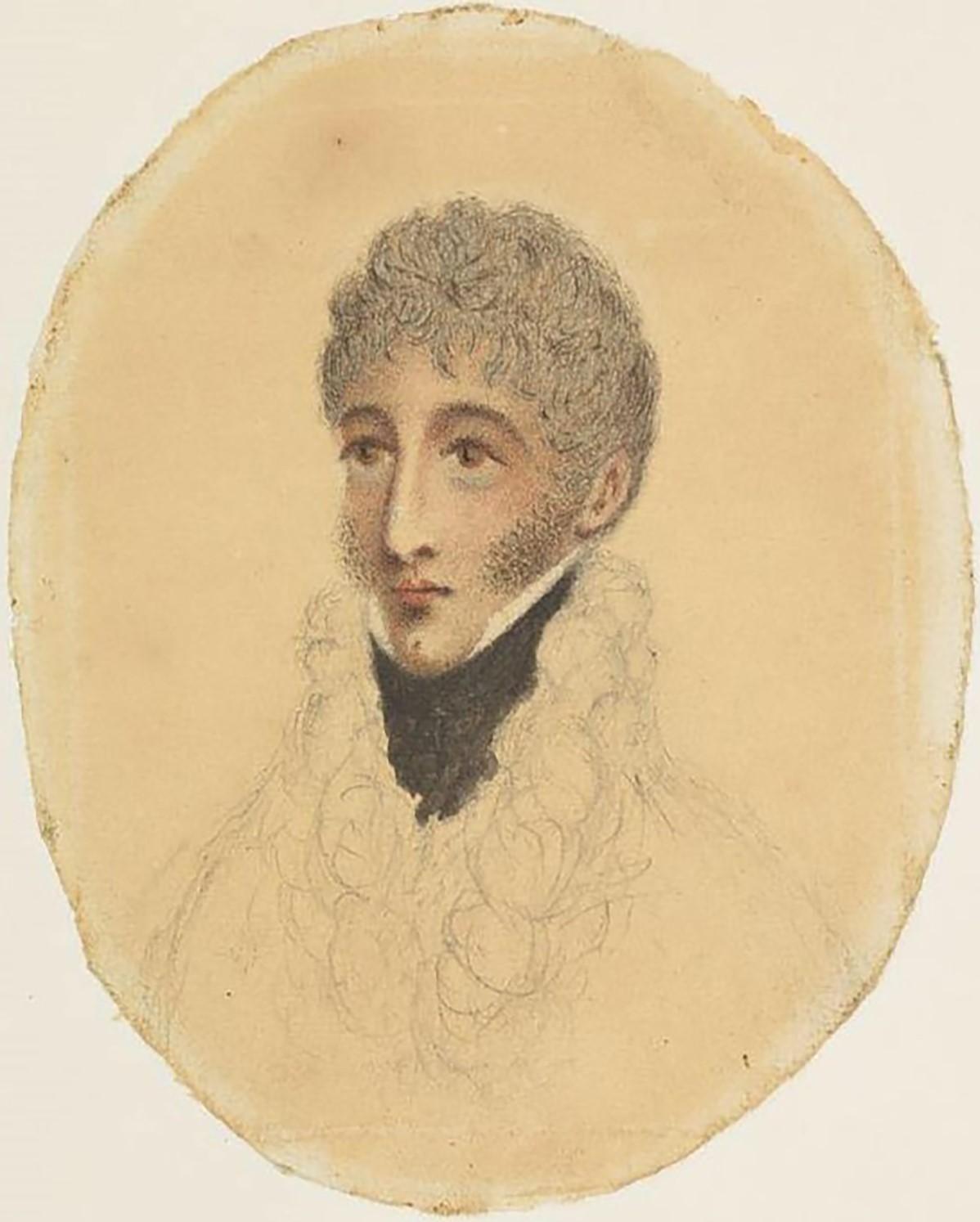 Robert Stuart, 12th Lord Blantyre, by Ellen Sharpe. Photo: Wikipedia.com
As well as his older brother Robert (1777-1830), Patrick had two other brothers, William (1778-1837) and Charles (1780-1858). They had one sister, Margaret, who, having been born in 1775, was the eldest sibling.
The three oldest brothers all joined the army and achieved prominence, rising to the rank of major general, general and lieutenant general, respectively.
Robert fought in the expedition to Egypt under Sir Ralph Abercromby, so he may have travelled through Malta on his way to or from Egypt.
William served in the Peninsula under the Duke of Wellington and was commanding officer of the 3rd battalion 1st Regiment of Guards during the Waterloo campaign, where he lost an arm.
Charles was called to the bar at Lincoln’s Inn in 1807 and had a successful career as a barrister in Scotland.
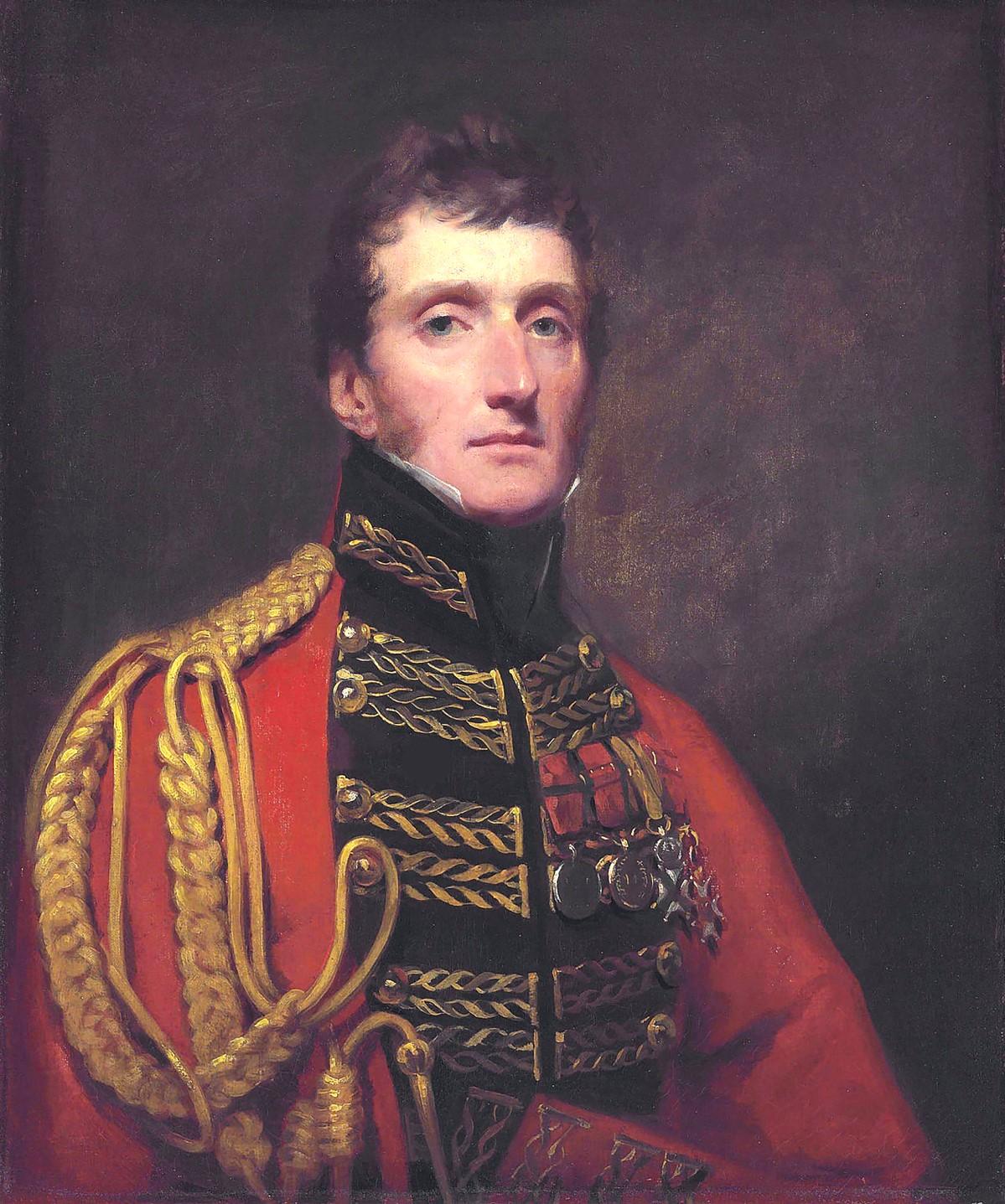
Lieutenant General William Stuart, by Sir Henry Raeburn. Photo: Christie’s
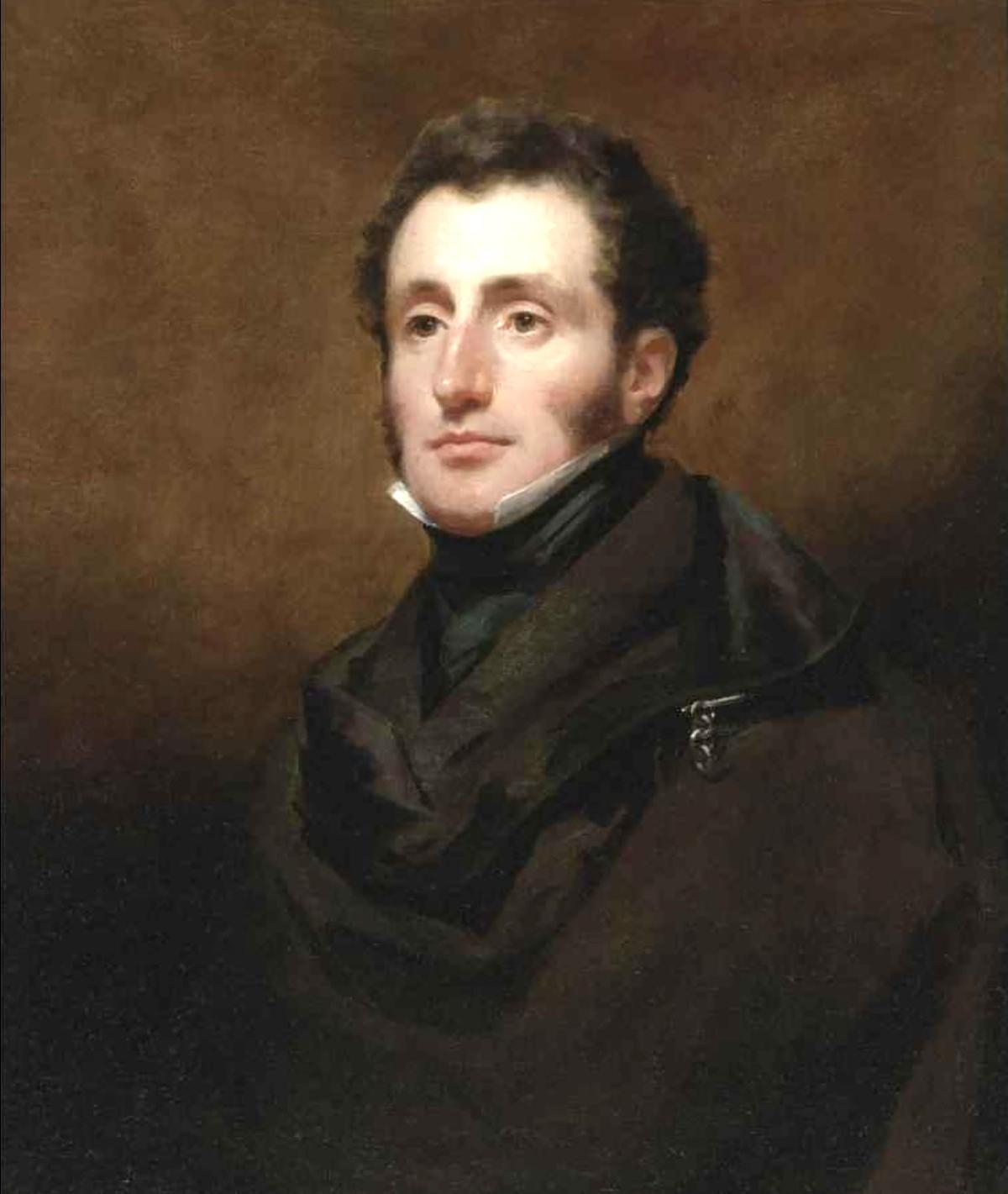
Charles Stuart, by Sir Henry Raeburn. Photo: Sotheby’s
By all accounts, the siblings got on well; Robert and Patrick married sisters Frances and Catherine, granddaughters of Admiral Lord Rodney (1718-1792).
Robert inherited the title of 11th Lord Blantyre in 1783, aged just six. As he was not old enough to run the family estates, Gilbert Burns, brother of the celebrated Scottish poet Robert, was engaged as the factor on the family seat of Lennoxlove.
With Robert inheriting the family estate, Patrick, as his twin, inherited Eaglescairnie House in East Lothian, Scotland, passed down from his maternal grandfather Patrick Lindsay of Eaglescairnie.
As will be demonstrated below, Eaglescairnie House was to act as the seat of Patrick Stuart’s family for successive generations. In fact, Patrick, and later Charles were both to end their days at Eaglescairnie, as did Henrietta, Stuart’s youngest daughter, who died there in 1918 in her 90th year.
When Robert was accidentally killed in 1830, aged just 54, by what was thought to have been a stray shot fired by a Belgian insurrectionist during the Belgian Revolution, it was Patrick who brought his brother’s body back to Scotland for burial.
Charles is also recorded as having visited Malta in January 1844 when he accompanied his brother to the St Andrew’s Day celebrations hosted by the Royal Highland Regiment (The Black Watch) at their mess in the Auberge de Castille.
The newly discovered portrait of Sir Patrick Stuart is, in fact, a copy of the original that hung at Eaglescairnie House. The prototype is described as having been painted around 1824 when the sitter was approximately 47 years old and thus about 20 years before he was appointed governor of Malta.
The artist was a certain Mr Innes of Edinburgh. In this copy, Stuart is shown wearing the regalia of a Grand Cross of the Order of St Michael and St George, which he was awarded 20 years after the original portrait was painted, thus rendering the composition anachronistic.
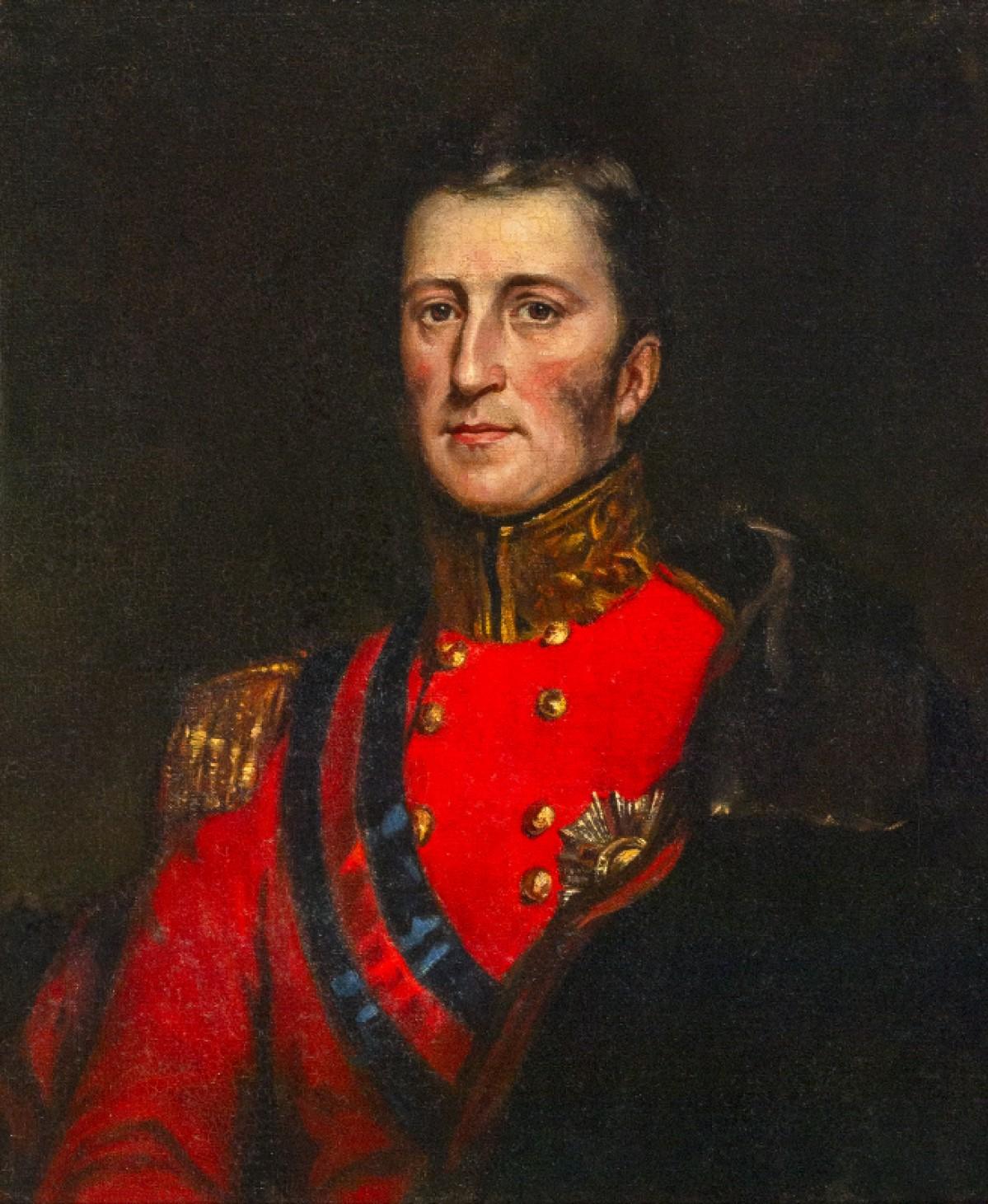 Sir Patrick Stuart, by May Lancaster Lucas. Photo: Author’s collection
Appointed Grand Cross in July 1843, Stuart was invested in Malta by Sir Agostino Randon on August 18 that year. Notes on the back of the frame explain that the ribband and breast star of the Order were added to the original portrait in 1855.
The copy was commissioned by William Grey (1866-1911), the youngest son of Sir Patrick Stuart’s daughter, Jane, and grandson through his father’s line of Prime Minister Earl Grey; it was painted by the little-known female artist May Lancaster Lucas (1853-1920).
The acquisition of this portrait prompted research into Stuart’s siblings, which revealed the two fine portraits of his brothers William and Charles by the respected Scottish artist Sir Henry Raeburn (1756-1823) who, among other achievements, served as portrait painter to King George IV in Scotland. Records at the Paul Mellon Centre’s Archives show that Charles paid Raeburn £105 for his portrait.
Both portraits are reputed to have hung at Eaglescairnie since the time they were painted. They were offered for sale by Sotheby’s in 1920 after the incumbent of Eaglescairnie, Bryan Holme Holme (see below), died in 1916.
A comparison of Raeburn’s two portraits reveals a striking resemblance between the two younger brothers, demonstrated by the lean angular features together with their high foreheads and strong nose.
Patrick’s portrait, although less animated, betrays the same unmistakable facial features. In addition, even though this author has only been able to find a sketch portrait of Robert, which must have been captured in his youth, one can discern the same distinguishing features also in the eldest brother.
The Stuarts, being members of the Scottish aristocracy, were also considered members of the British bon ton that hovered around the royal court. In the first half of the 19th century, the royal household was served by members of the aristocracy, and the Stuarts too had a part to play there.
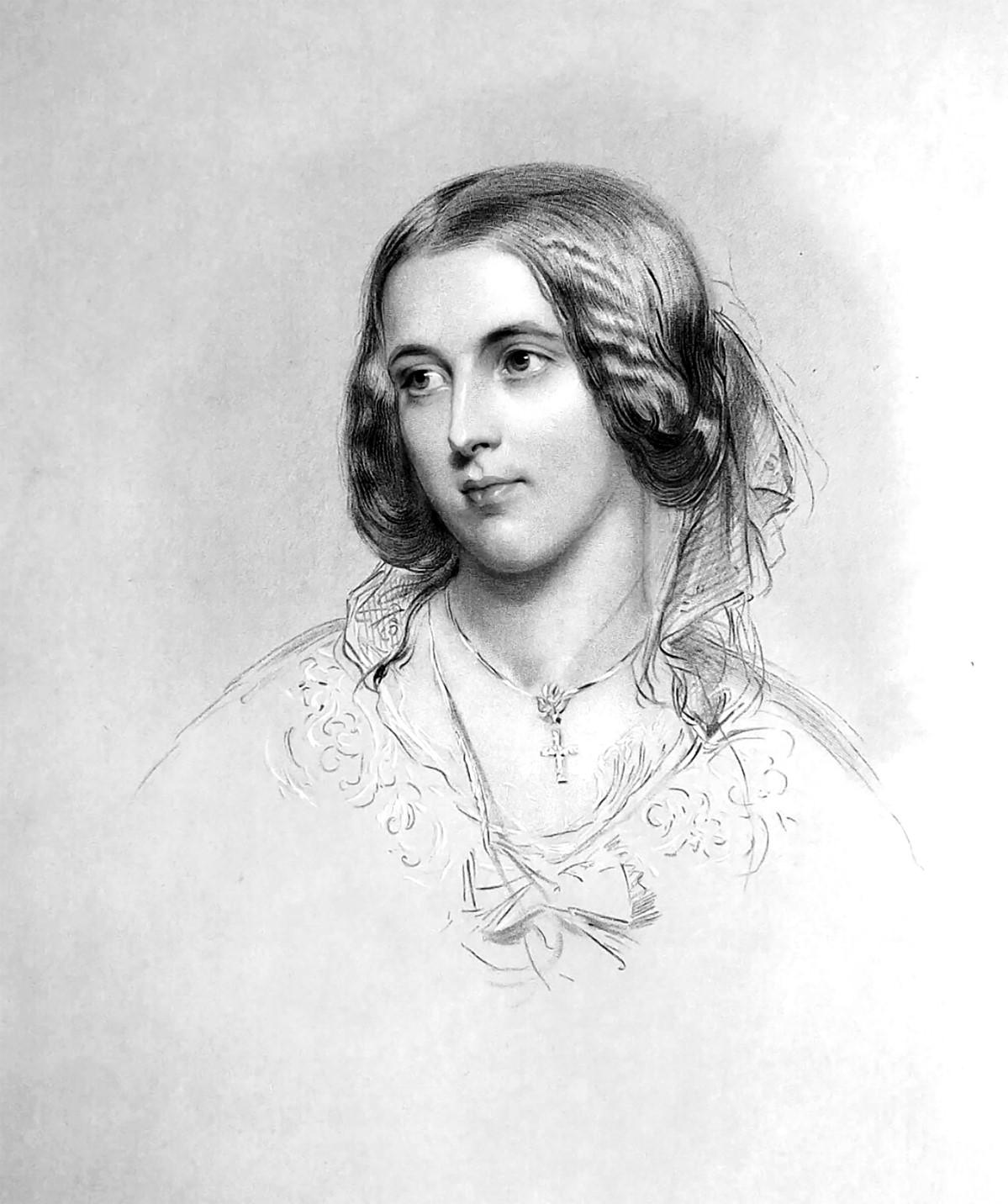 Lady Evelyn Blantyre, by Henry Thomas Ryall, after George Richmond, from Finden’s Female Aristocracy of the Court of Queen Victoria, 1845. Photo: Author’s collection
In 1843, the same year that Sir Patrick took up the governorship of Malta, his nephew Charles, the 12th Lord Blantyre, married Evelyn Leveson Gower, second daughter of the Duke of Sutherland.
Evelyn’s mother Harriet had been appointed Mistress of the Robes on Queen Victoria’s accession in 1837, and held that position whenever the Whigs were in office until her (Harriet) husband’s death in 1861 – coincidentally the same year that Queen Victoria’s husband, Prince Albert, died.
In her role as Mistress of the Robes, Harriet also presided at the Queen’s coronation in 1838. She was thus a great friend of the queen and an important figure in London’s high society.
A few years later, in 1850, Alexander Stuart, Sir Patrick’s eldest son, married his cousin Elizabeth Frederica, daughter of Lord George Lennox (1793-1873), who had acted as Lord of the Bedchamber to Prince Albert from 1840 until 1861. Before her marriage, Lady Elizabeth served as a maid of honour to Queen Victoria.
Although the completion of the fabric of St Paul’s Pro-Cathedral in Valletta had been completed before Stuart’s arrival in Malta, it was only consecrated towards the end of 1844 by the Right Reverend George Tomlinson, bishop of Gibraltar.
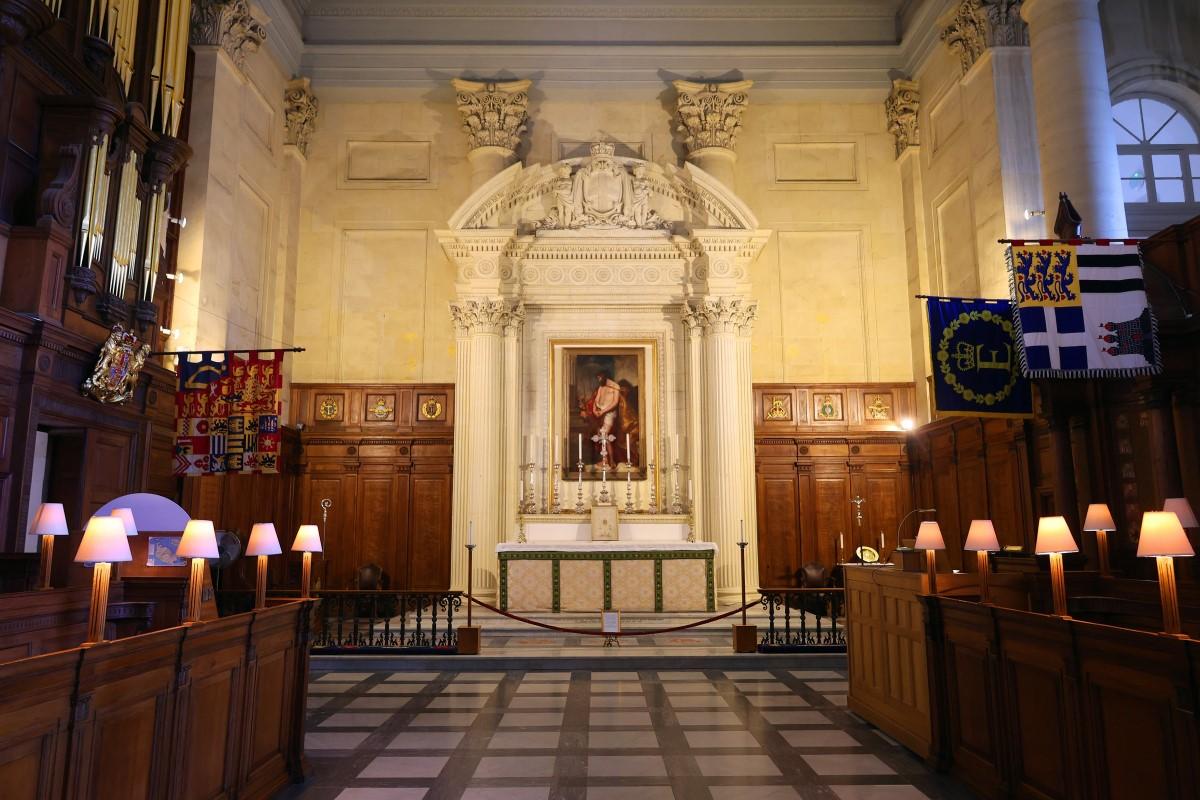 St Paul’s Pro-Cathedral, Valletta. Photo: Shutterstock.com
Just three months later, on February 3, 1845, Tomlinson officiated at the first wedding to take place in the cathedral, that of Jane Frances, Stuart’s third daughter, to the Hon. George Grey, third son of the aforementioned prime minister and brother of William. There was definitely love in the air on that happy occasion since Tomlinson was to marry Louisa, Sir Patrick Stuart’s eldest daughter, in November 1848 at Eaglescairnie. Sadly, Louisa died in 1850, aged just 35.
Catherine Margaret, Stuart’s second daughter, married Bryan Holme Holme at Eaglescairnie in 1849. The couple were eventually to inherit Eaglescairnie House.
Stuart paid dearly for his righteous principles
Sir Patrick Stuart was reputed to have been a strict Sabbatarian, believing that Sunday was the Lord’s day and was to be observed with due reverence. For the first couple of years of Stuart’s tenure, he turned a blind eye towards the Carnival Sunday revelries but, in 1846, he misjudged local sentiment and banned the use of masks on that day.
The result was a near riot. In the following months, local newspapers reported that the governor’s health was suffering and when Stuart applied for a leave of absence, the home government, irritated by a series of ill-advised decisions by Stuart, refused his application. Aggrieved by the reaction from London, Stuart resigned.
It is significant to note that the secretary of state for war and the colonies at this time (and thus Stuart’s principal) was none other than Henry Grey, brother-in-law to Stuart’s daughter Jane, who it seems offered little support for the governor.
Stuart paid dearly for his righteous principles; was he influenced by his son-in-law, the bishop of Gibraltar, or did he take his family motto sola juvat virtus (virtue alone delights) rather too seriously for his own good?