Gozo property values soar by 87% since 2018, study shows
A Gozo property worth €200,000 in 2018 is now valued at €373,000
The value of property in Gozo has risen by 87% since 2018, according to a new study on Malta’s property sector published Tuesday.
The study, authored by audit firm KPMG and the Malta Development Association, analysed more than 18,000 properties to understand how property value has changed over time.
It found that people who bought properties in Gozo several years ago are likely to have experienced “the most substantial price appreciation”.
A Gozo property valued at €200,000 in 2018 would now be worth more than €373,000 today, a rise of just under 87%.
Other regions have also seen sharp rises, albeit to a lesser extent.
A €200,000 property in Malta’s southern towns back in 2018 would be worth €338,000 today, a 69% increase. The same property would be valued at €308,500 if it were in the central region, 54% more than seven years ago.
The Grand Harbour area saw the slimmest rise, at just under 9%, meaning a €200,000 property in 2018 is now worth €217,000.
The findings were presented at a national conference on the state of Malta's construction industry and property market, organised by Property Malta, on Tuesday morning.
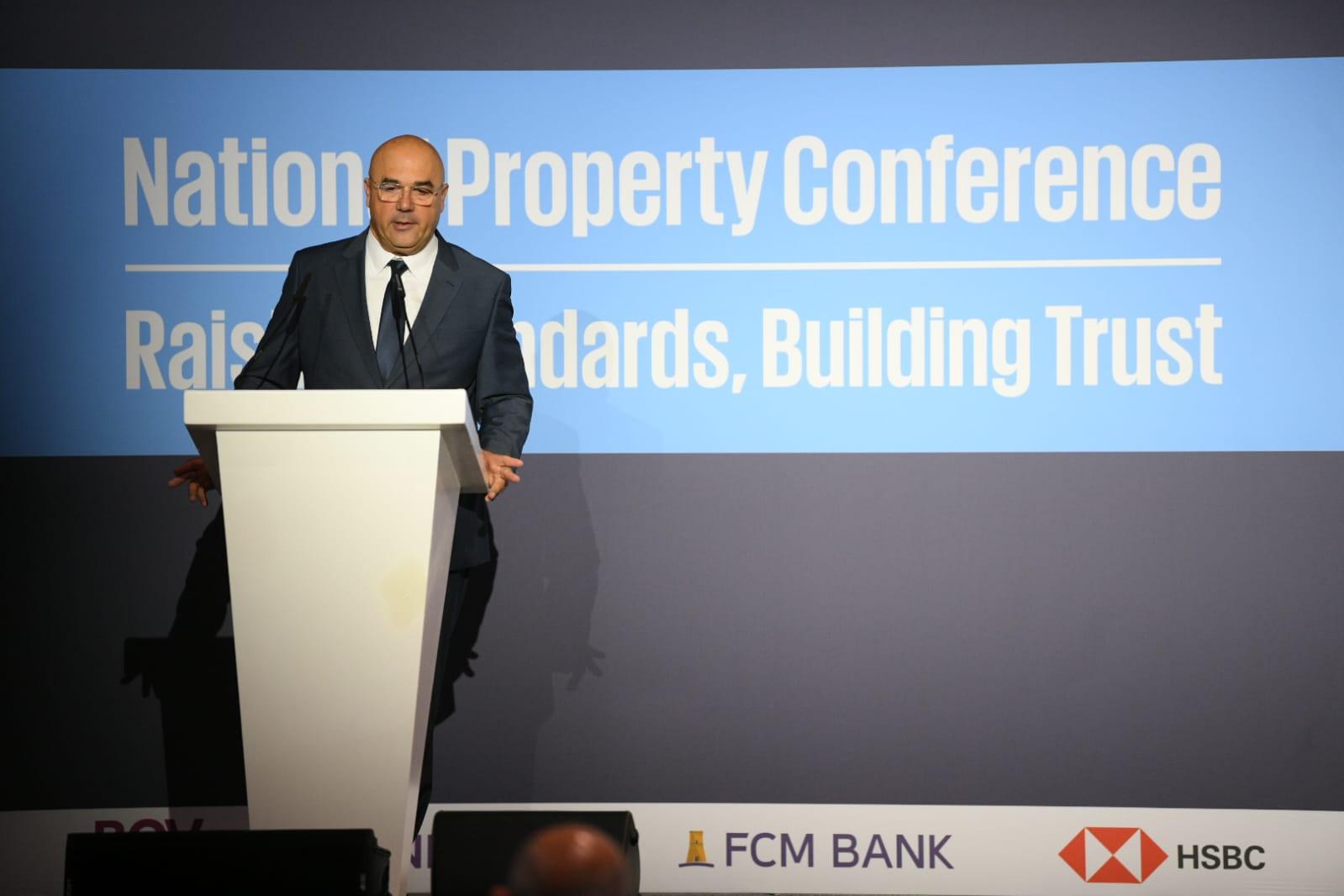 Property Malta chair Sandro Chetcuti opening the conference. Photo: Matthew Mirabelli
Last year, a study commissioned by ERA raised concerns over the pace of development in Gozo, warning that once quiet, rural areas are being completely changed by large-scale development, with a coalition of NGOs calling for a moratorium on development in the island.
The government has pledged to make Gozo a model for sustainable development, describing it as “an island of villages” and introducing new rules ensuring that any new development maintains a stone façade.
Building sector contributed €1.9 billion in 2024
Despite highlighting growing problems of housing affordability, the study found that the construction and real estate industries remain strong contributors to Malta’s economy.
The construction sector contributed €809 million to Malta’s economy last year (3.8% of its gross value added), with the real estate sector contributing a further €1 billion (or 5.2% of GVA), the report said, adding that “the actual figure is likely to be higher” once other goods and services excluded from the analysis are taken into account.
The importance of both construction and real estate to Malta’s economy shows no signs of slowing down, the study found. The construction industry grew by 5% in real terms in 2024, with real estate growing by 7.4% last year.
The building sector also plays a key role in Malta’s job market, the study argued, employing around 25,000 full-time equivalents, or 8% of Malta’s total workforce.
And although wages in the construction industry remain well below average, at just €17,300, they have been rising slightly faster than most other sectors, the report says.