Heritage at the heart of the Manoel Island masterplan
Revised MIDI masterplan brings centuries of Malta’s history to life through the restoration and conservation of the island’s iconic buildings and landmarks
A living legacy of Maltese history
Manoel Island is deeply woven into the historical fabric of Malta, its identity shaped by centuries of military, medical, and maritime activity. The revised masterplan by MIDI plc has been guided by a commitment to preserve, restore and celebrate these heritage assets – ensuring they endure for future generations.
Rather than viewing these structures as relics of the past, the masterplan breathes new life into them.
Surrounding each restored building are newly designed public plazas and open spaces, including a 35,000 sqm central space and the 80,000 sqm Glacis Park encircling the majestic Fort Manoel. These areas are intended to create dynamic, accessible environments that place heritage at the heart of community life.
Heritage-inspired planning
Driven by in-depth historical research, MIDI’s updated masterplan ensures that the heritage sites on the island are preserved, respected and reimagined for modern use.
This research even uncovered cultural landmarks not originally included in earlier plans – such as the World War II-era Pay Office (later the REMPEC building) and Bovile route which will now both be restored and integrated.
Il Bovile and the Lazzaretto: reconstructing lost history
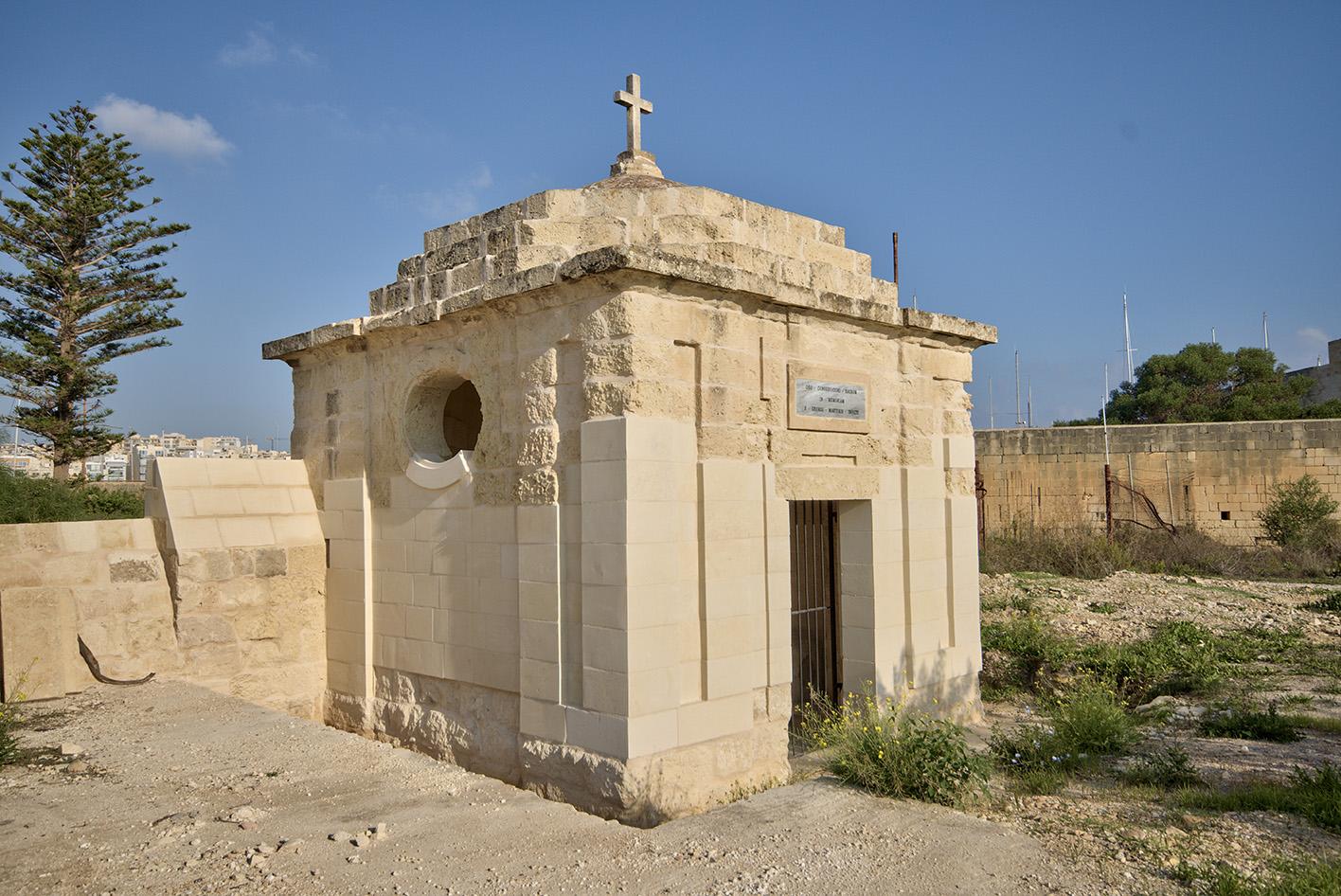
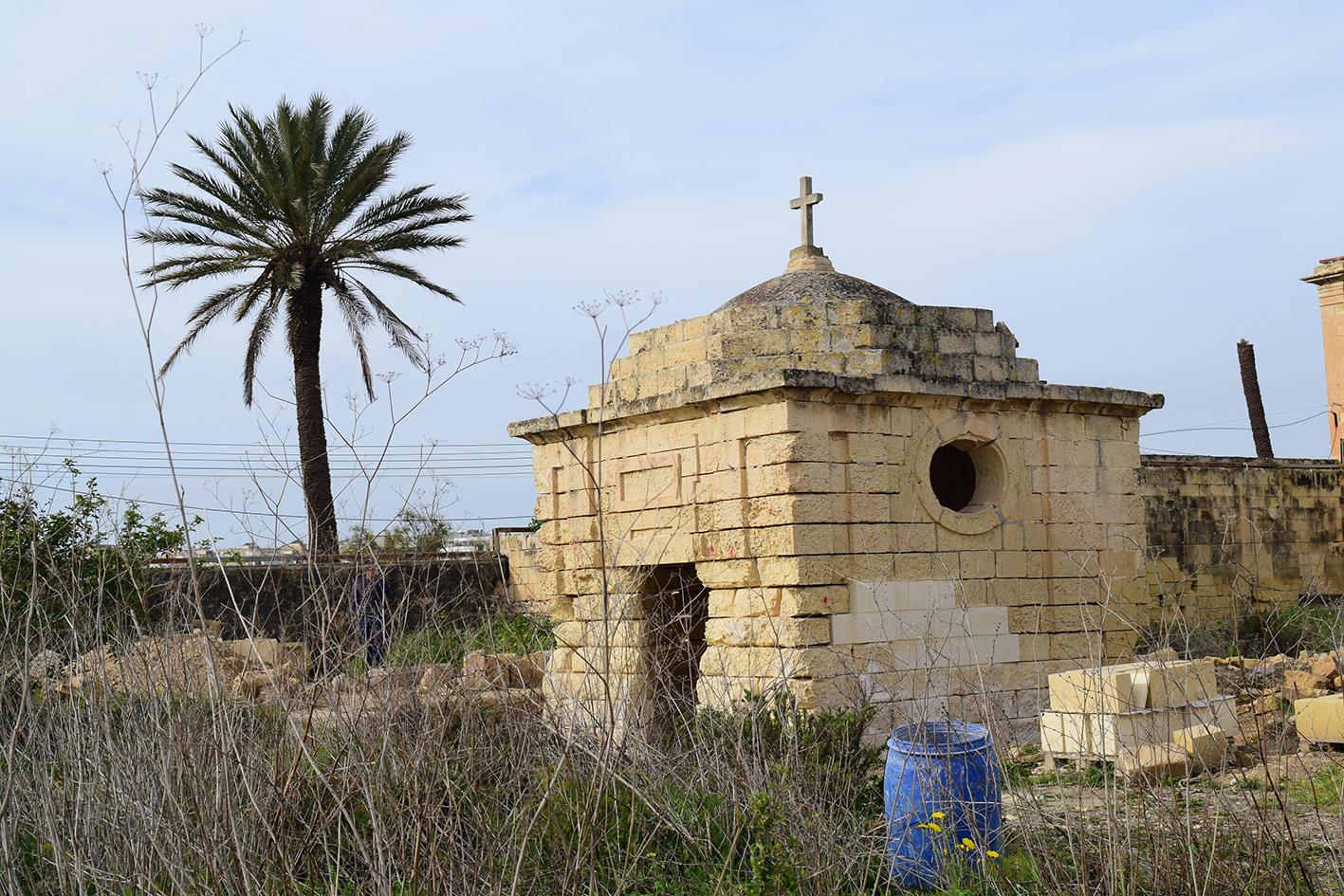
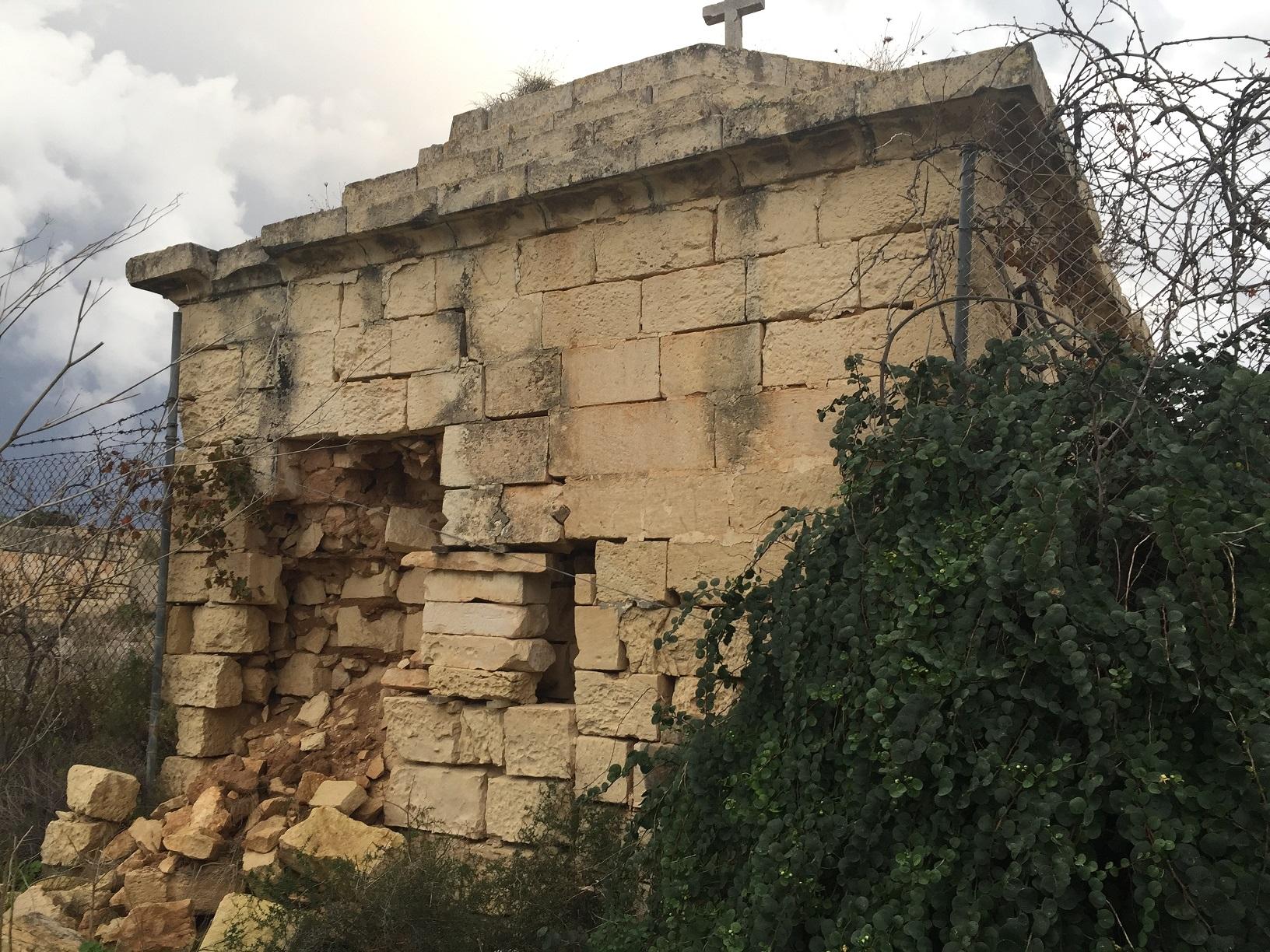
At the heart of Manoel Island lies one of its most unique structures: the Cattle Shed, or Il Bovile, the first building to be built on the island, built to quarantine livestock in parallel with the Lazzaretto’s function for human visitors, much of its original structure and connected walled pathways have been lost to time.
The new plan not only restores the Cattle Shed itself but also recreates the historic Bovile route to the waterfront, creating a space that honours the island’s agricultural and public health history while offering a place for leisure and reflection.
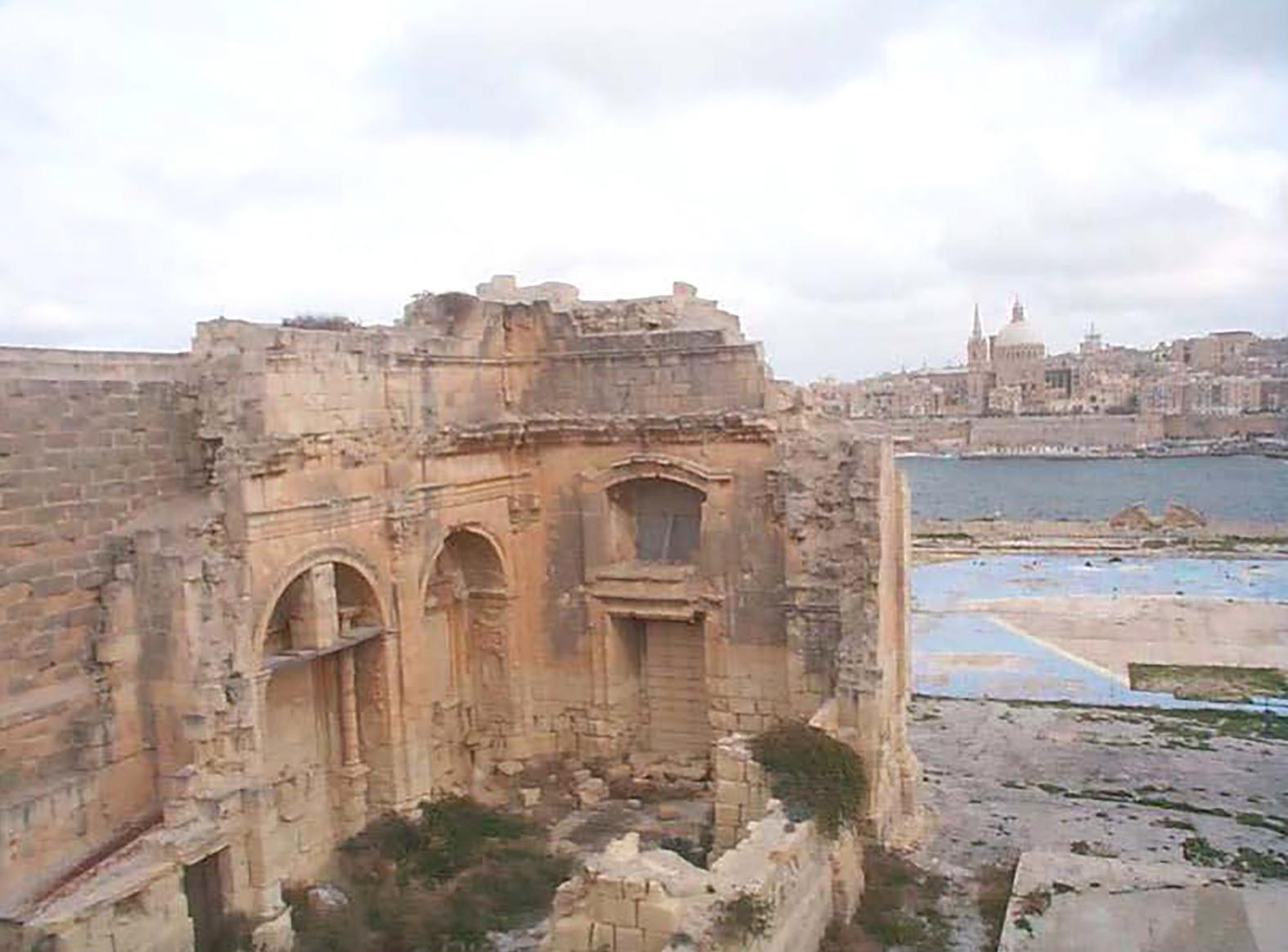
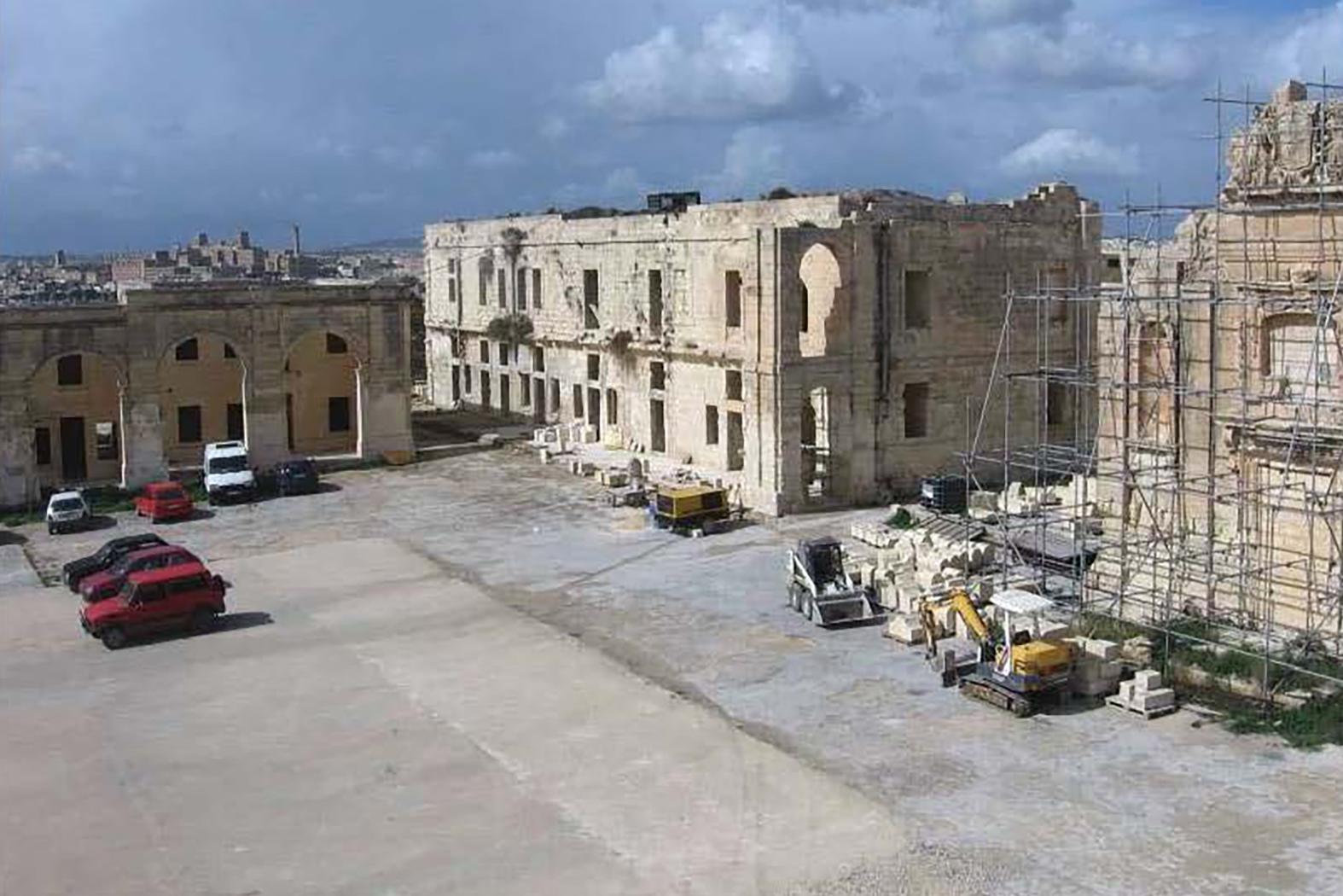
The Lazzaretto, a former quarantine hospital with centuries of service, also stands as a cornerstone of the project. Though sections were destroyed or dismantled, these will now be carefully reconstructed, transforming the site into a revitalised venue for hospitality and cultural engagement.
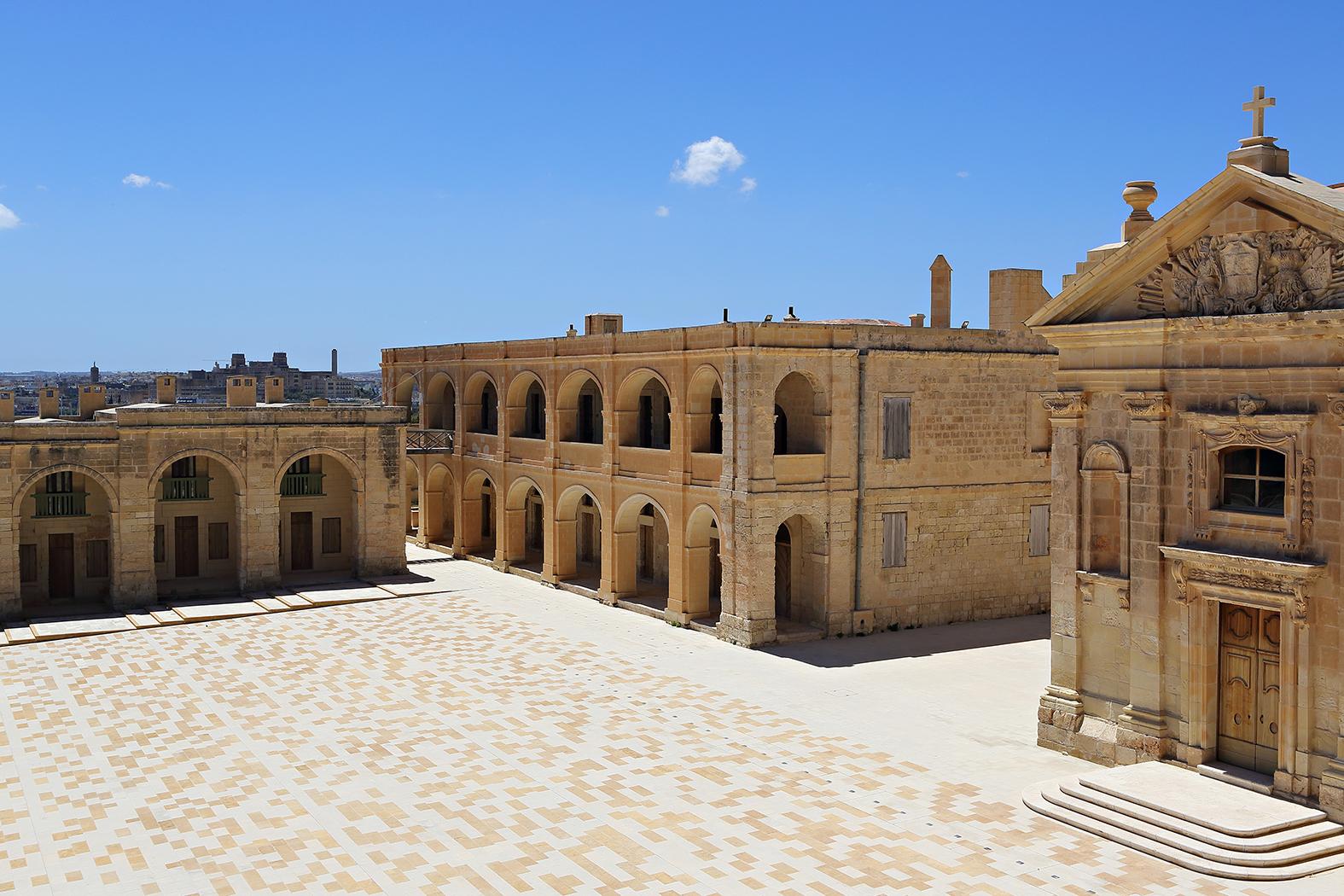
A masterplan shaped by heritage
Every element of the revised masterplan has been influenced by the island’s historical significance.
In contrast to the earlier and more enclosed concept, the new masterplan embraces openness, accessibility and public use – making heritage a unifying theme across the entire development.
Streetscapes and urban design are purposefully shaped to complement historic sites rather than overpower them.
Preserving the past, shaping the future
Manoel Island’s built heritage is a living testament to Malta’s strategic and cultural evolution – from the Knights of St John to the British Armed Forces.
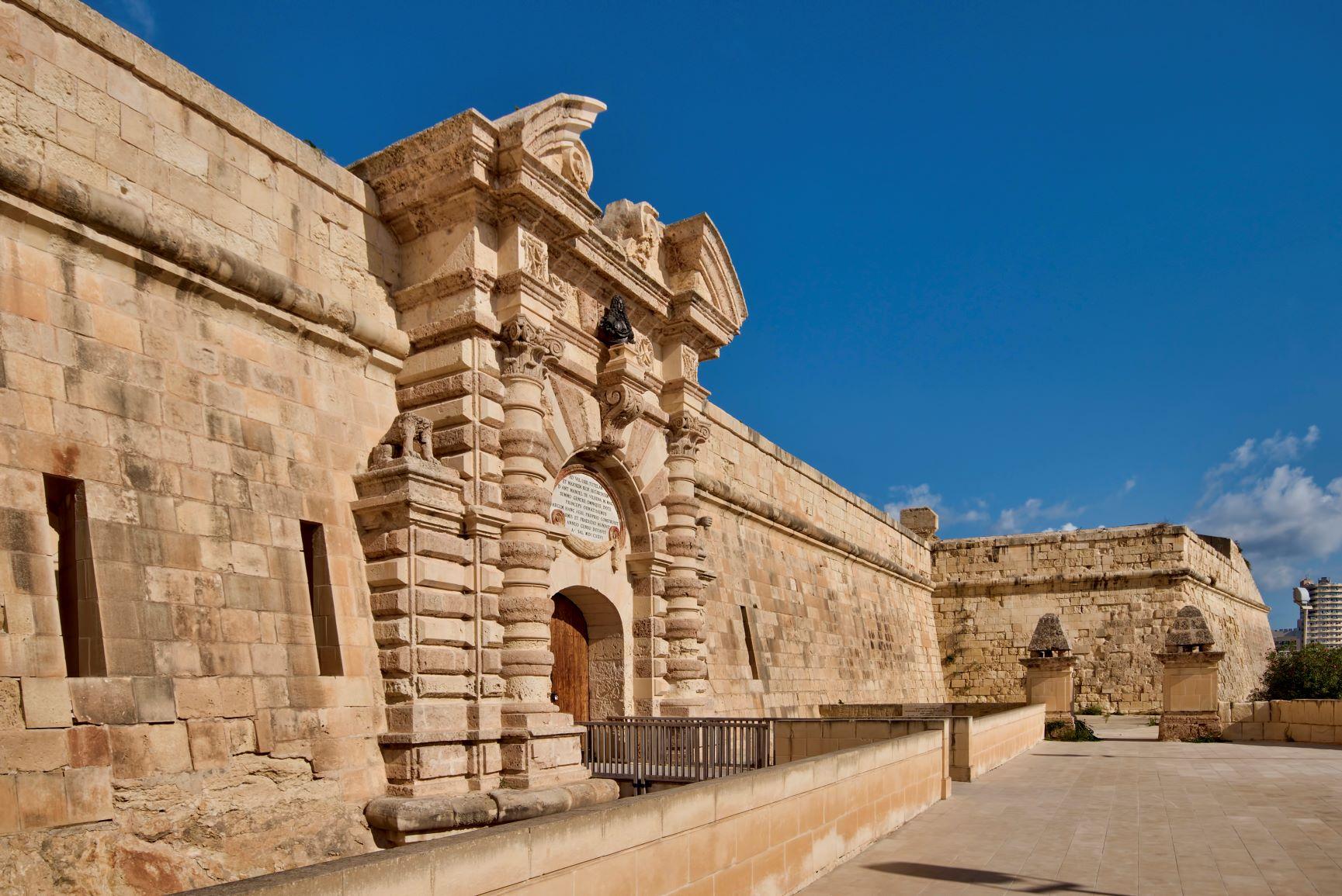
The new masterplan embraces this legacy through the preservation and adaptive reuse of buildings such as Fort Manoel, the Lazzaretto, the Cattle Shed, St George’s Chapel, the Customs House, Admiralty Canteen and the Boat-Builders’ Workshop.
Fort Manoel is already fully restored to its former glory. Other historic buildings will follow, transformed into meaningful spaces that connect people to the past while supporting a vibrant future.
Through this thoughtful integration of conservation, restoration and innovation, Manoel Island is set to become both a monument to Malta’s rich heritage and a destination for the general public to enjoy the vast public open spaces which account for 60% of MIDI’s concession including the 80,000sqm Glacis Park with direct access to the foreshore.
Learn more about the revised masterplan at www.manoelisland.com.mt.