From houses to towers: photographer explores Malta’s construction boom
'Built on Sand', a new photobook by Marcin Piekałkiewicz
Picture this: a serene, majestic, rocky coastline and the Mediterranean in its full splendour – until, at the very edge of the frame, a construction site intrudes. It is a familiar photo of Xlendi Bay, but the angle encapsulates an entire photobook project that seeks to capture how Malta’s natural and cultural heritage are being reshaped by the rapid construction boom.
That unfinished mass of concrete breaks the harmony of the scene and symbolises the ongoing conflict between Malta’s natural heritage and the relentless pressure of real-estate development, according to the Dutch photographer and researcher behind Built on Sand.
Another image in the new photobook by Marcin Piekałkiewicz says a lot: it is a view of the St Julian’s skyline. At first glance, it depicts a dense mosaic of towers and apartment blocks that leaves almost no breathing space.
But what makes the photo particularly meaningful is the foreground – a demolition site piled with limestone rubble; all that remains of a traditional townhouse torn down to make way for yet another high-rise project.
“In just one frame, you see the disappearance of architectural heritage and the claustrophobia of accelerated urbanisation,” Piekałkiewicz says.
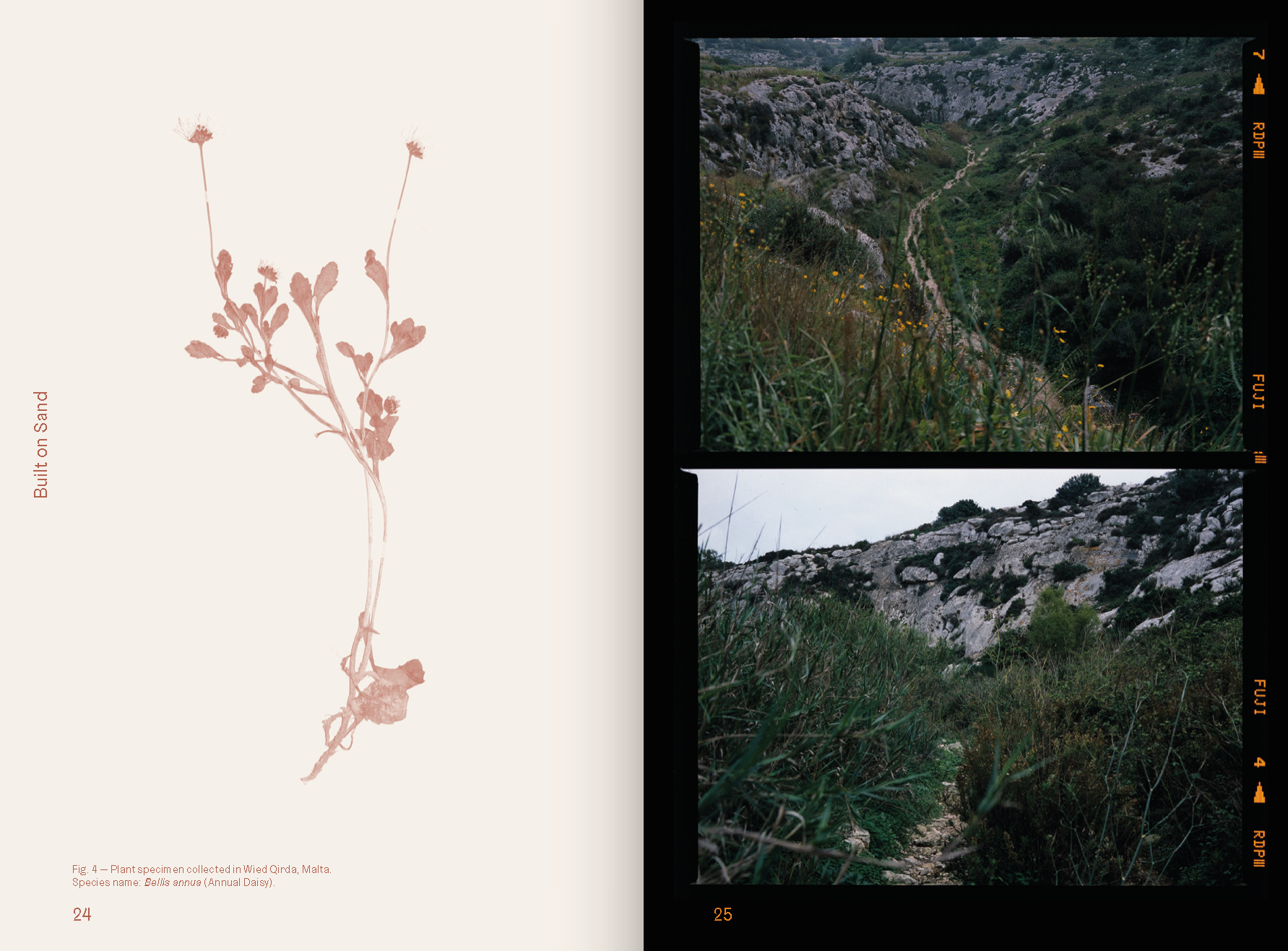
Built on Sand is a seven-year research project that examines Malta’s cultural and natural heritage amid the country’s rapid development.
“Beyond construction, it is about cultural identity, memory and the delicate balance between heritage, environment and progress,” Piekałkiewicz says.
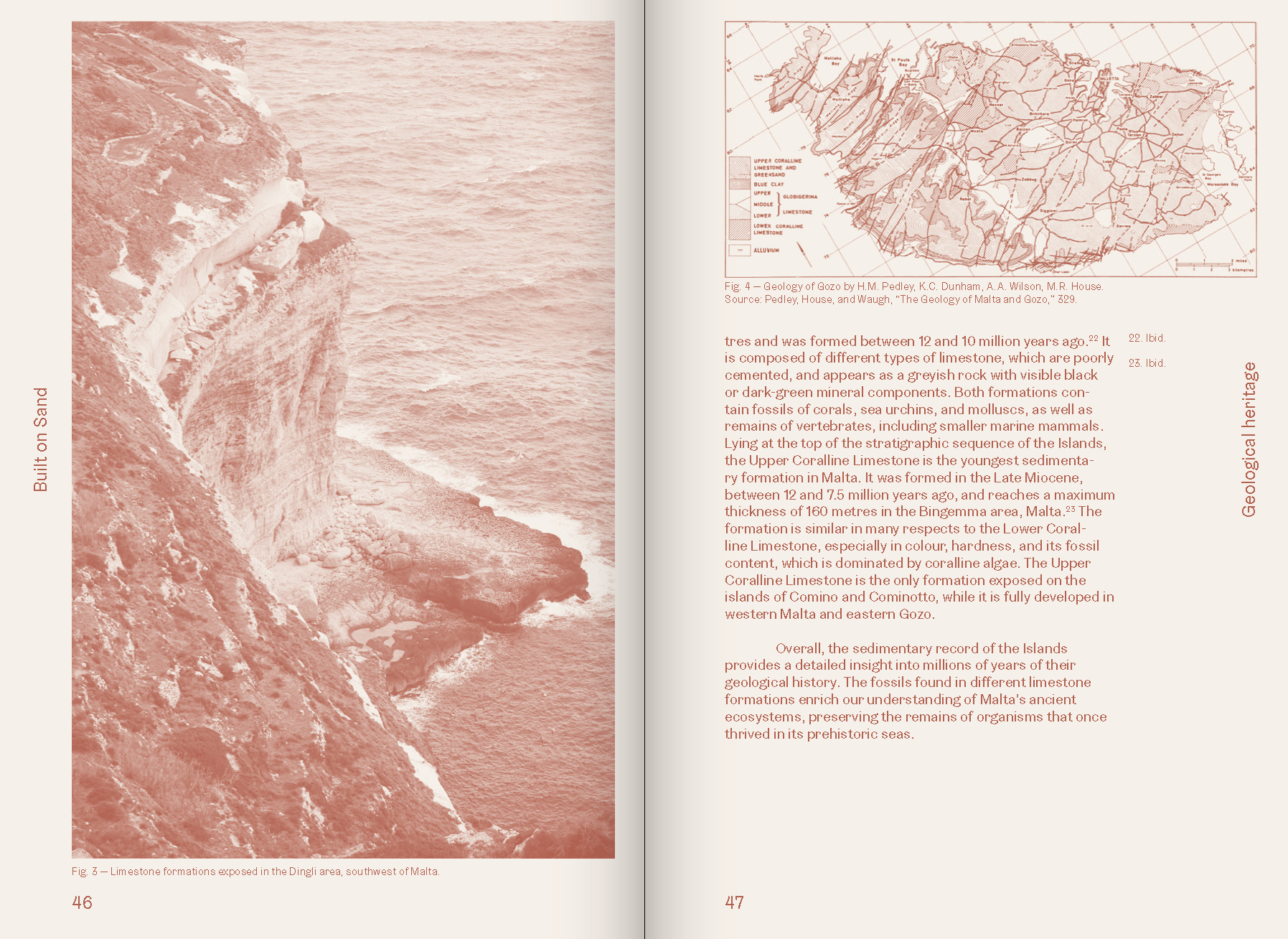
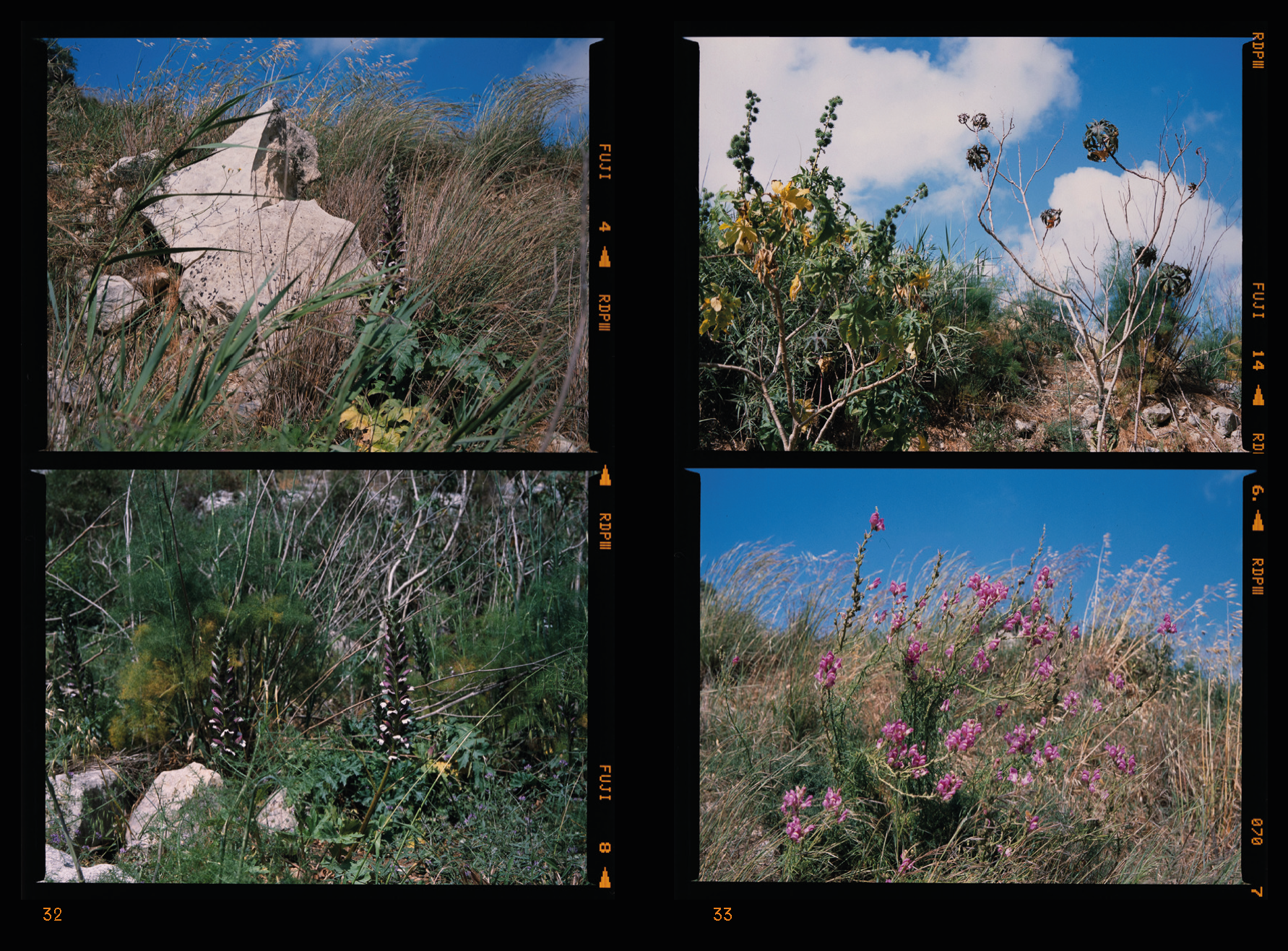
Now entering its crowdfunding phase, Built on Sand brings together documentary photography, fieldwork, archival material and data analysis to trace the transformation of the island’s landscape, limestone heritage and everyday living environments.
The book moves between Malta’s geological history, traditional limestone architecture, contemporary excavation sites and the widening tension between development and preservation, its author says.
It also reflects on the human dimension of the boom, including the experience of construction workers and the broader social implications of accelerated urbanisation.
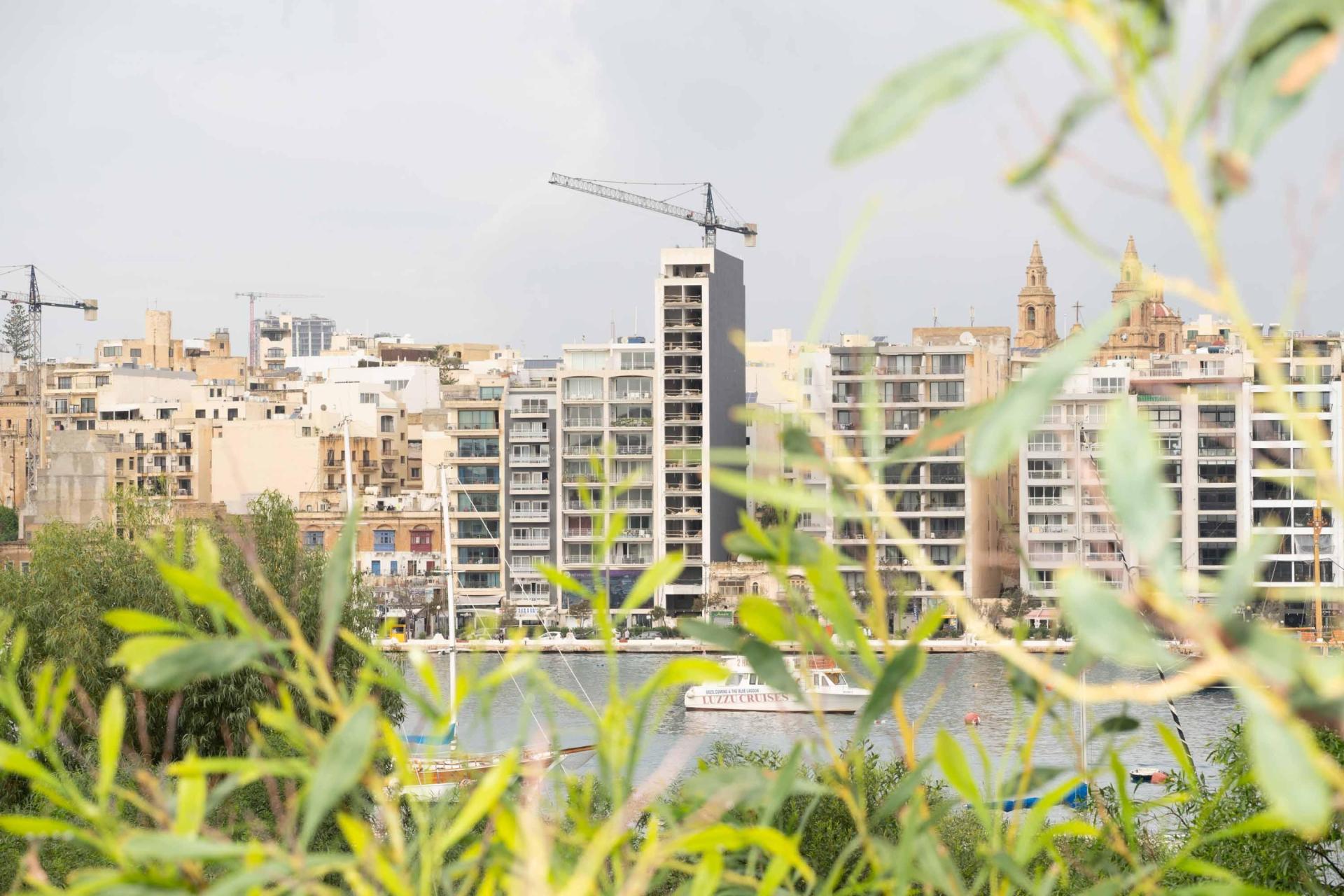 'Built on Sand' is a seven-year research project. Photo: Marcin Piekałkiewicz
Urgent and personal
Asked why, as someone who no longer even lives in Malta, he took such an interest in researching and documenting it, Piekałkiewicz said the construction boom has touched everyone on the island – “you simply cannot be indifferent to it”.
Piekałkiewicz was born in Poland and now lives in the Netherlands.
When he moved to Malta with his partner in 2017, he had no idea it would become their home for the next four years. Then, when it also became the birthplace of their daughter, that transformed his relationship with the place.
“Before becoming a parent, our life on the island felt like an extended honeymoon of sea, sun and discovery. But the moment my daughter was born, something shifted: I began to see Malta not just as somewhere I lived, but as a place where we might put down roots.”
That hope did not materialise, but the project grew out of this emotional landscape.
As the construction boom intensified, Piekałkiewicz found himself witnessing a place he cared about being “reshaped at breakneck speed”.
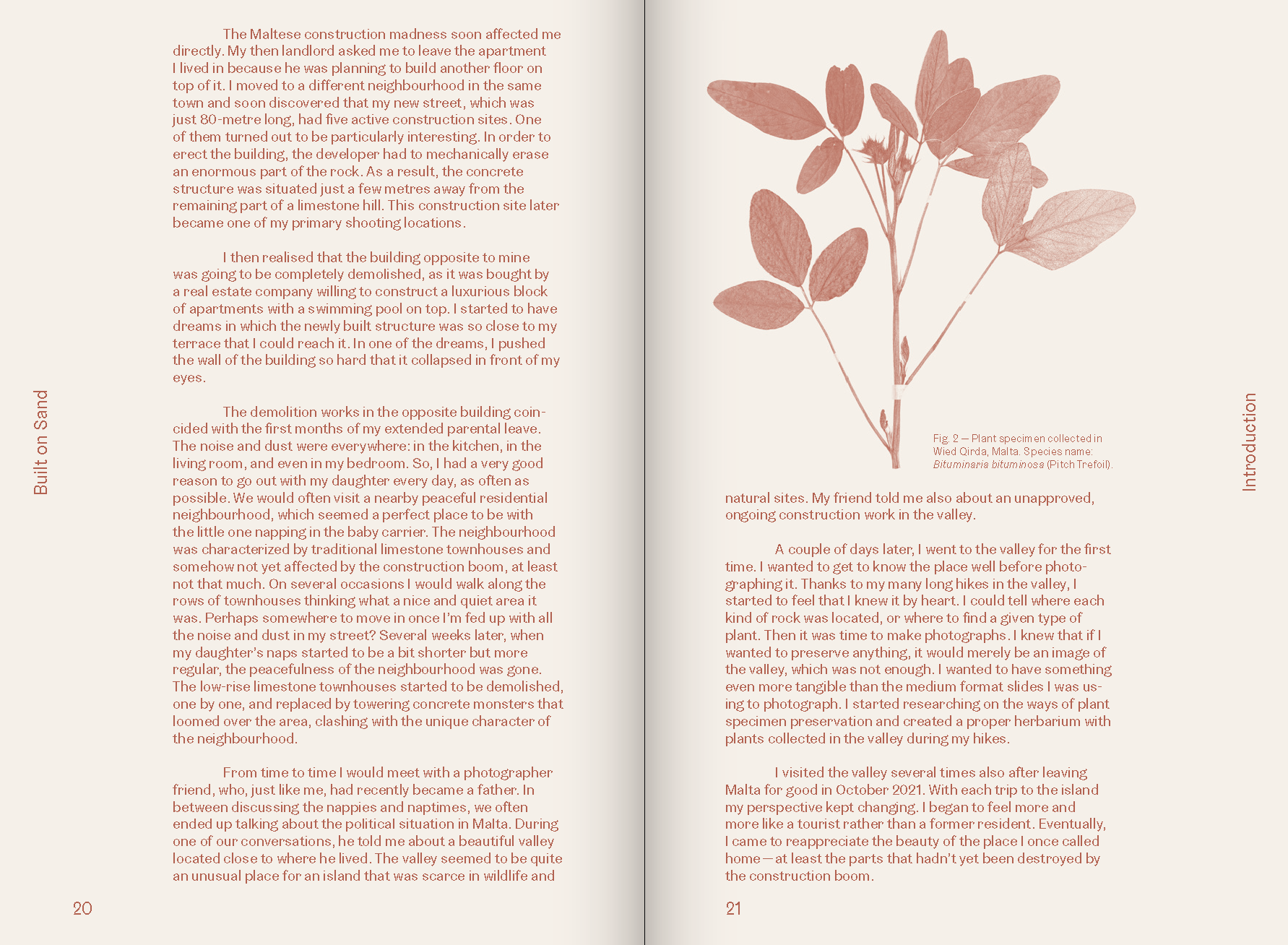
It became impossible to ignore, and he vividly remembers his wife, six months pregnant, walking past a construction site when a large brick fell from above – missing her by a few centimetres.
“Moments like that made the project feel urgent and personal,” Piekałkiewicz says.
He was also influenced and inspired by feedback from the local community: “Every conversation – with friends, colleagues, neighbours, or complete strangers – added layers to the project,” Piekałkiewicz says as he observed a “shared sense of frustration, sadness and sometimes helplessness” about the pace of transformation.
“These personal stories helped me understand that what I was documenting visually was part of a much broader emotional and social reality.
“And of course, the daily news – collapsed buildings, accidents, unsafe construction practices – only reinforced that urgency,” Piekałkiewicz says.
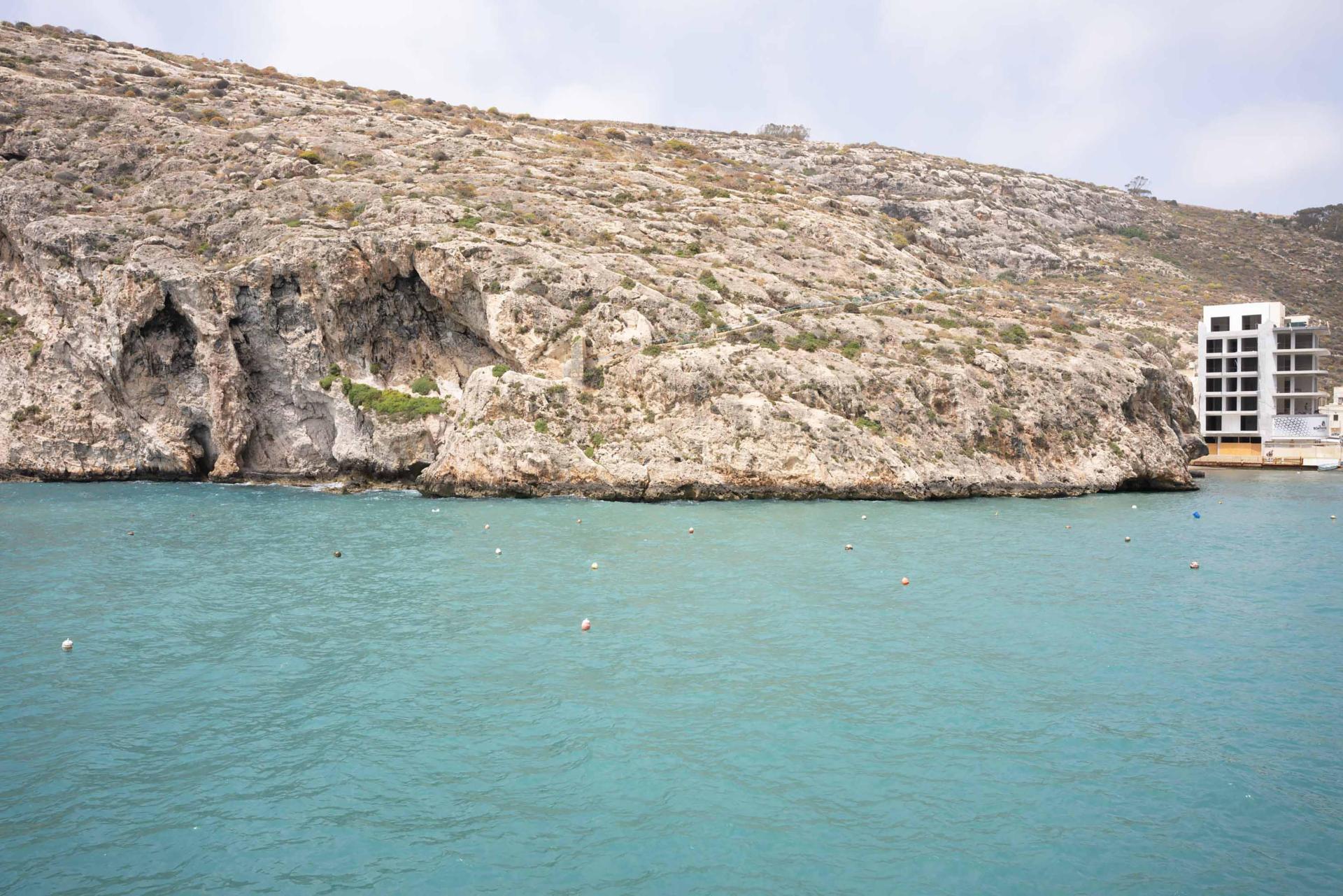 A construction site intrudes on this photograph of Xlendi Bay.
A metaphor for an unsustainable system
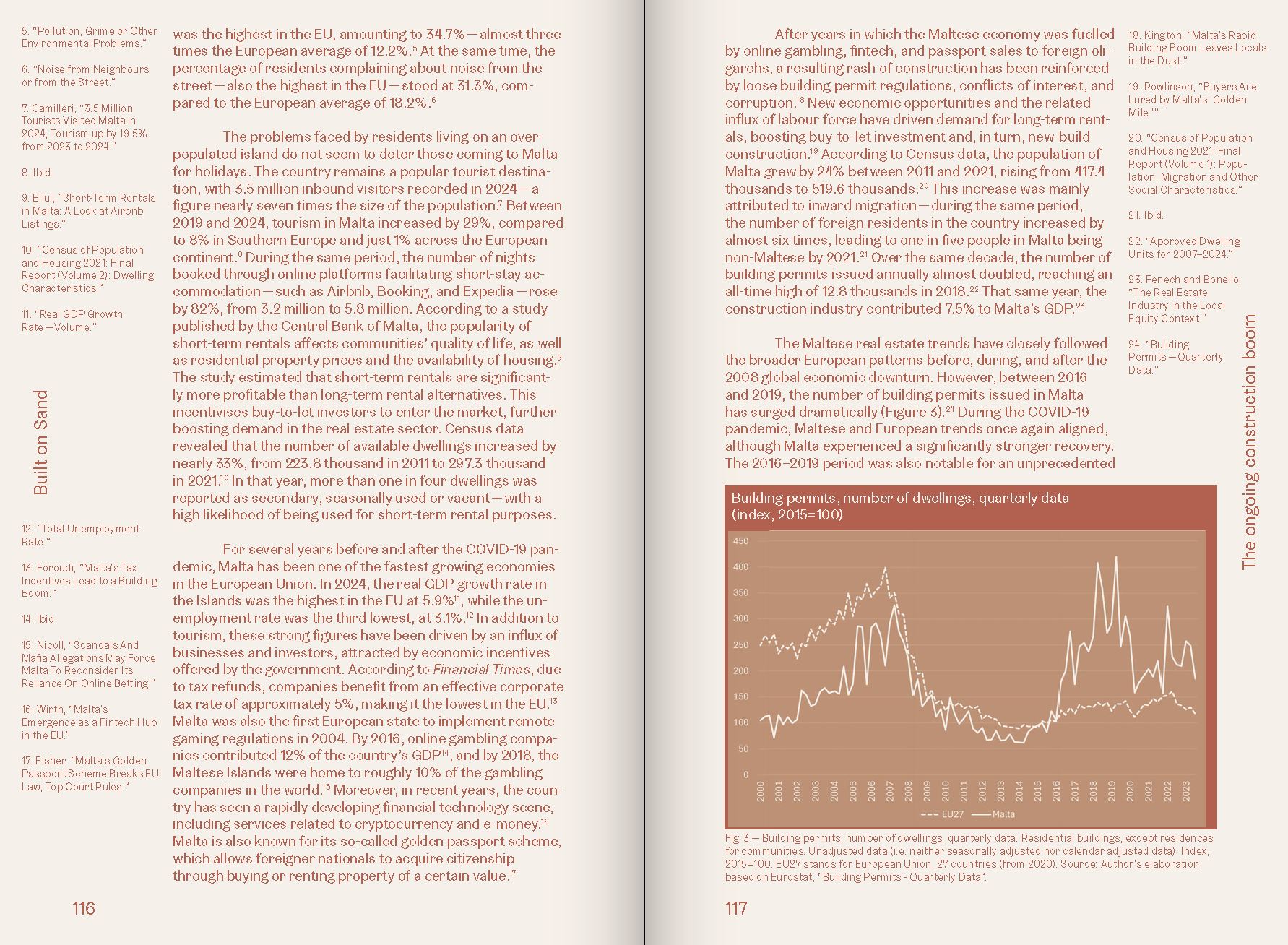
Malta has lost a significant portion of its green and undeveloped areas, replaced by an expanding web of roads, construction sites and dense urban blocks, Piekałkiewicz notes, quoting a figure from his research: 25.9 per cent of Malta’s land surface is now covered by artificial structures – almost six times the EU average.
“That statistic alone says a lot about how intense the transformation has been,” he points out.
“Malta’s landscape is unique. I wanted to understand what happens when a place so deeply shaped by its limestone past is suddenly rebuilt at unprecedented speed.”
In his picture of everyday life, “people grapple with constant noise, dust, traffic diversions and the stress of living next to active construction. Safety concerns are real: collapsed homes, poorly regulated works and workers operating in dangerous conditions have become part of the national conversation”.
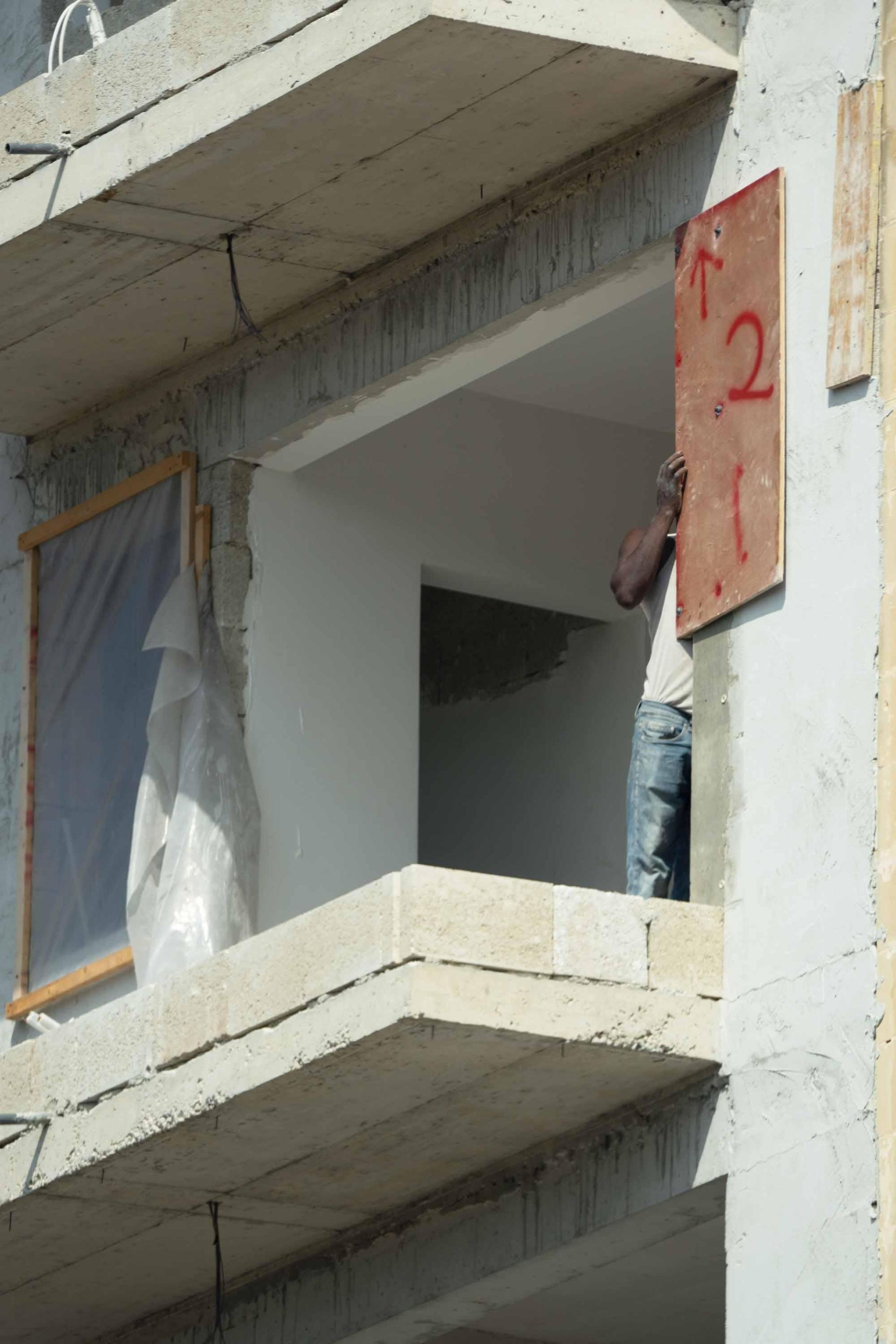 The book reflects on the human dimension of the boom, including the experience of construction workers. Photo: Marcin Piekałkiewicz
This is why the book’s title, Built on Sand, carries several meanings.
“It points to instability – physical, economic and social. It can refer to a building rising too fast, an economy fuelled by an overheated real-estate market, or even a life altered by an accident linked to the construction industry. It’s a metaphor for a system that feels unsustainable and fragile.”
Piekałkiewicz says he worked with a research-based approach that combined visual investigation with critical inquiry.
Beyond the local context, Built on Sand should also appeal to readers concerned with environmental issues, land use and overdevelopment; activists and researchers interested in urban transformation; and people passionate about cultural heritage.
Despite the bleak image portrayed in his photobook, Piekałkiewicz does not think it is ever too late.
.
.
.
.
“I certainly hope the book contributes to the ongoing public conversation. My goal is not to provide solutions but to create a tool that fosters awareness and debate.”
Malta’s protest culture has grown in recent years, Piekałkiewicz points out, and people are increasingly vocal about environmental and social concerns.
“This gives me hope. The book is my way of adding a visual and research-driven perspective to that momentum. If it helps people reflect and speak out – and if it adds pressure for change – then it has served its purpose.”
Piekałkiewicz is reaching out to Maltese and international audiences for support. https://www.voordekunst.nl/projecten/20373-built-on-sand-a-photobook-about-malta-1
 .
.