Human life on Malta began at least 1,000 years before first believed
Groundbreaking discovery pushes Malta’s history back by at least 1,000 years
- Mellieħa cave reveals Malta's first people were hunter-gatherers
- Discovery hailed as equivalent to Sir Temi Zammit's megalithic finds
- School textbooks and museums must now be updated, scientists say
- Times Talk to provide exclusive first look at discovery on Thursday
A groundbreaking discovery has revealed that Malta's human history is at least 1,000 years older than previously thought, and that the first people to ever descend on the islands were hunter-gatherers, not the farmers described in school textbooks and museums.
The discovery also challenges the global scientific community’s belief that hunter-gatherers did not reach small and remote islands and changes the understanding of what these primitive communities were capable of.
A team of archaeologists led by Maltese professors Eleanor Scerri and Nicholas Vella published their discovery on Wednesday in Nature – one of the world’s most prestigious scientific journals - after almost six years of excavations, research and rigorous testing in Malta and abroad.
And in a special podcast episode to be released on Thursday, Times Talk will publish an exclusive, first look at the discovery that changes Maltese history.
Times of Malta was granted unprecedented access by the archaeologists to the unearthed remains that are now being housed at the University of Malta.
The Times Talk episode features footage of several bones, stone tools and other human-made remains that led to the discovery, along with interviews with the researchers in their laboratory and at the Mellieħa cave where the remains were found.
Archaeologists discovered cooked fish, deer bones and other organic and human-made materials that confirm human hunting activity in Malta before farmers arrived. Through countless tests, they confirmed the remains are at least 8,500 years old, a thousand years earlier than the first, previously known human activity.
‘As significant as Temi Zammit’
The discovery is likely as significant as Sir Temi Zammit’s discovery of Maltese prehistory in the early 1900s and the first carbon dating tests done 60 years ago.
In the first instance, Zammit and his colleagues confirmed that Malta’s megalithic temples dated to prehistoric times.
In the second instance, scientists discovered, through carbon dating, that Maltese prehistory is even older than they previously thought, and that the temples go back around 5,000 years – a discovery which landed the structures on UNESCO’s list of world heritage sites.
This week’s discovery pushes Maltese history even further back, by at least a thousand years.
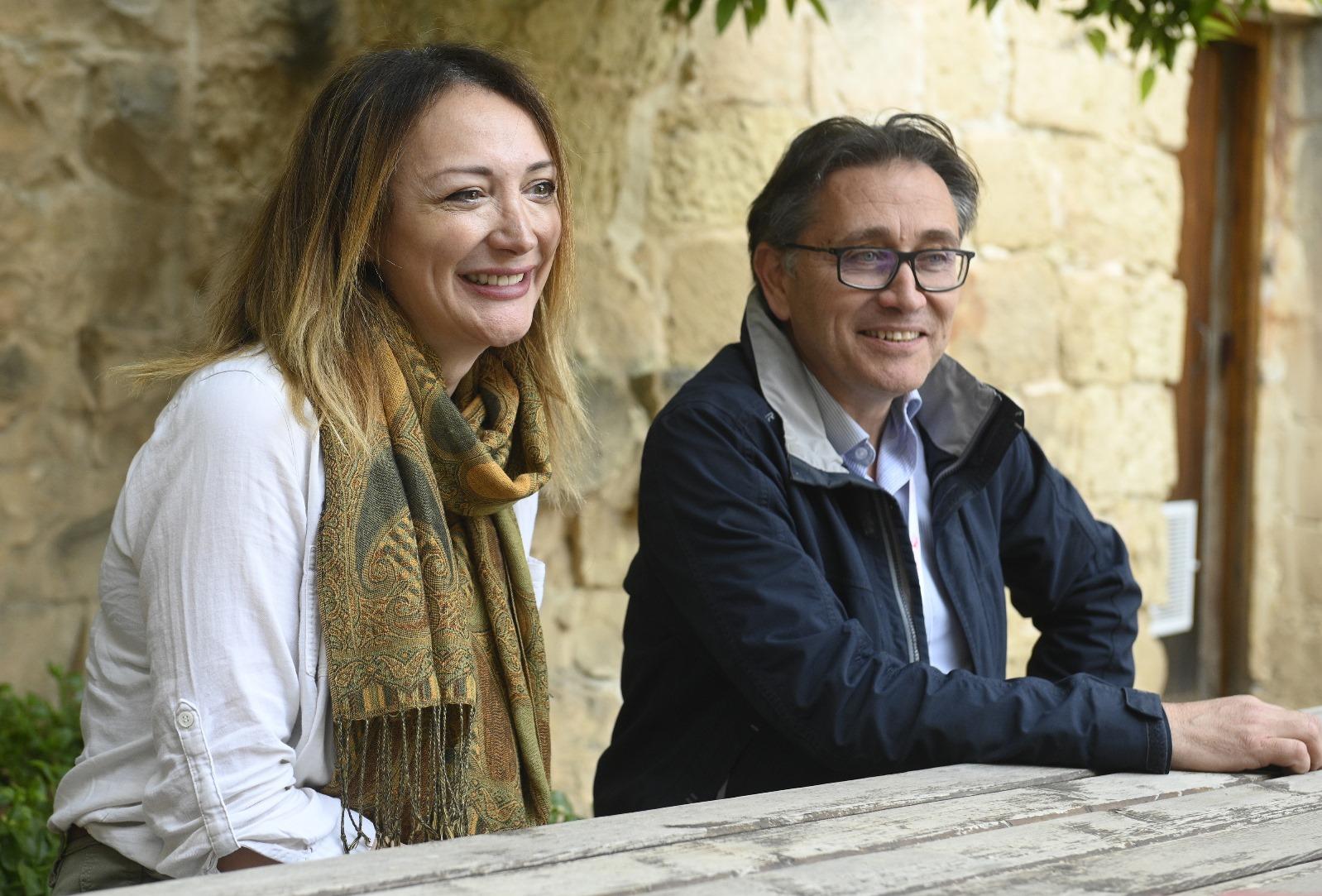
 Principal investigator Professor Eleanor Scerri and co-investigator Professor Nicholas Vella. Photo: Matthew Mirabelli
“So far, scientists agreed the first humans descended on Malta around 7,500 years ago, and that they were farmers,” principal investigator and professor Eleanor Scerri told Times Talk this week.
“This discovery confirms there were humans on the island at least 8,500 years ago, maybe even 9,000 years ago, and they were among the last remaining surviving hunter-gatherers of the last European ice age. We never knew this before, it completely opens a new chapter on Mediterranean history and changes the way we viewed these people.
“I believe this cave is a future world heritage site as it’s preserving a piece of European history that we didn’t know about.”
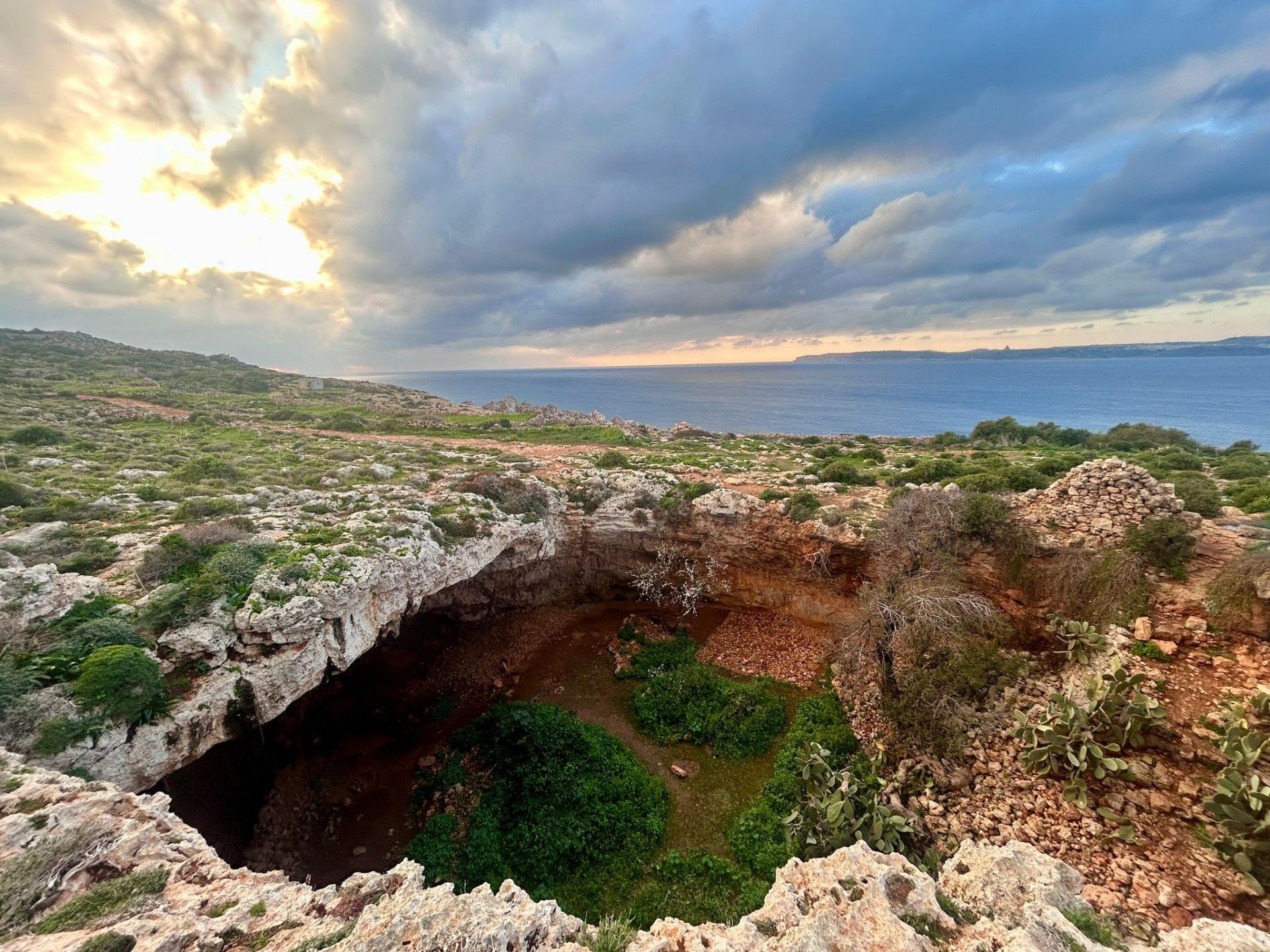 Mellieħa's Latnija cave (Għar Tuta), where the discovery was made. Photo: Huw Groucutt
Co-investigator and professor Nicholas Vella said researchers continue to excavate the site. They have already unearthed a human bone that they believe belonged to a hunter-gatherer.
“Ongoing research indicates that this is only the beginning and there are a lot more jaw-dropping results in the pipeline. This will be a transformative site for Maltese history,” Scerri said.
Scientists believe these hunter-gatherers were likely the last remaining survivors of the most ancient human communities that had not yet developed agriculture.
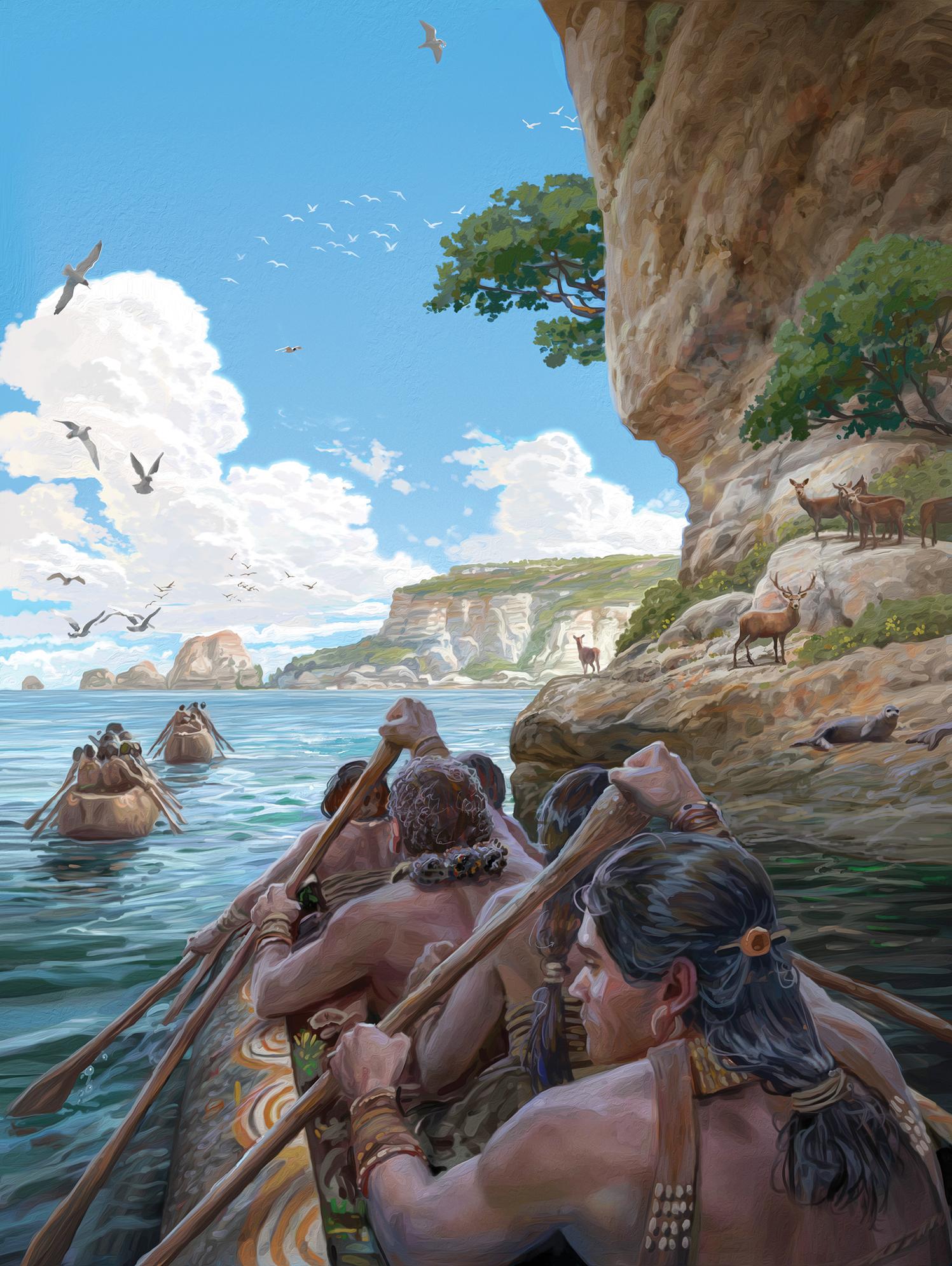 An artist's impression of the hunter-gatherers' voyage more than 8,500 years ago. Photo: Daniel Clarke
The discovery also means school textbooks, university courses and archaeology and natural history museums will have to be updated to include a new period in Maltese history – the Mesolithic period, which preceded Neolithic times.
A new history lesson
The first humans appeared on earth 300,000 years ago, in Africa. At the time, the planet was teeming with plants and animals, but humans were confined to Africa.
These first people were hunter-gatherers, meaning they hunted animals and foraged for food for a living. They had no fields, farms or domesticated animals. Instead, they were always on the move in small groups. For hundreds of thousands of years, humans lived like this.
About 50,000 years ago, humans left Africa and began to spread around the world, but they remained hunter-gatherers.
But this life had a problem: if they did not find enough animals to hunt, or a period of drought left little to gather, they faced starvation.
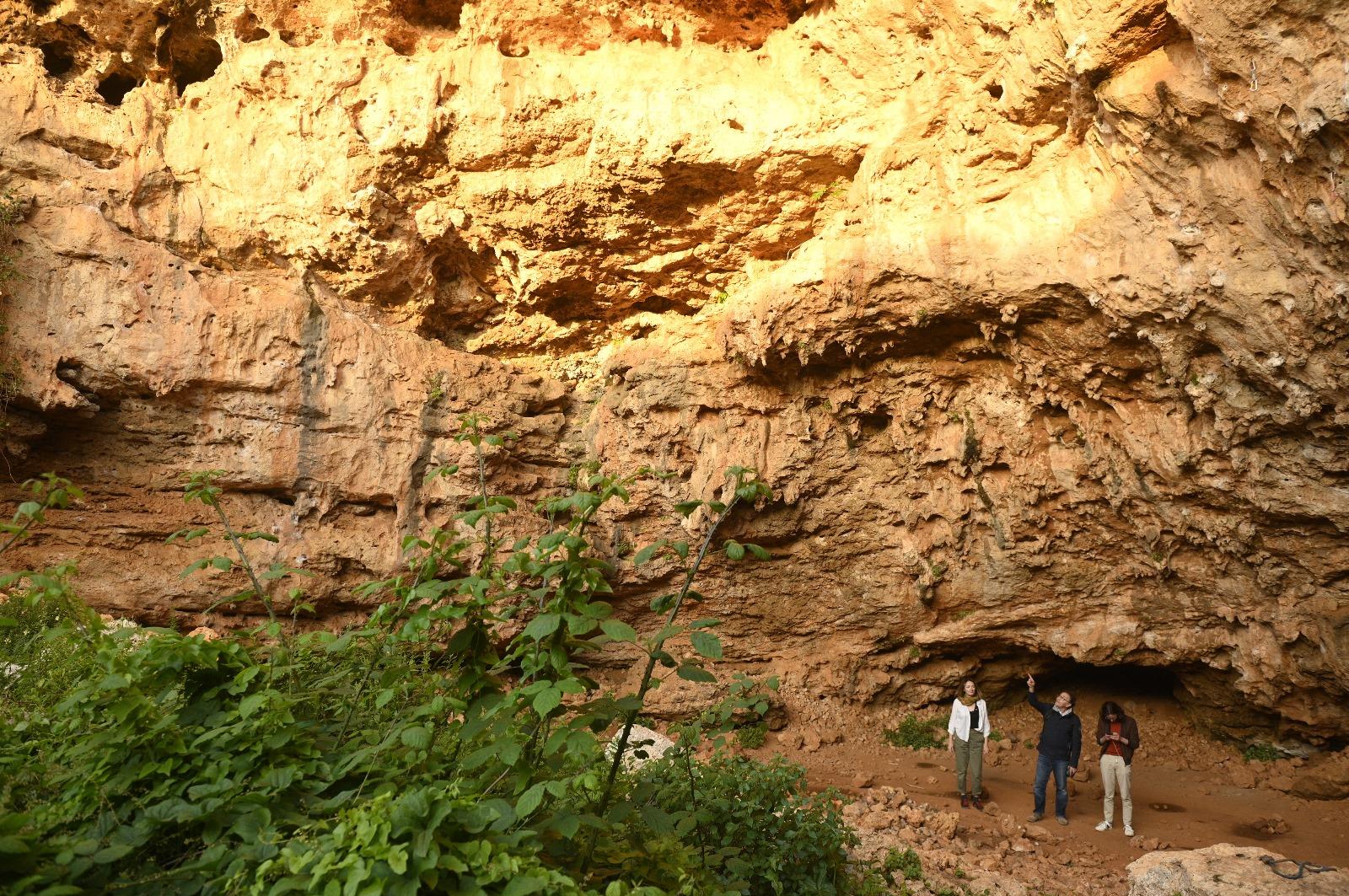 Latnija cave is also known as 'Għar Tuta'. Photo: Matthew Mirabelli
So, around 10,000 years ago, humans in the Middle East began to develop another way to live. They discovered that instead of wandering around, they could gather in one place, work the land there, grow and domesticate animals, collect rainwater and irrigate their fields. This reduced made them more self-reliant and reduced starvation risks.
Until now, scientists believed the first humans descended on Malta 7,500 years ago, that they were farmers, and that there were never any hunter-gatherers inhabiting the islands.
The belief was that hunter-gatherers were restricted to the European mainland and never reached Malta - possibly because they had not yet developed boats capable of making the journey from Sicily, or because there was no incentive for them to explore remote islands, where resources were scarce.
This is the history students are taught in schools and tourists are told in Malta’s archaeology and natural history museums – that the first people were from the Neolithic period, followed by other people who eventually built the temples, and then all the other peoples who conquered the islands over the millennia.
All archaeological remains found during the last century of excavations – from pottery bits to animal bones – indicated that human life in Malta was not older than 7,500 years.
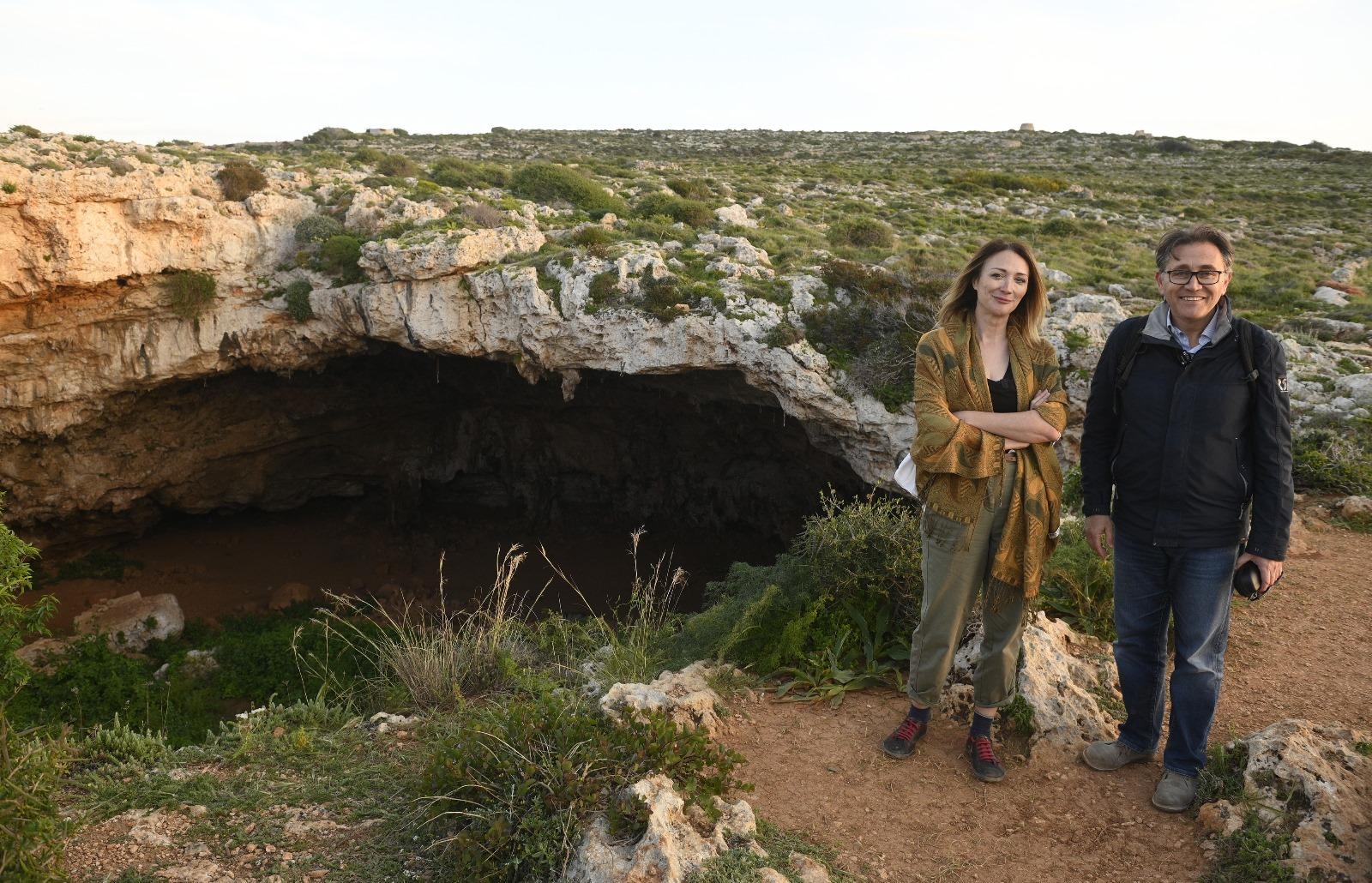 The researchers standing next to the cave where they made history. Photo: Matthew Mirabelli
“We were so sure that hunter-gatherers never came to Malta, that when I was growing up and specialised in hunter-gatherer archaeology in my studies, I left the country and spent most of my career studying it abroad,” Scerri told Times of Malta.
“I thought there was nothing to see here, only to come back and find them.”
Remains found in Għar Dalam in the early 1900s confirm the island was populated by wild animals – such as deer, elephants and hippopotamuses – before then, but scientists believed these species went extinct before the first humans descended on Malta.
“In fact, when we started these excavations in Mellieħa in 2019, we didn’t initially set out to discover hunter-gatherer communities. We thought we were simply looking for more evidence on the origins of farming in Malta,” she said.
This week’s discovery changes all of that.
What they unearthed
When they were excavating the Latnija cave in Mellieħa – or as it is more popularly known Għar Tuta – researchers Scerri, Vella and their team of local and international scientists began to unearth, among other things, many cooked deer bones.
They also found bones of other land and sea creatures that were never part of any farmer’s diet – animals which were thought to have gone extinct before they had the chance to encounter humans.
Moreover, they began to unearth remains of handmade stone tools and what appeared to be human-made cooking equipment.
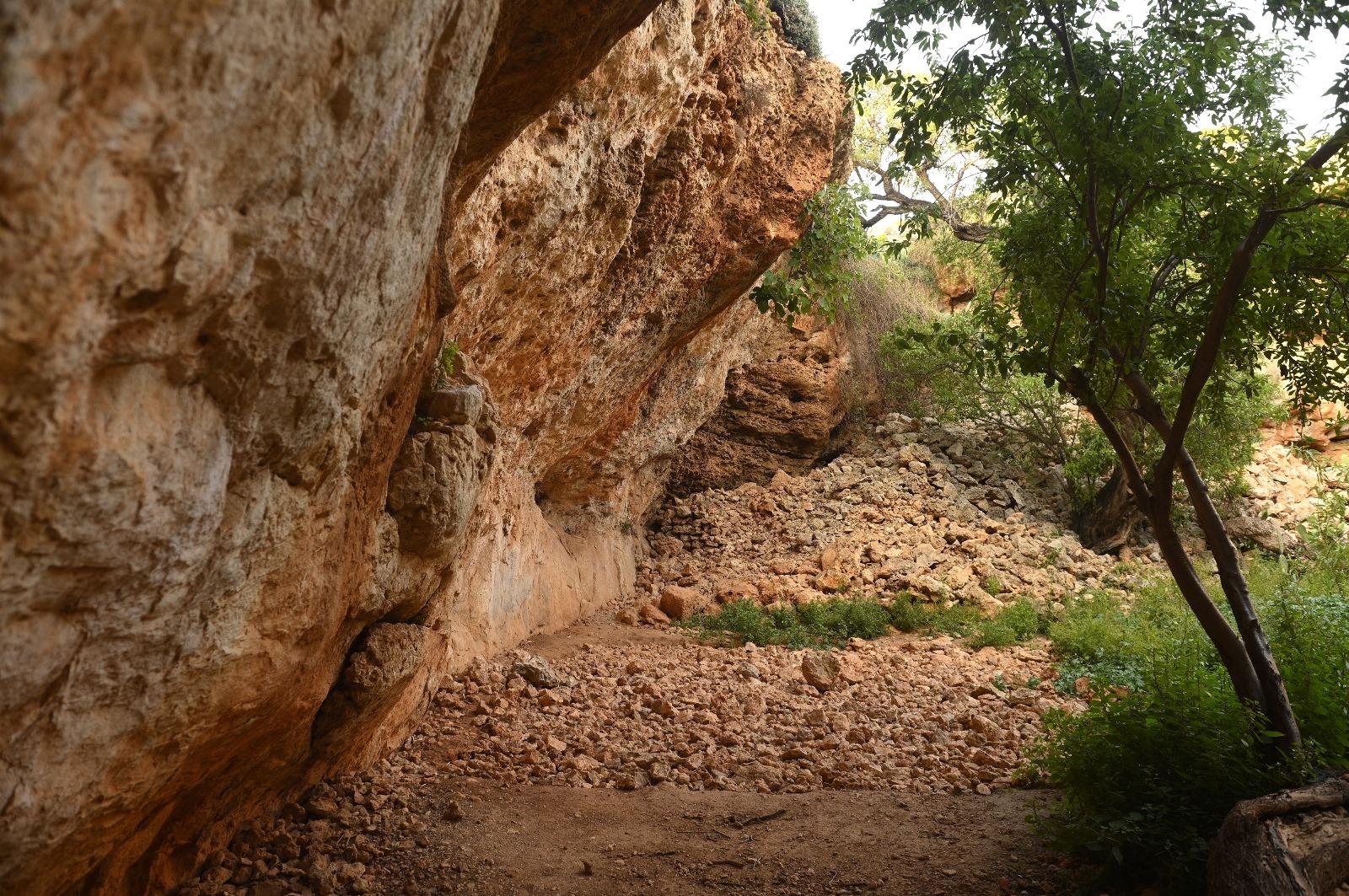 The site where the archaologists focused their excavations is now covered in rocks, to protect it. Photo: Matthew Mirabelli
“We went to Latnija because it looks like a place where people would have lived. It offers the ideal conditions to shelter humans from the elements. In fact, to this day, many people still go camping there. And we thought, if that’s where people like to camp now, that’s probably where they camped then as well,” Vella explained.
“As we dug deeper, we weren’t finding pottery or bones of domestic animals anymore. None of the usual stuff we usually associate with early farmers,” Scerri said.
“We began to find deer bones that appeared to have been cooked in a fire. And then we found stone tools, and fireplaces, and absolutely no sign of domestication.”
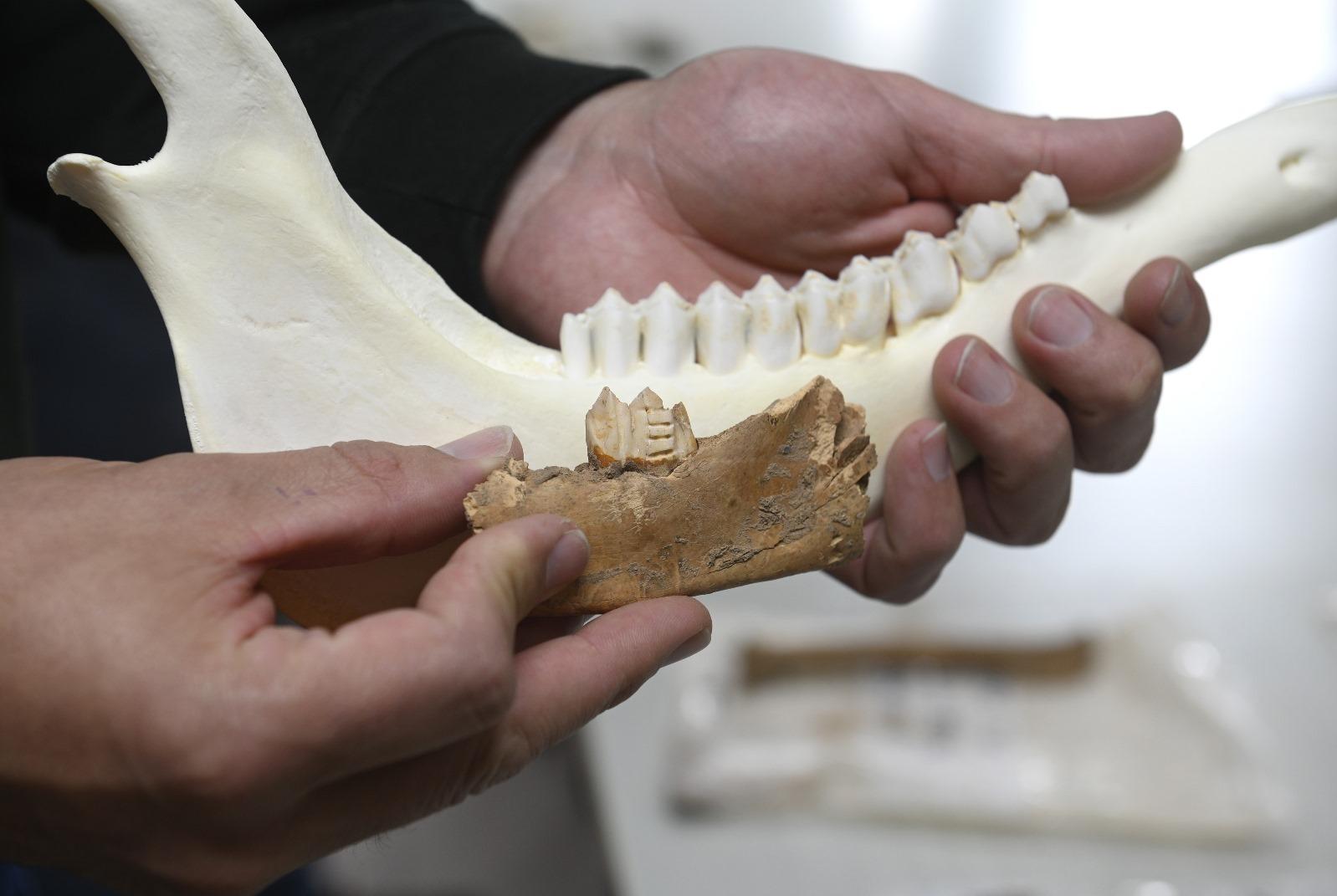 Part of the jaw of a species of tiny deer, endmic to Malta, compared to a full jaw of its modern counterpart. The deer back then was about half the size of the deer species in Europe today. Photo: Matthew Mirabelli
Farmers ate wheat and domesticated animals, such as sheep and cows, not deer.
That discovery opened up the possibility that there were, in fact, hunter-gatherers in Malta.
“These were not farmers. This was an ecosystem that included humans and deer and other animals that we didn’t know co-existed in the same period,” Scerri said.
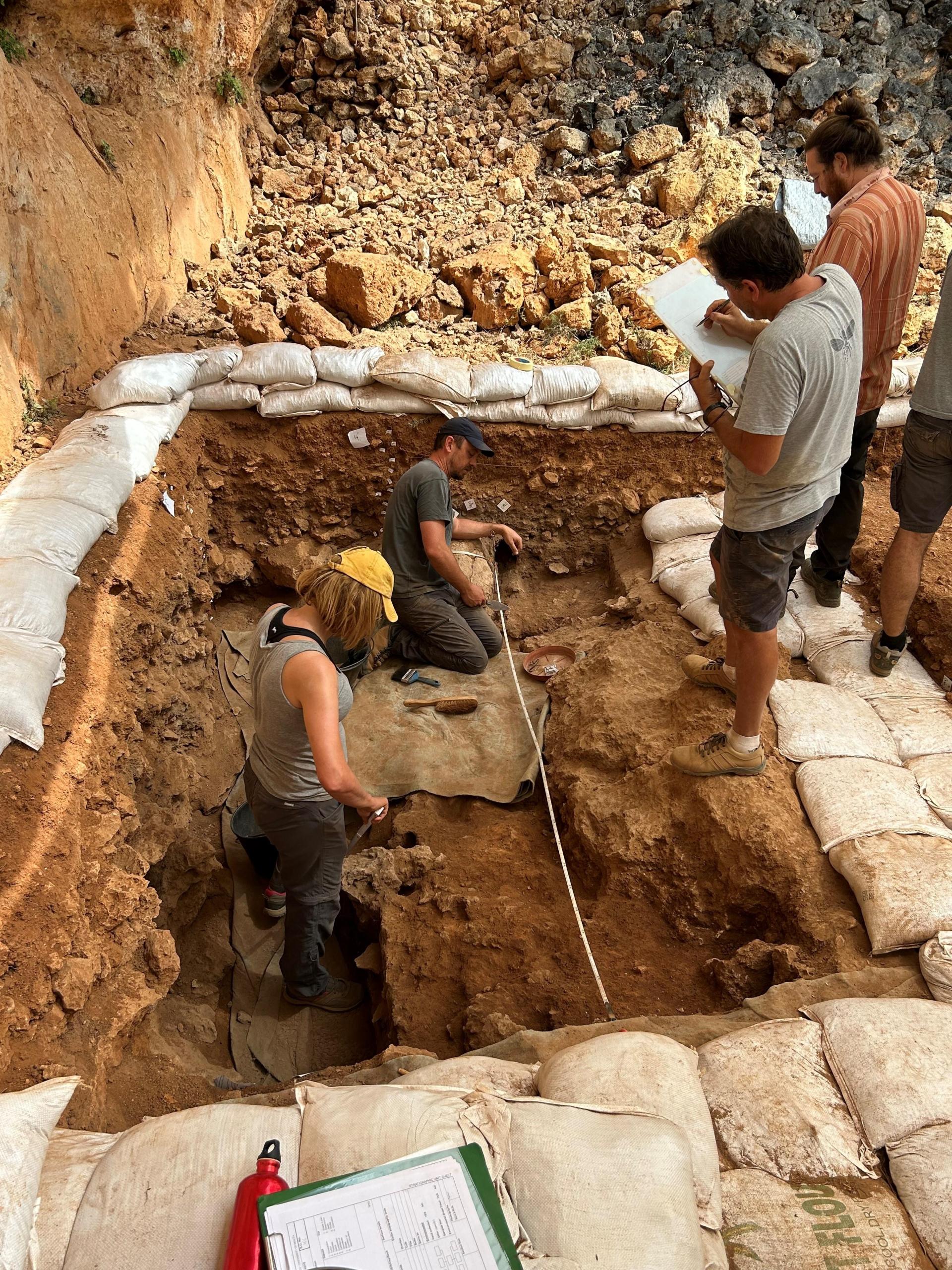 Archeologists would excavate remains every day for a month and spend the rest of the year running tests on them. Photo: Huw Groucutt
Tests confirm discovery
Researchers first found the deer bones in 2019, but it would take years of further excavations and testing before they could definitively confirm their discovery.
They conducted several tests – in Malta and abroad – on bones and other artefacts and organic material.
Every time, the tests came back indicating those cooked bones were about 8,500 years old, meaning they were cooked by humans in Malta at least a thousand years earlier than when the first humans were believed to have arrived.
Scerri recalls the moment they received the first test results, when it started to become clear they had stumbled upon a groundbreaking discovery.
 The professors and their team published their discovery in the prestigious scientific journal 'Nature'. Photo: Matthew Mirabelli
“I called Nicholas and said: ‘I think you should sit down, because you will not believe this.’ It was a shock, I was in disbelief,” she said.
What followed was months of further testing to make sure the evidence was not misleading them.
“We looked at pollen, small plant remains, charcoal and chemical remains from the bones to understand what these people’s diets were, and to try reconstructing the broader environment of Malta – and it turns out that humans then were in a completely different ecosystem that we never knew existed in Malta,” she said.
 The store at the archeology department of the University of Malta where the scientists are keeping the remains as they continue to perform testing. Photo: Matthew Mirabelli
“The Maltese history was previously connected to the roots of farming. These results showed us it is, in fact, connected to the very roots of humanity itself.”
Bones and stone tools
One of the researchers on the project, zooarcheologist Mario Mata-González, said the remains are essentially the discarded garbage of the humans back then.
"Malta at the time was home to a unique species of tiny deer, about half the size of their modern counterparts, and endemic to these islands. While we previously believed these deer went extinct around 50,000 years ago, our discovery places them alive and well 8,500 years ago – and being actively hunted, cooked, and consumed by humans,” he said.
"Take this burnt bone, for example. The charring is a clear indicator that these animals were hunted and cooked by humans. We can confidently rule out natural causes or predation by other animals like foxes, as these bones exhibit signs of being deliberately broken while fresh, a distinct 'anthropogenic modification' – clearly carved with a hammer stone to access the nutritious bone marrow within.”
 Zooarchaeologist Dr Mario Mata-González (left) and lithics expert Dr Huw Groucutt, both of whom worked on the discovery. Photo: Matthew Mirabelli
The hunter-gatherers appear to have been skilled fishers too, evidenced by some 10,000 seashells that were unearthed.
“Considering the fauna present in Malta at that time, humans were the only species capable of collecting such food from the sea."
The discoveries extend beyond these people’s primary food source.
"We've also found fox bones," he noted.
"While we can't definitively say they were part of the human diet, it's possible they were being skinned for their fur. This is an area we'll be exploring further."
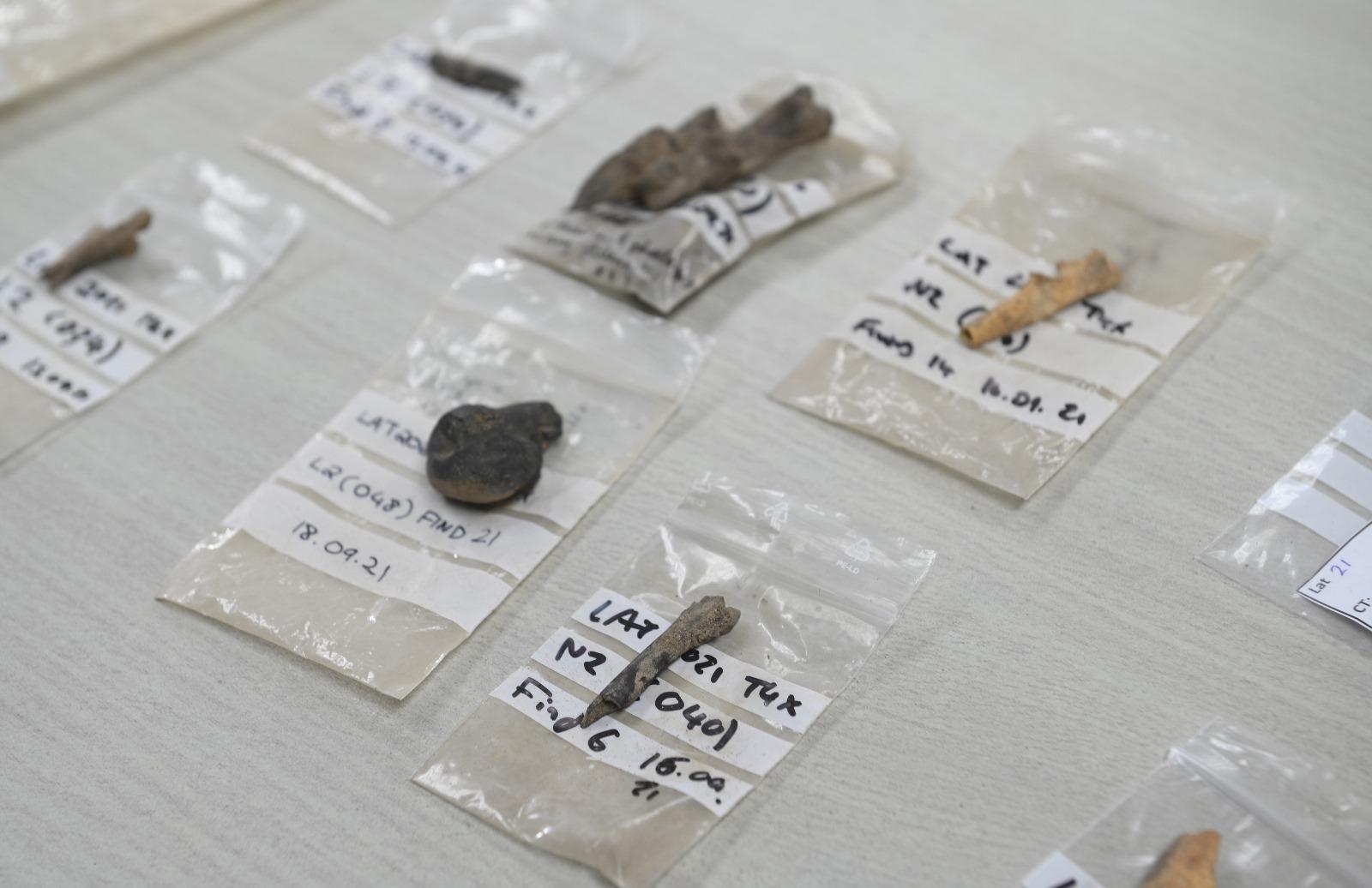 Some of the remains found on site, a few of which are clearly burnt bones. Photo: Matthew Mirabelli
The team is also employing innovative techniques to reconstruct the ancient environment.
"By analysing the chemical composition of drilled samples from the animal teeth, we can infer what the landscape looked like," he said.
"Our initial findings suggest Malta was characterised by an open landscape with a significant tree cover and a climate remarkably similar to what we experience today."
 All the soil from the site was lifted and taken to the University of Malta where it is now housed for further testing. Photo: Matthew Mirabelli
Lithics expert Dr Huw Groucutt, on the other hand, analysed hundreds of stone tools discovered at the site.
“They made stone tools by carefully striking rocks with a hammer stone to remove sharp flakes," he said.
"We've identified numerous rocks from Latnija that were intentionally shaped into tools by people around 8,500 years ago. They possess distinctive features that mark them as human-made. They would have been essential for tasks like butchering animals, shaping wood, or scraping meat from bones."
Beyond Malta
While the discovery is a historic one for Malta, it also has implications beyond Malta's shores, as it changes the global scientific community’s understanding of what hunter-gatherers were capable of doing at the time.
Until now, scientists around the world thought hunter-gatherers did not sail to small and remote islands like Malta. It would have been a 100-kilometre journey, part of which must be done at night, and for which they needed to have sophisticated navigation techniques and a firm knowledge of how to brave the tricky Mediterranean sea currents.
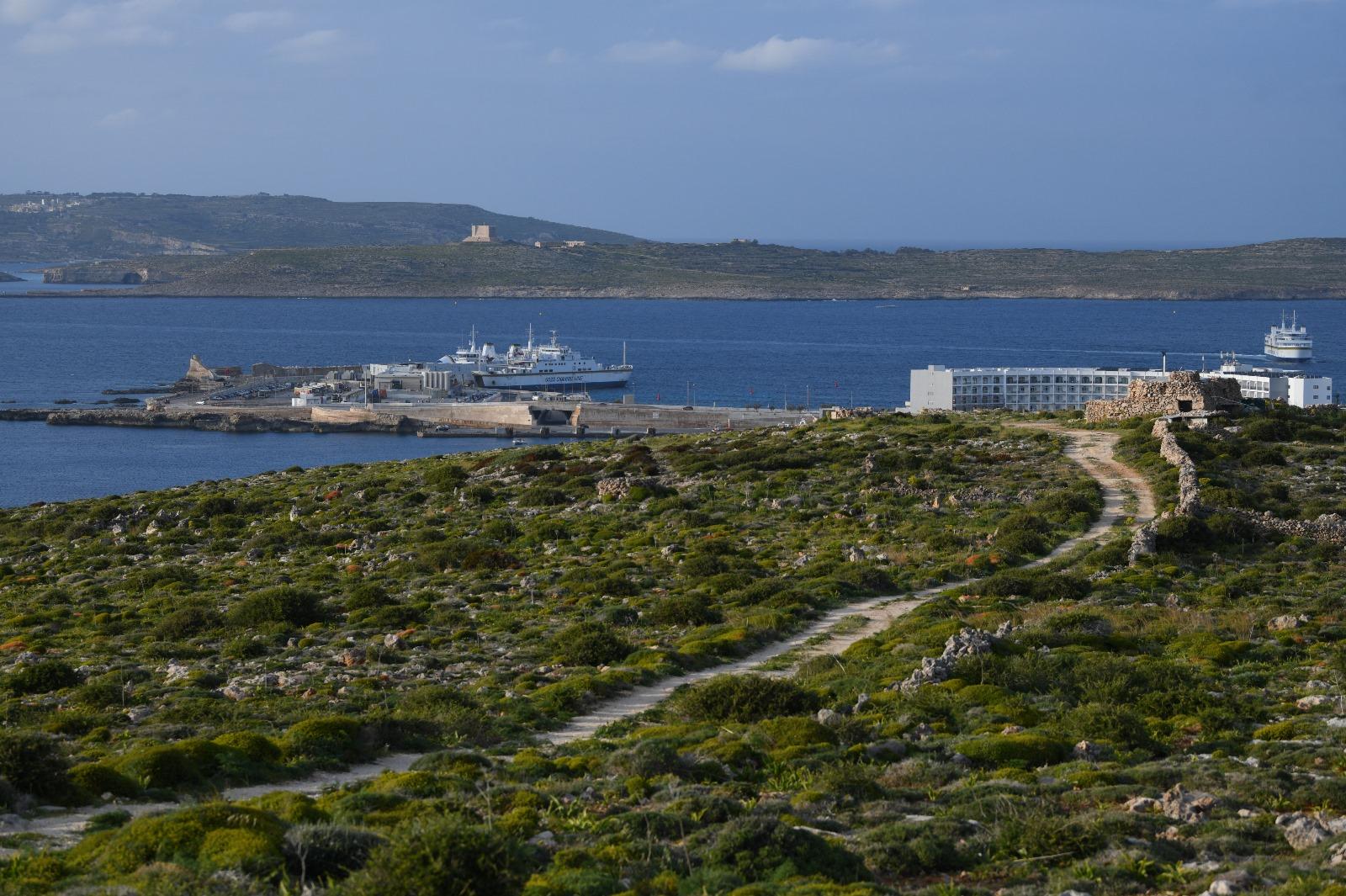 The cave lies just a few kilometres away from Ċirkewwa, and is popular with hikers, climbers and campers. Photo: Matthew Mirabelli
The Maltese researchers and their team found that these people most likely crossed from Sicily to Malta in a kind of canoe hollowed out of wood and travelled at speeds of about three or four kilometres per hour.
This distance breaks the record for the longest journey ever made by hunter-gatherers in the Mediterranean and will change not only what we knew about Malta, but also about the Mediterranean.
Furthermore, the discovery indicates these people may have been far smarter than scientists had thought.
The researchers also found cooked bones of animals that were simply not exploited by later farming communities – birds, fish, marine mammals like seal and sea snails, tortoise and animals that are not on Malta today, such as red deer and extremely large birds.
The discoveries also raise questions about what or who caused the extinction of these endemic animals and whether distant Mesolithic communities were linked through seafaring.
“We didn’t think they were able to do more than 50 kilometres in a day. And now it begs the question: where else did they go? What other networks did they have?” Scerri said.
“It begs the question whether they just used oars, or a different propulsion system, like the sail, but from the evidence we have, the sail was invented thousands of years later. This leaves us with a big question: how did they manage the crossing?” Vella added.
What did these people look like?
Scerri and Vella said further DNA and ancestry testing will now begin to shed light on who these people were, where they came from, what they looked like, what flora and fauna inhabited the islands at the time, and what Malta looked like back then.
Scerri said these first inhabitants would have been distinct in appearance and lifestyle from the people who followed centuries later.
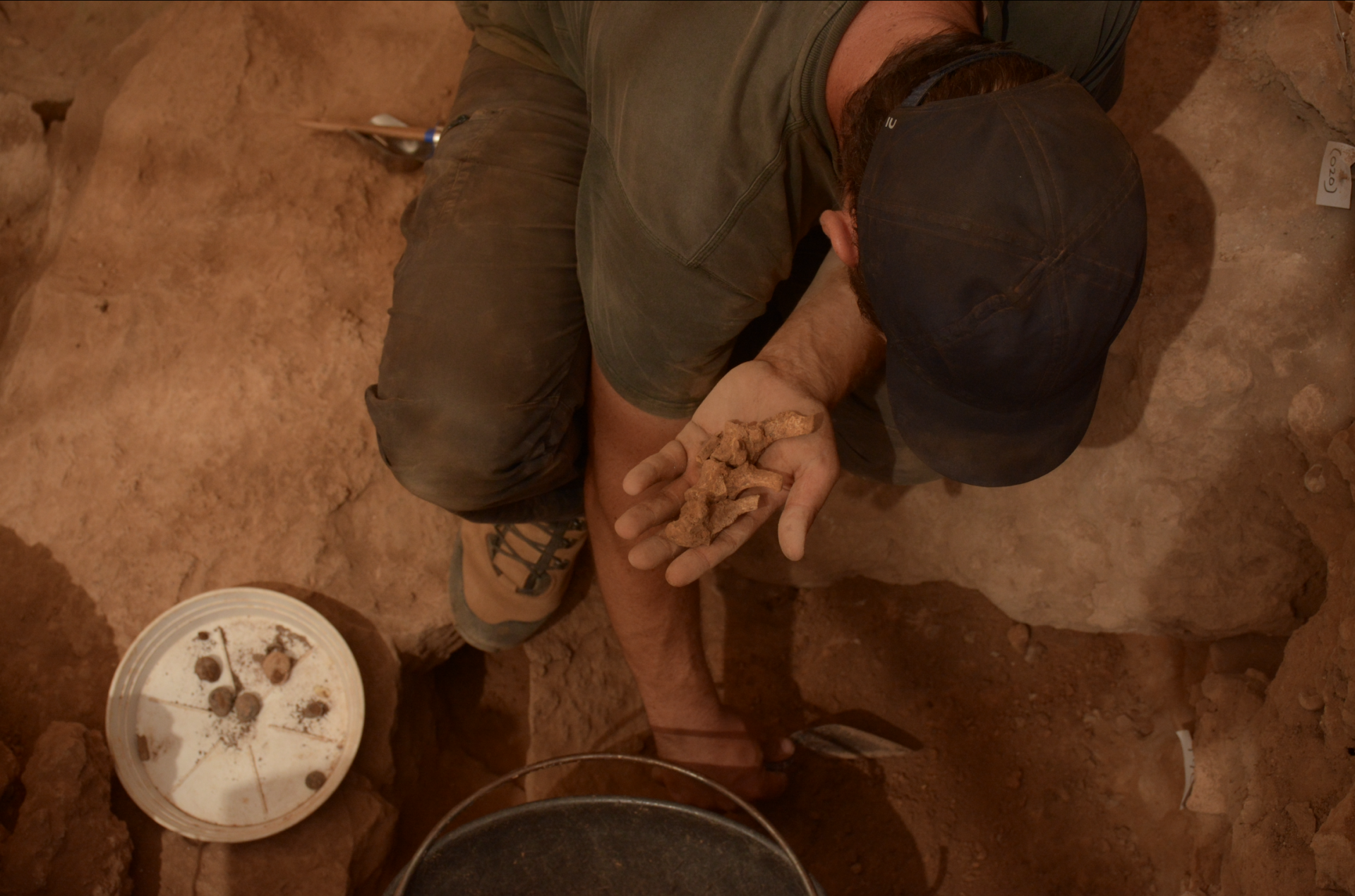 Bones from the Mesolithic period collected from the Mellieħa cave. Photo: Eleanor Scerri
"We are now in a position to understand who these individuals were on a genetic level. By tracing their DNA, we can begin to unravel their ancestry and connections to other populations," she said.
“They likely had dark skin and light eyes – a combination quite different from what we typically see today.”
Vella said these people would have undoubtedly had their own ways of honouring and laying to rest their dead, and finding such remains would offer an invaluable window into their beliefs and social structures.
The project was part-financed by Malta’s Research, Innovation and Development Trust (RIDT).