‘Human skills, such as critical thinking, will become even more valuable’
Heidi Løfthus, Project Director of HR Connect, outlines the main HR challenges in Malta’s iGaming sector
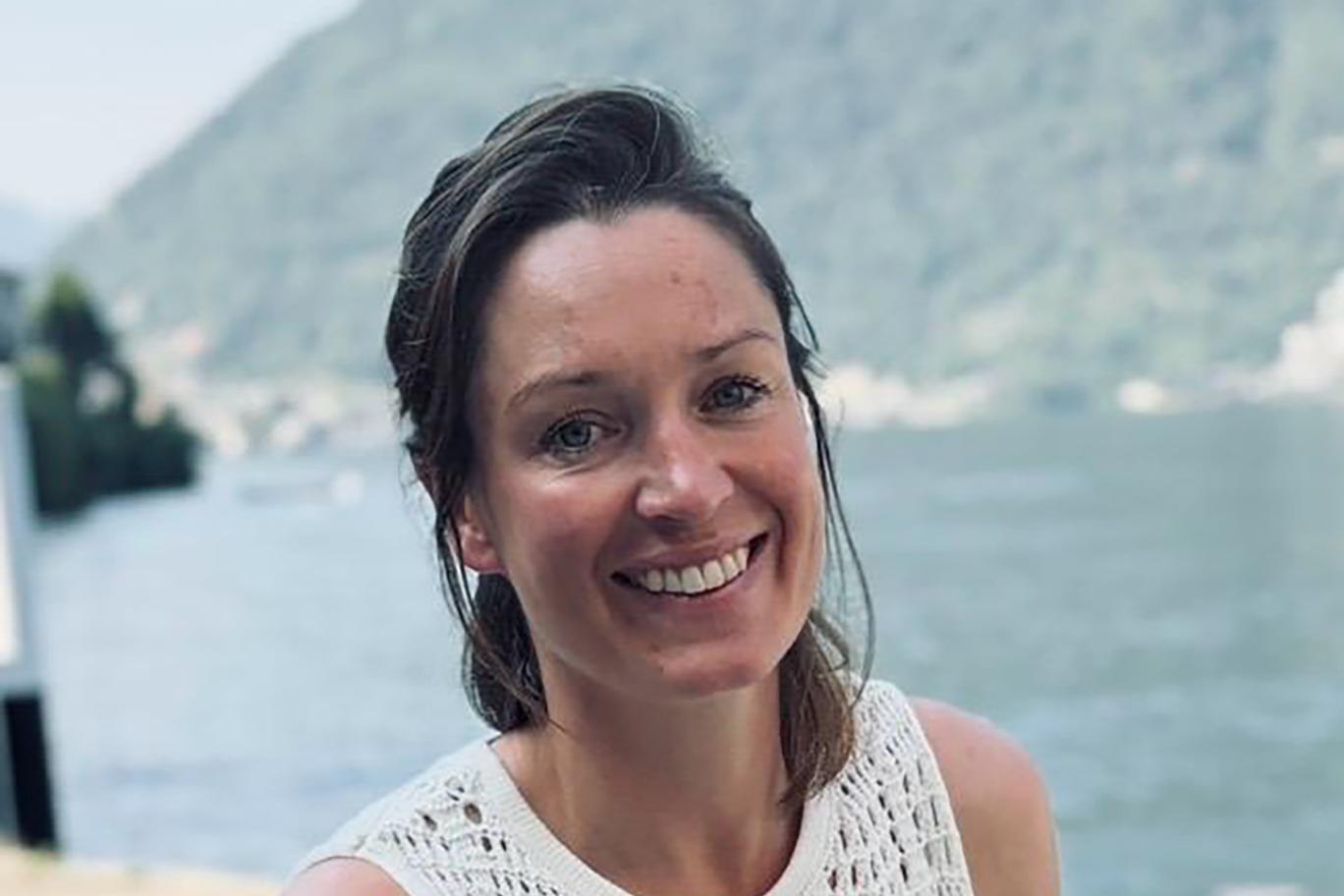
Heidi Løfthus is the Project Director of HR Connect. She has been working in the iGaming industry since 2007, and will be hosting the HR segment of the upcoming NEXT.io Valletta Summit.
HR Connect is a network for HR professionals within the industry, where I regularly bring together peers to share insights and perspectives. It’s a valuable space for HR to step out of the day-to-day and connect with others facing similar challenges.
The summit is designed as a full-day experience with short, focused talks, followed by a members-only dinner to continue the conversations in a more informal setting.
What are the main HR challenges in Malta’s iGaming sector – and are these specific to the country?
One of the biggest HR challenges in Malta’s iGaming sector is definitely the competition for specialised talent. As the industry continues to evolve, companies are looking for expertise in areas such as technology, AI, compliance, cybersecurity, AML, product, and data analytics, while the available talent pool remains relatively limited compared to demand.
At the same time, the industry moves incredibly fast. Regulatory changes, market shifts, restructuring, and cost optimisation pressures often require businesses to adapt very quickly, which naturally puts additional pressure on HR teams and workforce planning.
Retention also remains a major challenge. The market is highly competitive, and employees frequently move between companies for better salaries, faster career progression, or broader exposure. Combined with Malta’s rising cost of living, especially housing and rent, attraction and retention have become much more challenging than they were several years ago.
Some of these challenges are definitely specific to Malta, particularly when it comes to attracting niche international talent or language-specific profiles. However, many of the challenges we are seeing are also happening globally across fast-moving digital industries where competition for skilled professionals is very strong.
Is Malta’s talent availability managing to complement the growth in Malta’s iGaming sector?
Malta still has a very strong and well-established iGaming ecosystem, supported by years of industry experience and an international workforce. However, I do think talent availability is struggling to fully keep pace with the industry’s changing needs.
“As Stefania Zammit Cesare from GIG noted, retention remains a key challenge in such a high-pressure environment, with longer hiring cycles and increasing difficulty in building long-term succession plans when turnover remains high.”
In more general operational roles, companies are still able to attract candidates relatively well. The bigger challenge tends to be in specialised and senior positions, where demand continues to outweigh supply, especially in technical, data-driven, and compliance-related roles.
There is also a growing mismatch between expectations and readiness in the market. Companies are looking for increasingly specialised skill sets, while candidates are understandably expecting faster growth opportunities and stronger compensation packages due to the competitiveness of the industry and Malta’s rising living costs.
Because of this, many organisations are becoming much more international in the way they hire, relying more on relocation, remote work models, and wider global talent pools to fill critical gaps.
What talent is in demand today – and what talent will be needed in the near future?
Right now, demand is strongest in areas such as technology, product, data, AI, compliance, AML, cybersecurity, and commercial functions. Companies are increasingly looking for people who can combine technical expertise with strong business understanding.
Beyond technical skills, there is also a growing demand for leaders who are adaptable, emotionally intelligent, resilient, and able to lead teams through fast-paced and constantly evolving environments.
Looking ahead, I think AI fluency will become important across almost every role, not just within technical teams. The workforce of the future will need to understand how to work alongside AI, integrate automation into workflows, and use data more effectively to support decision-making.
At the same time, human skills such as communication, creativity, leadership, and critical thinking will become even more valuable. As technology becomes more embedded into the workplace, the ability to balance innovation with genuine human connection will really stand out.
Does AI present any threats to human talent?
AI will definitely reshape certain parts of the workforce, particularly in areas involving repetitive or highly process-driven tasks. We are already seeing more automation in functions such as customer support, CRM, SEO, and some operational processes.
That said, I don’t see AI as a direct threat to human talent overall. Like most major technological shifts, it will change the nature of some roles while also creating entirely new opportunities and skill requirements.
The real challenge will be adaptability. Companies and individuals who embrace AI, invest in upskilling, and learn how to use these tools strategically will have a strong advantage moving forward. Those who resist change may find it harder to keep up.
At the same time, there is a risk of over-automation. Human judgement, empathy, creativity, and authentic communication are still incredibly important, especially in leadership and customer-facing roles. Technology can absolutely improve efficiency, but it cannot fully replace the value of human connection and critical thinking.
What are the main aims of this year’s HR Connect? And what is on the agenda?
What I really want is for people to leave feeling that taking time away from the office and their day-to-day to attend was genuinely worth it.
The idea behind this years HR Connect event is to keep the energy high, the content relevant, and the experience engaging from start to finish. We have planned this by designing it more like a TED Talk-style experience, with shorter, focused speaker sessions of around 20–30 minutes each. Attention spans today are very different, and I wanted the day to feel fast-moving, and varied through storytelling— almost like the way we consume our social media.
After an introduction by Ivan Filletti, CEO of Gaming Malta and supporter of HR Connect, the day starts with Neil Agius, whose story around resilience, motivation, and mental strength is incredibly inspiring, not just professionally but personally as well. From there, we’ll have members from our HR Connect network sharing insights around leadership journeys, AI and personal successes — all from very different perspectives and experiences.
There will also be interactive sessions to make sure it is not just about listening passively. The aim is to create moments that encourage reflection, push us slightly outside our comfort zones, and hopefully spark conversations that continue long after the event itself.