In pictures: Early aircraft disasters in Malta
Even in peacetime, our islands have witnessed recurrent aircraft accidents and often human tragedies
Malta has been exposed to the relentless achievements of aviation since the first recorded flight from Grand Harbour on February 13, 1915.
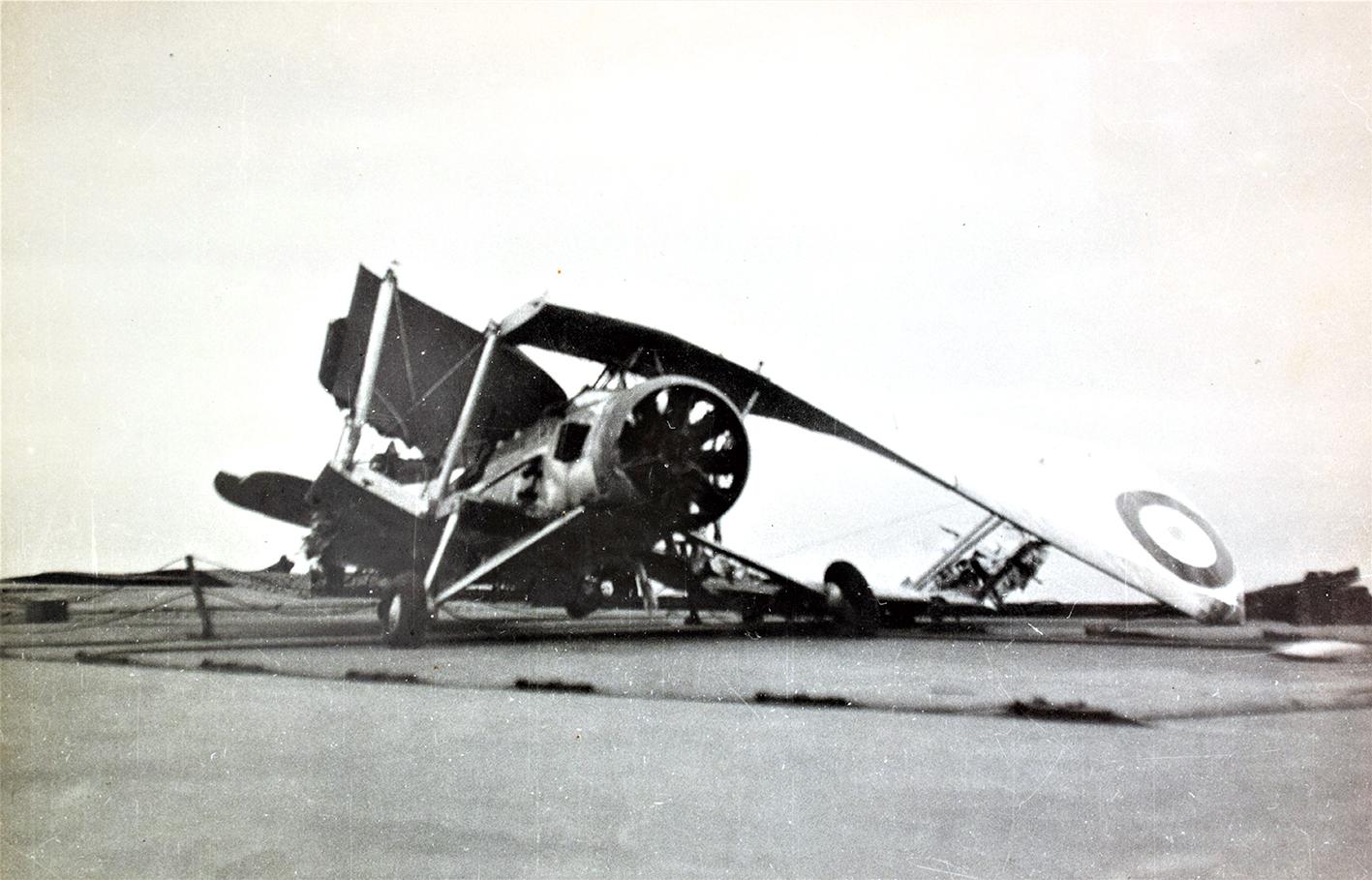
A British aircraft after a disastrous incident on HMS Ark Royal on January 17, 1939.

The remains of Fleet Spotter no. 23 being carried away from HMS Walrus in Grand Harbour in the 1930s.
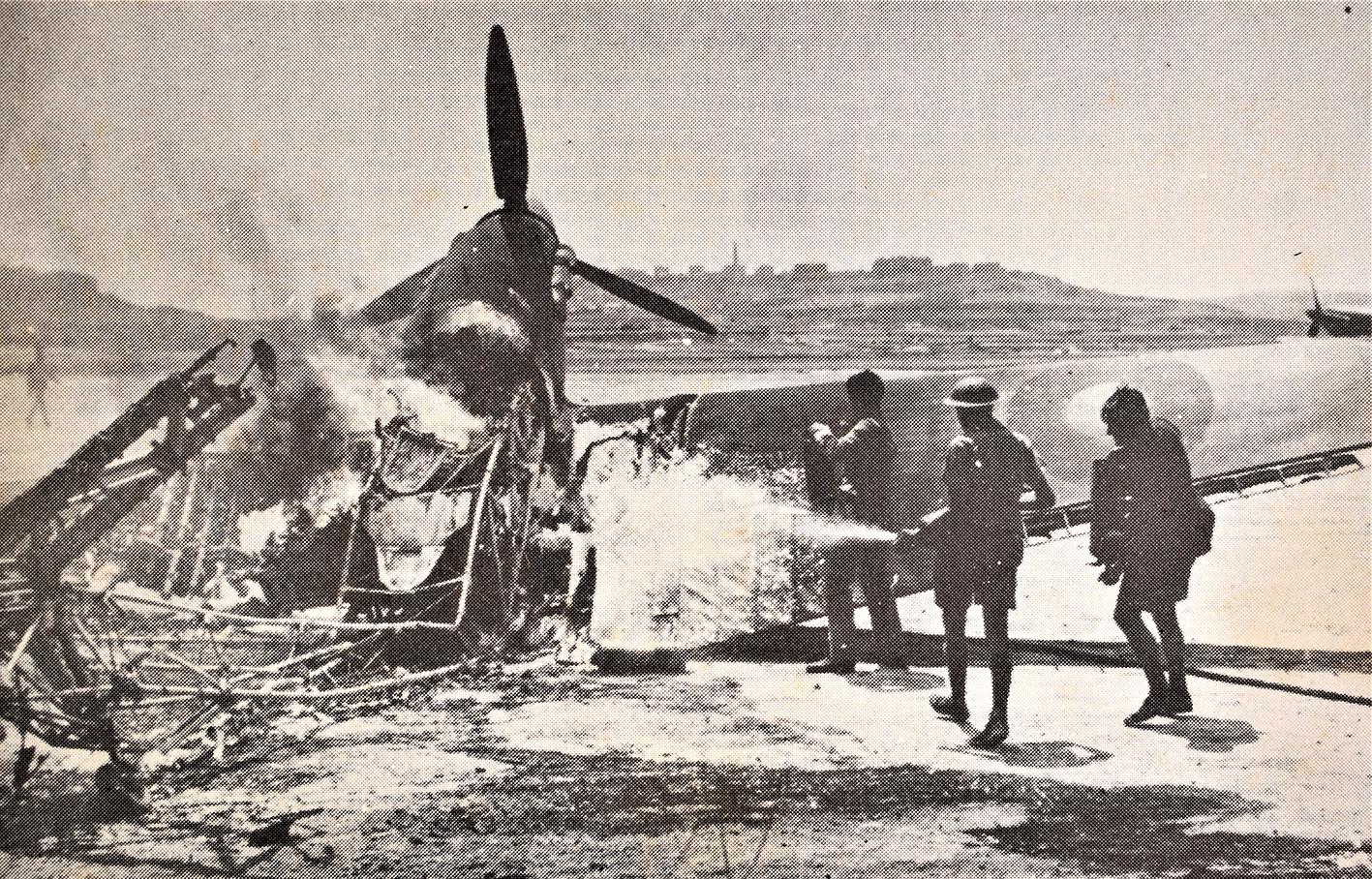
A Hurricane aircraft on fire at Ta’ Qali airport during World War II.
Flying heavier-than-air machines represents an intrinsically hazardous activity, so it is no surprise that our islands had to suffer recurrent aircraft accidents, even in peacetime, due to engine failure, unforgiving weather, human error, fire, enemy action, collision or even sabotage.
 A Fairey Flycatcher crashed at Ħal Far on February 16, 1932.
Plenty of research has gone into documenting systematically literally hundreds of aviation incidents – see Colonel Mark Said’s Broken Wings, which meticulously records in all available detail these human and technological disasters, often tragedies.
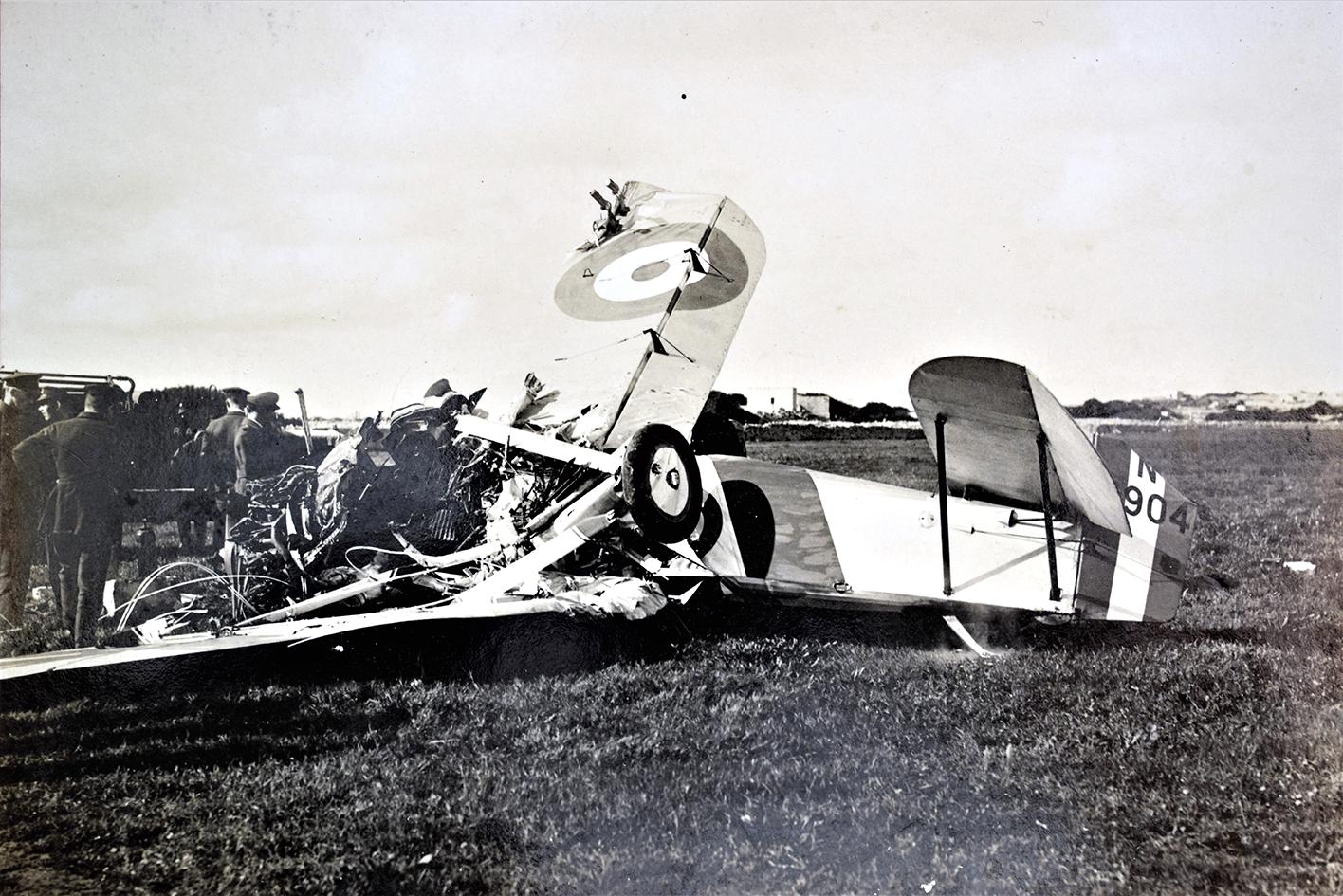 Another view of the remains of the Fairey Flycatcher that crashed in Ħal Far on February 16, 1932.
I have neither the intention nor the competence to go over the same ground. I have trawled through my collections of early postcards and photographs to compile this short, and, hopefully, representative, sample of early airborne failure.
Every aviation accident that truncated a life deserves remembrance as nothing about violent death should ever be allowed to fade into forgettable routine. But I will mention only two flying incidents that stand out – for entirely different reasons.
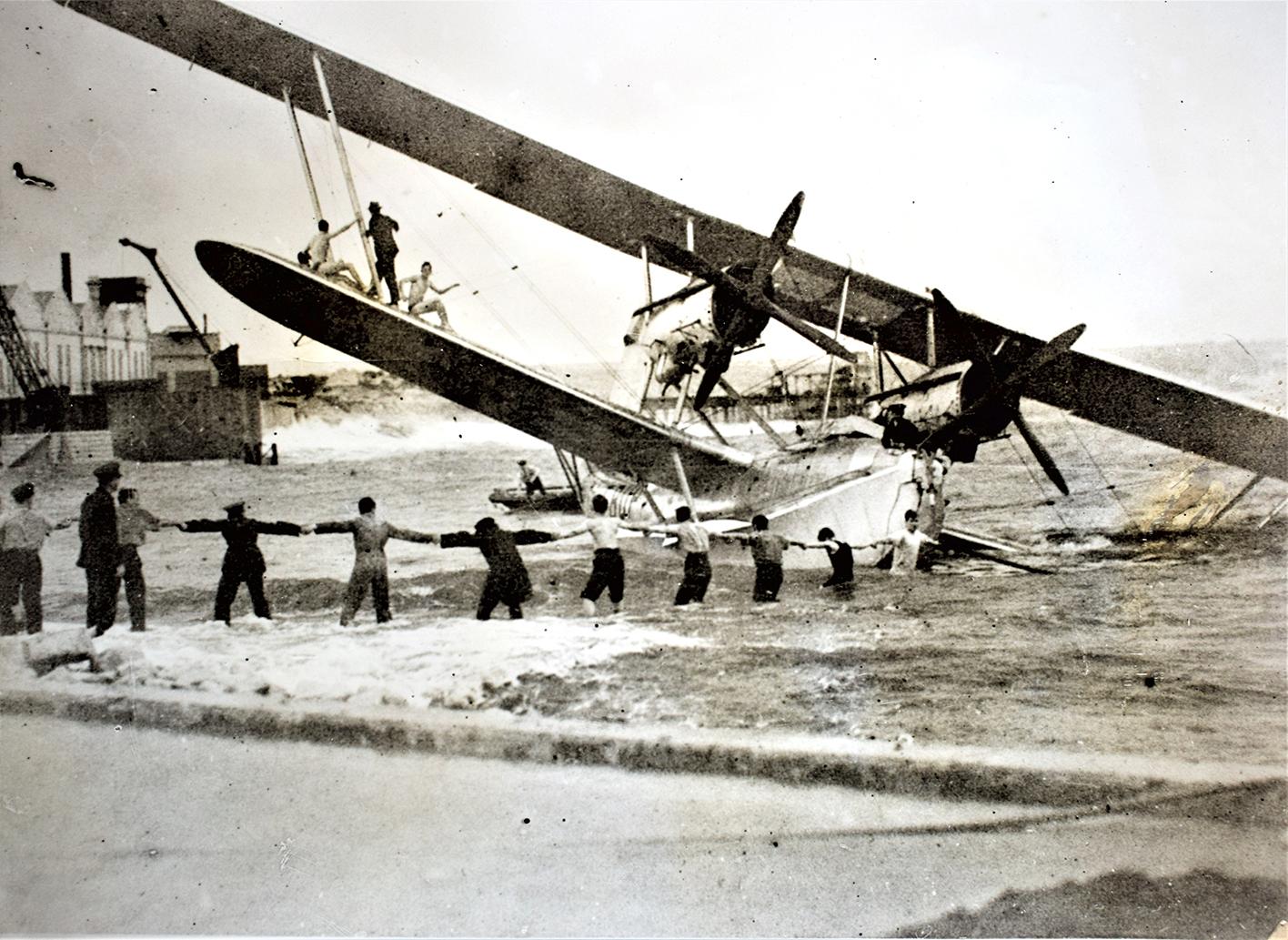 Sir Alan Cobham, one of the most renowned aviators of all times, had his huge Short Singapore seaplane severely damaged by gale force winds in Malta in November 1927.
The first concerns Sir Alan Cobham, one of the most legendary of aviators, a pioneer of long-distance flight and a staunch believer in the future of civil aviation. His long-planned circumnavigation of Africa in 1927 received a major setback in Malta when his huge and awkwardly manoeuvrable Short S.5 Singapore seaplane was caught in violent gales and heavily battered. He landed on November 24 to refuel but repairs lasted up to January 21 of the following year.
Closer to our times, the crash of the Vulcan bomber, right in the densely inhabited centre of Żabbar on October 15, 1975.
 Another view of the remains of the Vulcan bomber that crashed in Żabbar on October 14, 1975, killing all five crew.
The two pilots managed to eject and survive the accident but all five members of the crew in the rear of the aircraft and one Żabbar resident, Vincenza Zammit, lost their lives, and the resulting damage to property was extensive.
All images from the author’s collection.
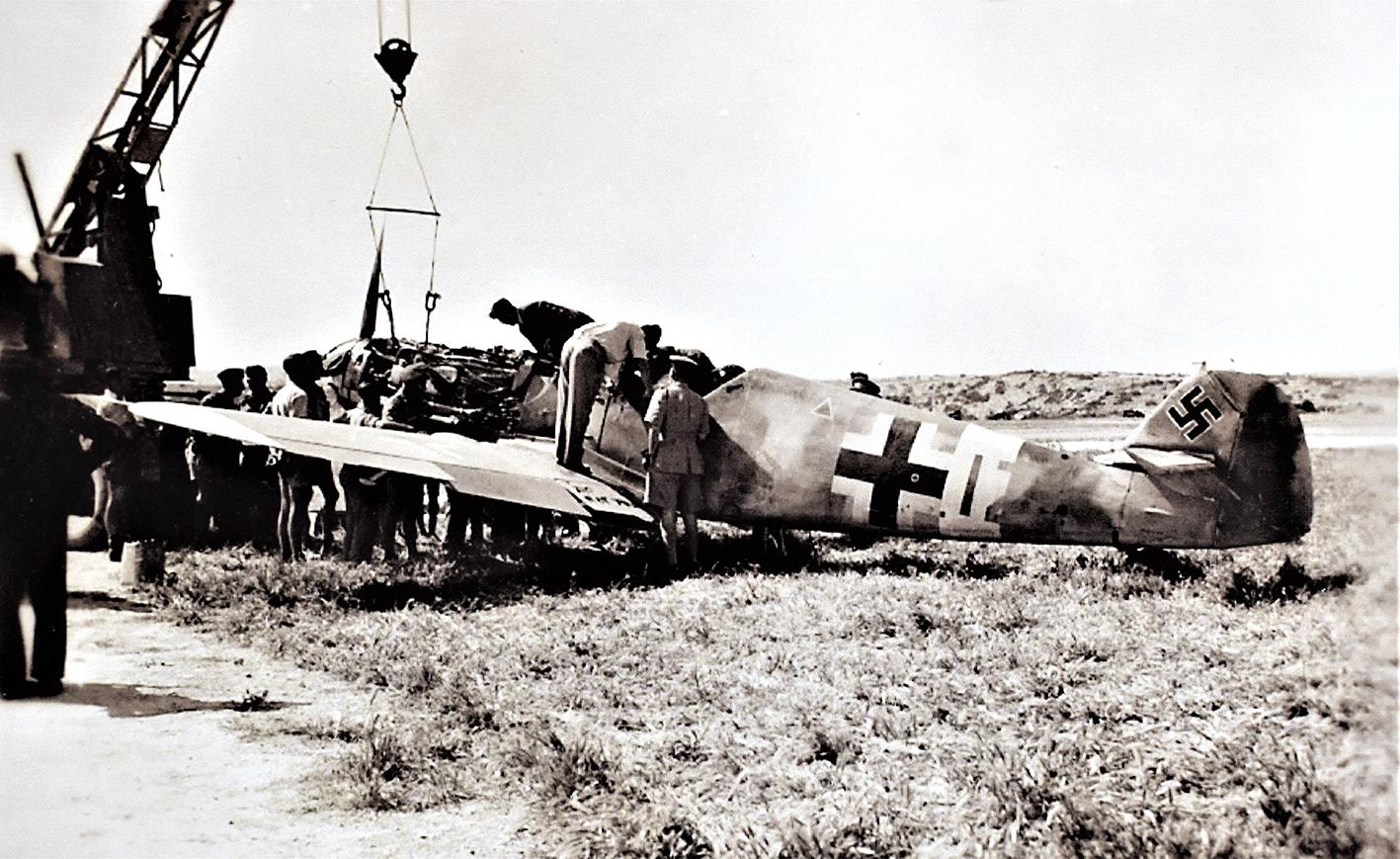
A German Messerschmitt 109 fighter downed in 1942 in Malta by anti-aircraft defences.
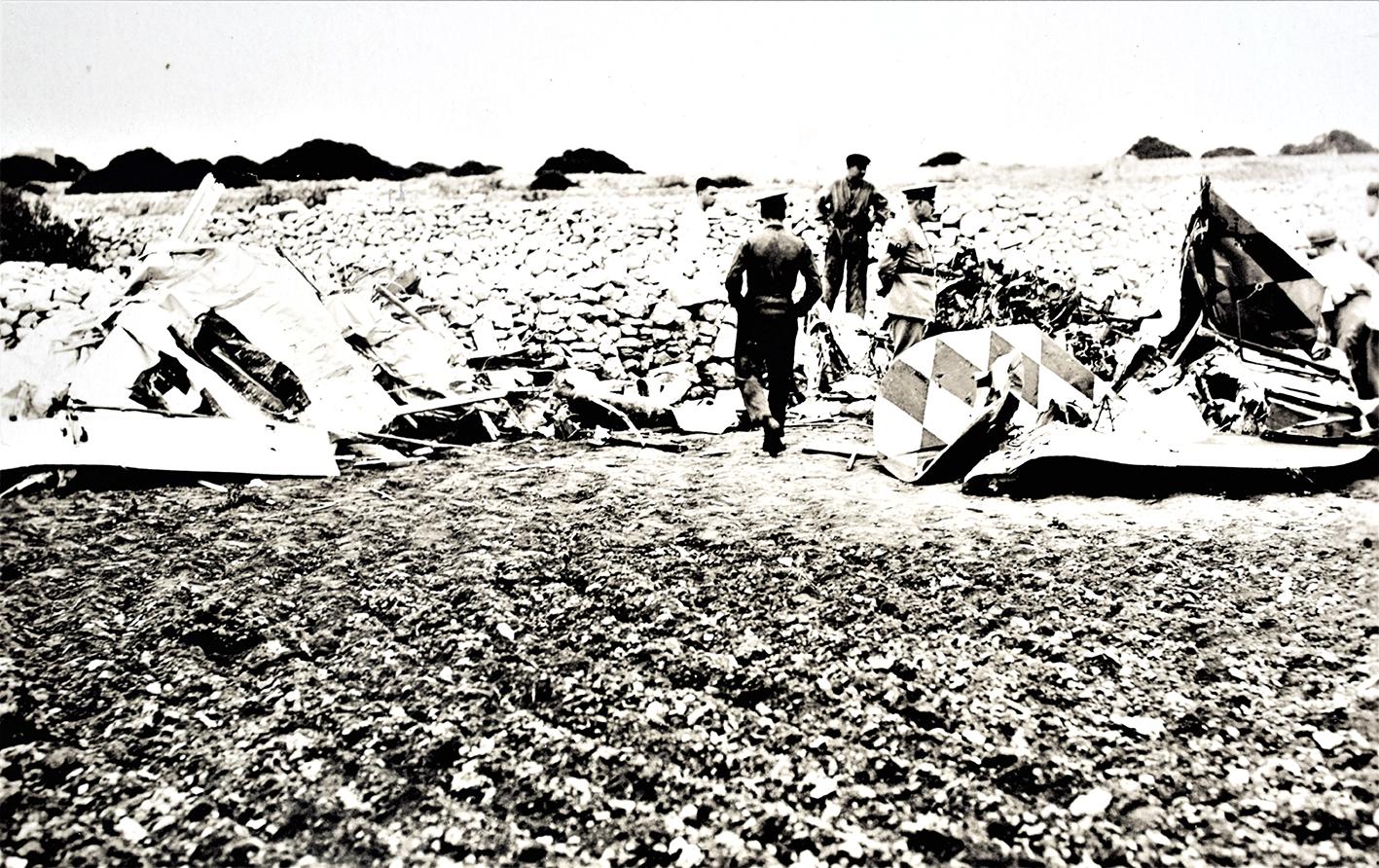
Leading aircraftman Edward Barker, a Briton aged 22, stationed at Ħal Far, lost his life when his parachute failed to open on October 15, 1930.