In pictures: Early banking in Malta
Banking has a long, convoluted local history that includes the flourishing of APS Bank, misadventures of the BICAL Bank and of Pilatus Bank, and hijack of the National Bank
In the Maltese islands, banking can look back to a long and convoluted history, partly routine, partly virtuous, partly on the verges of criminality.
Considering the impact banks have on everyday lives, the visual record they left behind proves meagre indeed.
I have only found a few old postcards with a banking theme – all of them promotional rather than carriers of postal messages.
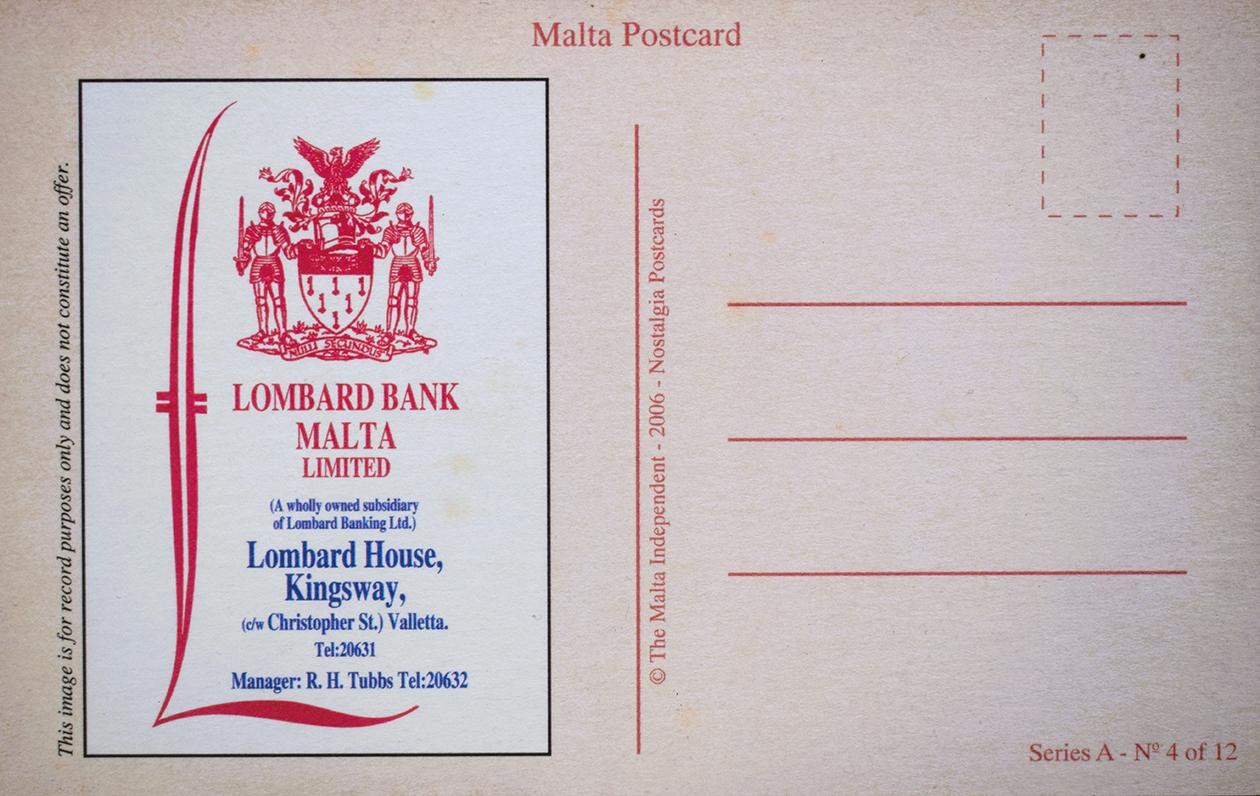 Lombard Bank, founded in 1955, issued these promotional postcards.
Banks have left their mark in history, including linguistics. The iconic banker Marquis Giuseppe Scicluna (1840) was ‒ and is still referred to ‒ as iċ-Ċisk, as his bank is reputed to have first popularised cheques as an adjunct of its business – hence the illiterate’s corruption of the word.
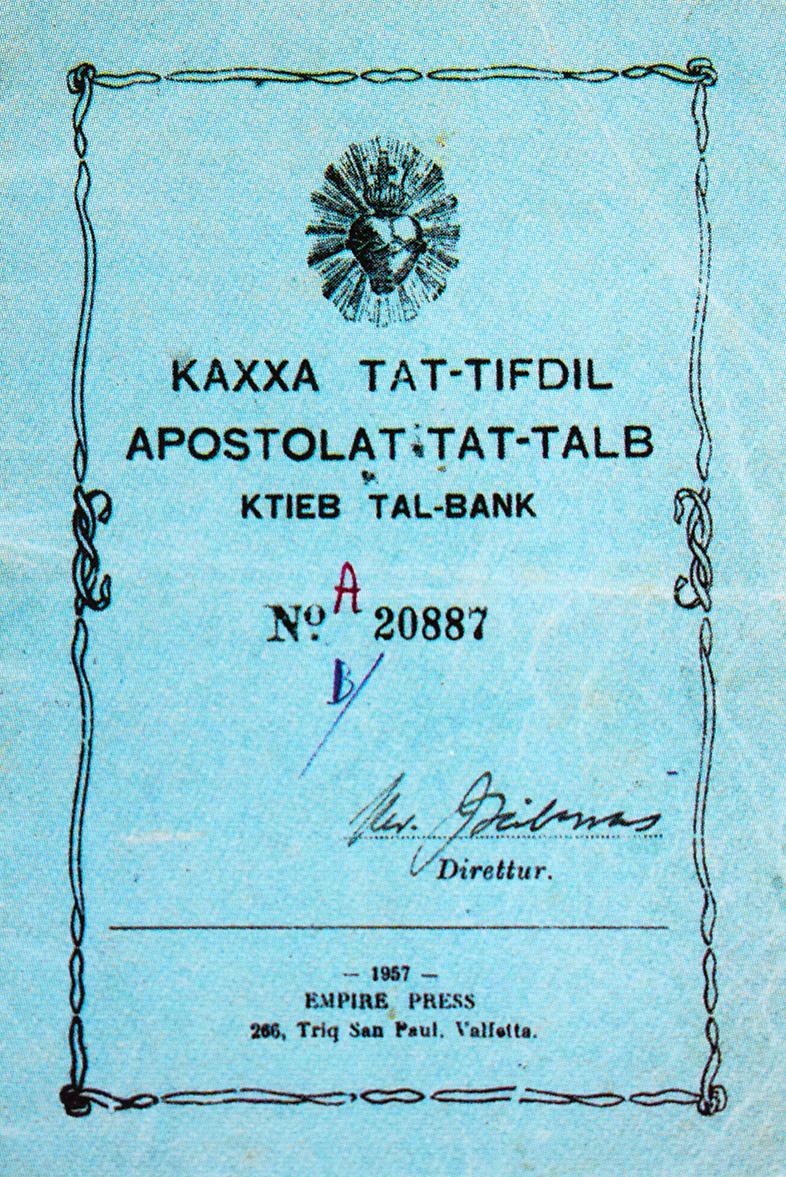
A 1957 deposit book of The Apostleship of Prayer Bank (founded in 1910), now known as the APS Bank.
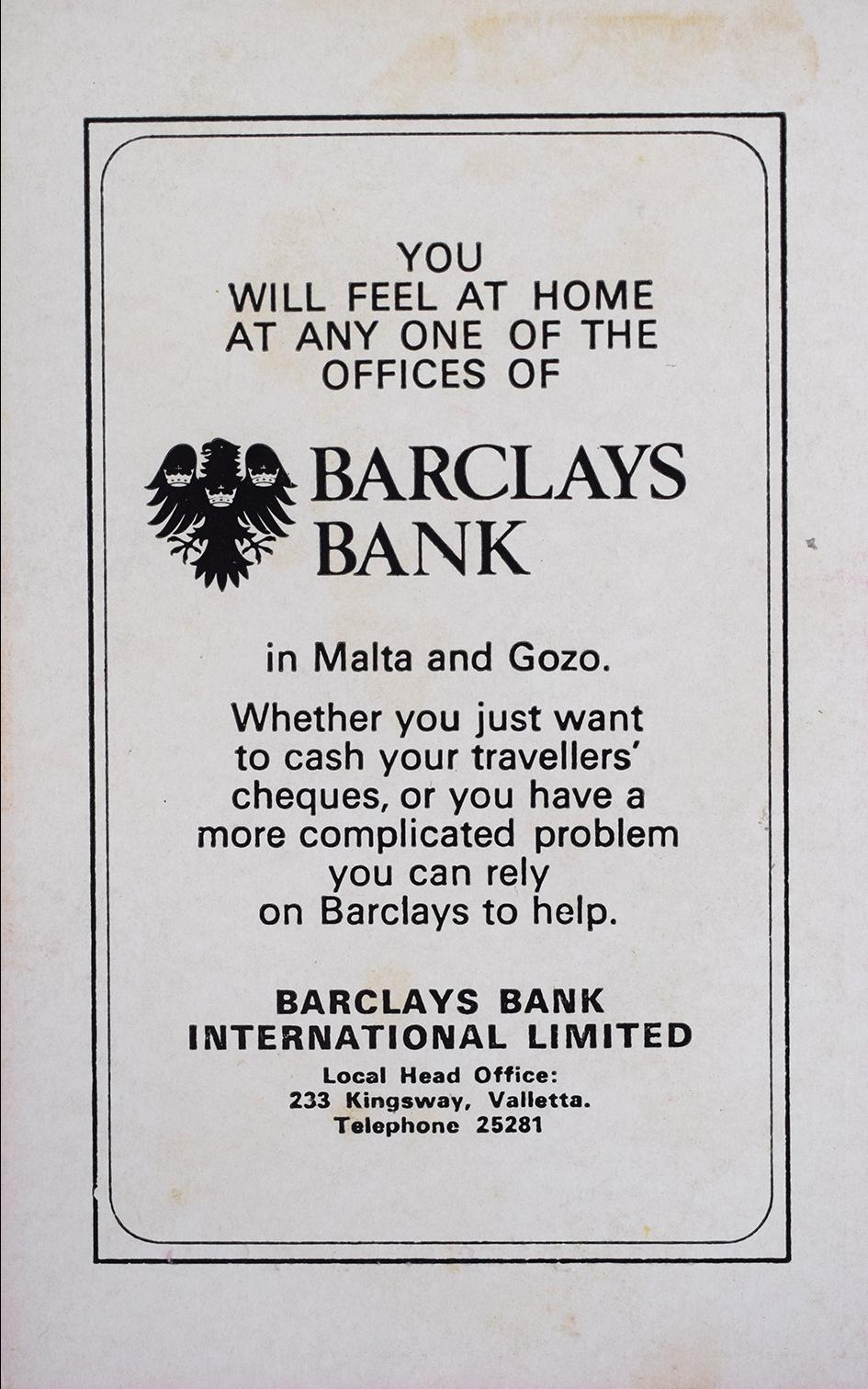
One of a set of cards issued by Barclays Bank in the 1950s; all have Gozo images on the picture side.

Early postcard of the 'Banco di Roma' that opened a branch in Valletta in 1911 in the Hotel de Verdelin, Bishop Street.
Malta has witnessed the Bank of Apostleship of Prayer, a pious philanthropic financial institution, one of the Church’s humble social services, blossomed into the flourishing APS Bank.
We have seen the misadventures of the questionable Bank of Alderney, of the BICAL Bank and of Pilatus Bank, all scarring the political panorama ‒ wounds time finds difficult to heal.
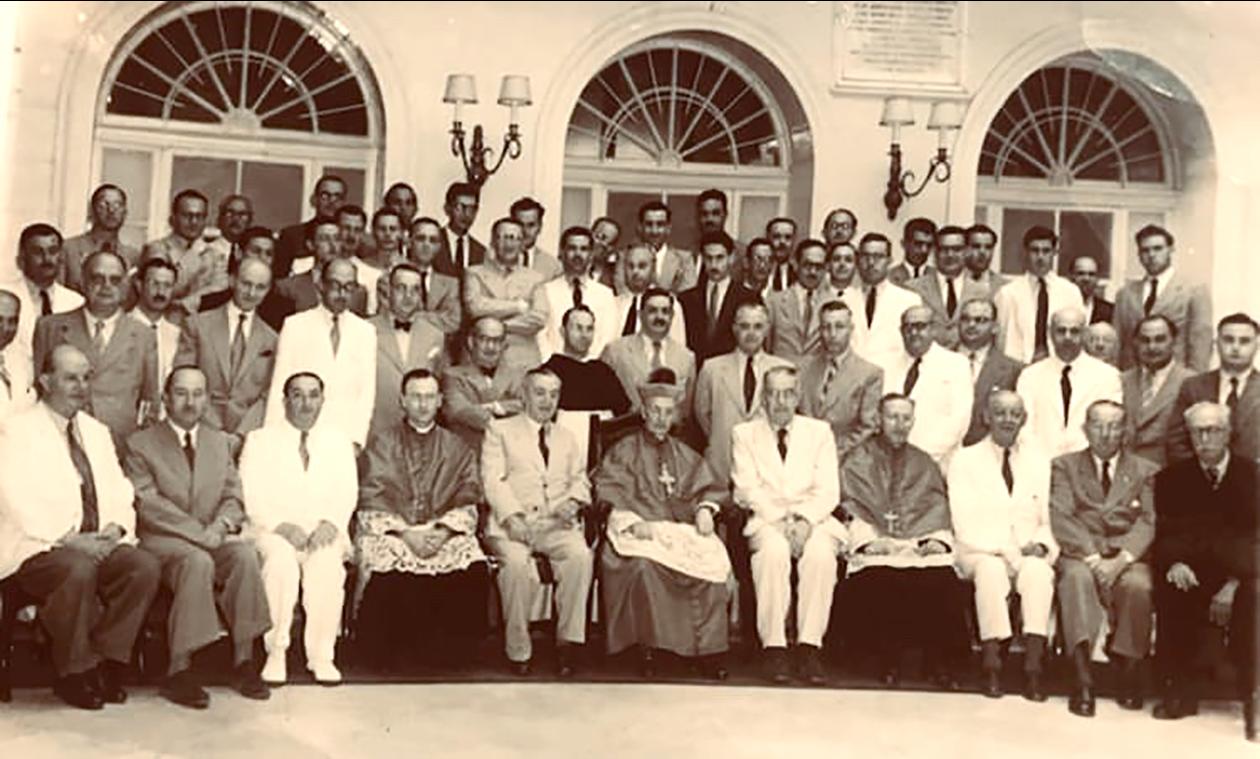 Group photo of the 1946 ceremony marking the merger of the Anglo-Maltese Bank and the Banco di Malta to form the National Bank.
And the highjack of the National Bank, which gave a new meaning to Bertolt Brecht’s immortal question: what is the robbing of a bank compared to the founding of a bank? There was a time when the edifices housing banks had a distinctive branding by style.
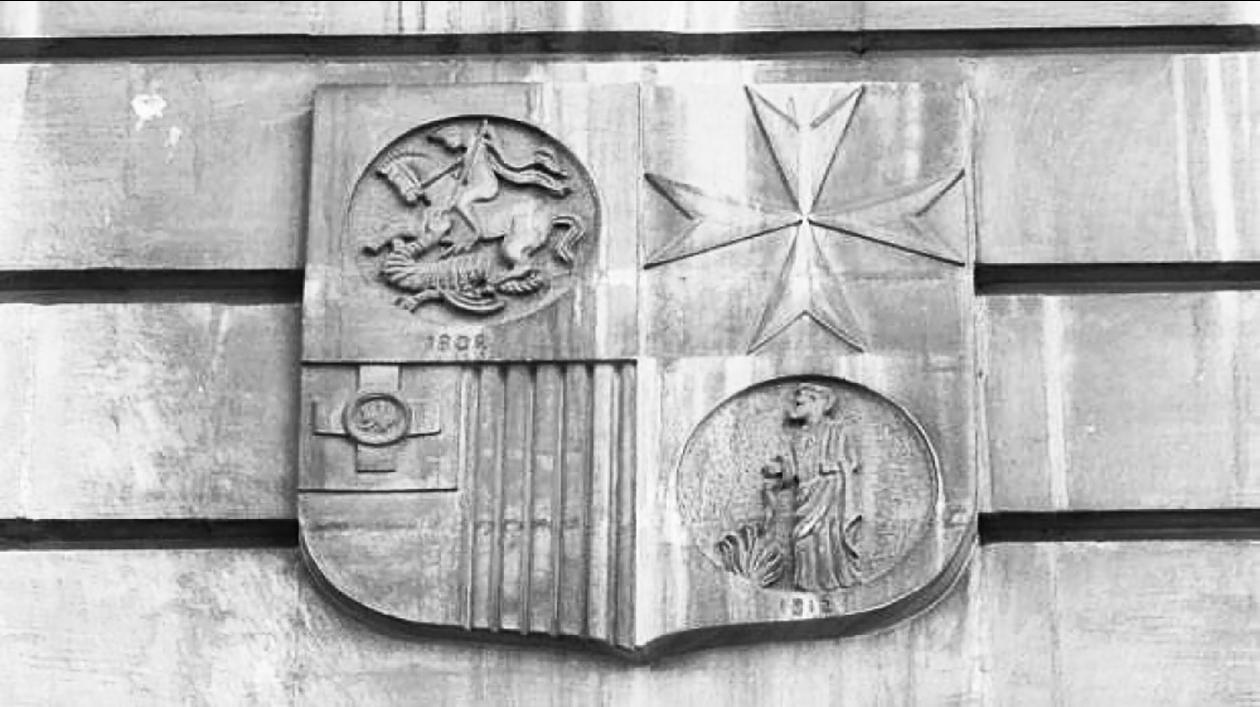
The emblem of the National Bank, founded in 1946, on its 'Strada Rjali' headquarters
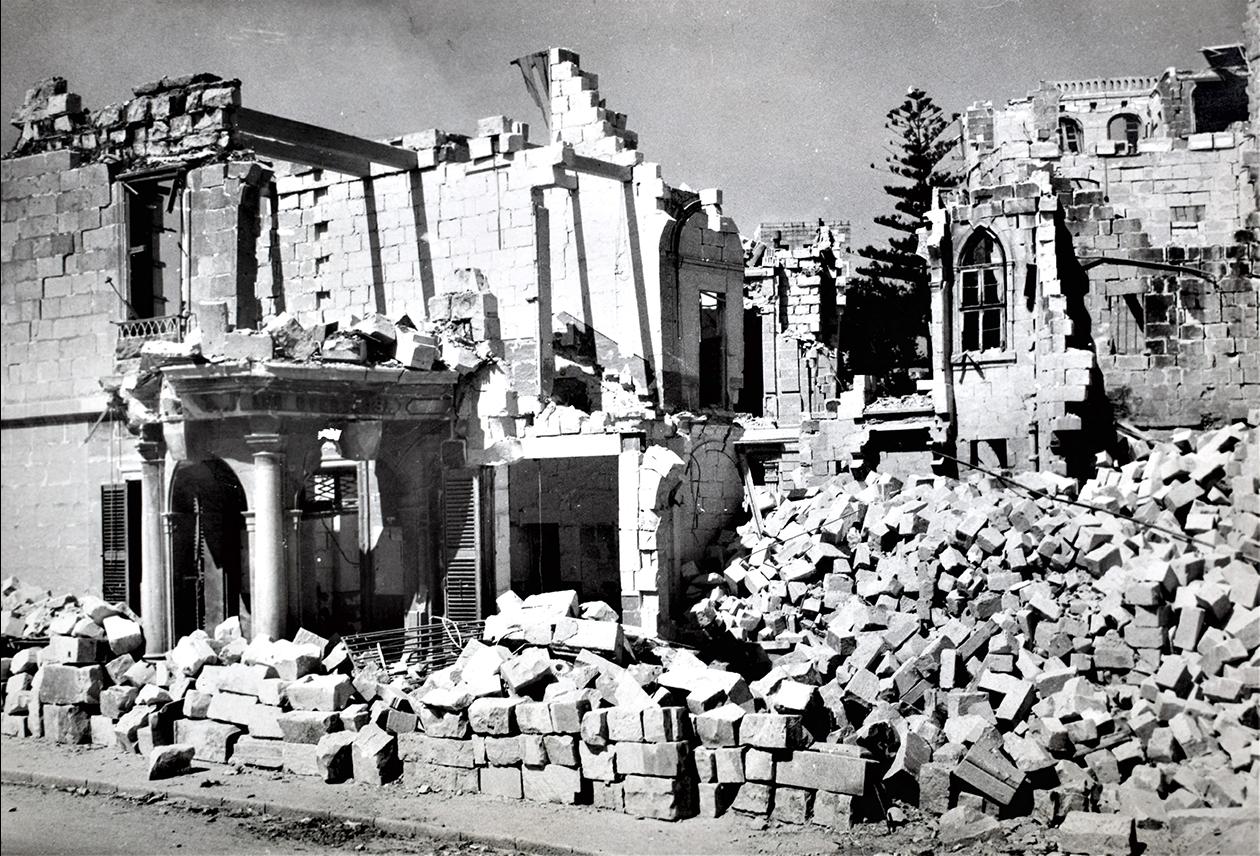
A Barclays Bank branch in Sliema was heavily damaged during World War II.
Richard England designed new Barclays Bank branches; Bank of Valletta identified better with traditional bourgeoise architecture. The present headquarters of HSBC, Bank of Valletta and APS faced the creativity of Malta’s periti with fresh challenges.
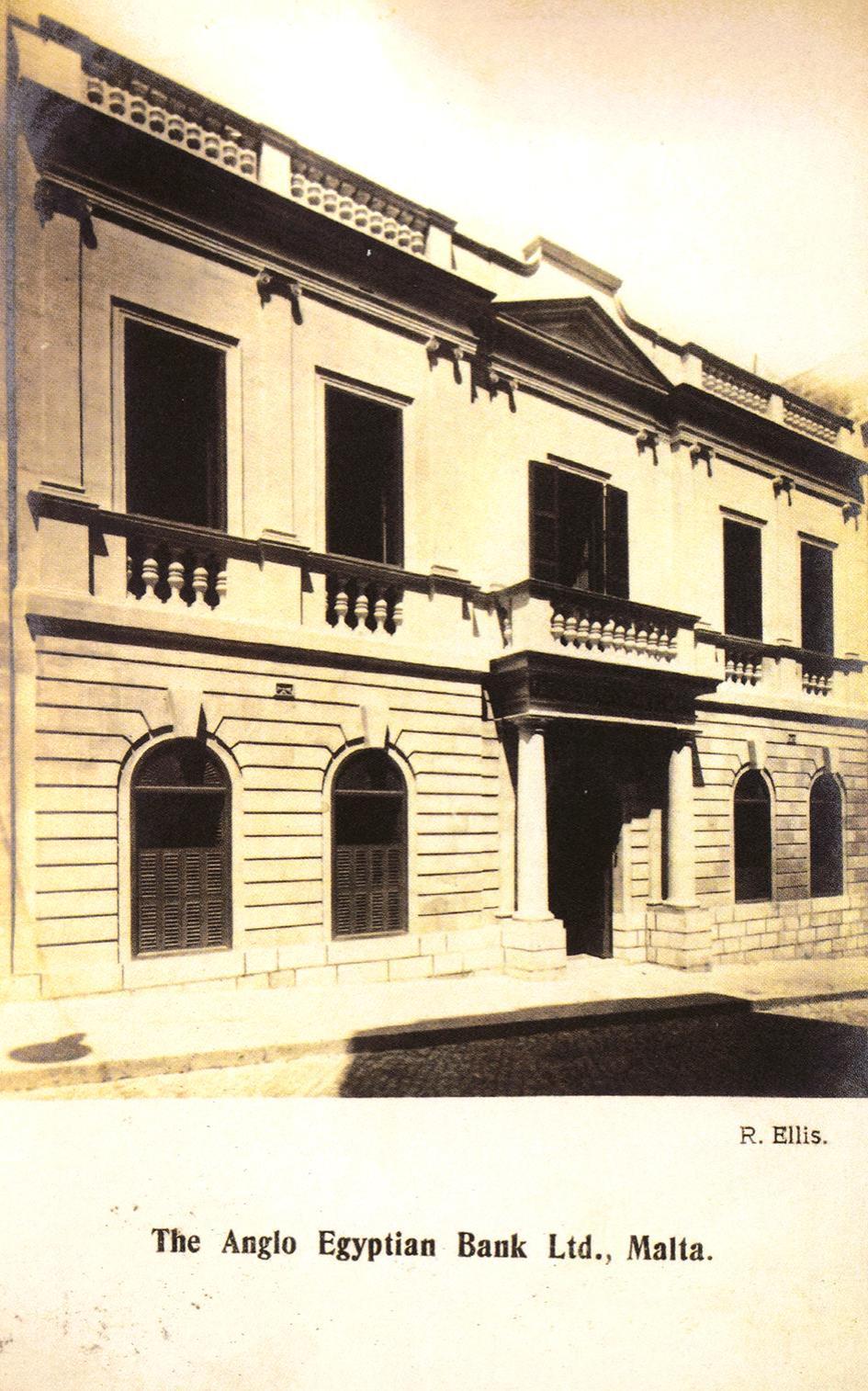
1910s postcard of the Anglo-Egyptian Bank, Strada Reale, Valletta, later the main premises of Barclays Bank.
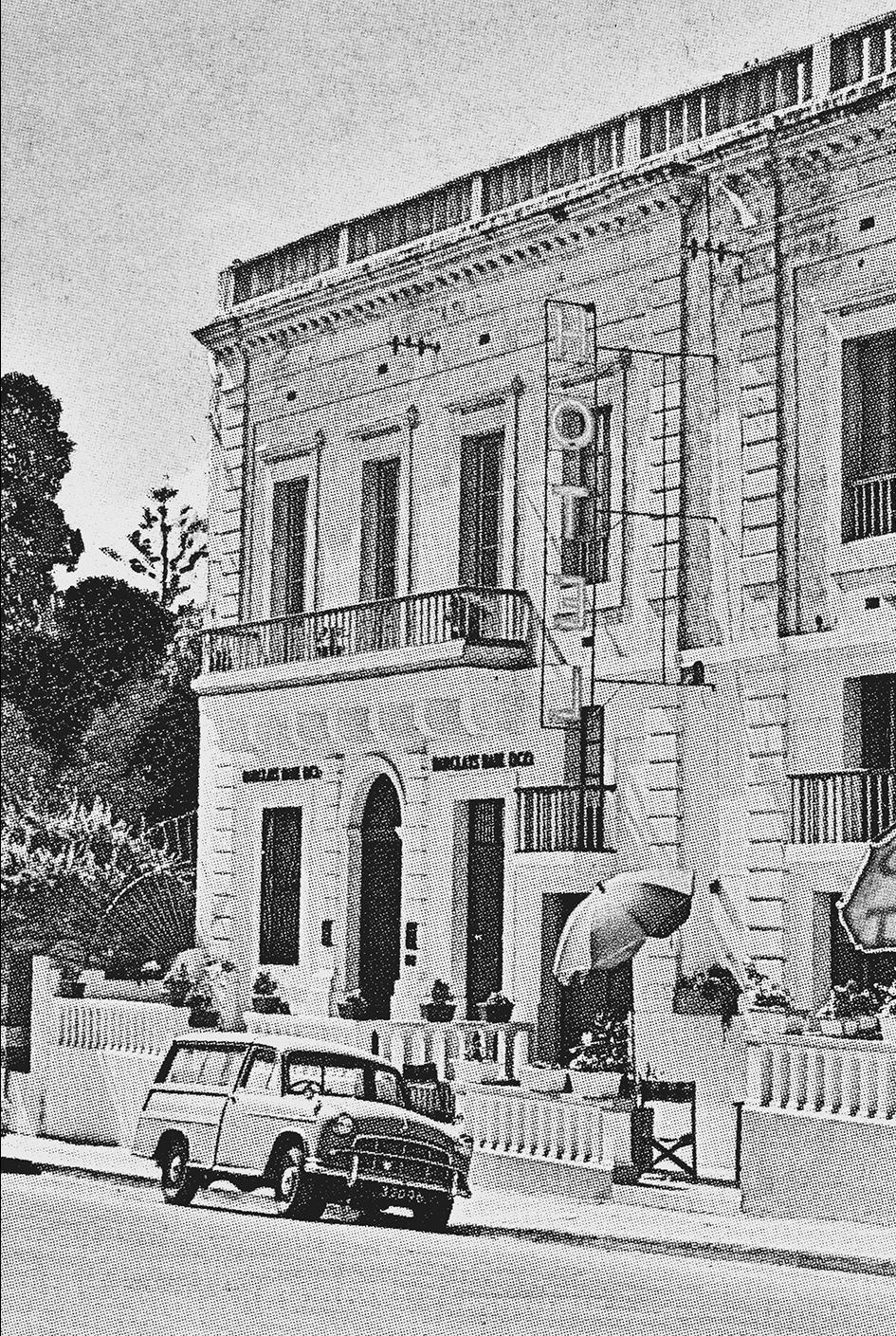
The original Barclays Bank branch in Victoria in the late 1950s.
No mainstream postcard publisher believed it profitable to include banks or bank-related themes in their voluminous sets. I have only traced three pre-war instances but these were one-offs by the Anglo-Egyptian Bank, the Banco di Roma and the private Victoria Bank.
All images from the author’s collections
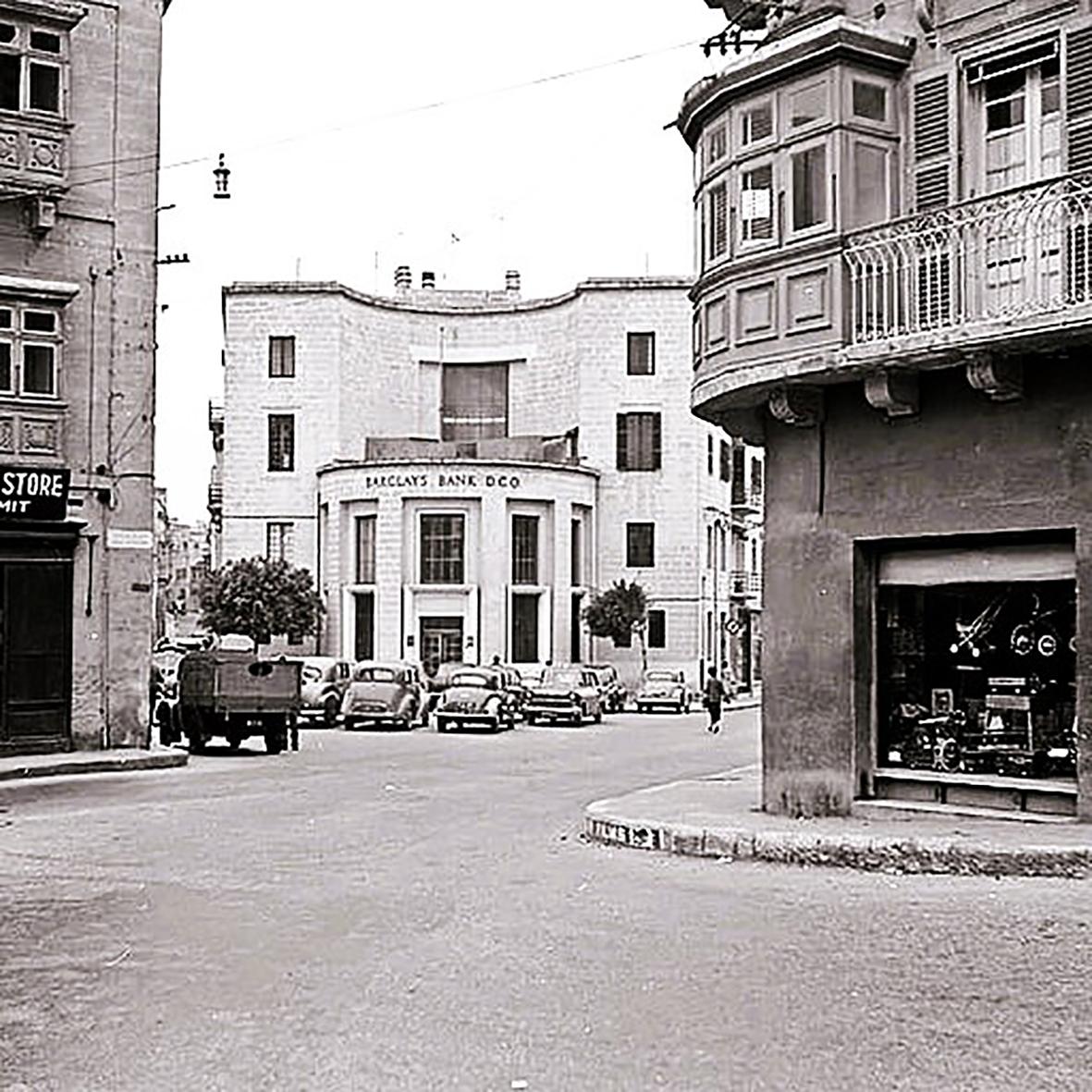
The Sliema Barclays Bank branch in 1958
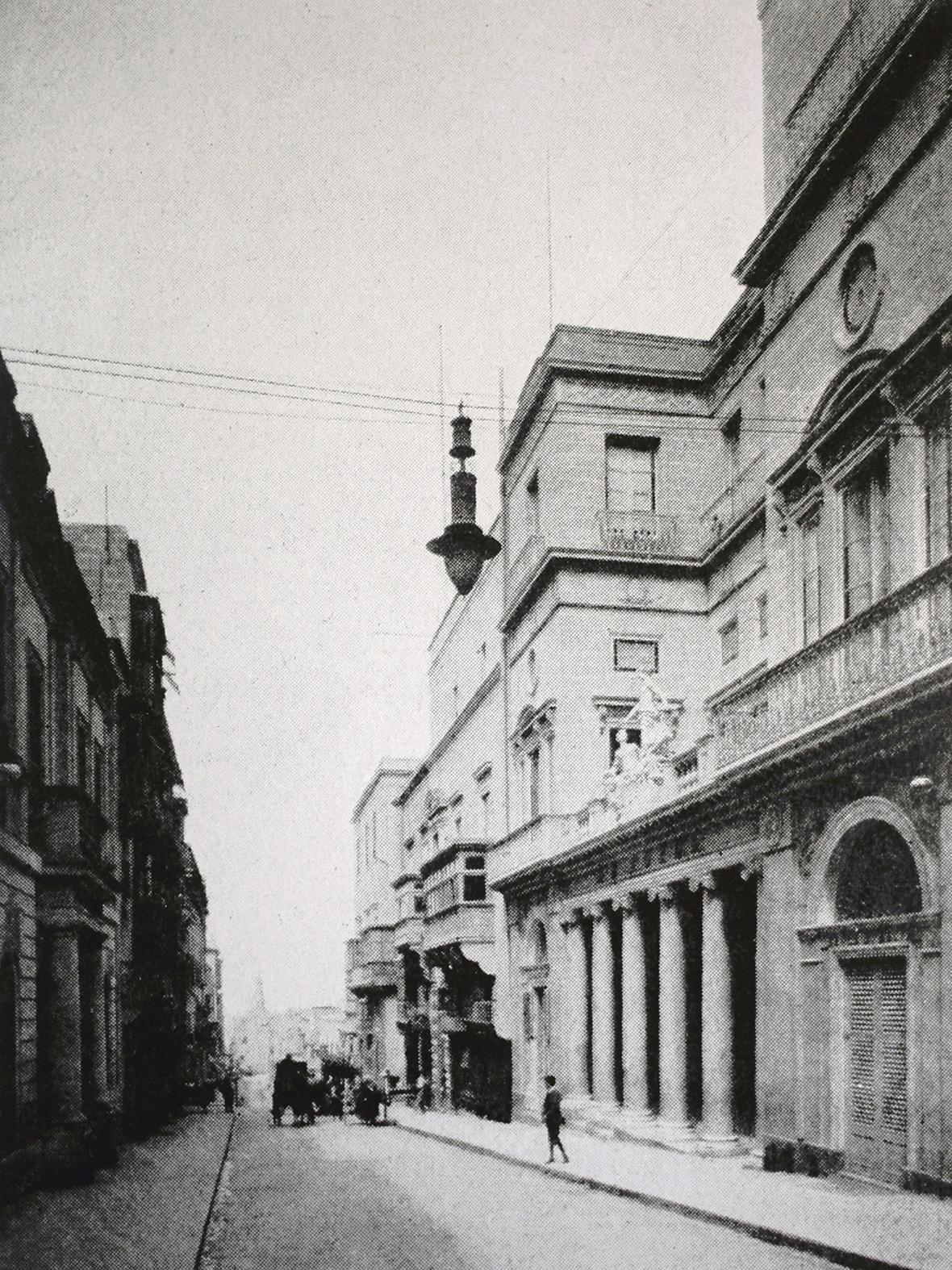
The Exchange Building, Valletta, built in 1857, housed two banks: the Anglo-Maltese and the Banco di Malta.