In pictures: Early university life in Malta
For an institution that has survived over four centuries, the university has little dedicated literature to show for its long life
It would be entirely unrealistic of me to attempt a potted history of the University of Malta in a 300-word presentation. From its 1592 precursor as a college of higher education willed by the Jesuits, through its painful morphing into a fully-fledged university in 1769, the institution went through dramatic, roller-coaster times, some to be proud of, others best overlooked.
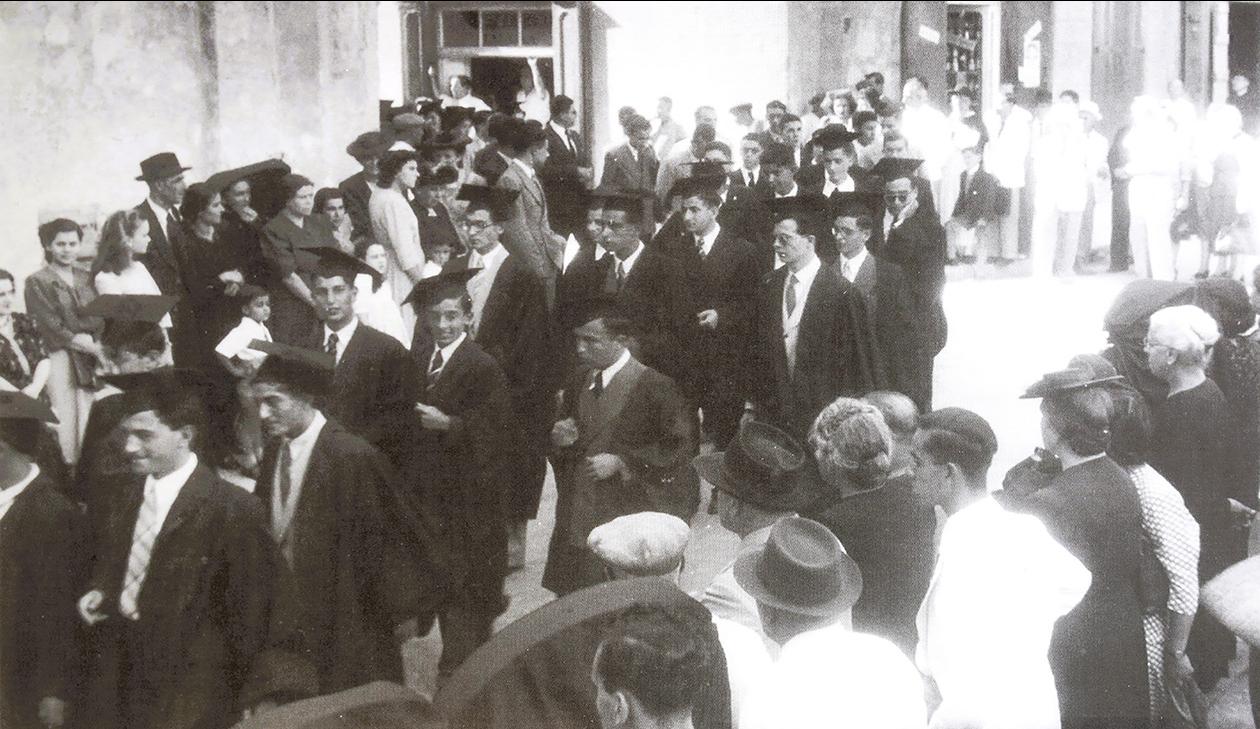 The opening of the 1948 academic year
For an institution that survived over four centuries, it has little dedicated literature to show for its long life. I know of only two books that concentrate mainly on university life in Malta – Eric Shepherd’s 1926 Malta and Me and Edoardo Magri’s 1937 Dal Mio Taccuino Universitario.
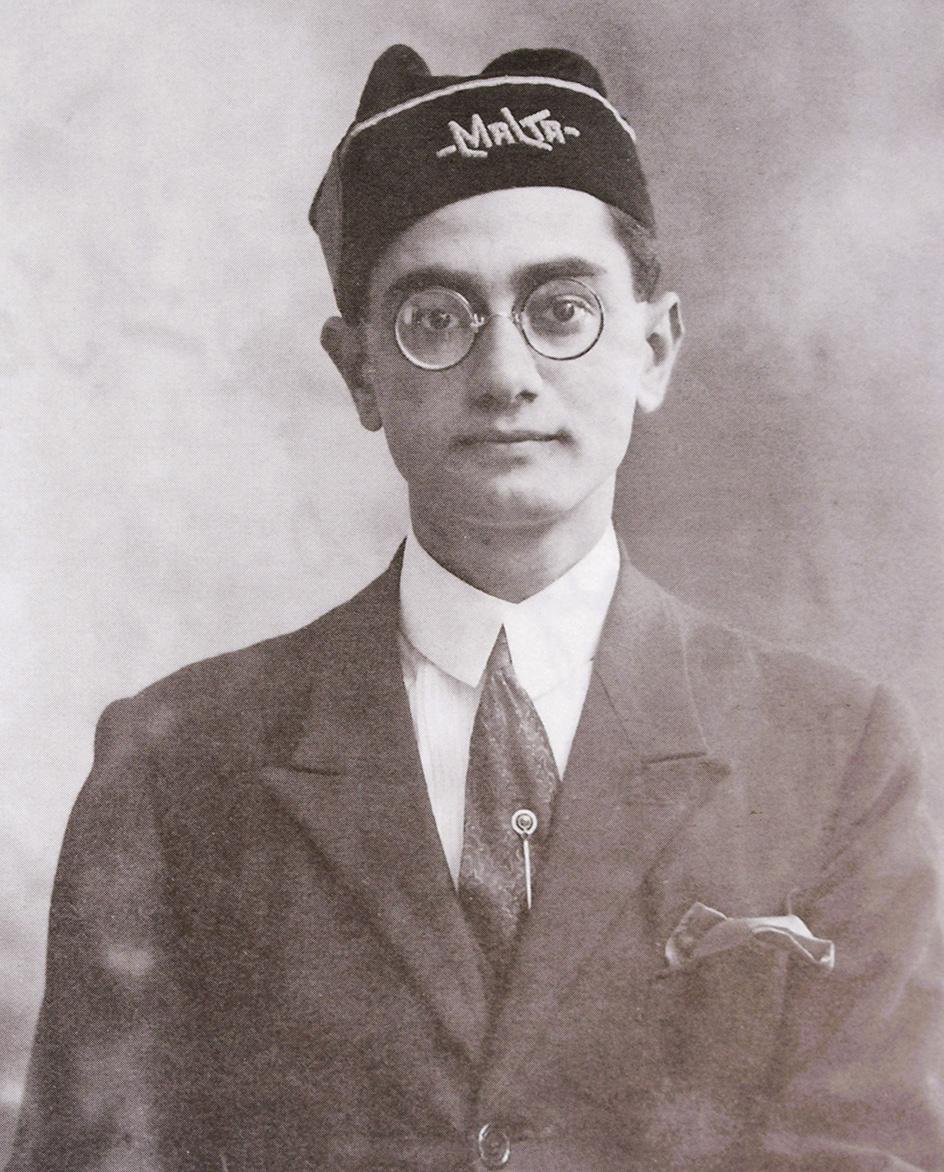
An undergraduate in 1923, wearing the distinctive Malta University cap.

A university graduate from Cottonera, 1920s
Shepherd came here in 1920 as professor of English, hated every moment of his stay in Malta (he adored Gozo), packed his bags and left in a major huff, to record his squalid Malta experiences in an epic but vitriolic book about the mediocrity, meanness and false sense of entitlement of the student body.
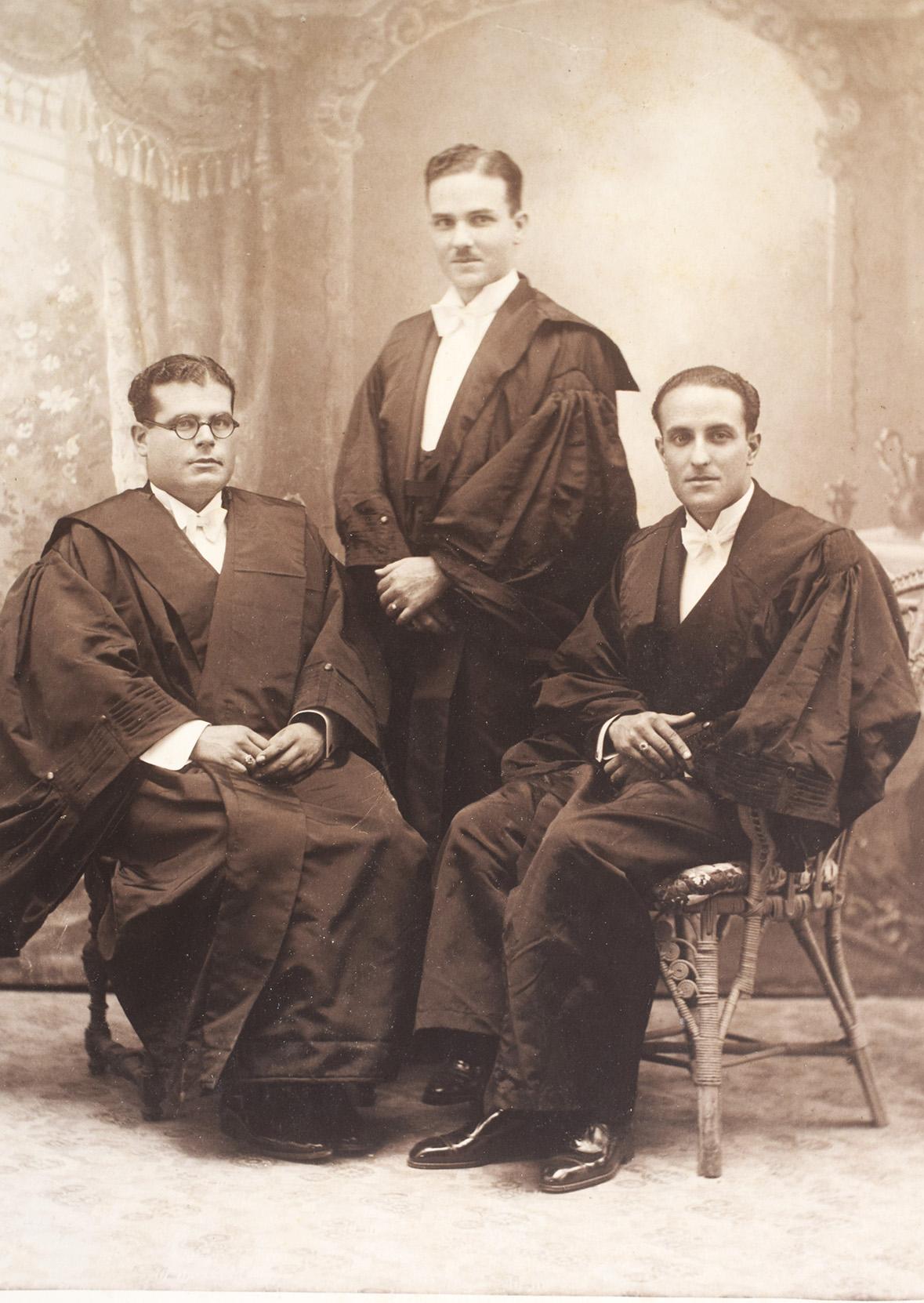
Three law graduates in 1934 – Francis Chetcuti, Joseph Xuereb and Edoardo Magri
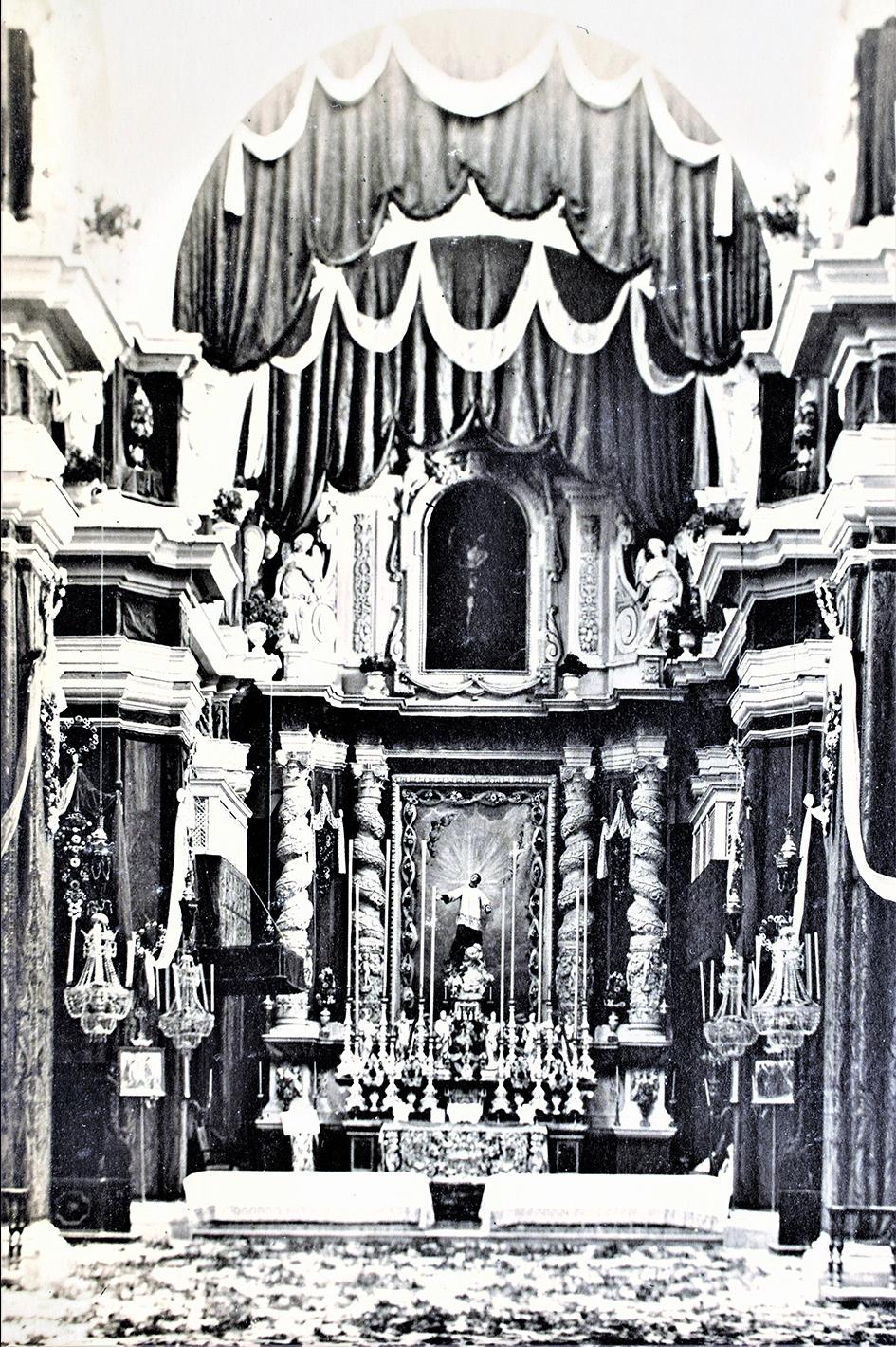
The Jesuit church, 1920s, Valletta, used by the university for most of its solemn functions.
It’s a good thing he was not around when Malta became the one country in the whole democratic world that feels the only way to get people interested in tertiary education is to bribe them. Another l-aqwa fid-dinja!
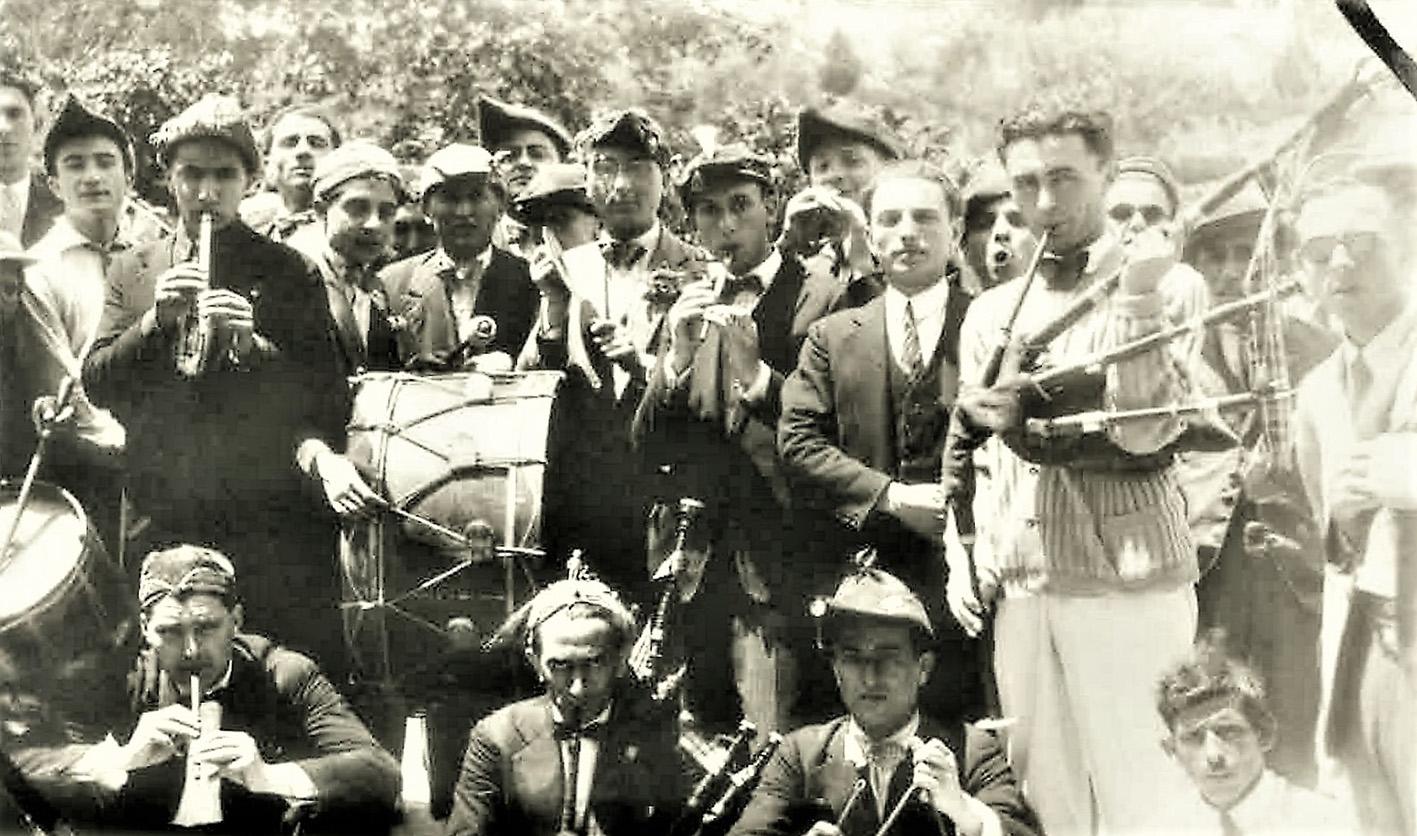 A joint picnic by Maltese and Italian undergraduates to Buskett in 1926
The growth of the undergraduate population has been nothing but spectacular. From 800 in 1987 to over 12,000 today, spanning the widest range of disciplines, mostly taught by qualified academics.
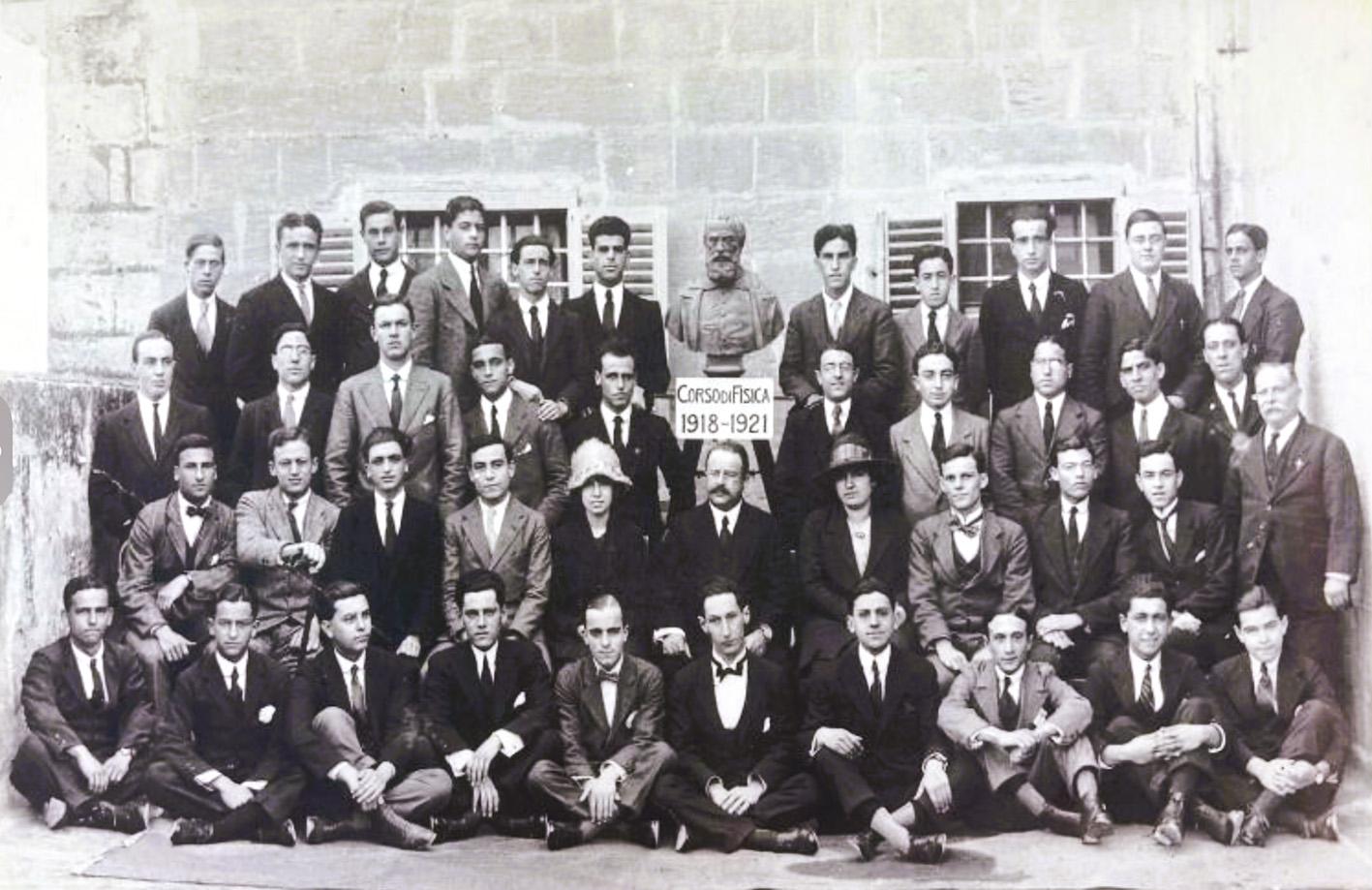 Graduation group of the university course in physics, 1921
These university pictorials will cover two aspects – normal university life and extraordinary events of some historical significance, like the Sette Giugno uprisings, the degrees honoris causa conferred on distinguished high-fliers, royal visits and collective interactions with foreign students.

Group photo of the academic and student body with rector Dr Enrico Magro, 1920s
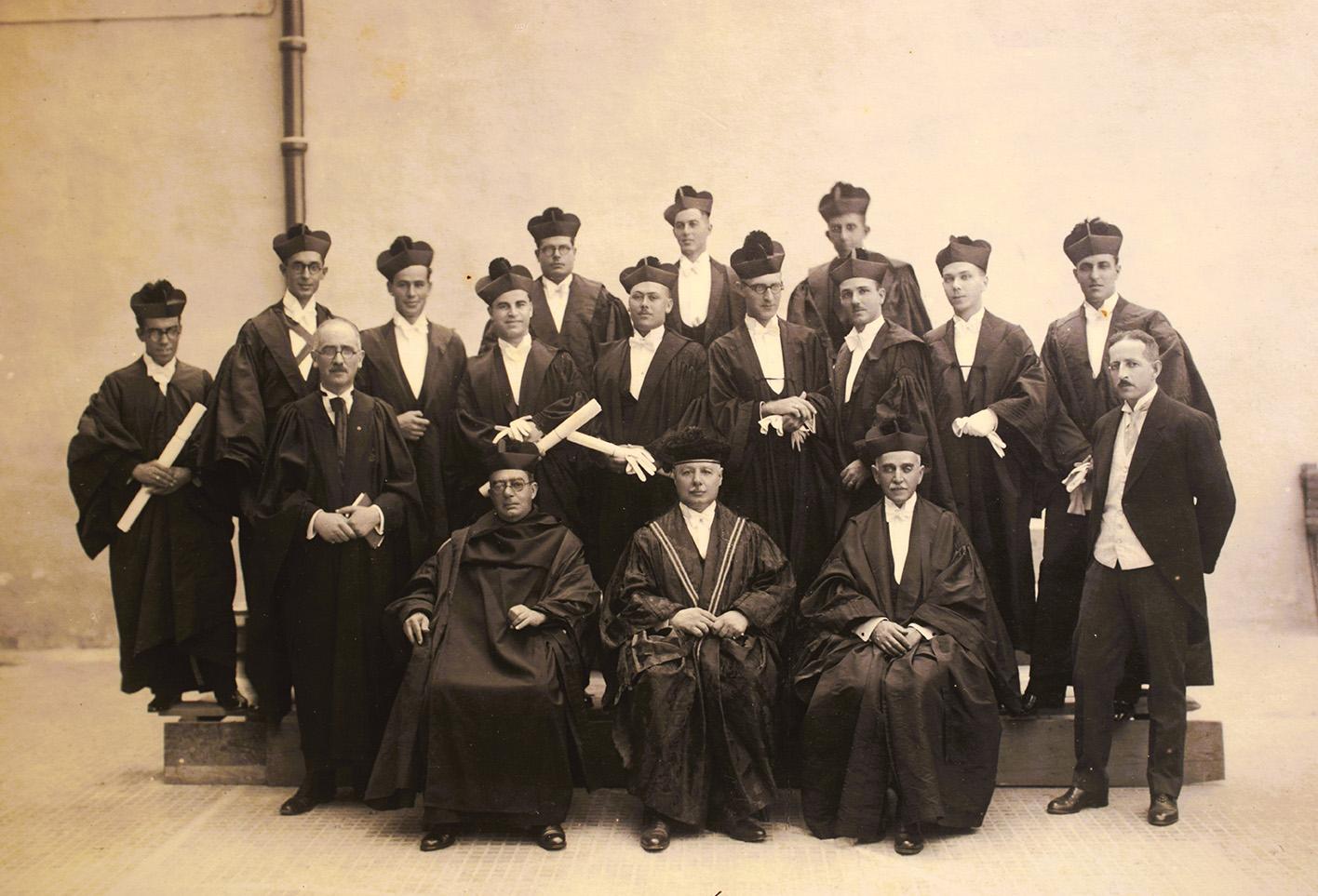
University graduates in 1934 with rector Prof. Robert Galea
Keeping in mind the wide market university events could command, early postcards and photographs prove relatively scarce, though not entirely unfindable.
All images from the author’s collections.
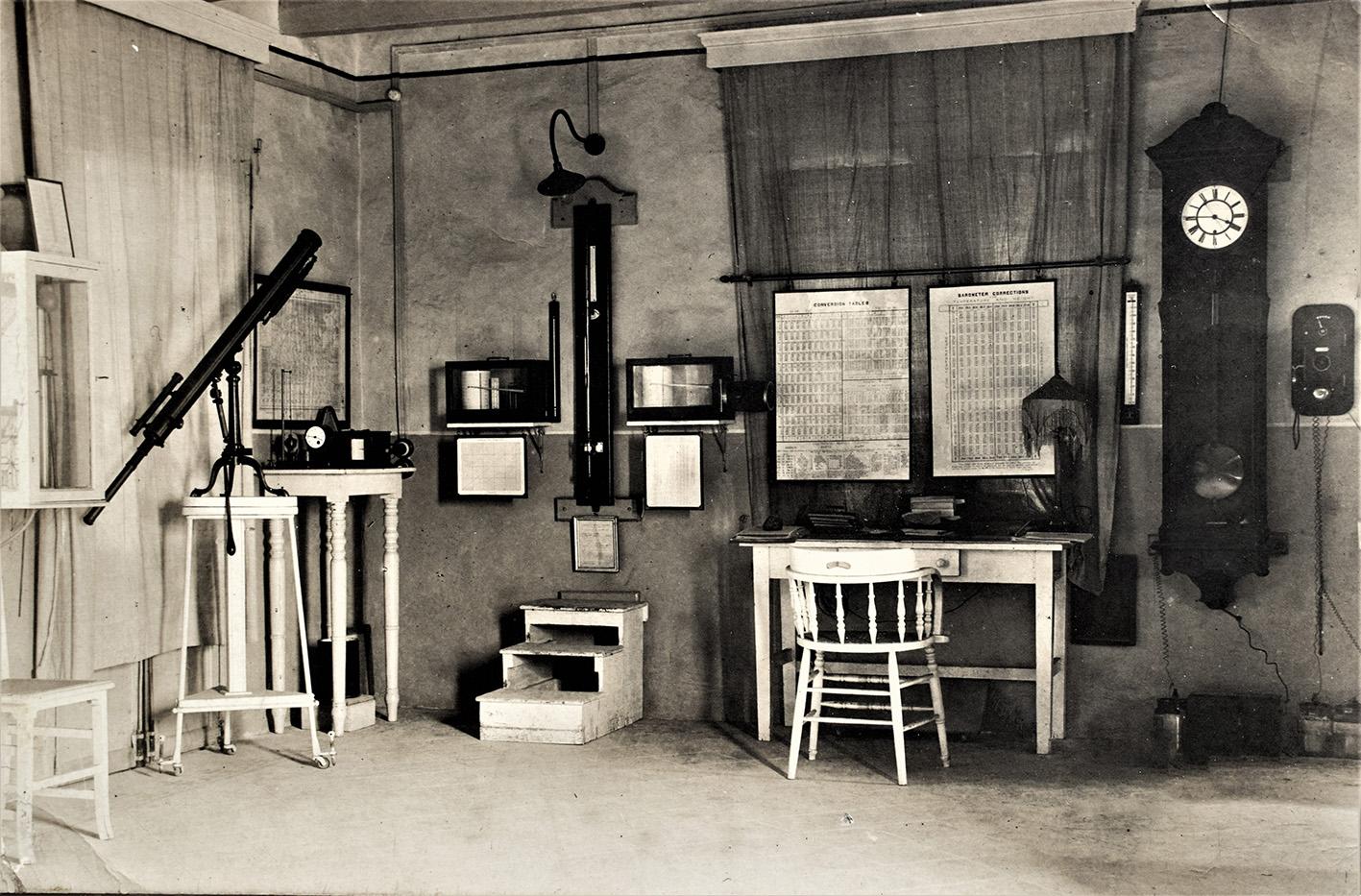 The university’s physics laboratory in 1918
 Portrait of an early woman graduate in Malta. If Giuseppina Sghendo, née Sillato, she would be the very first woman to graduate, in 1920.