In pictures: 'Għonnella' postcards by Edward Caruana Dingli
This maestro artist excelled in portraiture and in ‘folklore’ genre depictions, falling under the spell of women in 'faldetta'
Postcard publishers have consistently found Edward Caruana Dingli’s oil or watercolour paintings excellent fodder for their wares, from his youth to long after his death, and one can well understand why.
Technically impeccable compositions, fresh, pleasant, vibrant colour schemes, in which everyone appears happy, rosy-cheeked and carefree, without a hint of existential angst; on the contrary, everything advertises utopia, where people felt it their duty to live happily ever after.
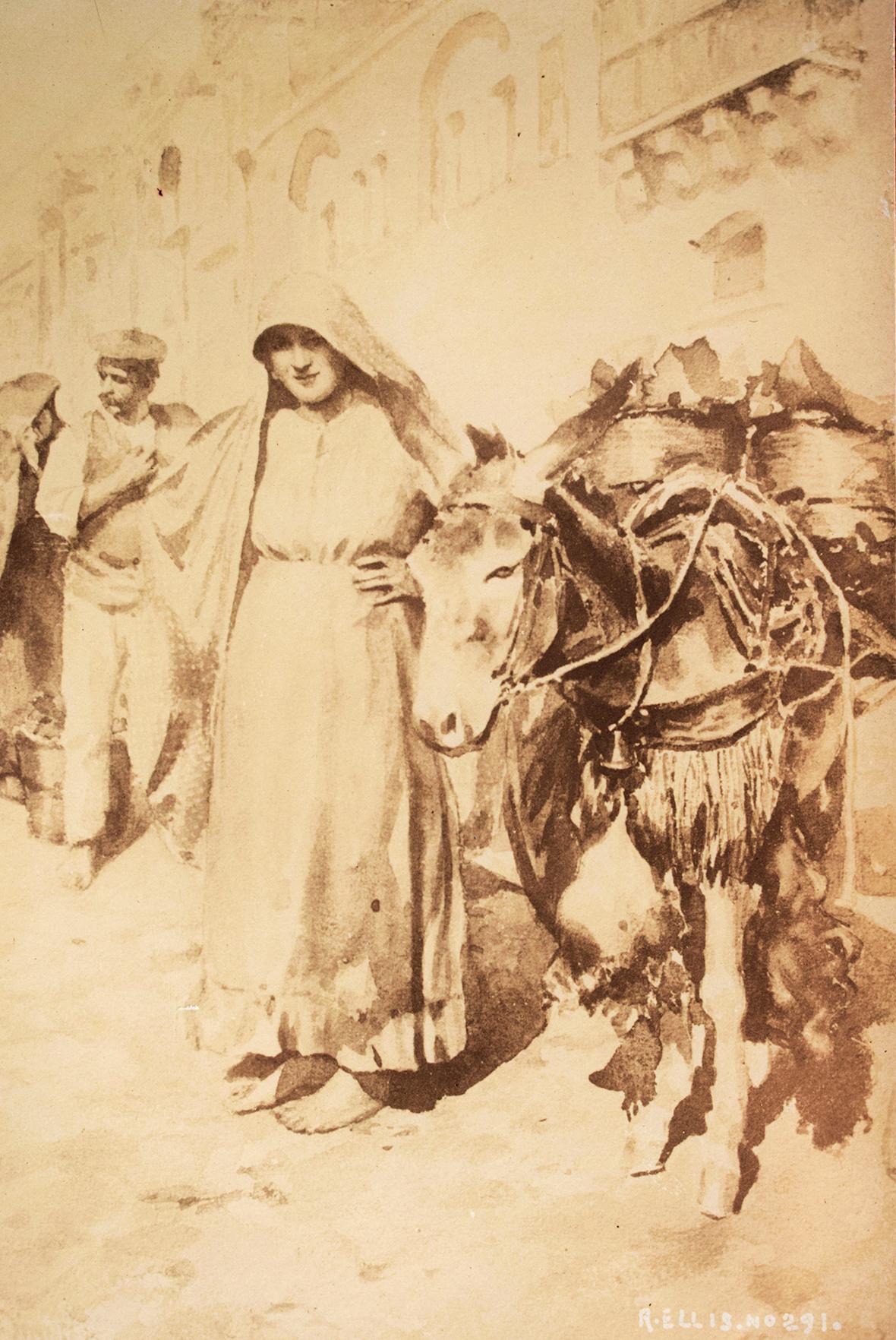
'Vegetable Vendor with Cart', a Richard Ellis postcard
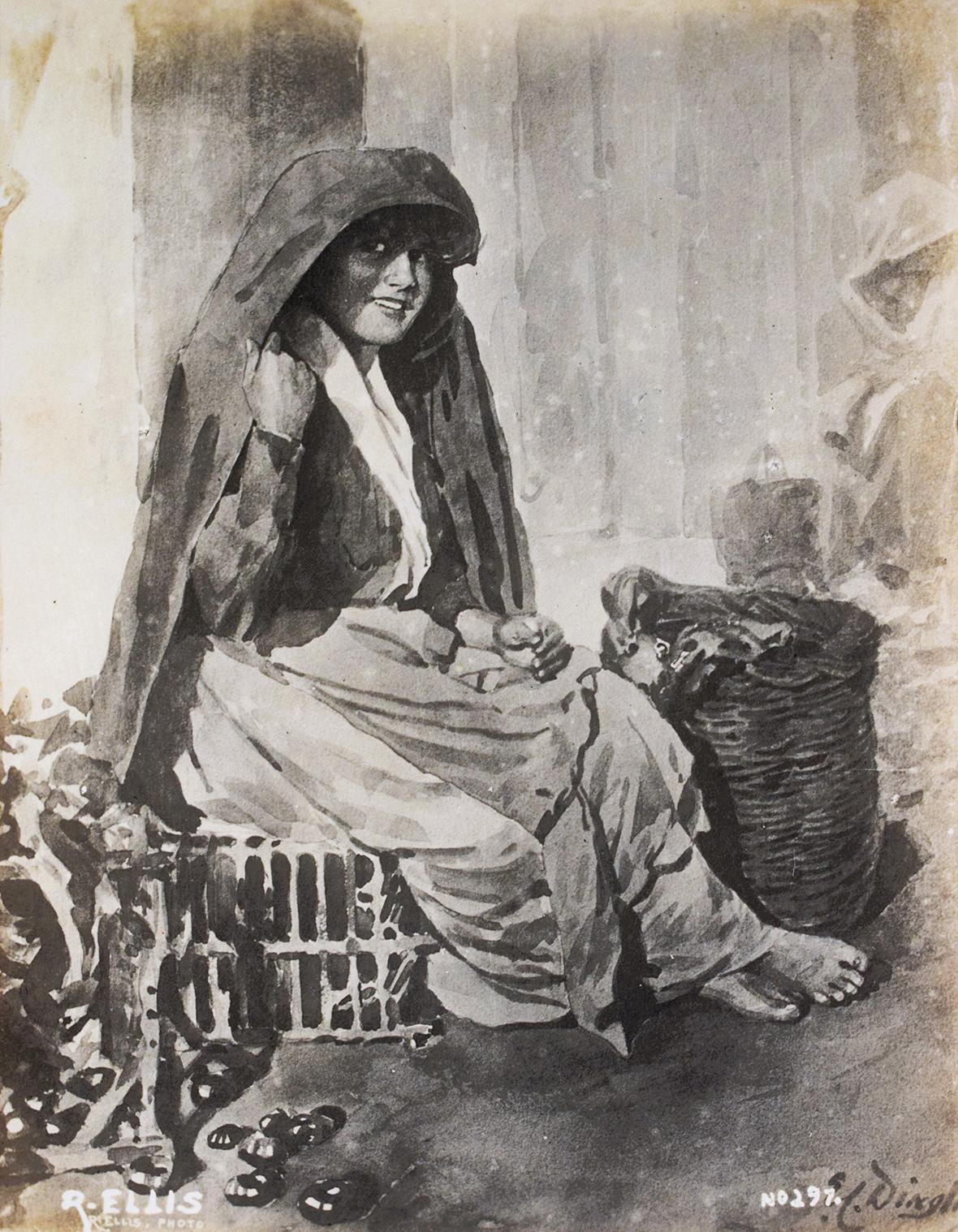
'Sitting Woman Greengrocer', by Caruana Dingli. An Ellis postcard
I hope not to be misunderstood: the artist’s easy virtuosity rightly cements his reputation as an unchallenged maestro of the 20th century.
 'Woman in Faldetta', by Caruana Dingli, from the Ellis set of postcards
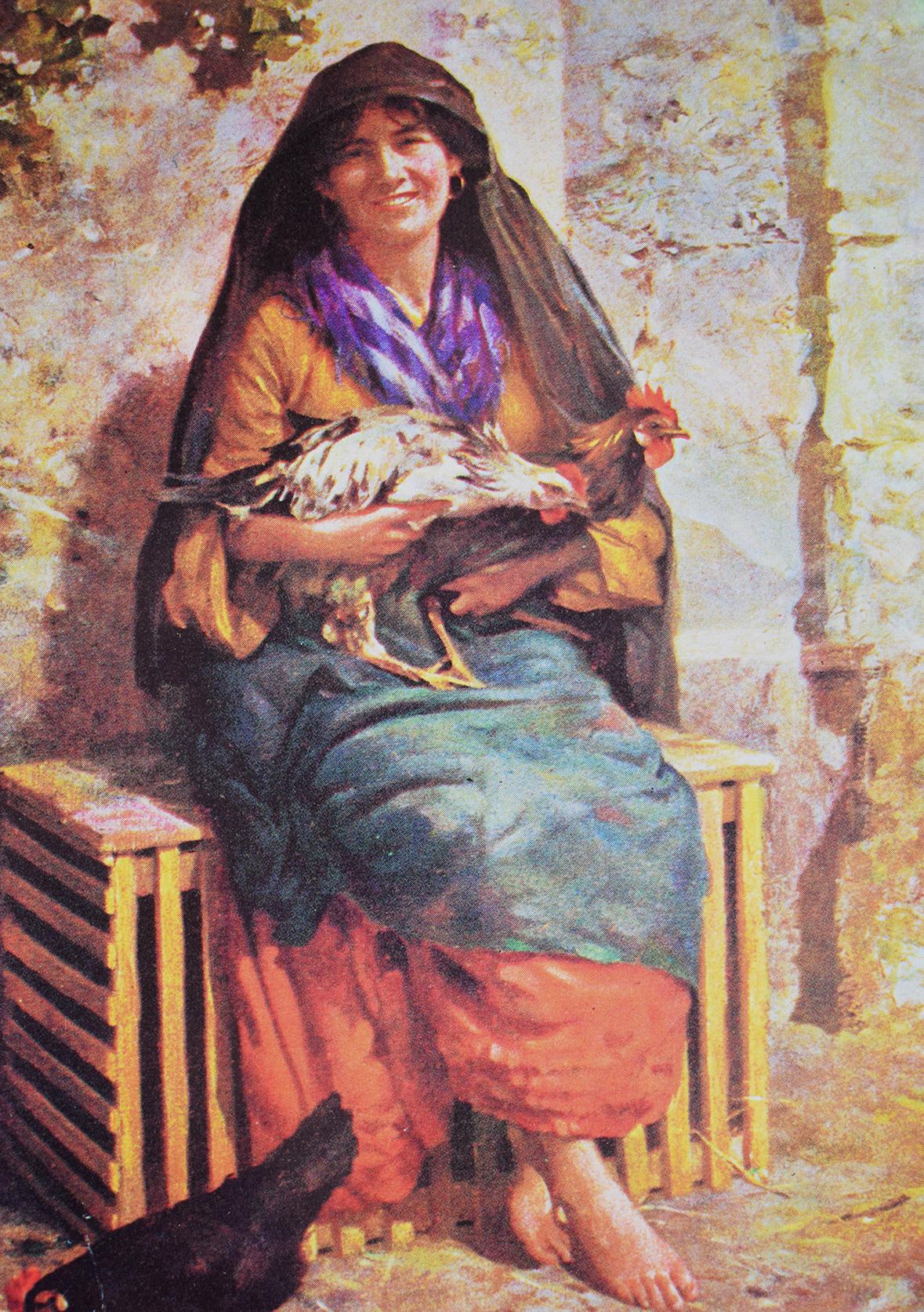 'Live Chicken Vendor', by Caruana Dingli. A 1970s postcard by Perfecta
Caruana Dingli (1876-1950) excelled in portraiture and in ‘folklore’ genre depictions, in both of which he relied quite heavily on unadvertised assistance from his camera – nothing shameful in resorting to any tool that ultimately fortifies the aesthetic outcomes. His finished work appears anything but photographic or hyper-realistic.
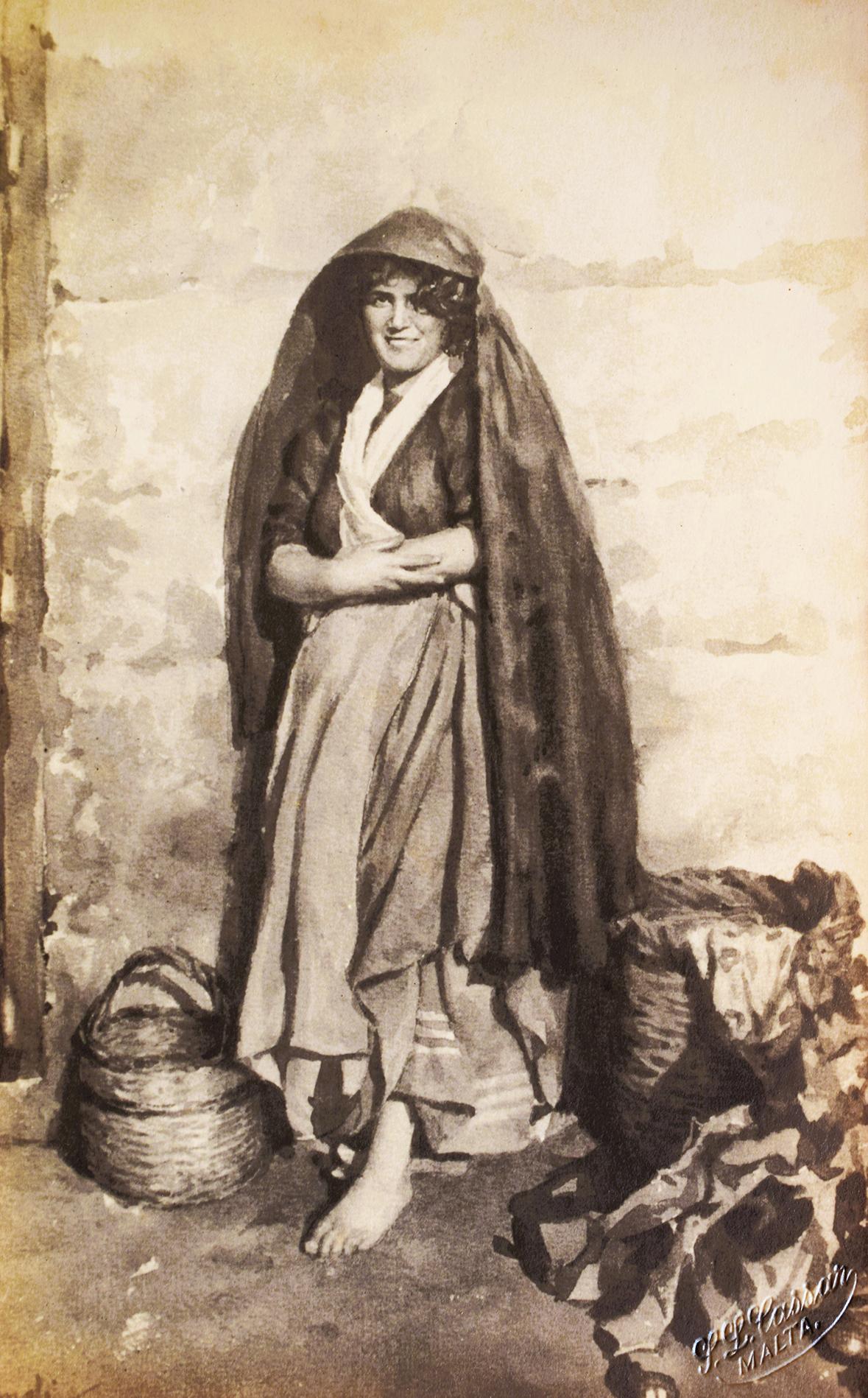 'Street Vegetable Vendor', by Caruana Dingli. A 1915 postcard by Salvatore Lorenzo Cassar
He fell under the spell of women in faldetta, the exotic headgear almost universally preferred by the Maltese female gender and which only died out in the 1950s. The origins of this national costume have been fancifully attributed to oriental or Arabic influences, but the truth is far more mundane.

A 1910s Richard Ellis postcard of a 'Lady in Faldetta' in the Caruana Dingli series
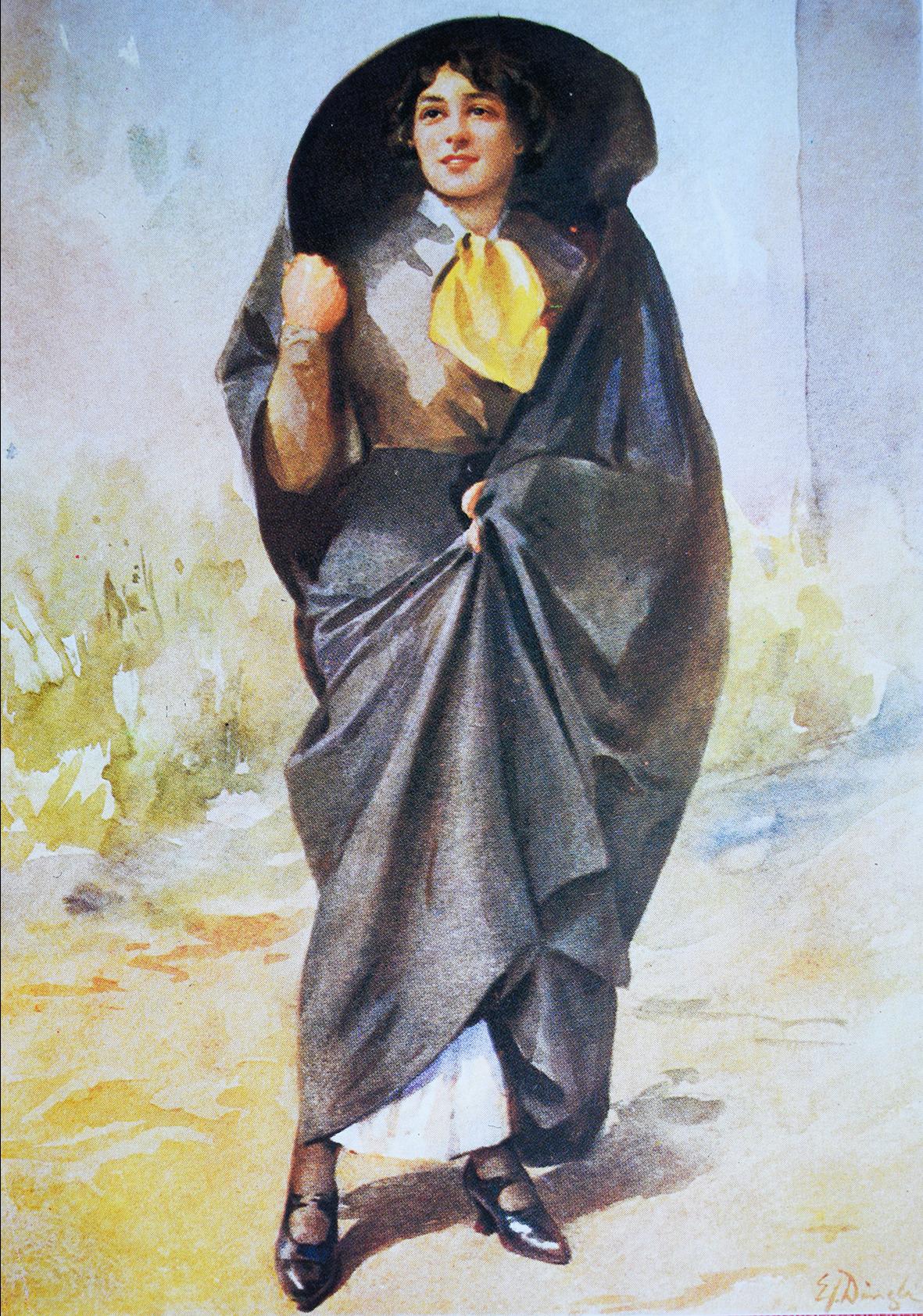
'Lady in Silk Faldetta', by Caruana Dingli. A 1970s postcard by Perfecta
The unwieldy garment goes by two names – għonnella and faldetta, both Italian words meaning skirt. This alone should have been a loud red alert about its origin.
In fact, in parts of Sicily, women wore skirts with long trails, which they pulled up over their heads to shield them from sun and rain – a headdress would be skirt and at the same time.
 From the ‘Maltese types’ postcards by John Critien, 'Women in Faldetta in Old Theatre Street', by Caruana Dingli.
Leading postcard publishers chose Caruana Dingli’s women in faldetta for the picture sides of their cards.
I am illustrating some by Richard Ellis, Salvatore Lorenzo Cassar, the Wembley 1924 Exhibition, John Critien and, post-war, by Perfecta.
All postcards from the author’s collection
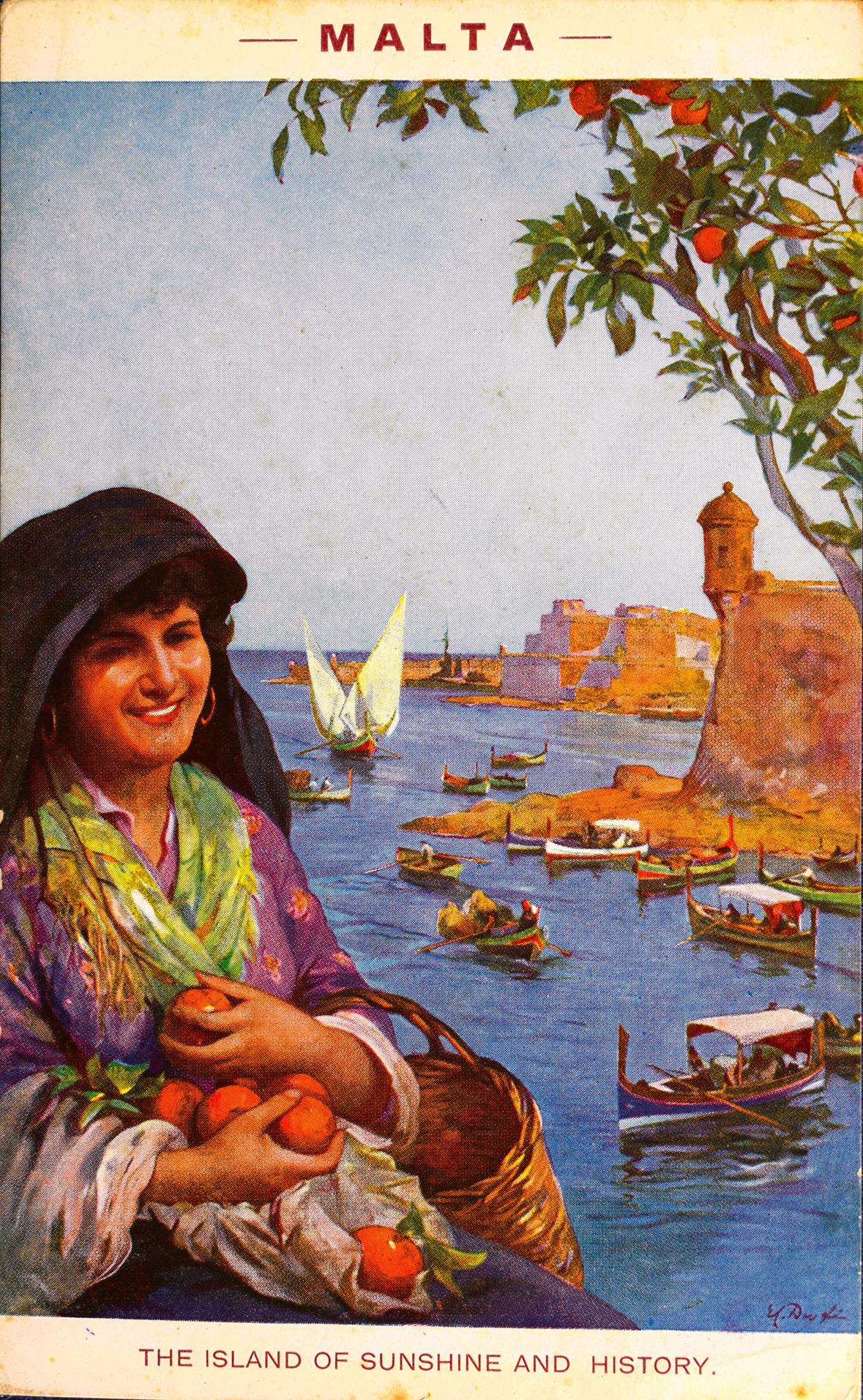 The official postcard for the British Empire Wembley Exhibition, 1924, by Caruana Dingli
 Another Caruana Dingli postcard for the 1924 Wembley Exhibition