In pictures: Hawkers in early Malta postcards
Before WWII, lots of minor retail was carried out by men, women and children directly on the street
I confess not to know the difference between a hawker and a pedlar. For the purposes of these pictorials, I will assume, quite arbitrarily, that a hawker did not make use of an animal-drawn cart while a pedlar did. I may leave early pedlars to a separate feature.
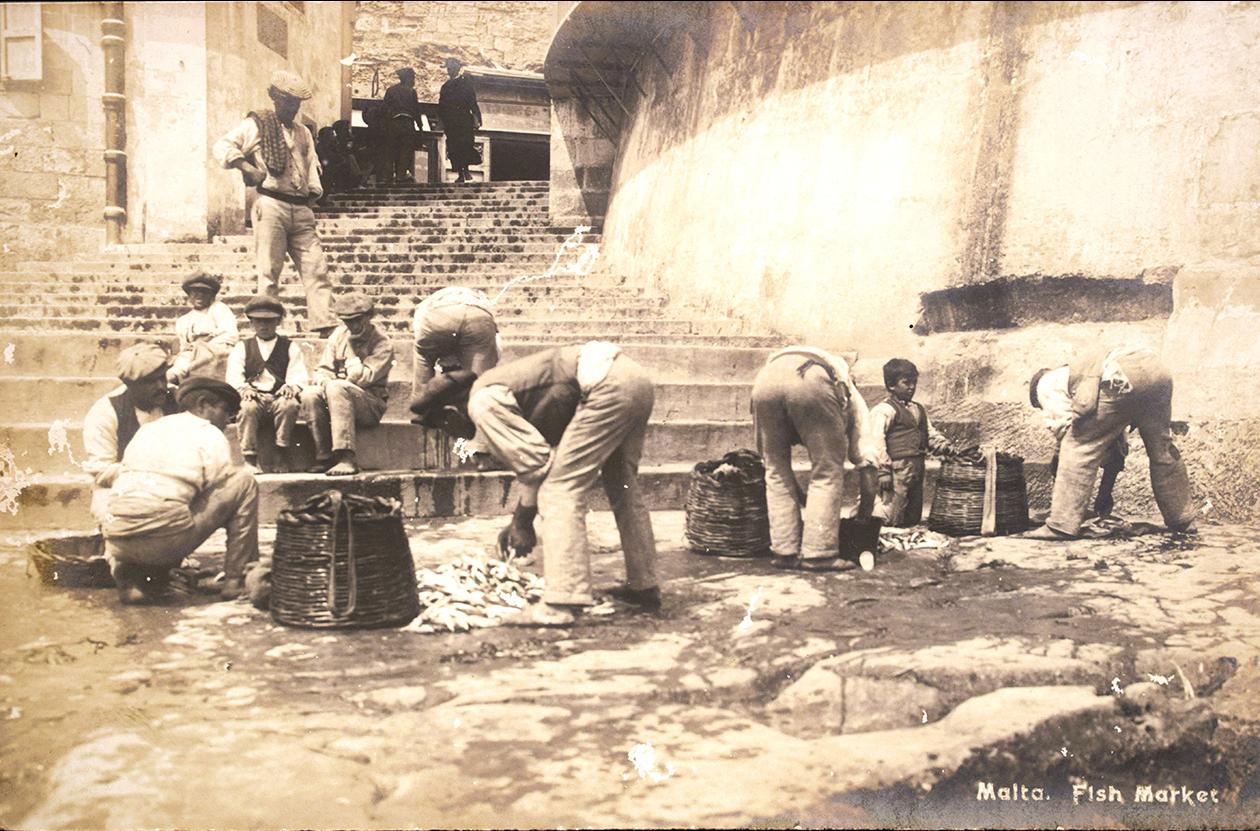 Salvatore Lorenzo Cassar issued this postcard of vendors at the marina fish market, circa 1920.
Before World War II, plenty of minor retail was carried out by producers directly, with personal contact in the street, promoted by loud vocal bawlings at the corners to advertise their presence and their wares. This mostly referred to edibles, but also cloth, tobacco products, matches and minor services, like knife and scissor sharpening and soldering of metal containers.
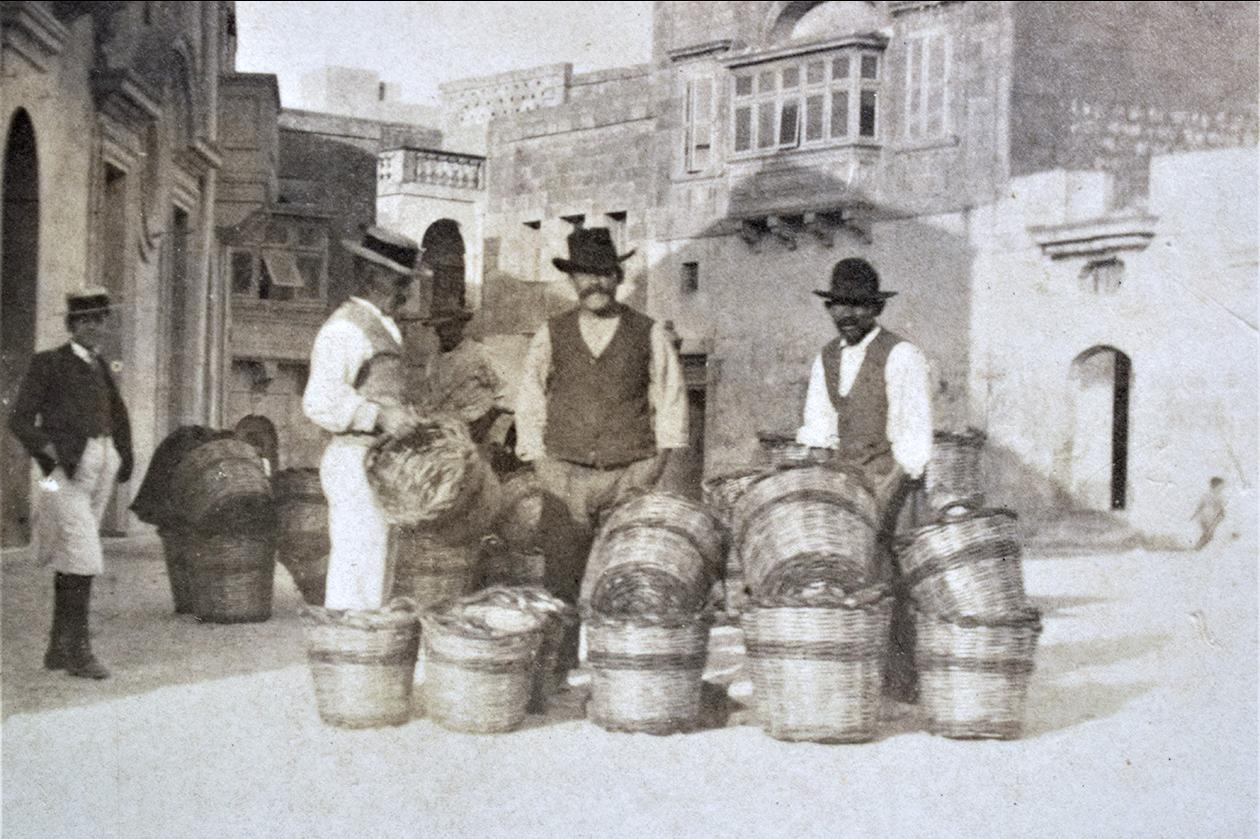 A wicker basket weaver shown selling his wares in a 1910s postcard.
Men, women and children indiscriminately offered their goods. A common feature, more prevalent in women, held on to the African habit of balancing heavy sacks or baskets on their heads, rather than carrying loads in their hands.
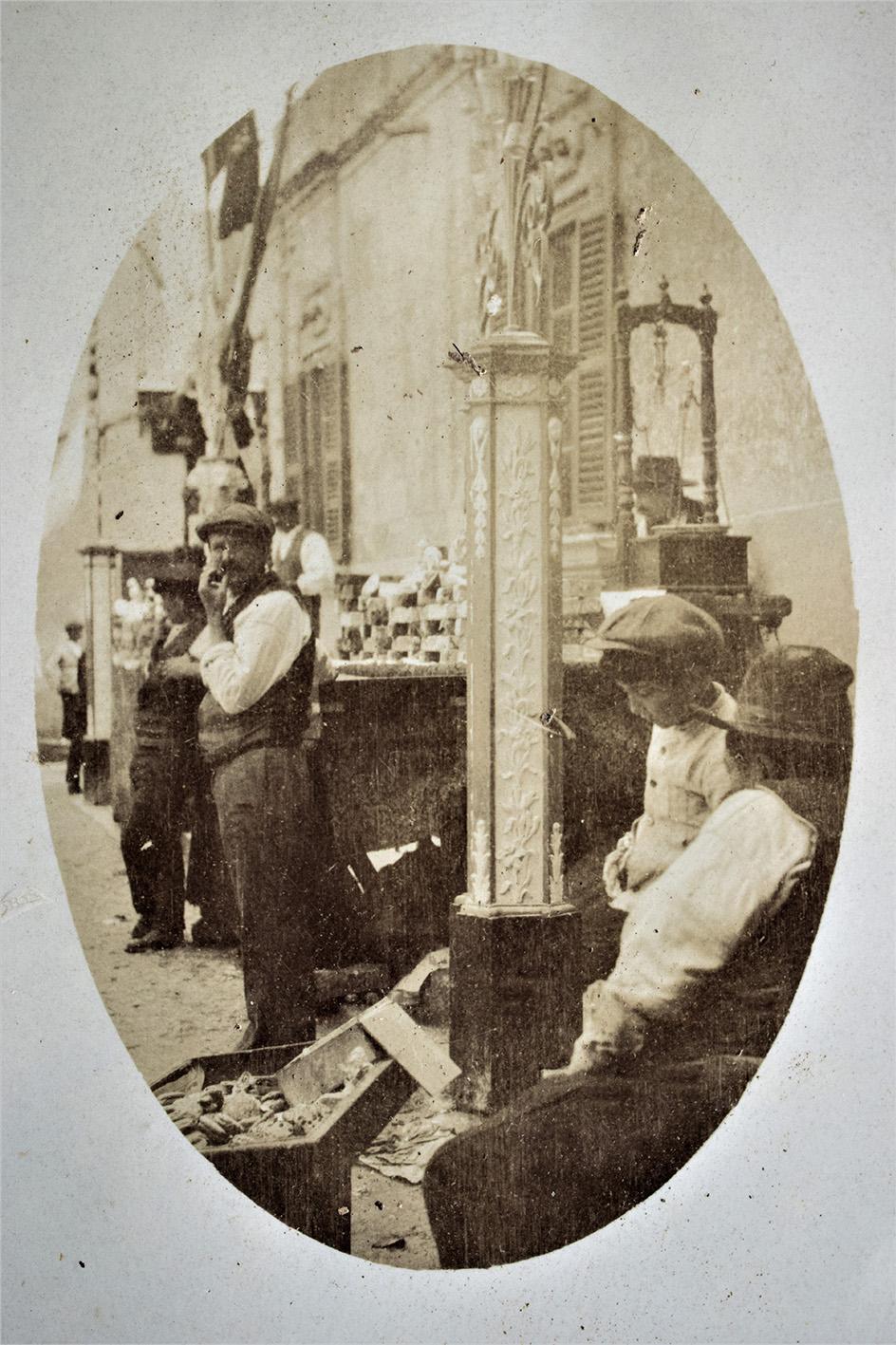
Nougat sellers were prominent in town and village festas. A 1910s postcard
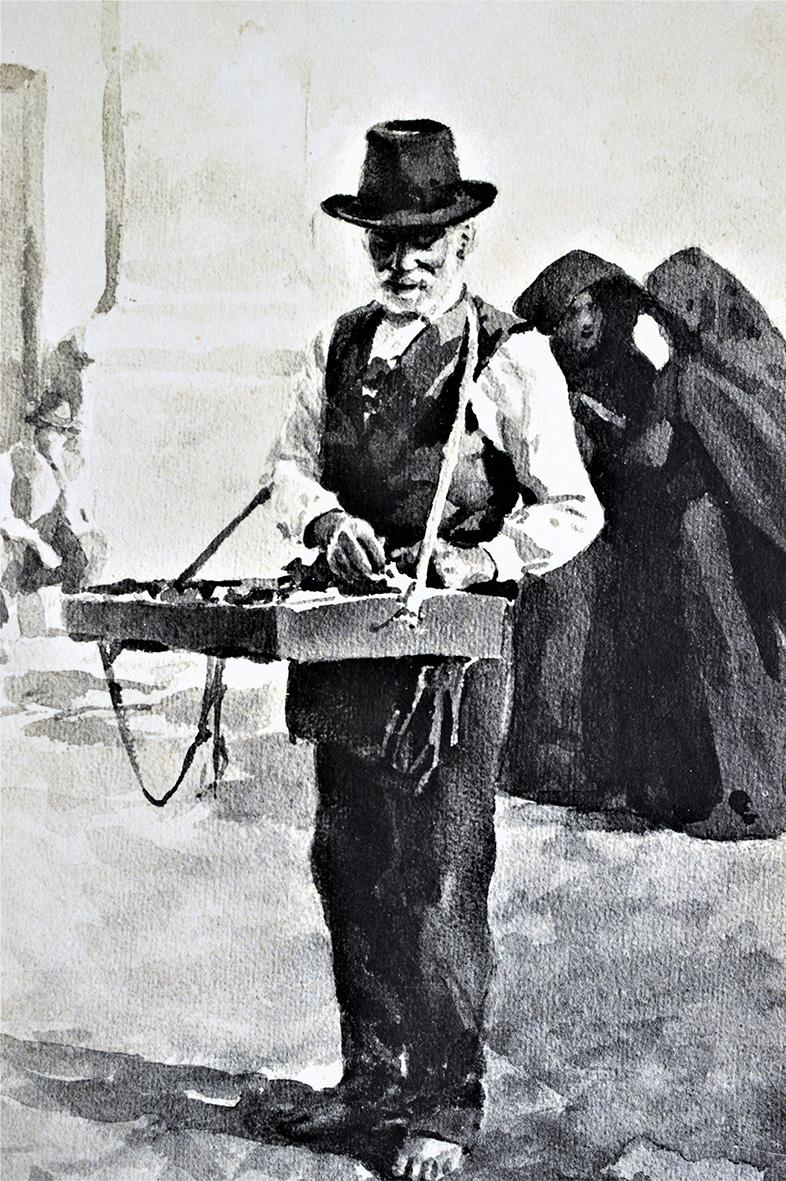
The painter Edward Caruana Dingli provided the artwork for this 1910s postcard of a sweets vendor.
Early postcard publishers relished these homely vendors.
Quite a number of the first coloured cards feature hawkers and their wares. That started when the post authorities first allowed cards into the mail system – 1898 – until World War I. After that, interest in hawkers waned.
Some vendors seen in postcards seem to have been the genuine thing, others (a future feature?) look like posed models dolled up for the occasion.
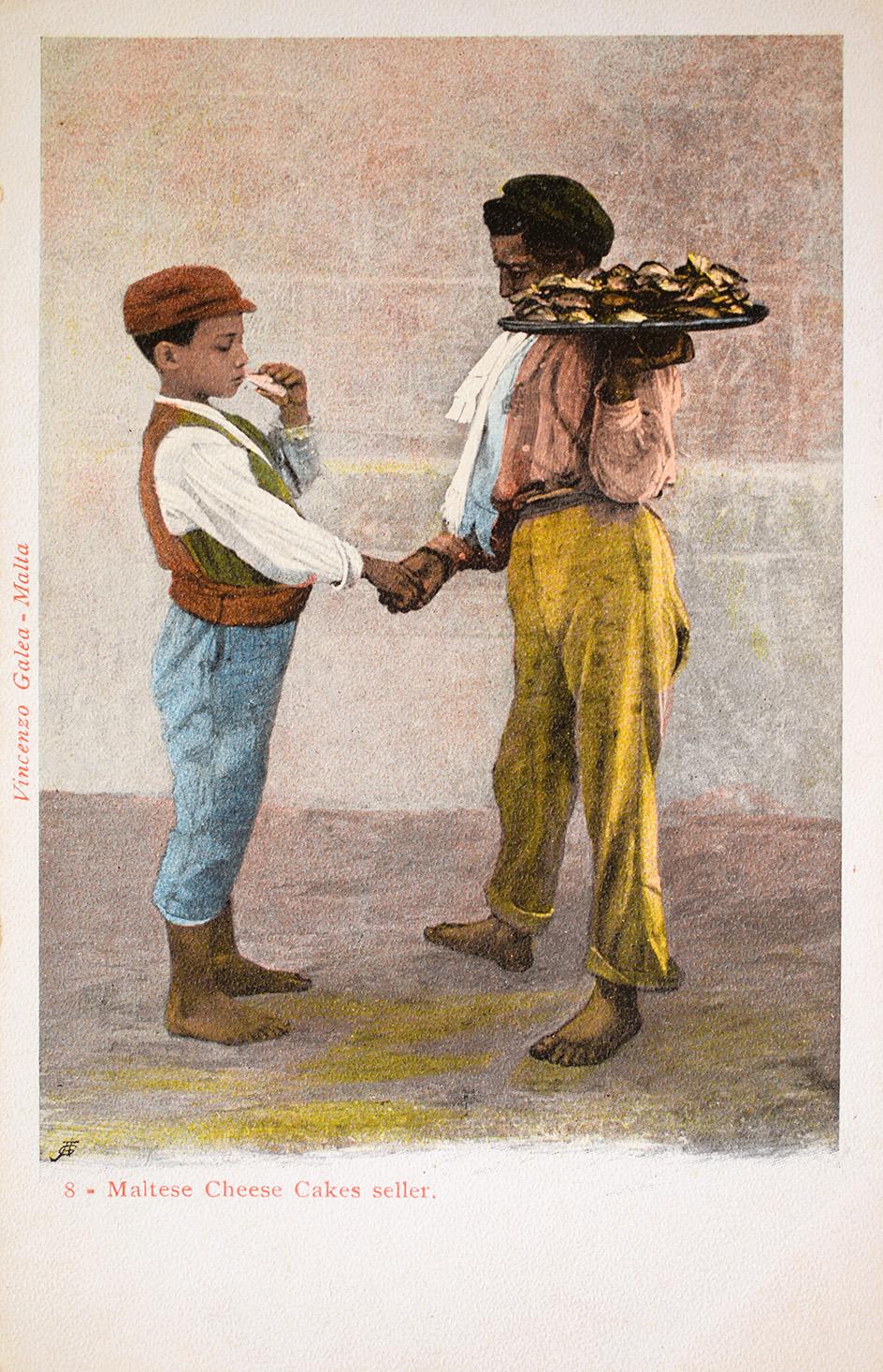
A circa 1904 colour postcard of a 'pastizzi' seller issued by Vincenzo Galea di Antonio.
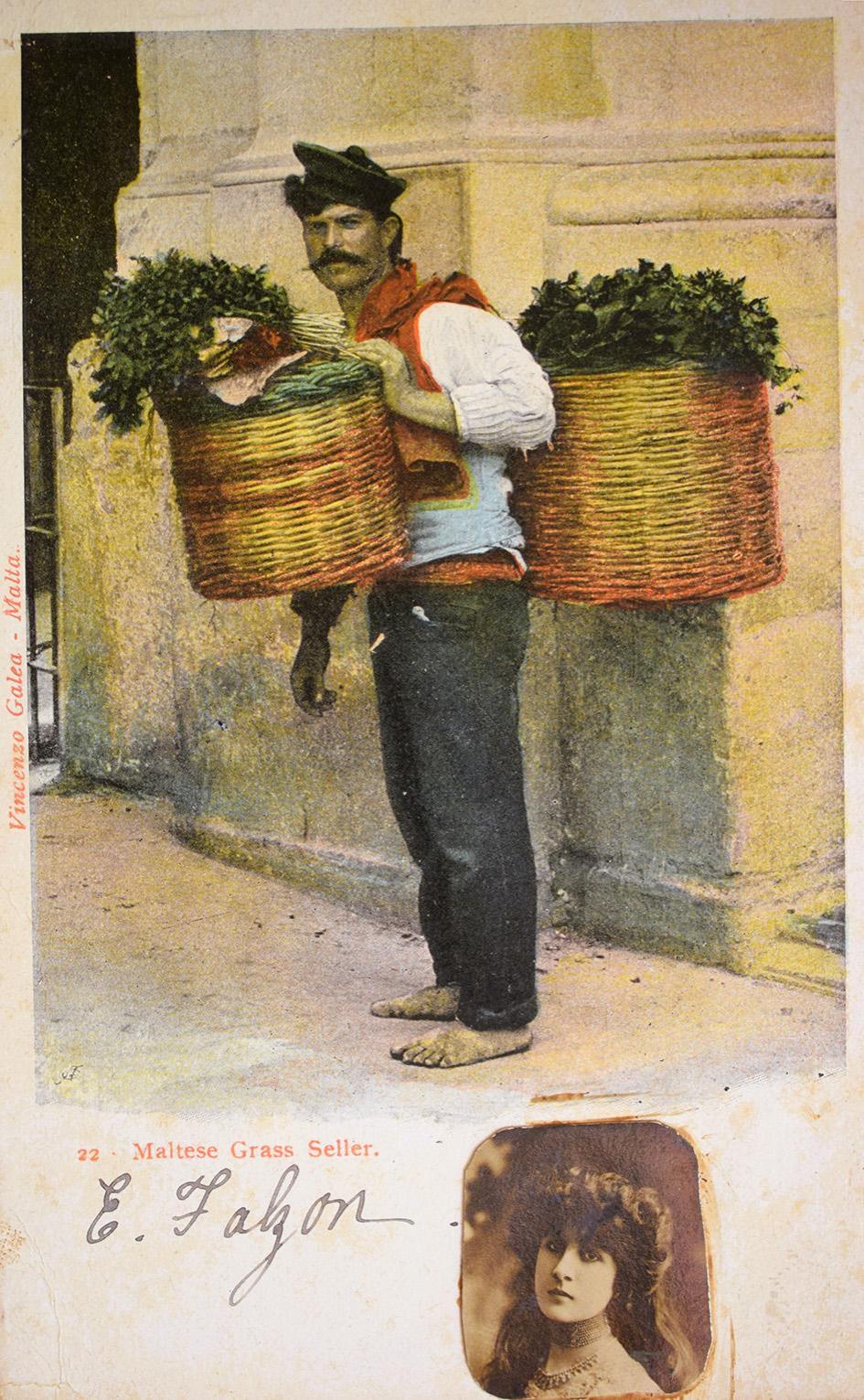
A circa 1904 colour postcard by Vincenzo Galea di Antonio showing a greengrocer.
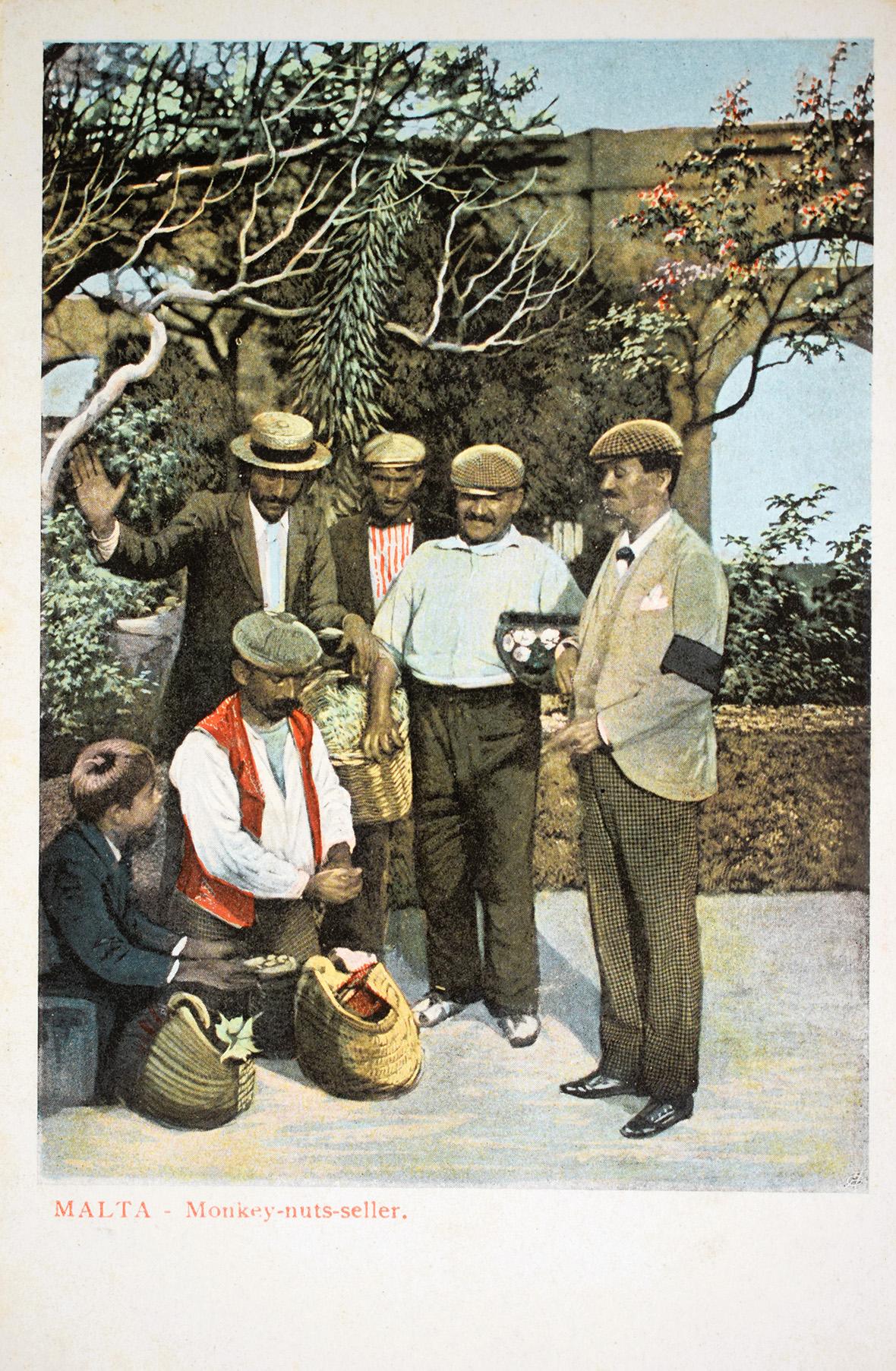
A 'karawett' seller in a circa 1904 colour postcard by Vincenzo Galea di Antonio
Cut-throat competing publishers, like John Critien and Vicenzo Galea di Antonio, sometimes used exactly the same photographs of hawkers on their cards.
Some mistitled their images, like a woman selling oranges or pomegranates claiming it represents an egg-seller.
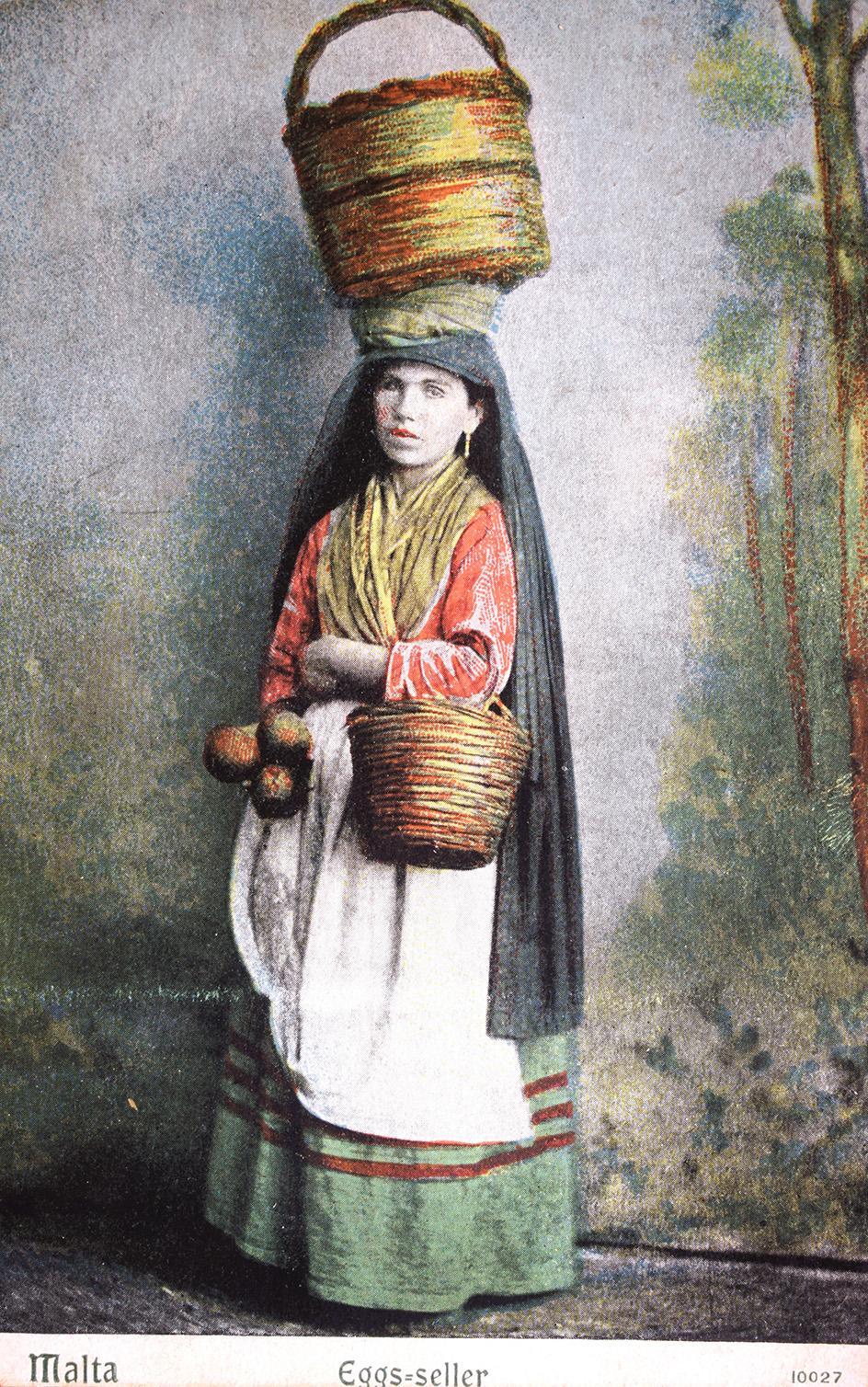
This circa1902 coloured postcard is entitled ‘Eggs-seller’ but shows an orange or pomegranate vendor.
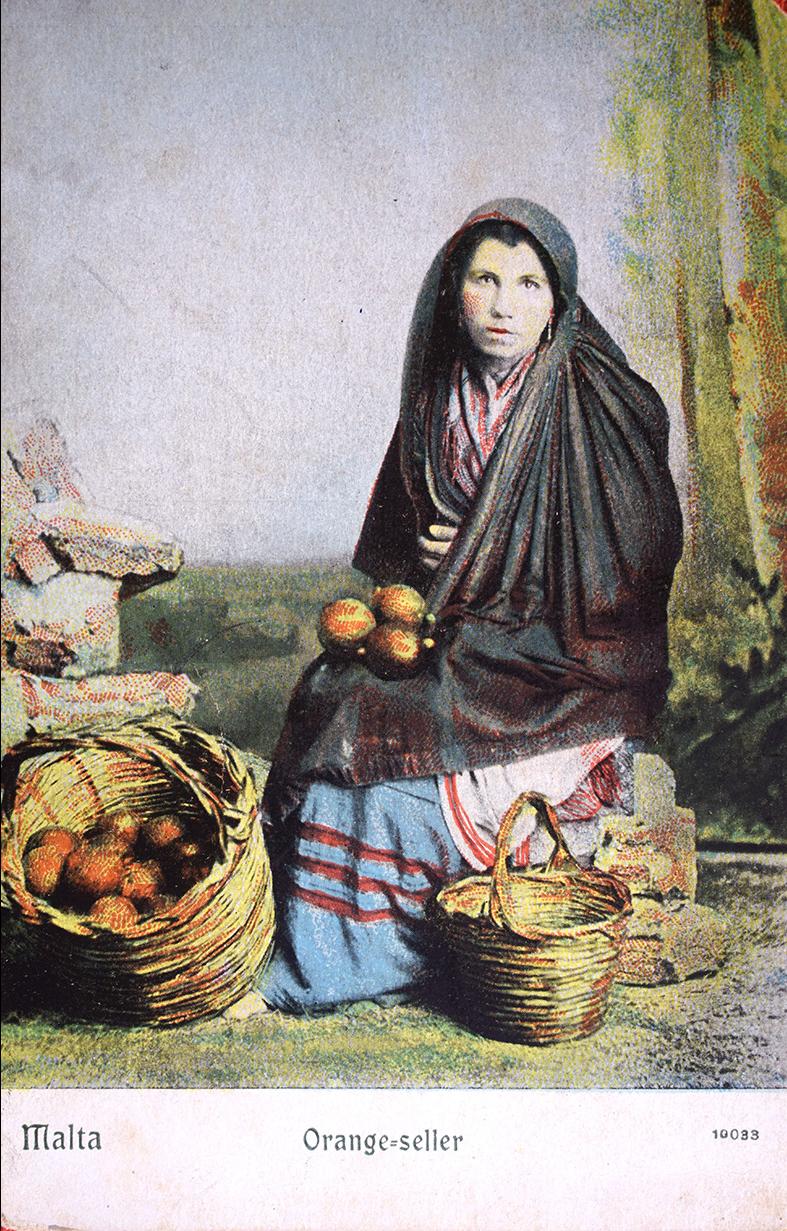
A 1900s coloured postcard of an orange seller
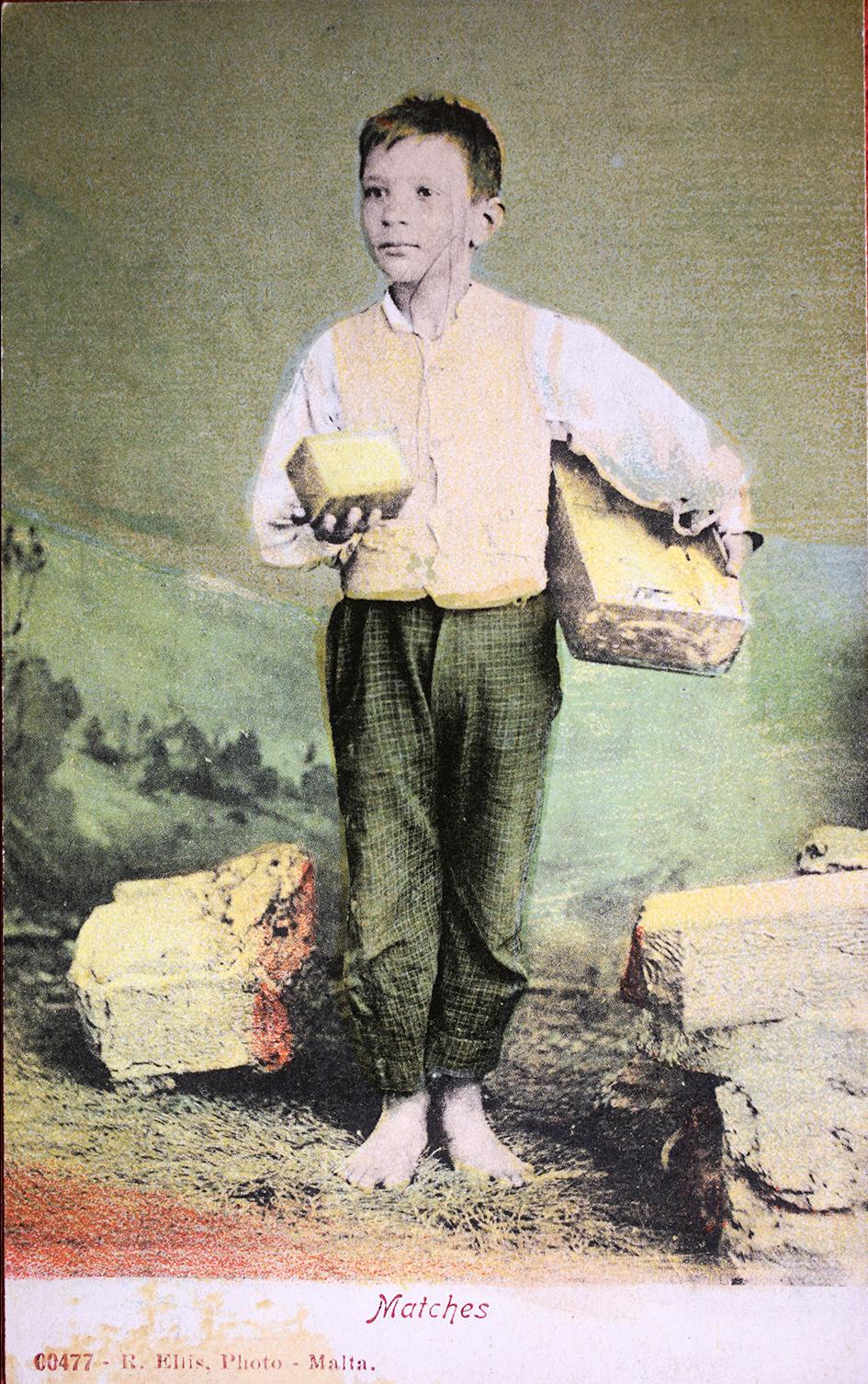
Richard Ellis included this match-selling boy in his series of colour postcards, c. 1903.
Hawkers I personally remember in Valletta proved the last of a dying breed – the bread cart of Pawlu t-Tork, whose pasta dura bziezen have never been equalled since, the odd bigilla, lampuki, frawli, vopi or rizzi seller and the ice cream man in summer.
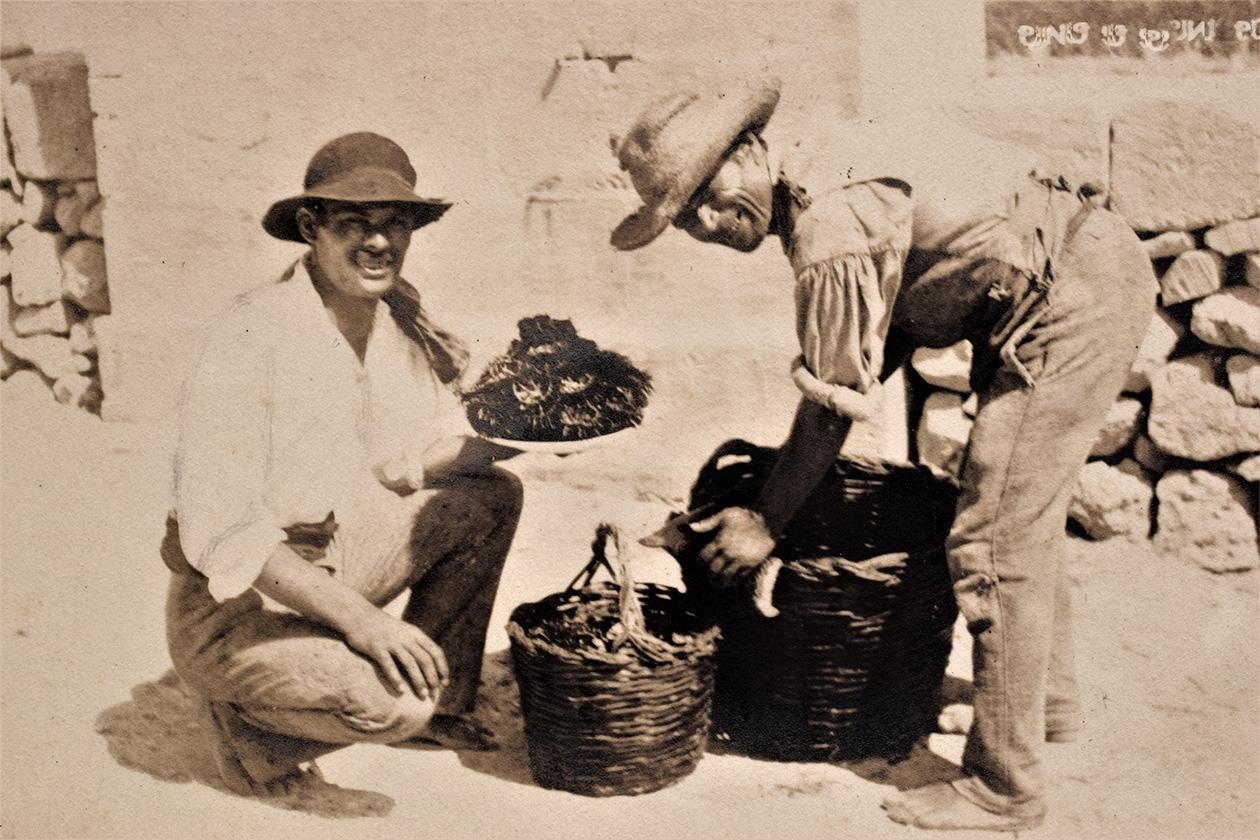 A 'rizzi' (sea urchin) seller in a circa 1910 postcard by Richard Ellis
All postcards from the author’s collections.
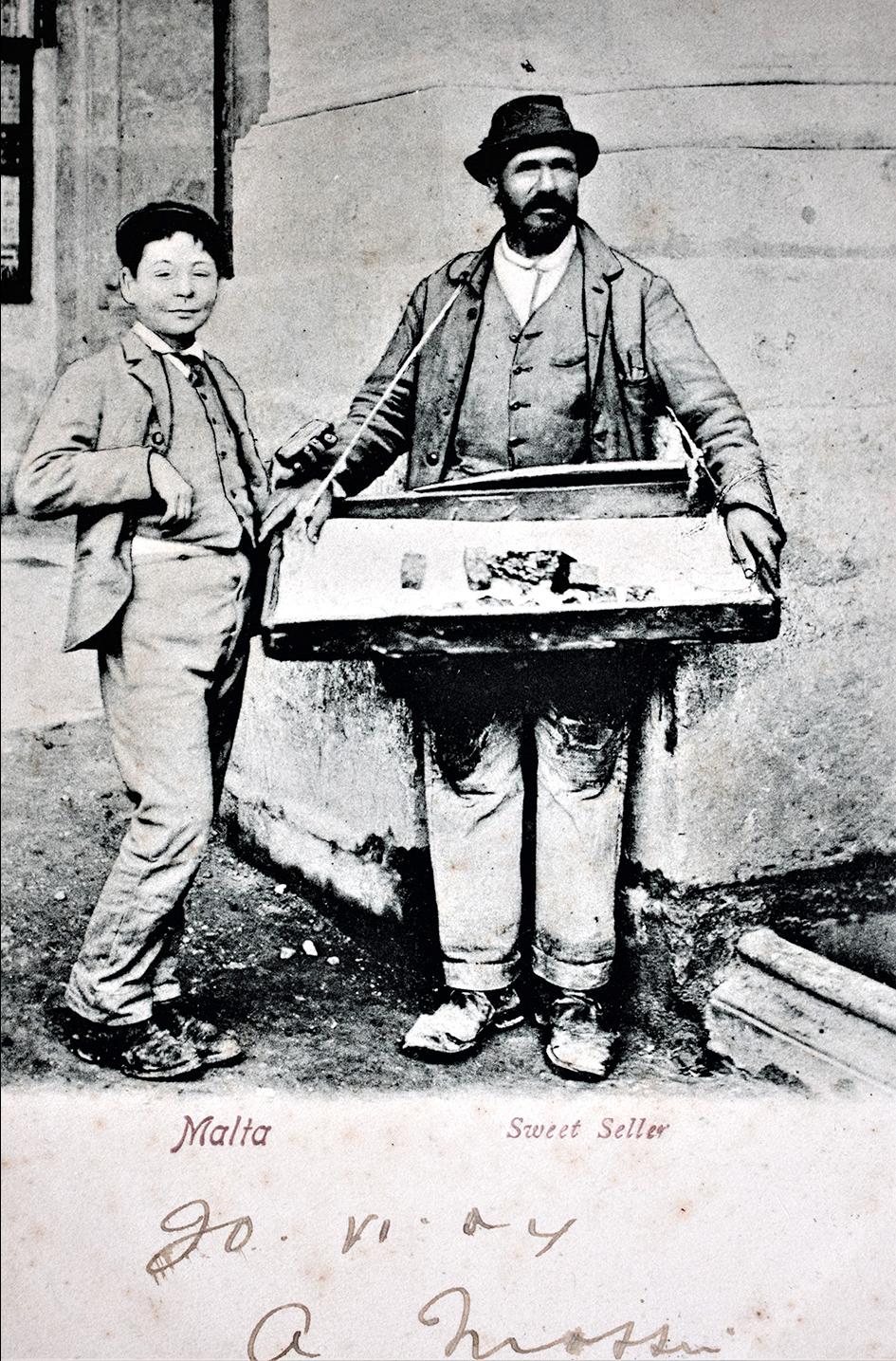
A vendor of confectioneries hawking his wares in this 1904 postcard.

A street fishmonger in Gozo. Postcard by Mikiel Farrugia postally used in 1932.
The painter Edward Caruana Dingli provided the artwork for this 1910s postcard of a sweets vendor.