In pictures: Museum postcards of armoury artefacts
Before Google and YouTube, these postcards served multiple purposes
Many cultural visitors’ traps open to the public have postcards of their more notable artefacts on sale. This goes mainly for museums and galleries but also for historical churches, palaces and fortresses.

A selection of antique firearms in the armoury
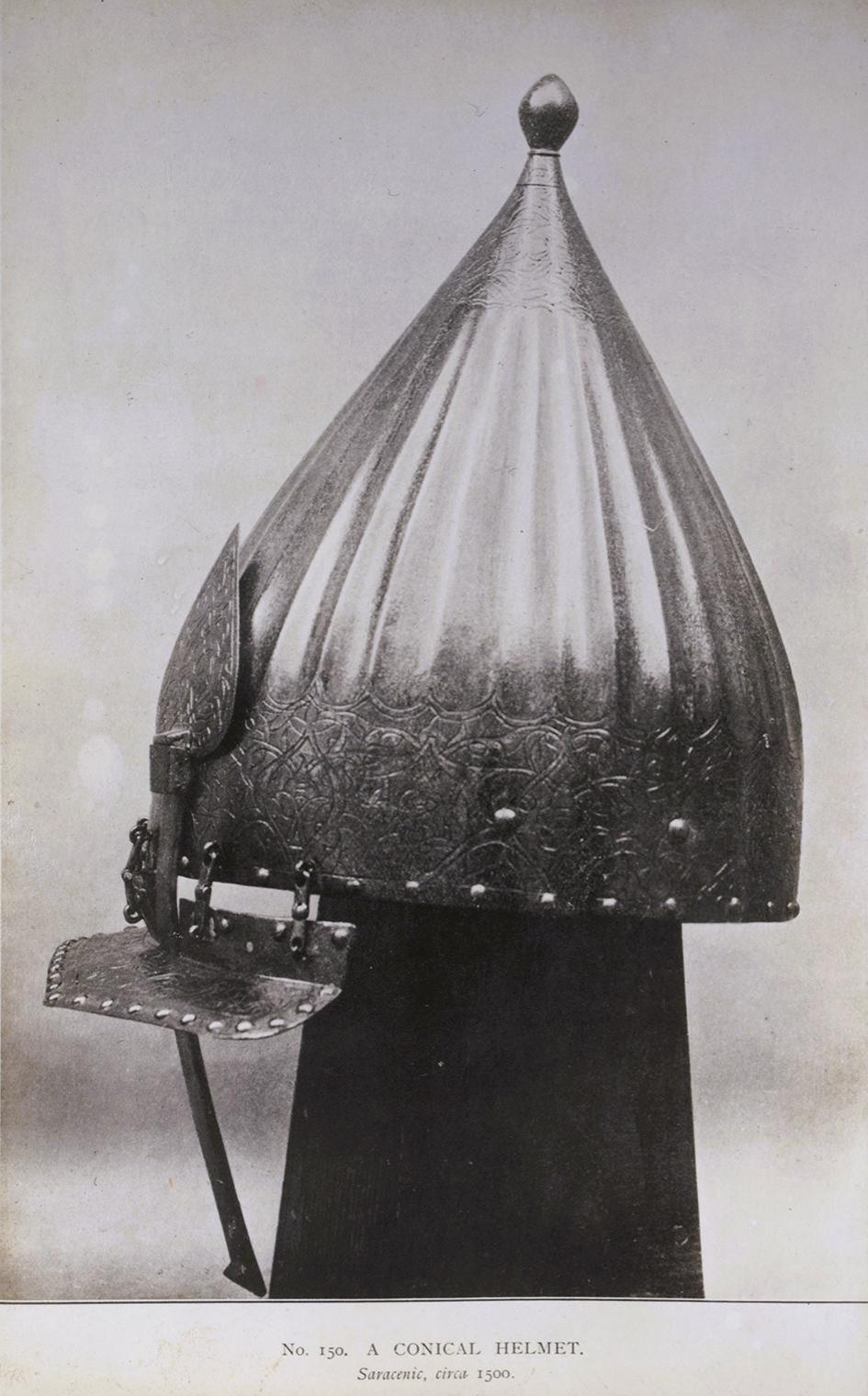
A Saracenic conical helmet, c. 1500
Before Google and YouTube, these postcards served multiple purposes – to say “I was here” to distant correspondents and to preserve a tangible memory of objects worth remembering.
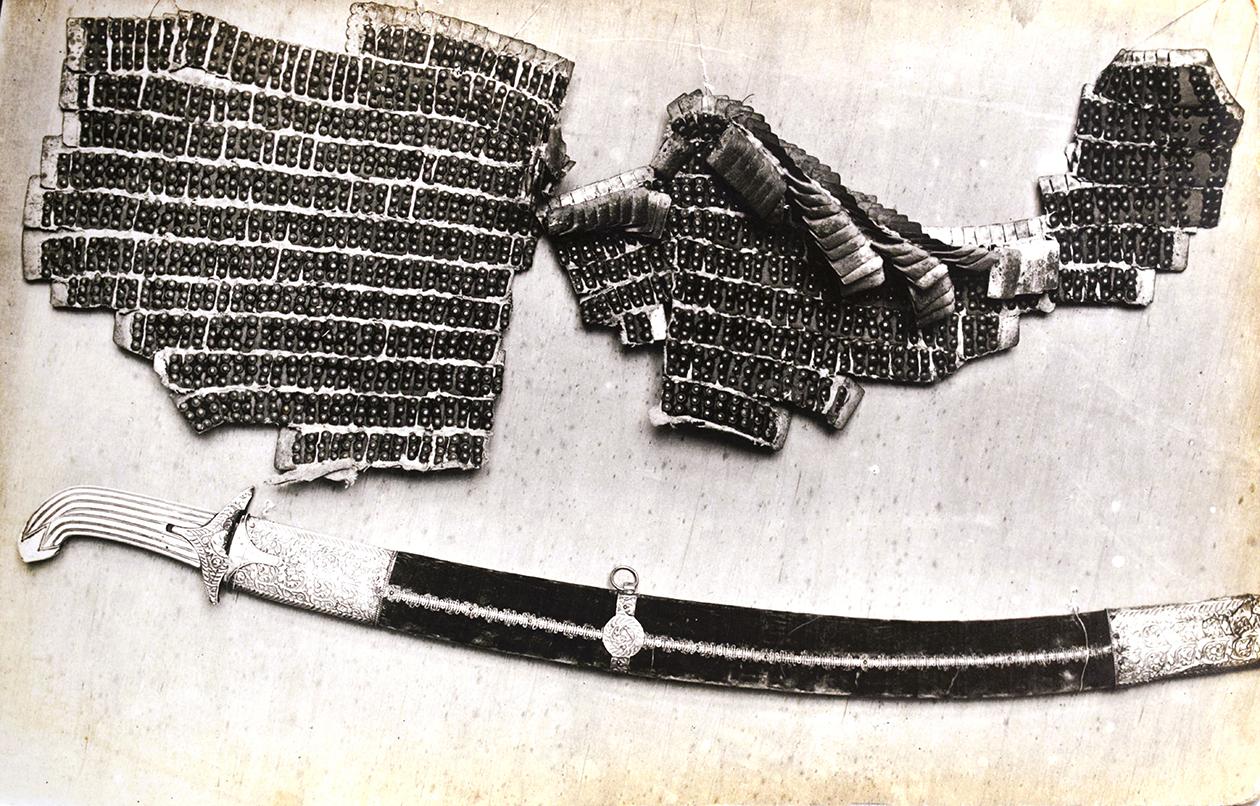 Ottoman arms and armour in the Palace collection
Many museums banned unauthorised photography by visitors, ostensibly because flashlights harm paintings, but also because it competed with merchandising from the visitors’ centres.
In this pictorial I am homing in on pre-war postcards of armouries with a Malta connection. The much-looted Palace armoury had plenty to choose from, starting with the earliest 1910s ones, with homely typewritten captions, or some produced by Richard Ellis, others by Edward A. Gouder, but mostly not signed at all.
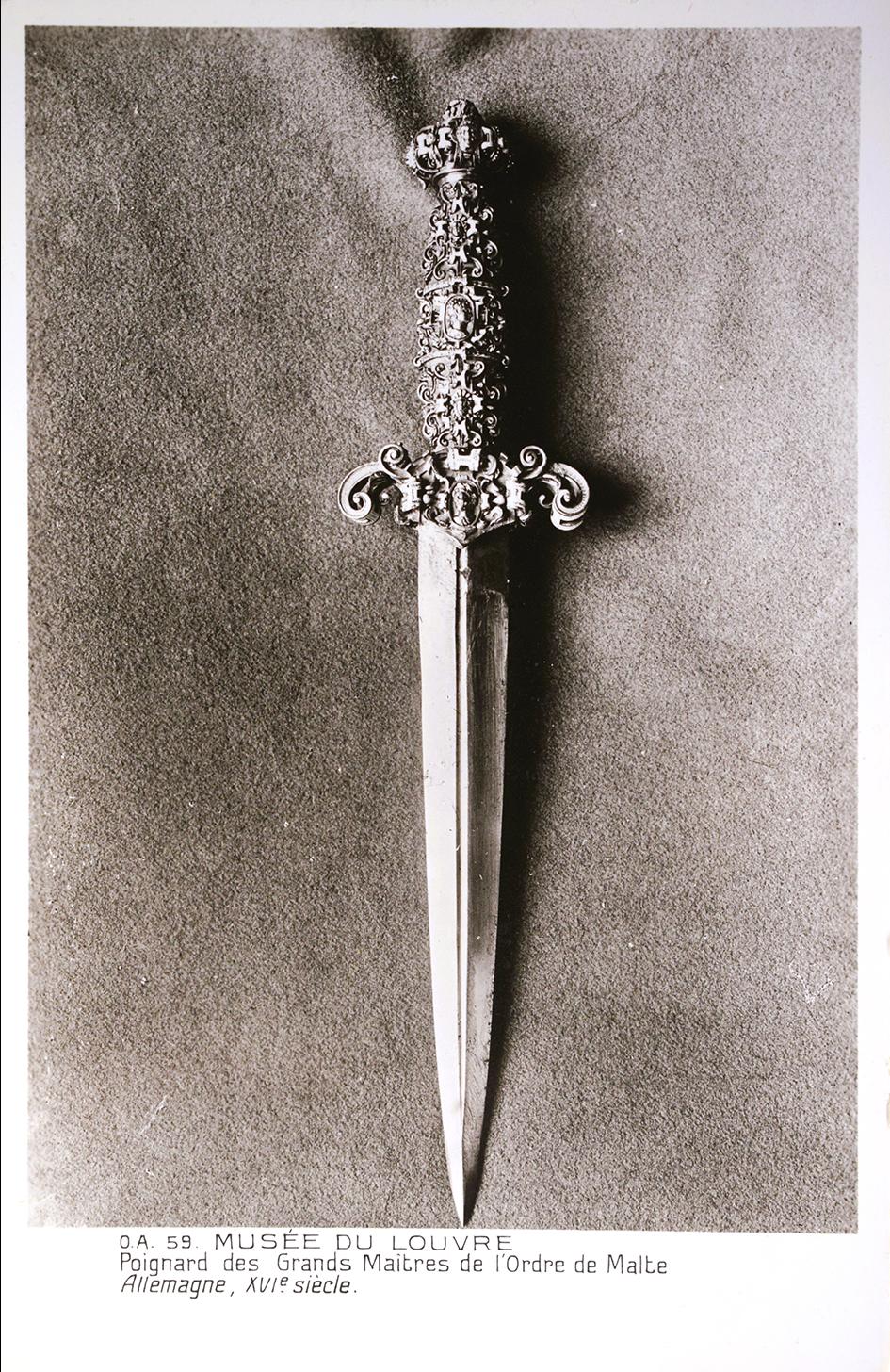
The jewelled Jean de Valette dagger. A postcard by the Louvre Museum, Paris
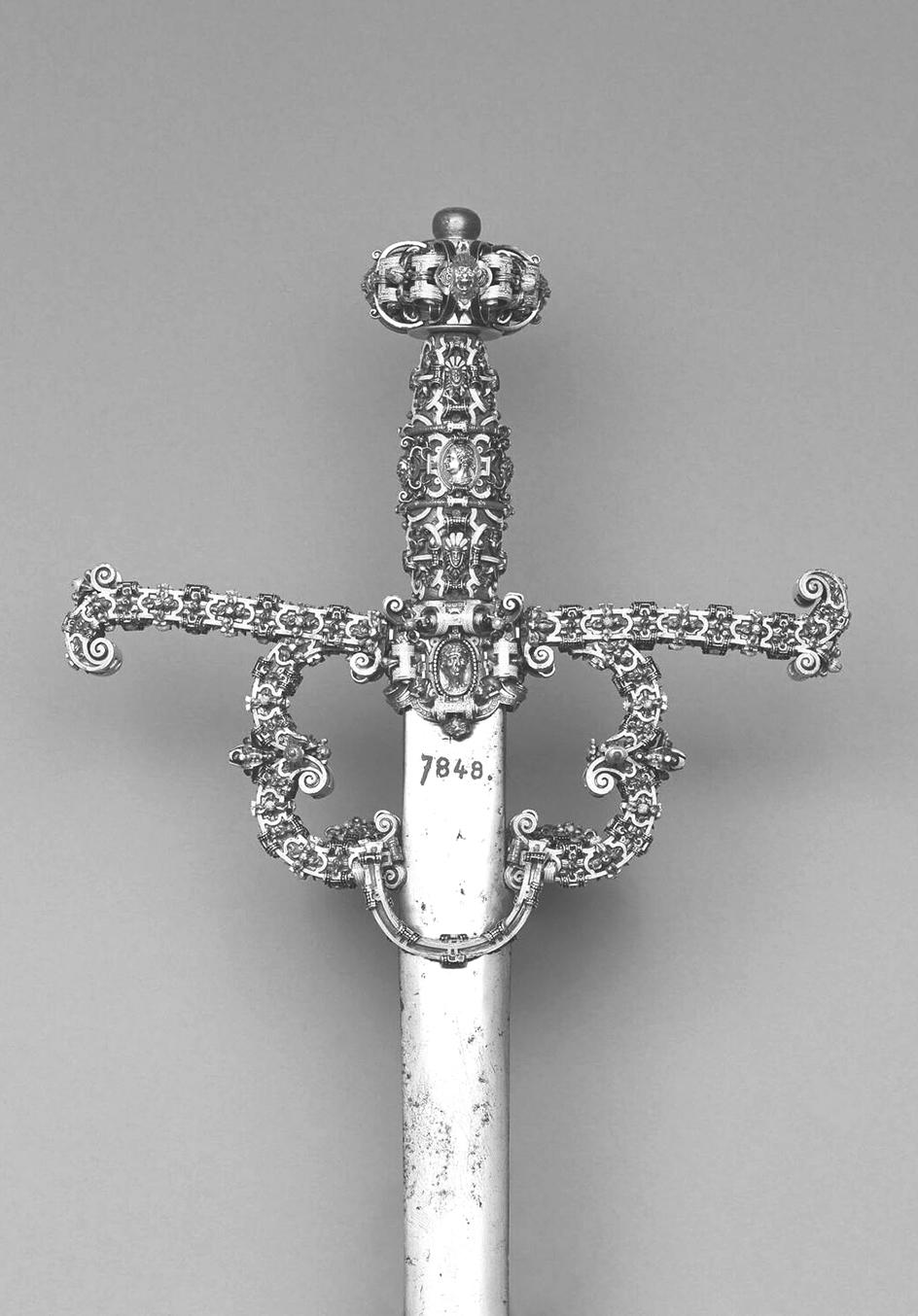
The ceremonial sword gifted by King Philip II to de Vallette, now in the Paris Louvre.
I am including two images from the Paris Louvre, representing the ceremonial sword and dagger donated by Philip II of Spain and Sicily to Grand Master Jean de Valette after the successful defeat of the overwhelming Ottoman forces in the 1565 Great Siege. These two fabulous artefacts, pride and joy of the Hospitallers, were removed to Paris by Napoleon, when he forcibly evicted the Knights from Malta in 1798. Their presence at the Louvre remains an ongoing source of patriotic recrimination.
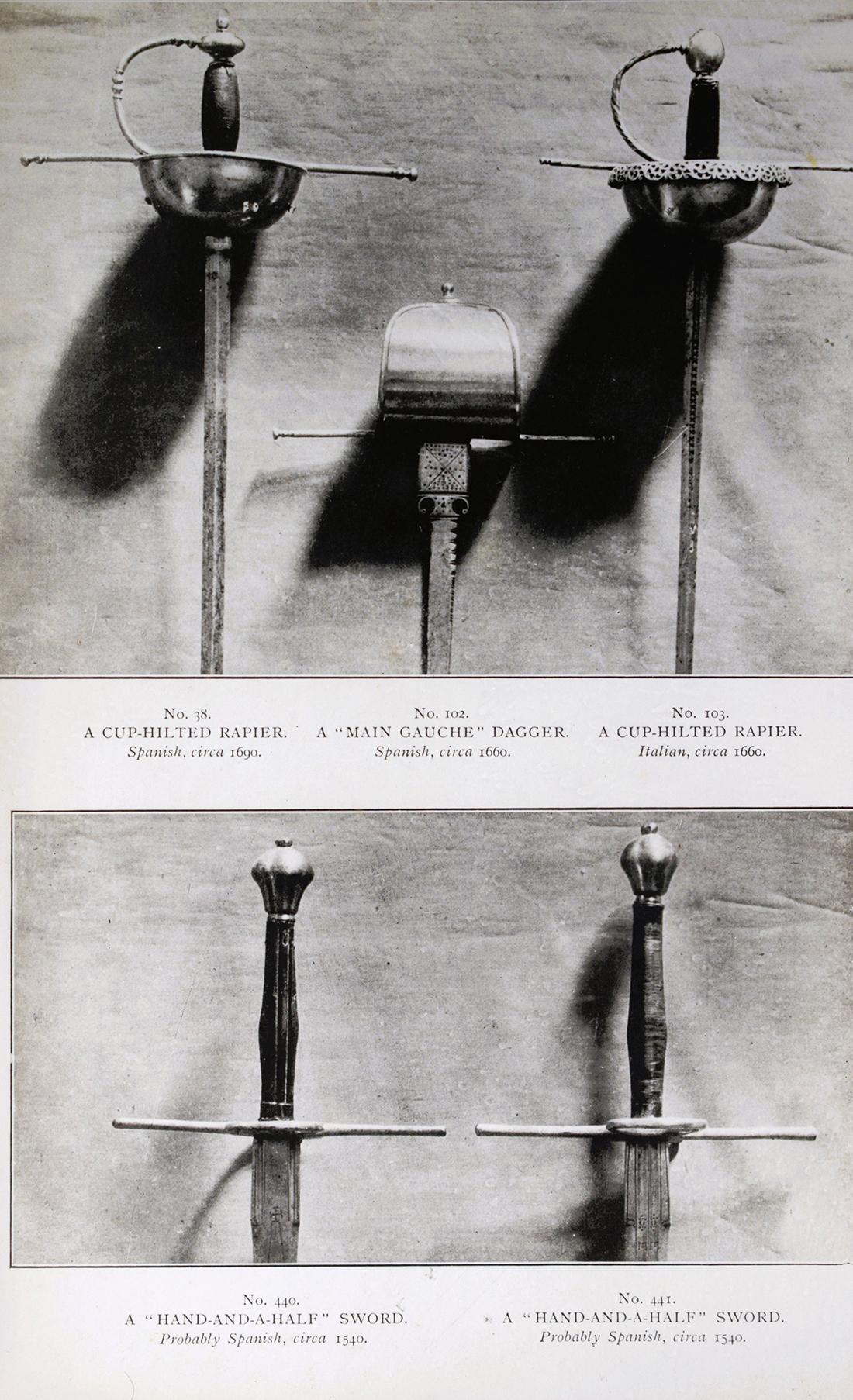 Rapiers, swords and a dagger from the Palace collection
The fate of the entire armoury has been a relentlessly dreary one. Colonial governors treated it as their personal bazaar. Many helped themselves to some of the choicest pieces, others invited honoured guests to pick and choose from those treasures as farewell gifts.
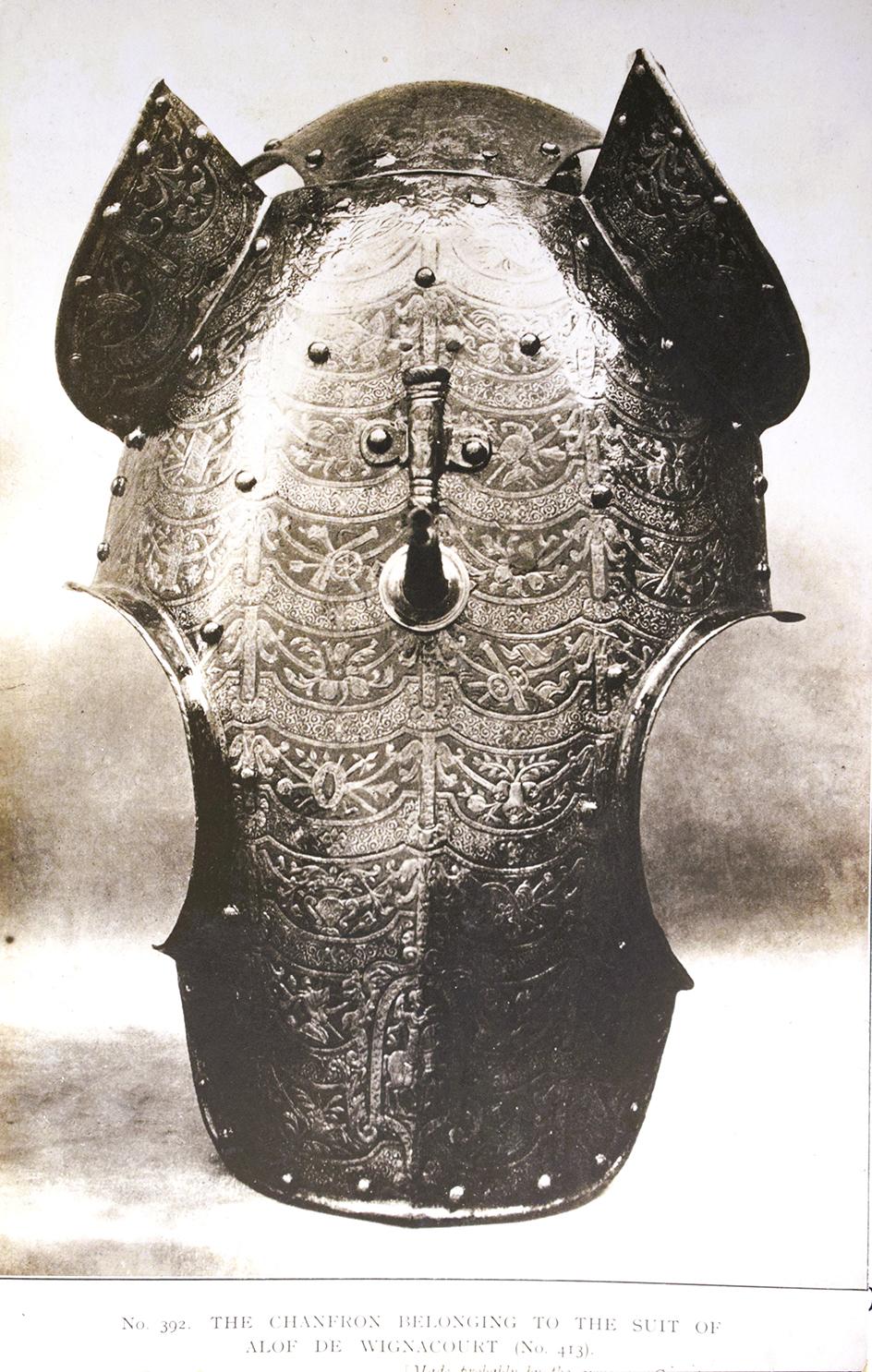
The chanfron for Wignacourt’s charger in the Palace armoury
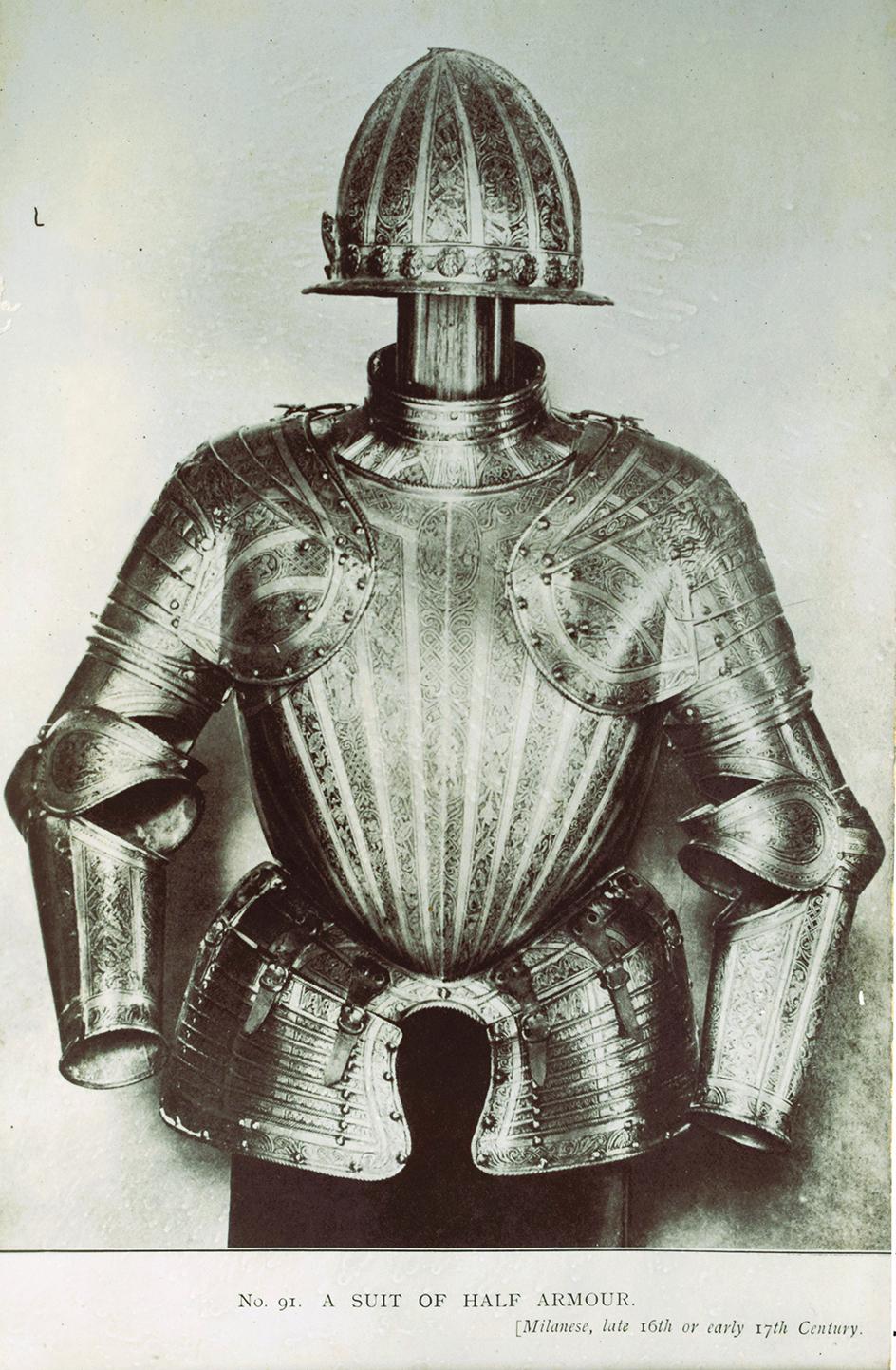
Half-armour of Milanese manufacture
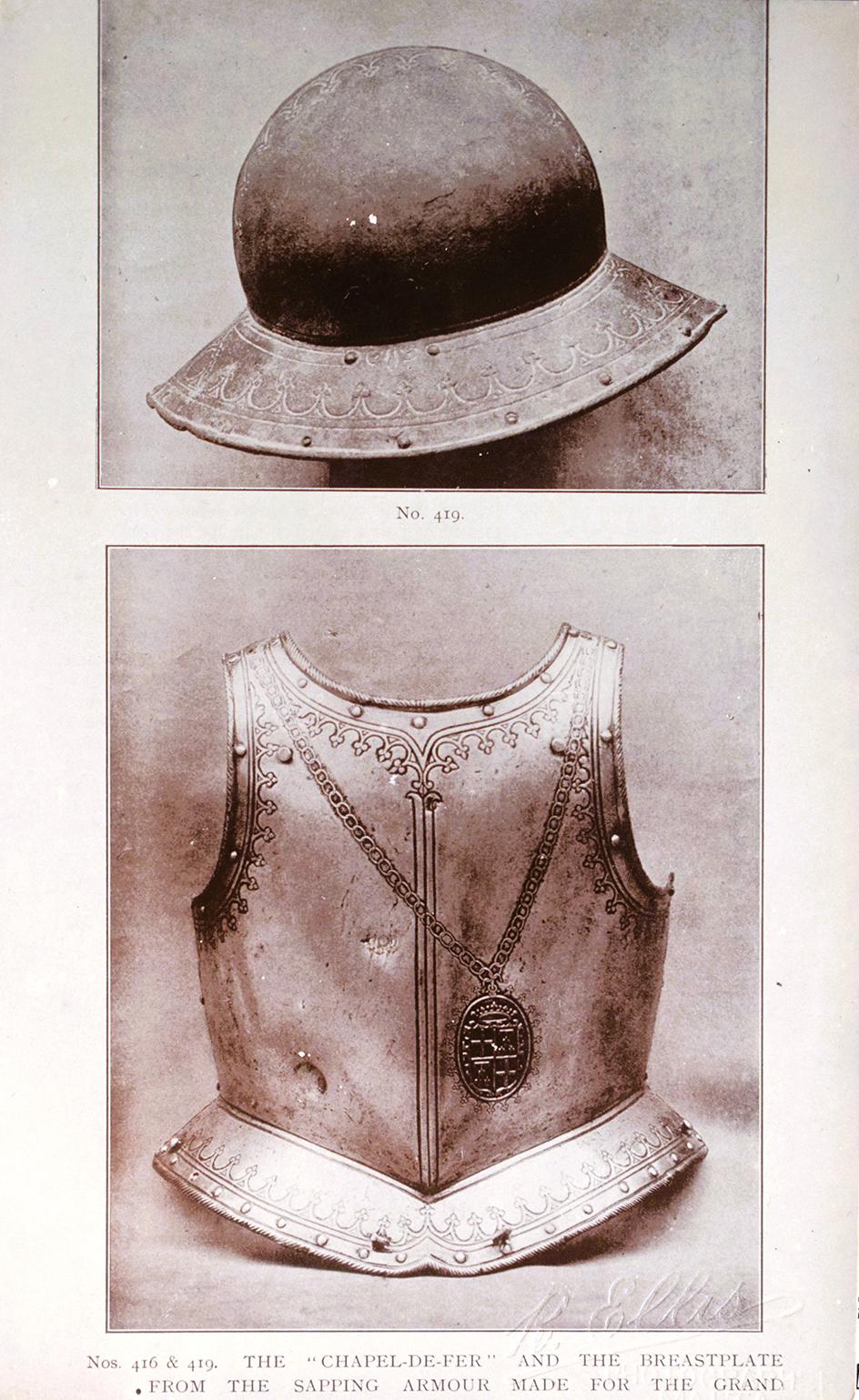
A Richard Ellis postcard of Alof de Wignacourt’s breastplate
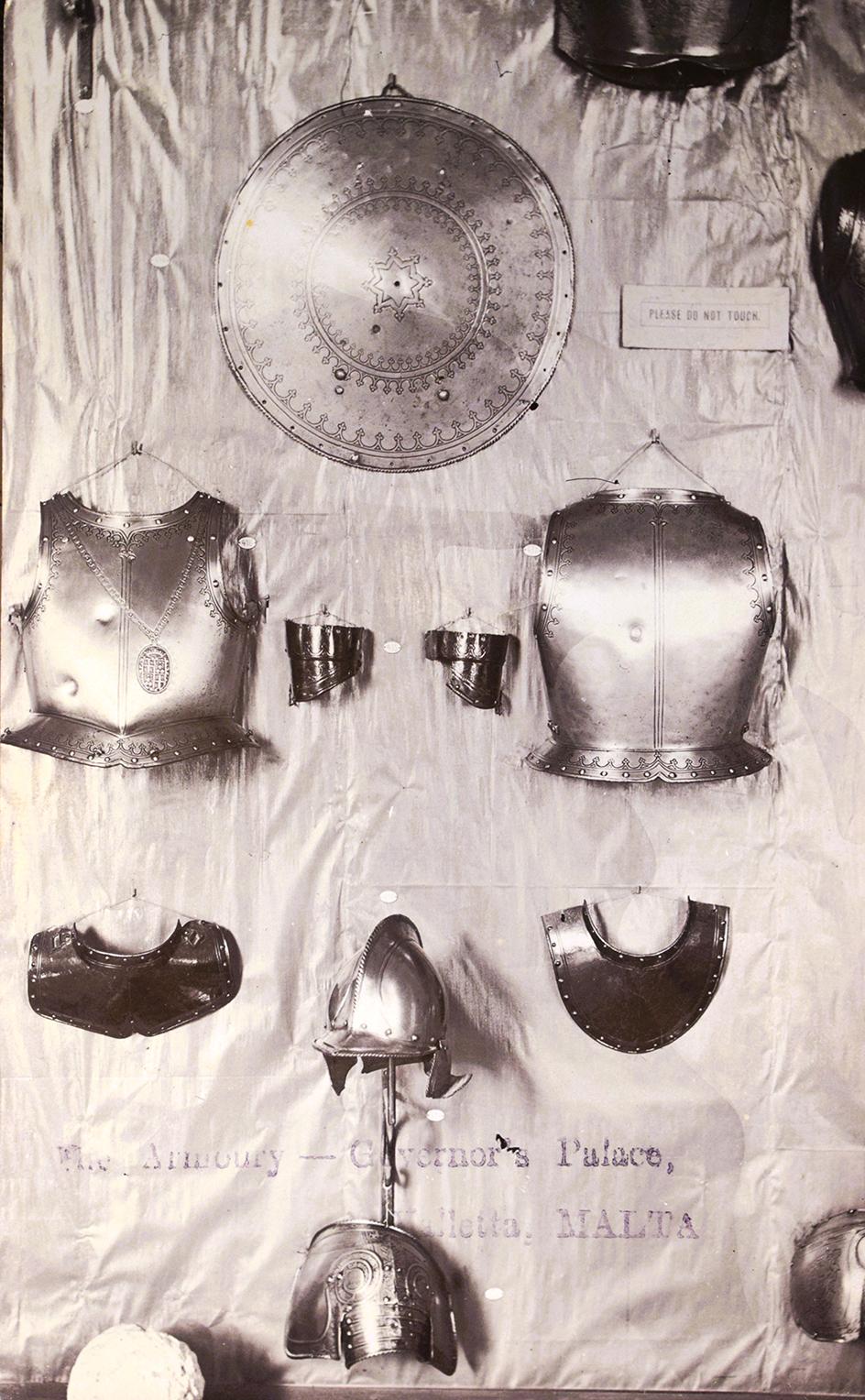
From the earliest set of armoury postcards. Captions inscribed by typewriter.

Pre-war postcard of early swords
Officers ‘borrowed’ suits of armour to use as firearm target practice or to show off in sporting jousts and tournaments. Today, only a fraction survives of what was once one of the most lavish historical armouries in the world.
All images from the author’s collection.
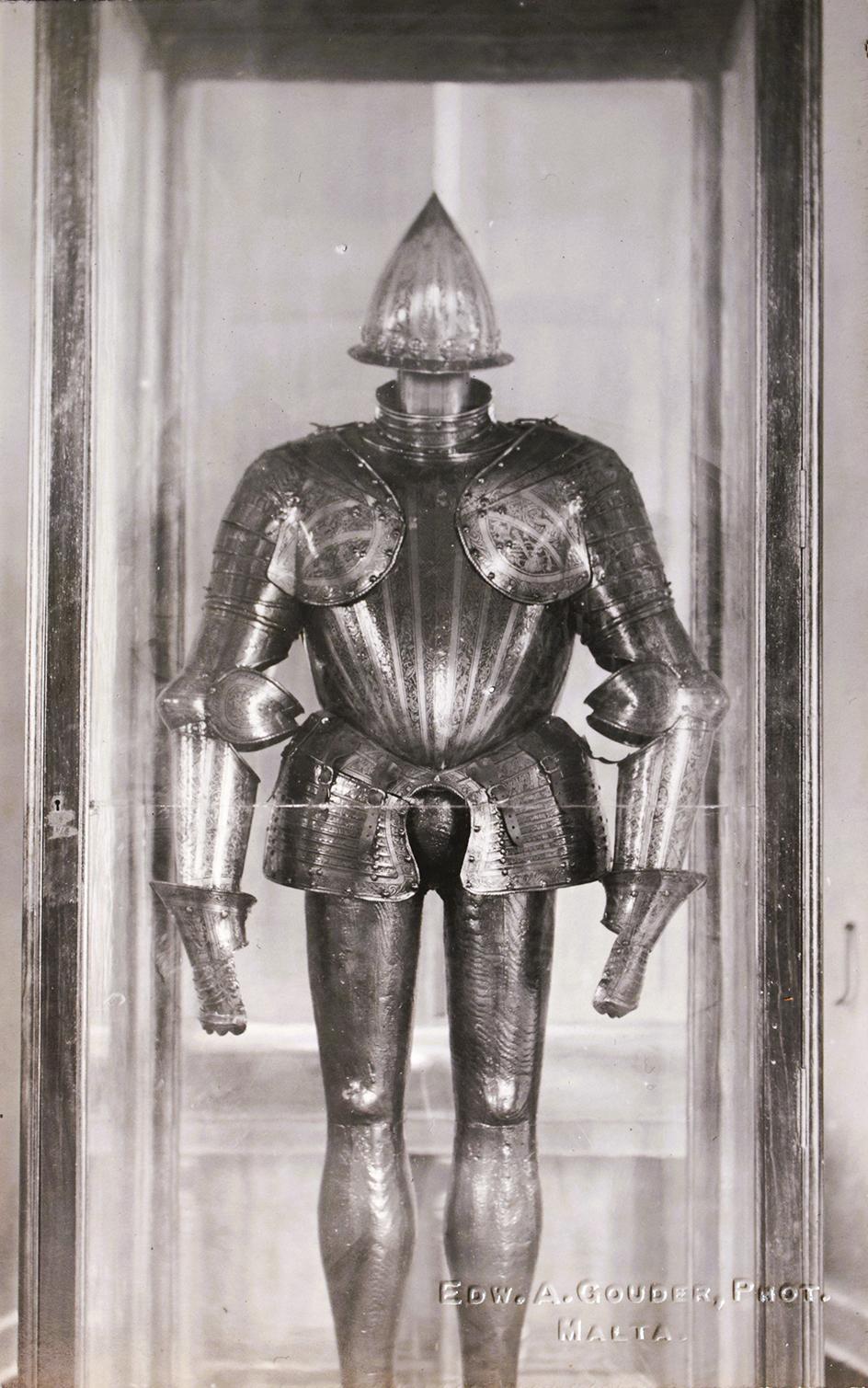
A half-armour from the Palace armoury. A postcard by Edward A. Gouder
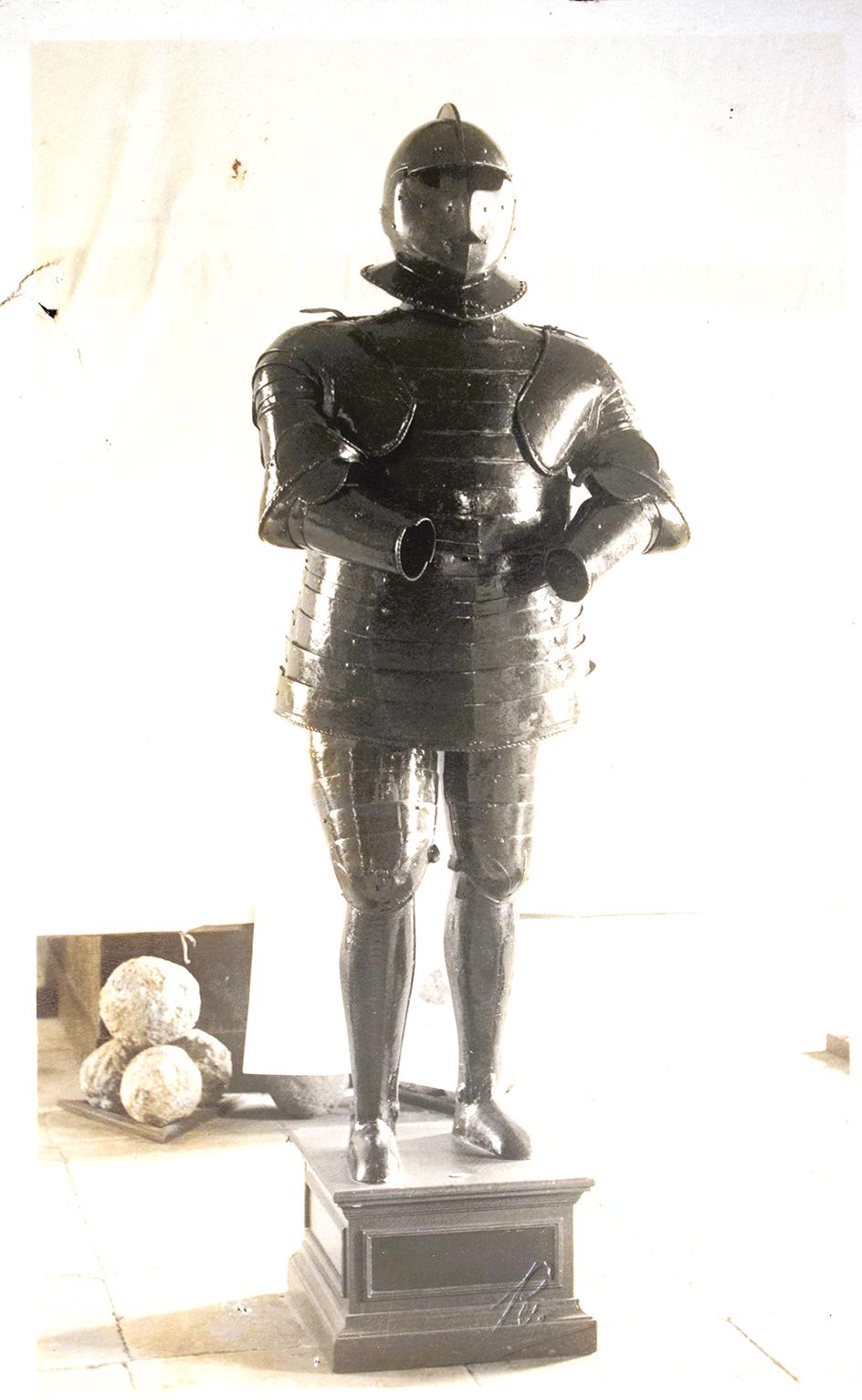
Postcard by Richard Ellis of a full suit of armour

What was traditionally known as the Verdelin suit of armour