In pictures: The old 'ġostra' water sport
One walks on slippery ground when talking of the origin and name of this contest held on some seaside localities’ feast days
Some mystery surrounds the origins of the ‘traditional’ ġostra sea contest held on some feast days in certain localities. Swimming, though practised in Malta from time immemorial, only established itself as a leisure and a sporting activity in the Victorian era. Like other sports, locals presumably took it up to mimic British servicemen and their families.
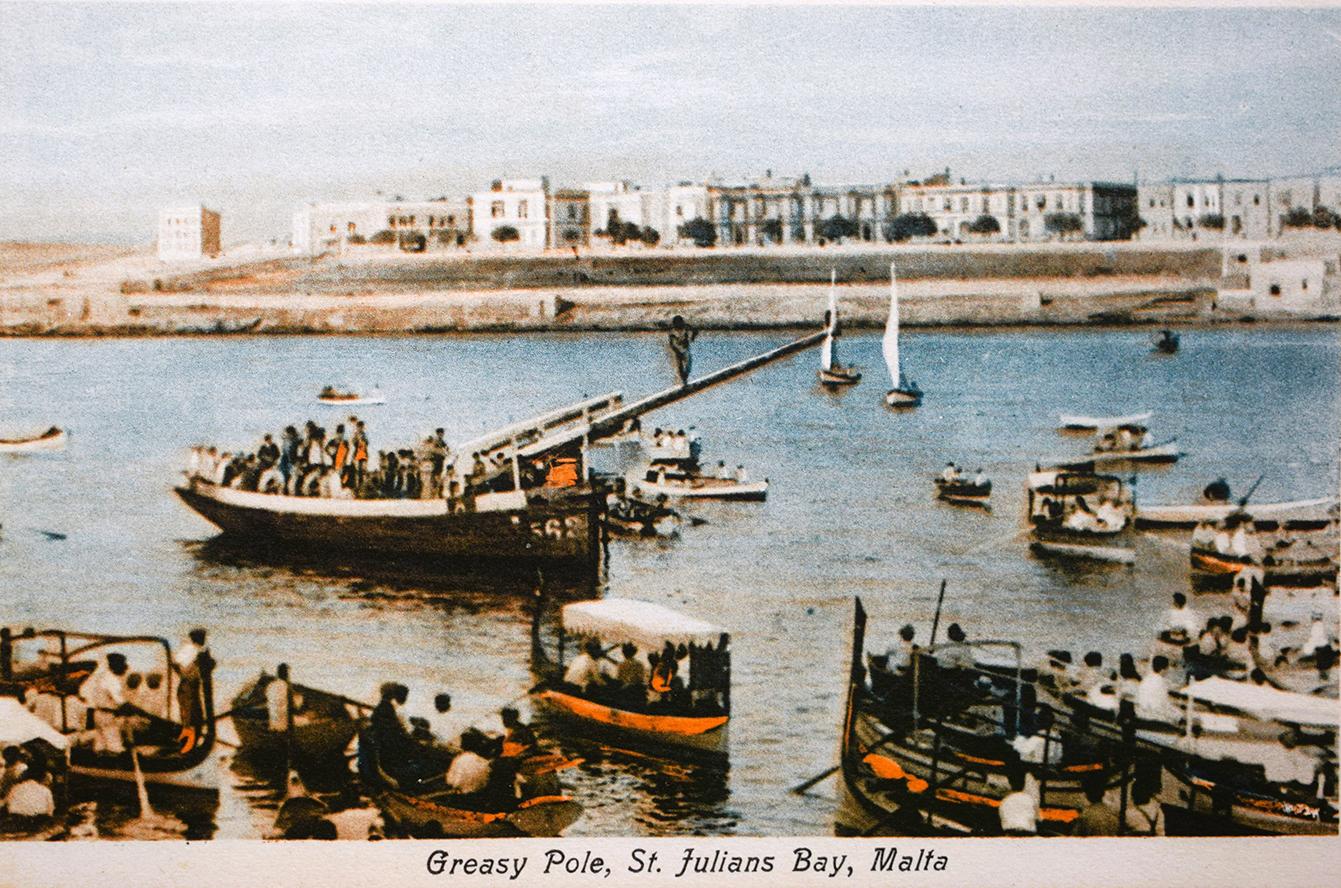 Colourised postcard of a 'ġostra' in St Julian’s, published by Maistre.
It is claimed that the ġostra, allegedly introduced by Grand Master Marc’Antonio Zondadari in 1721, predates all this by well over a century. That may well be, though I’ve not came across reliable documentation in support and would gladly be proved wrong.
The name of the contest adds to a general ambiguity
Even the name of the contest adds to a general ambiguity. Giostra, a very Italian word, in Malta has morphed to mean anything but what its original Italian stands for: a binary joust as a chivalric show of force and dexterity or a wheel carousel in a games park. More accurately, ours would be a water cuccagna, not a giostra.
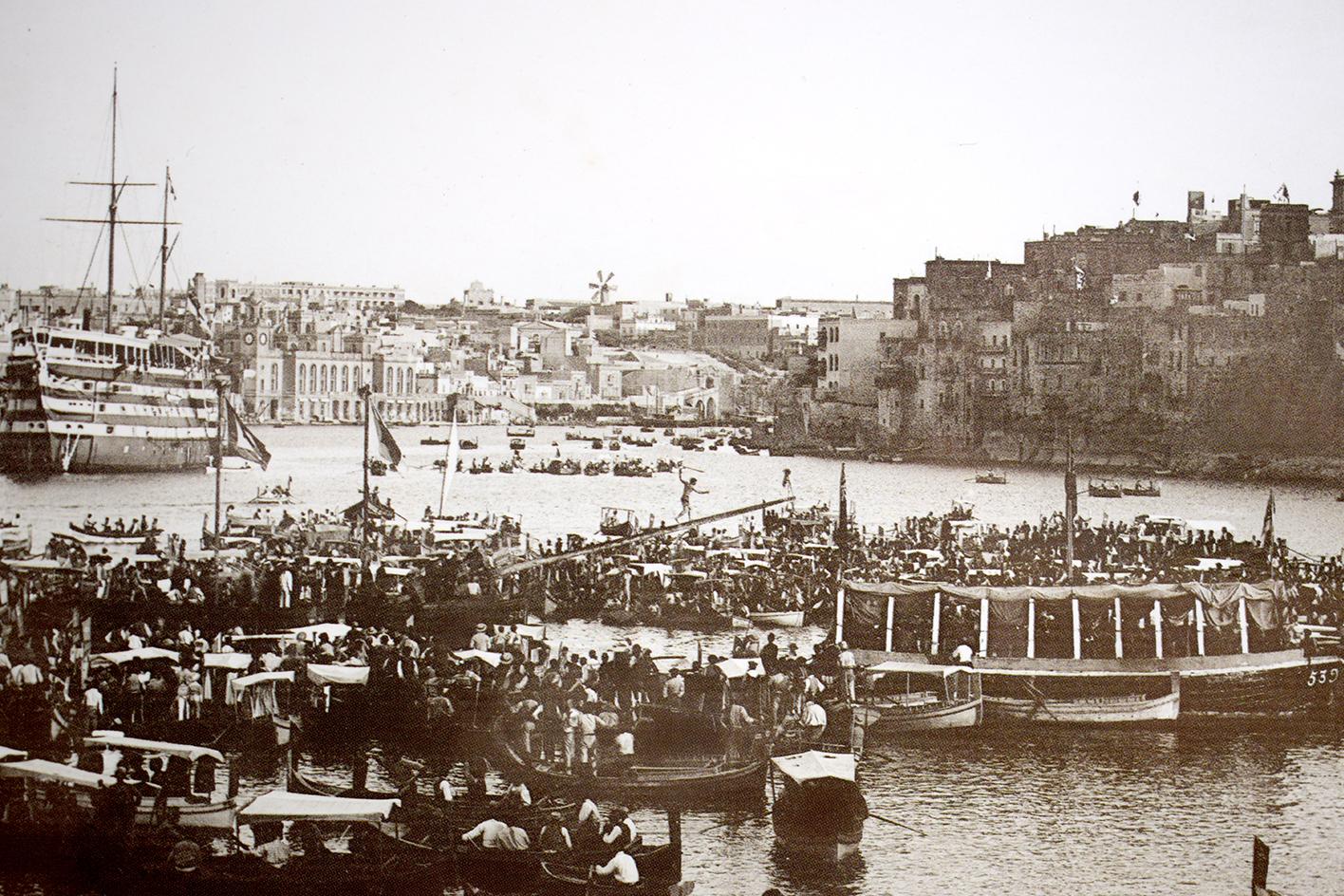
'Ġostra' in Grand Harbour by Richard Ellis, early 1900s.
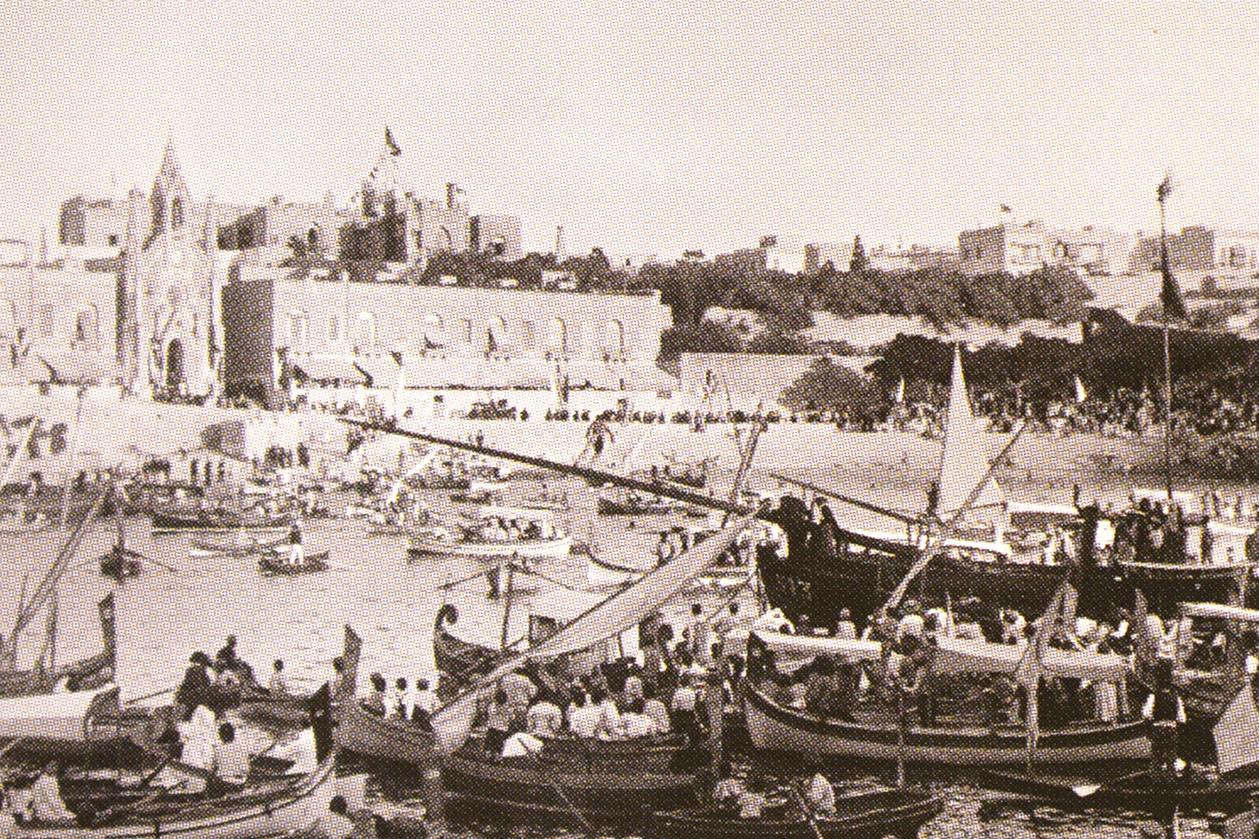
The 'ġostra' held in St Julian’s at the turn of the century, as seen by Richard Ellis.
Today, the greasy pole goes hand-in-hand with the feast of the patron saints in Msida and St Julian’s but also with Xlendi, and Grand Harbour in early September, around Victory Day.
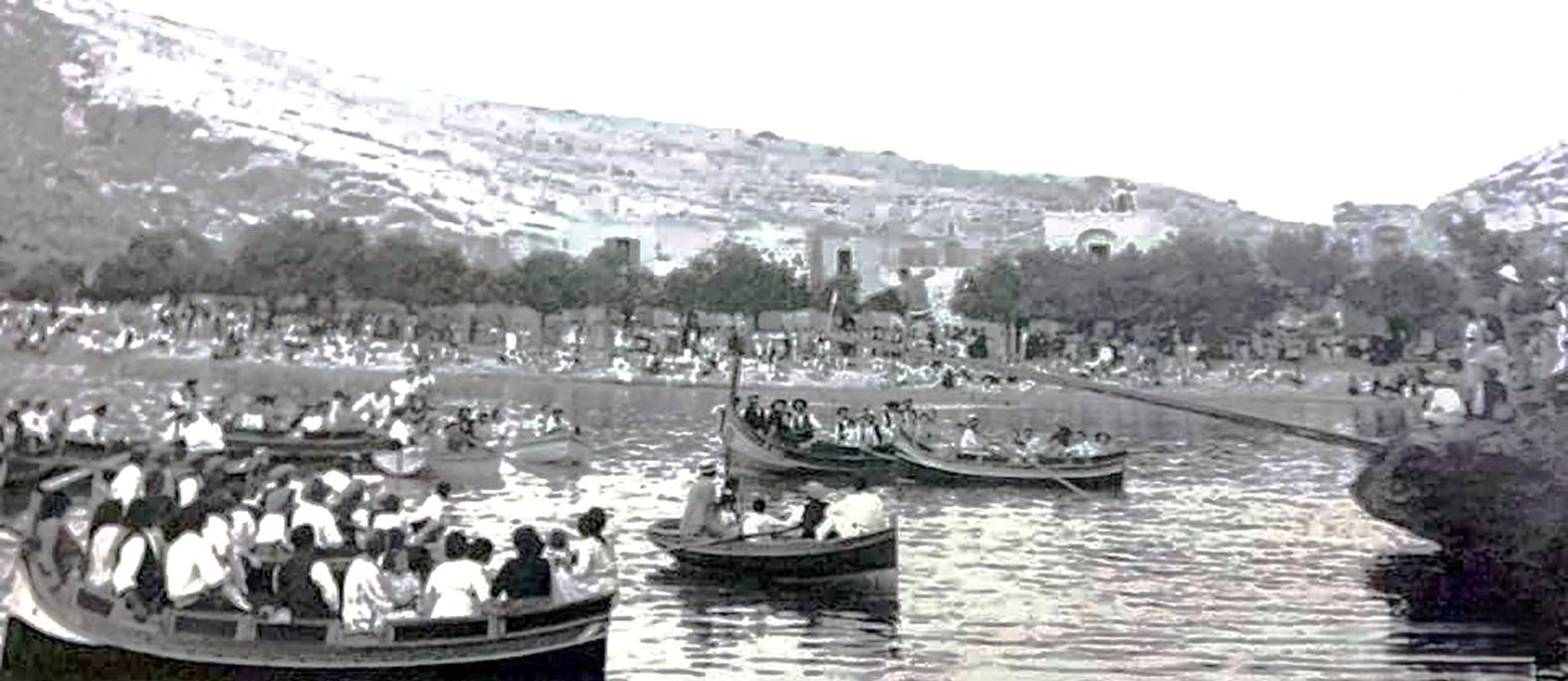 Greasy pole contest in Xlendi, 1920s?
Participants take their turn to walk up a well-greased pole jutting out at an angle, to grab a flag without first falling in the sea below.
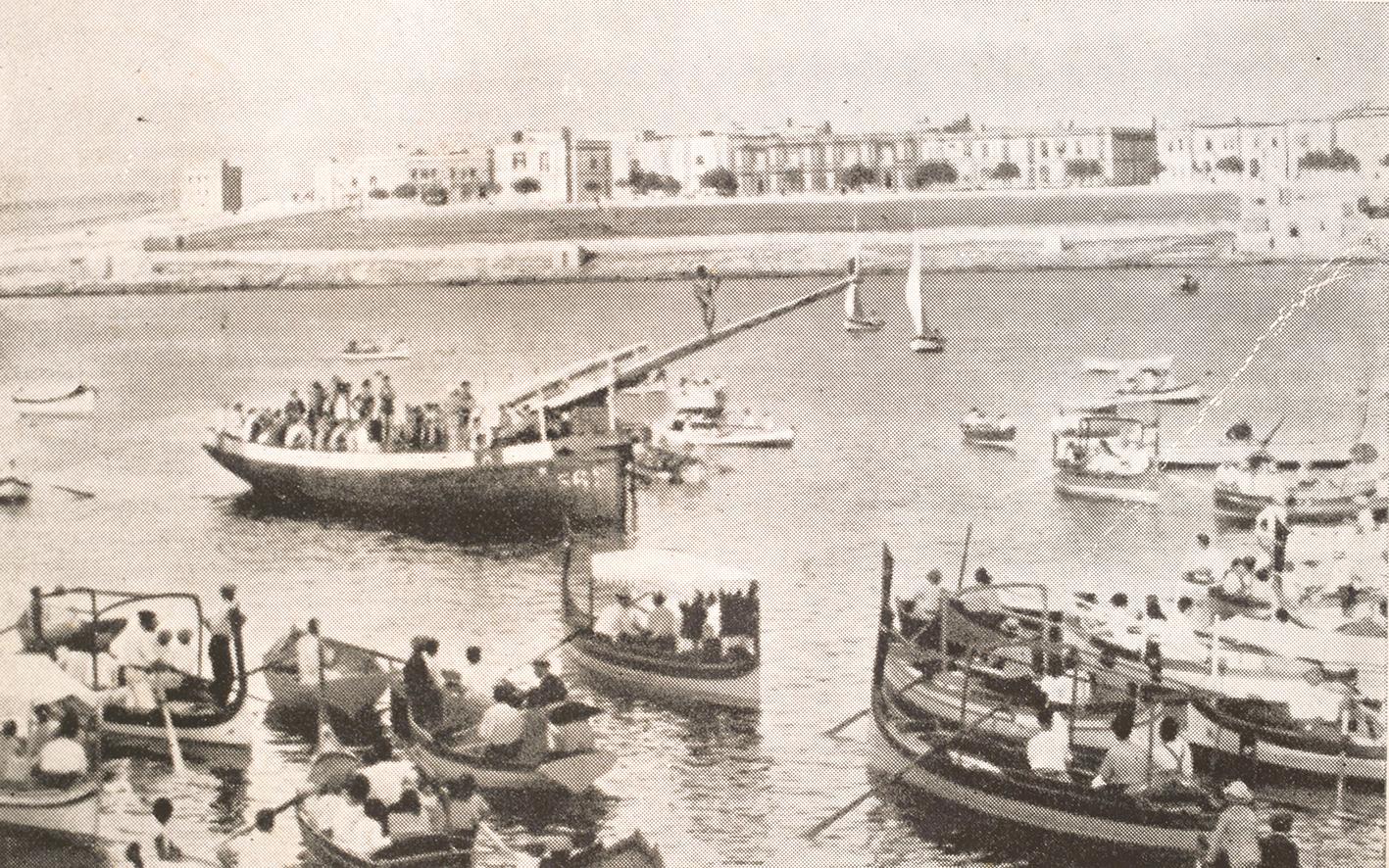 A postcard issued by an unidentified producer used the same 'ġostra' photograph as that on the cards produced by Maistre.
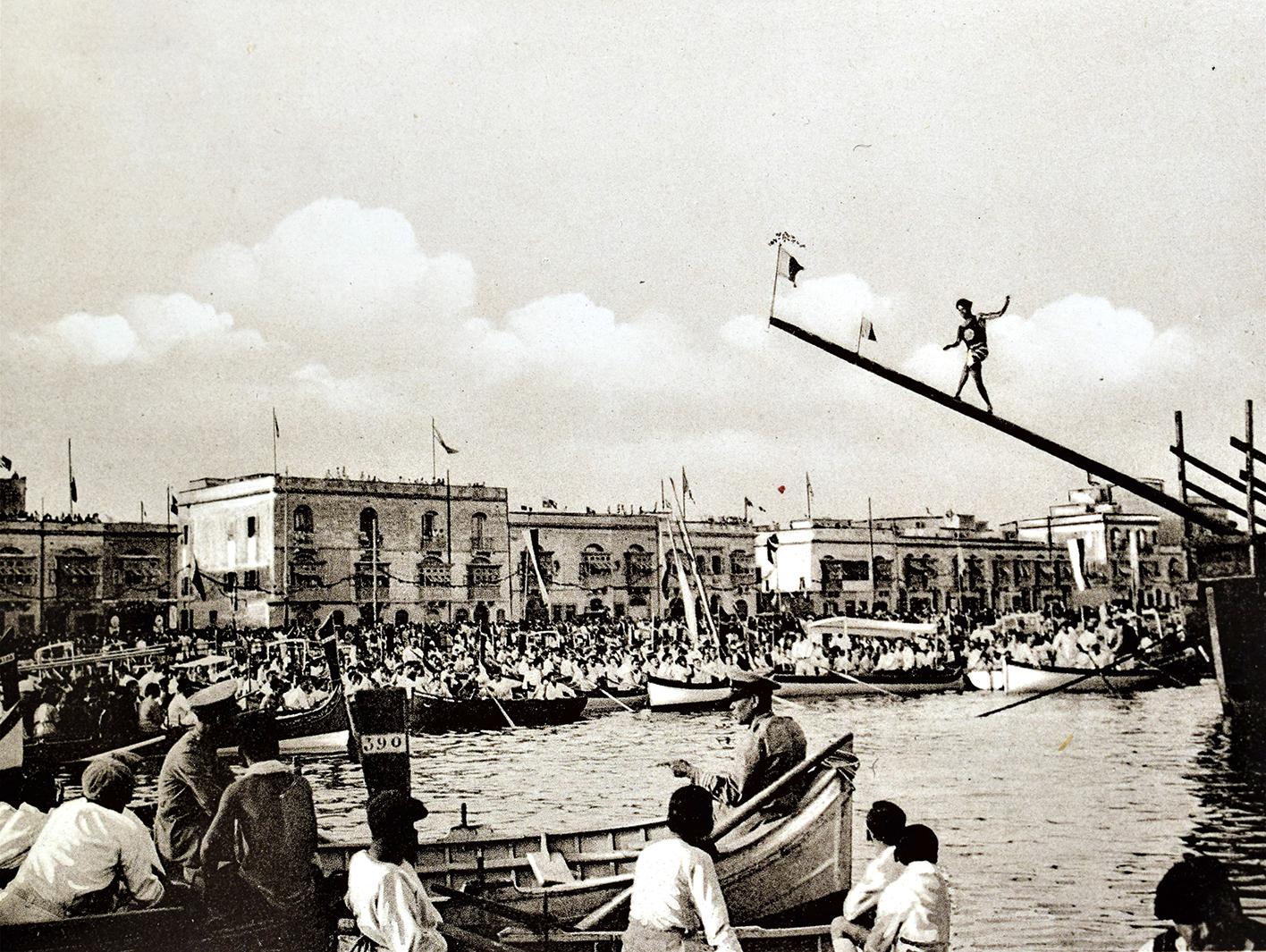 Geo Fürst included this 'ġostra' in Msida in one of his 1930s postcard series.
Few postcard publishers considered images of the ġostra attractive enough to lure buyers, though a colourised one by Vincenzo Galea, from very early 1900s, exists. Later, Geo Fürst, Maistre, Richard Ellis and Mikiel Farrugia joined a rather meagre list. Fans of Floriana football club in 1949 produced a ġostra satirical card to rile their rivals Bormla St George’s, ta’ Baħarhom, after defeating them 5-0.
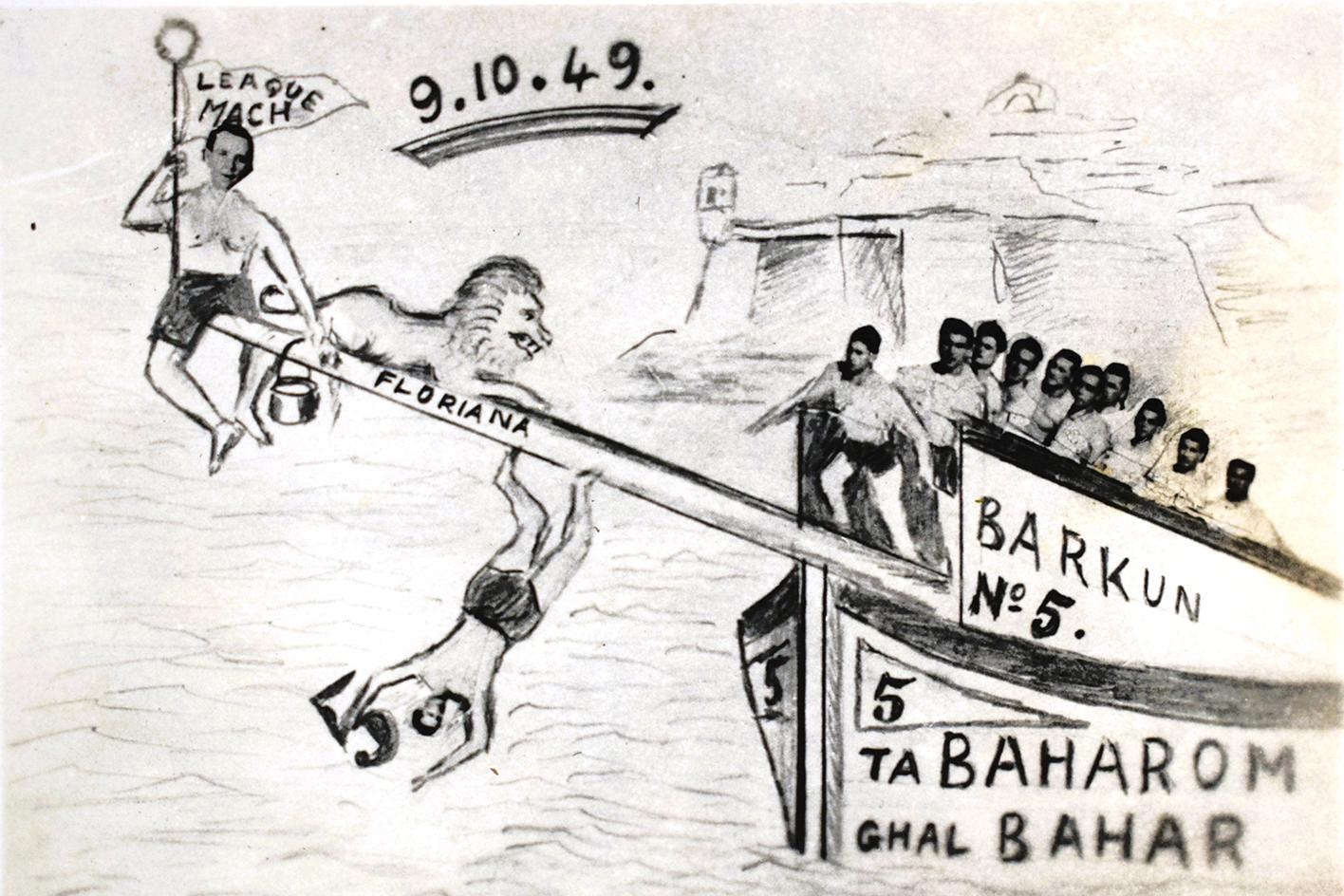 After defeating Bormla St George’s in 1949, Floriana FC fans issued this satirical 'ġostra' card.
Most images are from the author’s collections
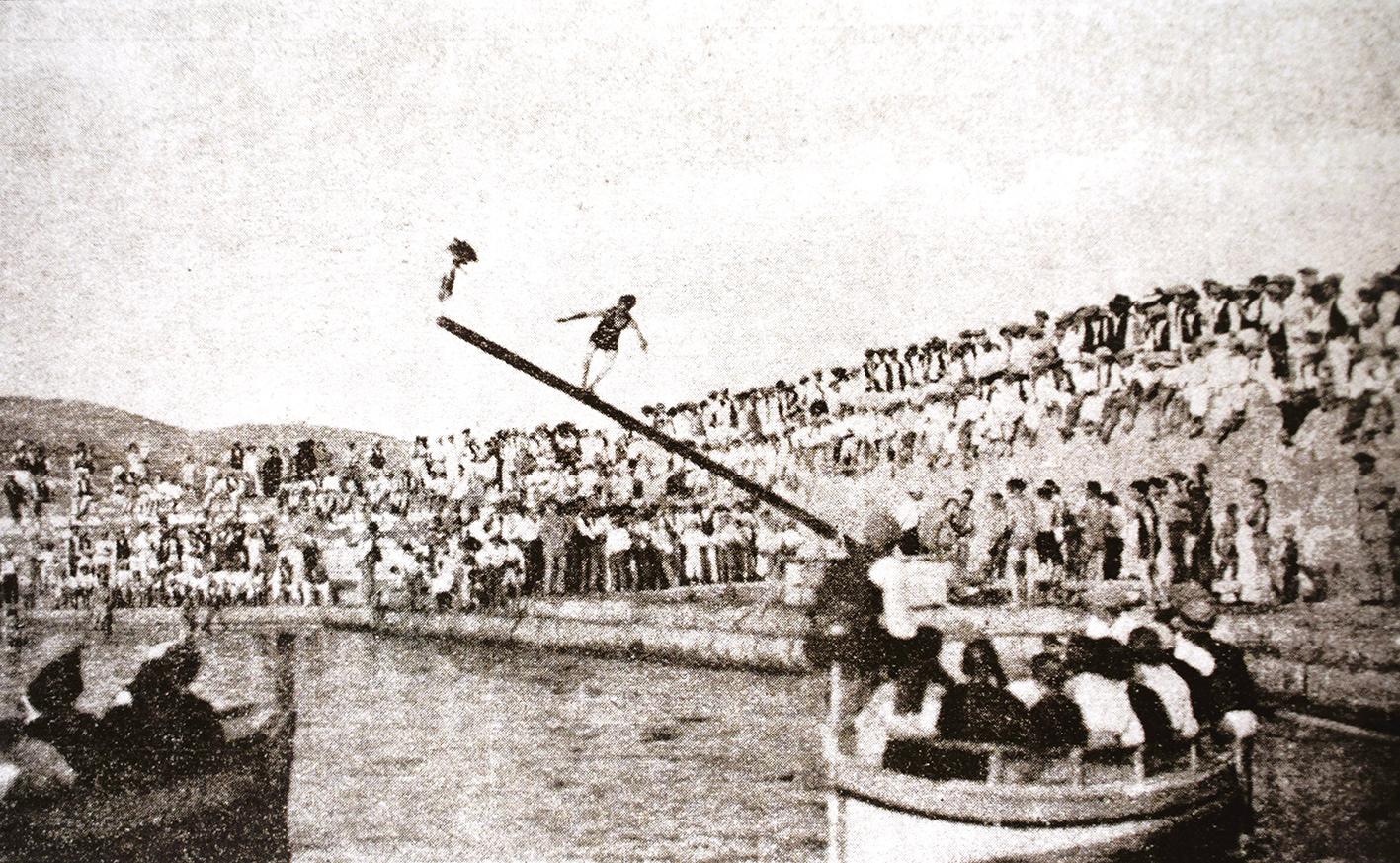 'Ġostra' in Xlendi, 1910s, by Mikiel Farrugia, 'il-Badiku'.