In pictures: The order’s antique cannons in Malta
Of the Hospitaller Order’s 350 bronze cannon found on the island in 1800, the British left only 13 of the less spectacular ones
Immediately after the French left Malta in 1800, the British ordered an inventory of all the ordnance of the Order of St John still on the island. They recorded 350 bronze cannons, besides a considerable number of cast iron guns and howitzers.
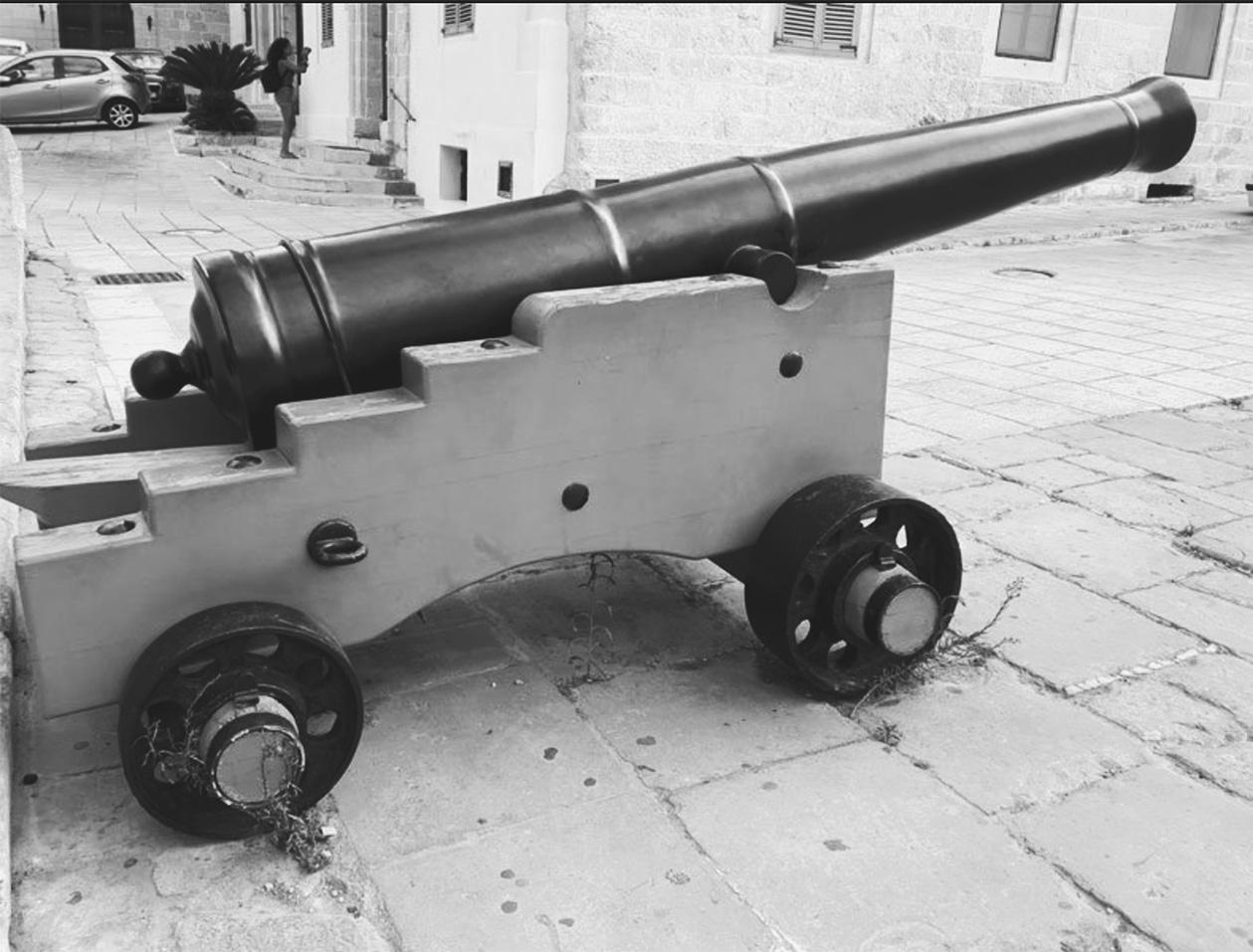 The replacement of one of the two bronze cannons placed in front of the Mdina Cathedral after World War II.
By 1838, not a single cannon had remained in Malta. Not one! Most had been shipped to Britain, others had been privately plundered by military officers and clandestinely sold as scrap. The first British governor, the tyrannical Sir Thomas Maitland, distributed some to parish priests to turn into church bells, as if they belonged to him, in a desperate effort to buy their very reluctant respect.
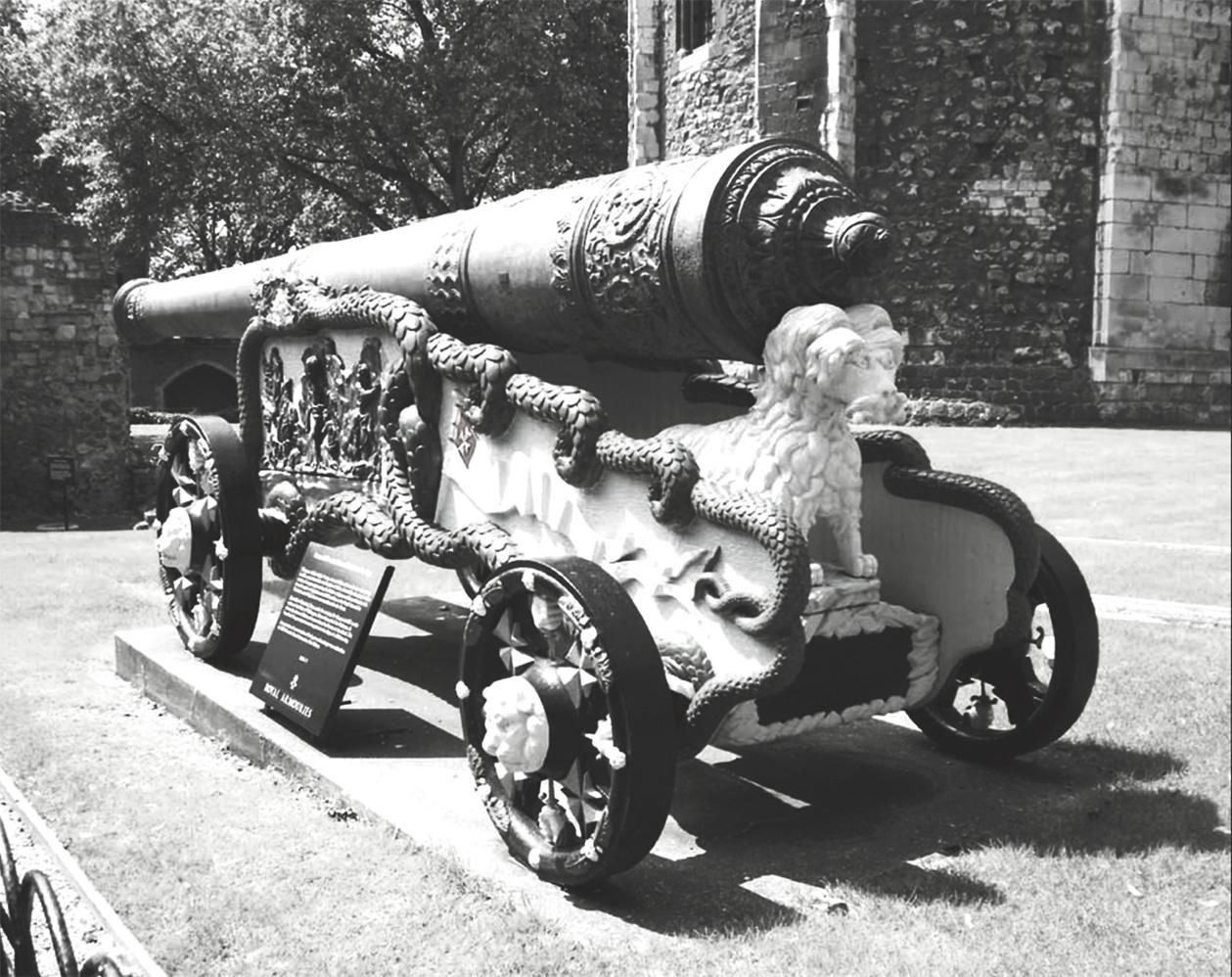 The Wignacourt culverin from Malta, now within the Tower of London compound.
A favourite ditty by our grandfathers mocked Maitland’s flat tombstone in the Upper Barrakka: “Here lies the giant great/traveller, stop and urinate.”
In 1888, Britain shipped 13 of the less spectacular bronze ordnance back to Malta. But none of the museum howpieces
In the latter third of the 19th century, the more articulate patriots started protesting against the systematic official and private looting of cultural artefacts and clamouring for their restitution. A good governor, Sir Lintorn Simmons, endorsed their cries and pleaded with London to return the plundered weaponry.
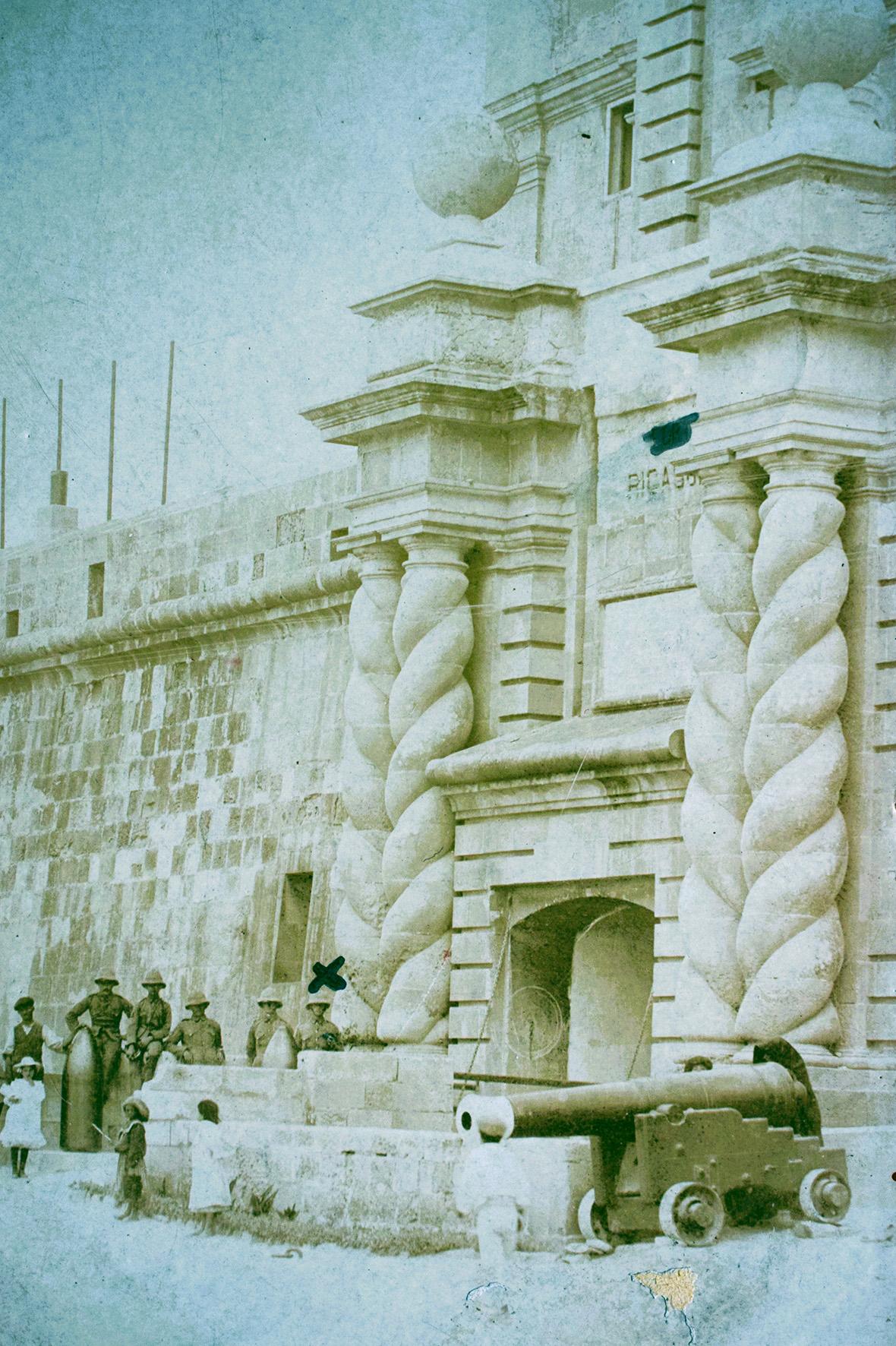
Two cannons guarding the gate of Fort Ricasoli. A 1909 postcard

The stone cannon that supplied water to ships in Grand Harbour at the time of the Order.
In 1888, Britain shipped 13 of the less spectacular bronze ordnance back to Malta. But none of the museum showpieces, like the unique Ximenes baroque cannon or the Wignacourt culverin, found their way home.
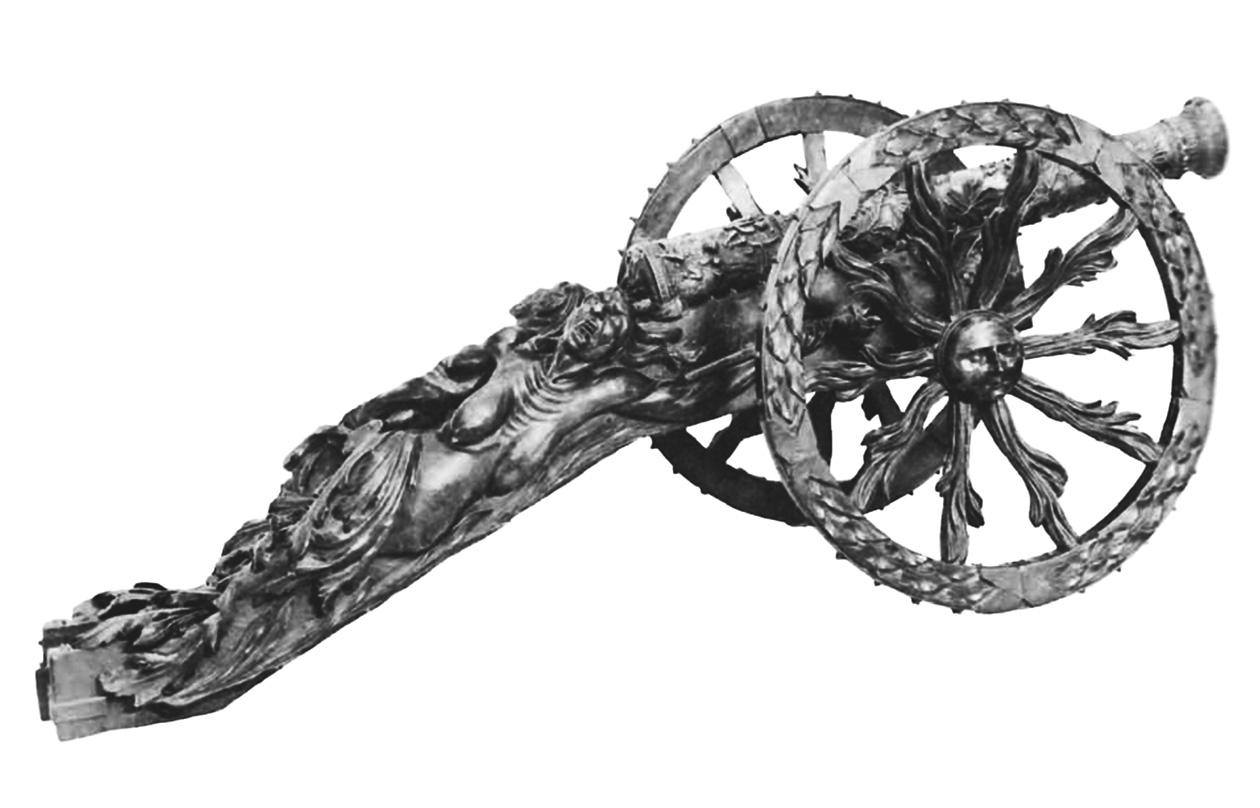 The unique baroque Ximenes cannon from Malta, now in the Nelson Armoury in Portsmouth.
What happened to some of the repatriated cannons could not have been more incongruous. Pairs were placed at the entrance of important churches – St John’s, the Mdina and Gozo cathedrals – to greet with murderous salvos any faithful approaching the house of God.
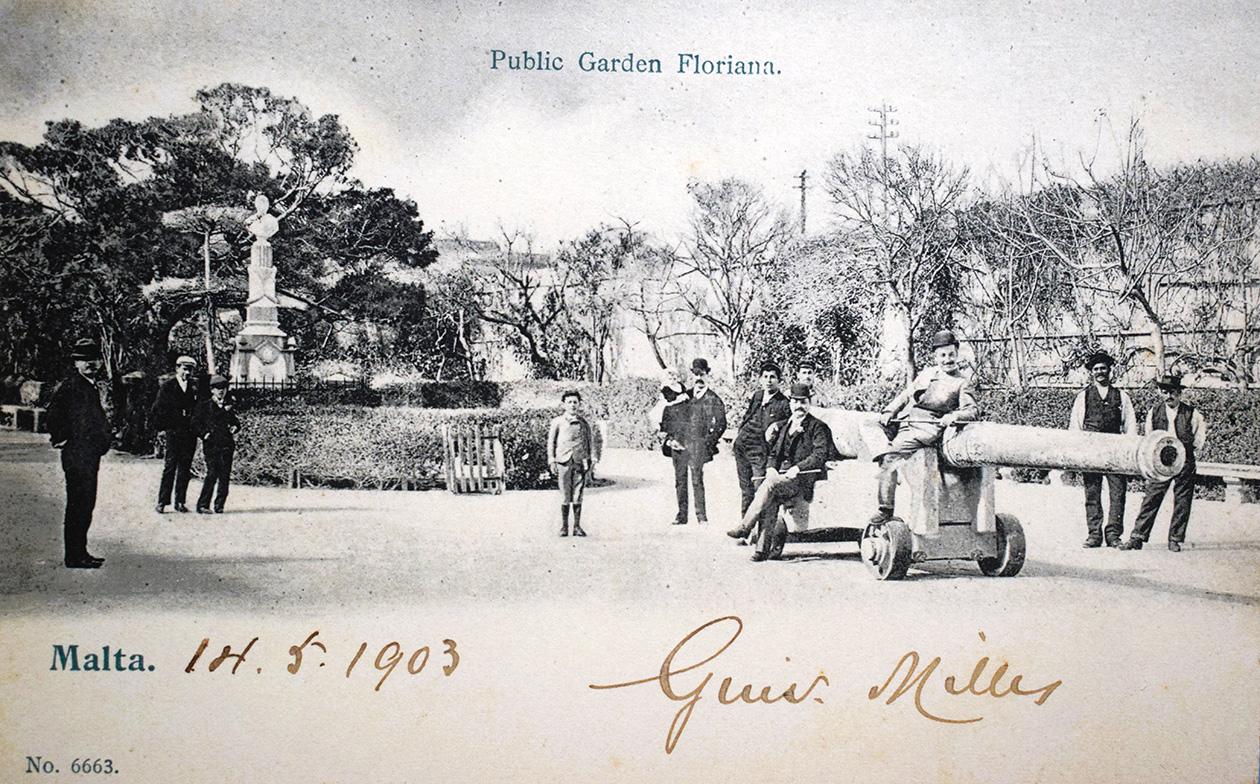
A 1903 postcard of the bronze cannon facing the Maglio gardens.
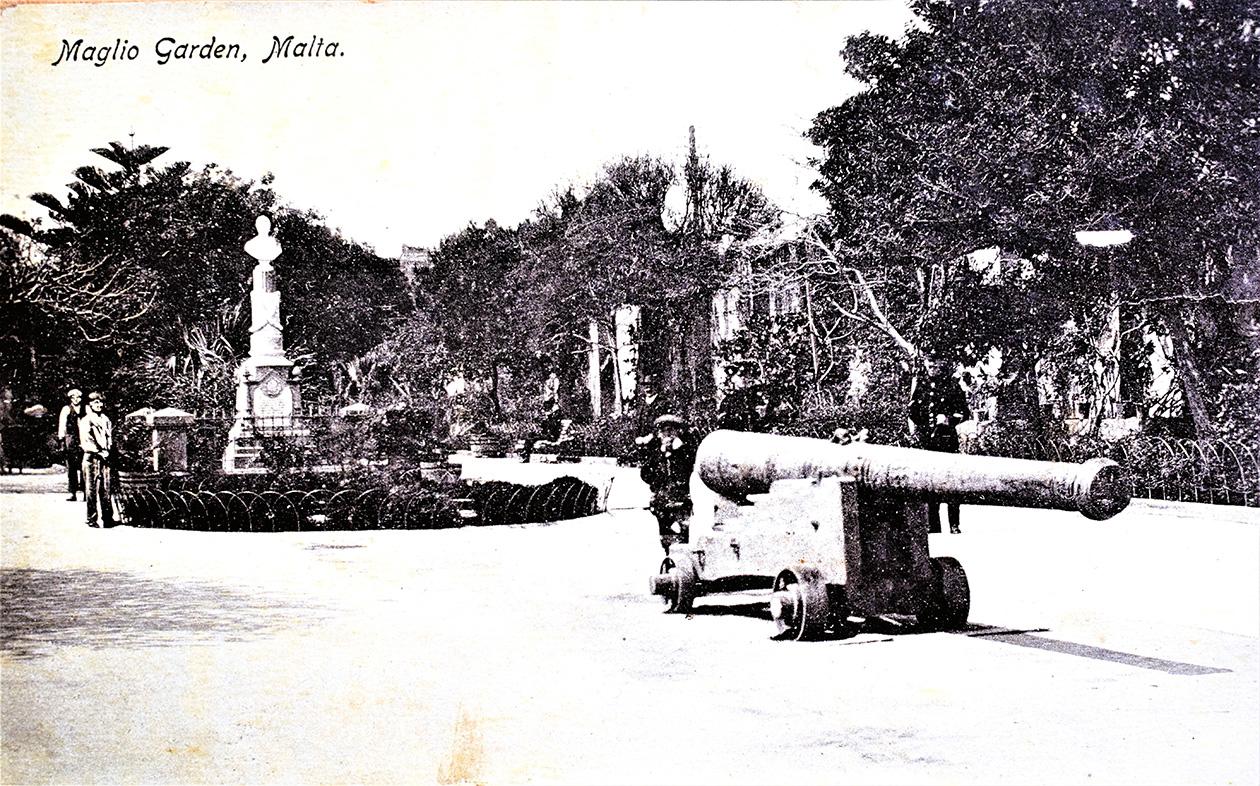
Another early postcard of the bronze cannon fronting the Maglio gardens in Floriana.
Others graced Castille, the Main Guard, the Upper Barrakka entrance and the Maglio gardens. Today, most have pride of place at the Maritime Museum, Vittoriosa. But the best are gone.
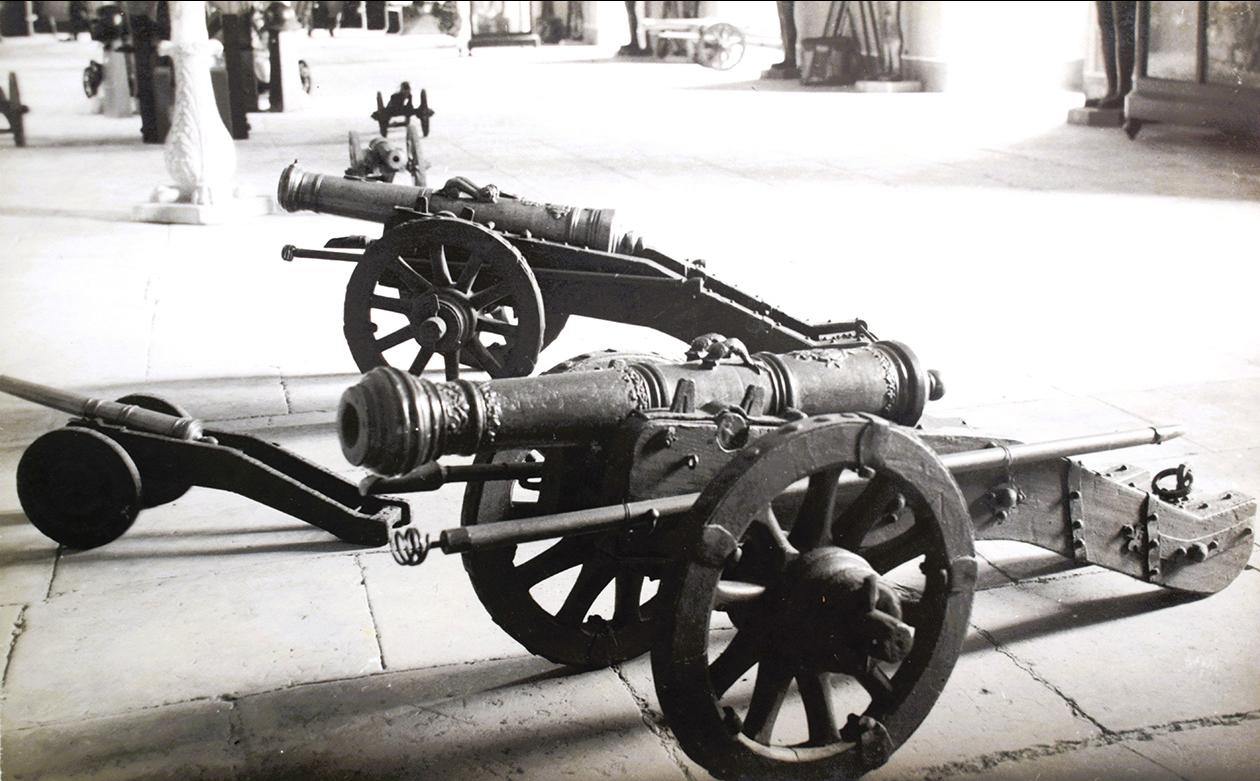 Three small bronze cannon. Pre-war armoury postcard
All images from the author’s collections.
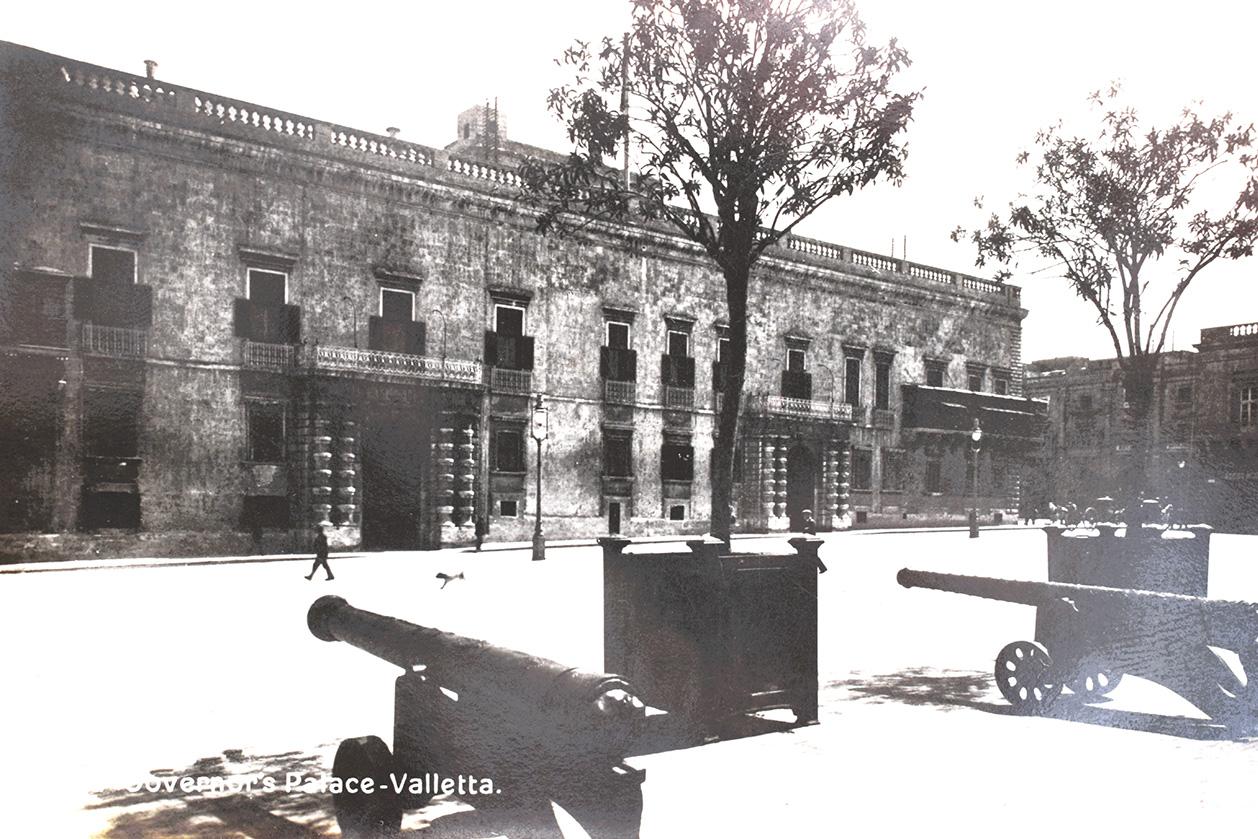 A 1930s postcard showing bronze cannon on Main Guard Square facing the Governor’s Palace.
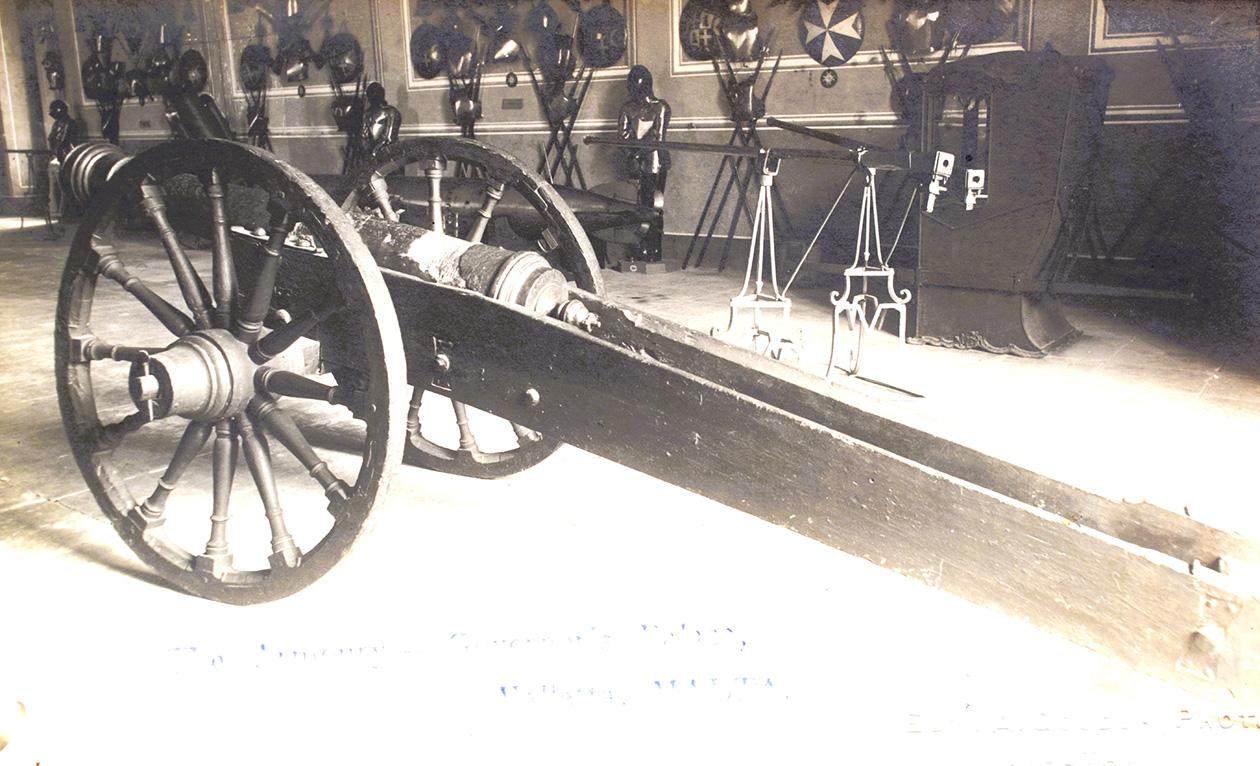 An Edward Alfred Gouder 1920s postcard of a cannon at the Palace armoury