At St John's, a windowless 45m structure to protect 17th-century treasures
A look inside the ambitious museum project at St John’s Co-Cathedral
As scaffolding comes down on the windowless 45-metre structure linking two Valletta streets, the St John’s Co-Cathedral Museum is about 30 months from completion, barring any “surprises”.
That façade, made of 2,300 blocks weighing between 150kg and one tonne, encloses a nine-metre-high room just large enough to display 29 baroque tapestries currently in storage at the co-cathedral.
Behind the blocks, assembled like a jigsaw, the new Tapestry Chamber that is waiting to swallow visitors will be accessed by a glass capsule lift. Because the structure has no windows or doors for climate control, it will be accessed through an entrance in the ground.
Cased in a copper shaft, the concept behind the capsule was to avoid blocking views of the Rubens tapestries that will drape all four walls as it lifts visitors into the chamber.
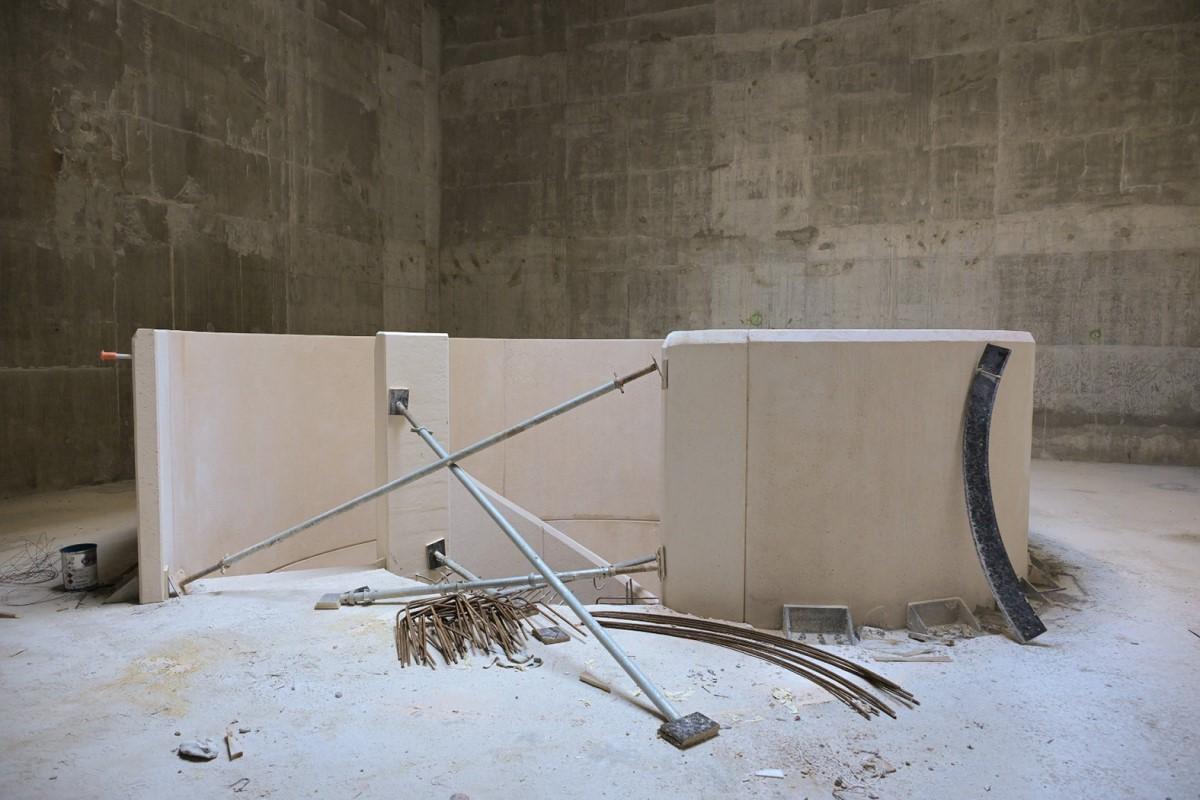
The hole into the Tapestry Chamber
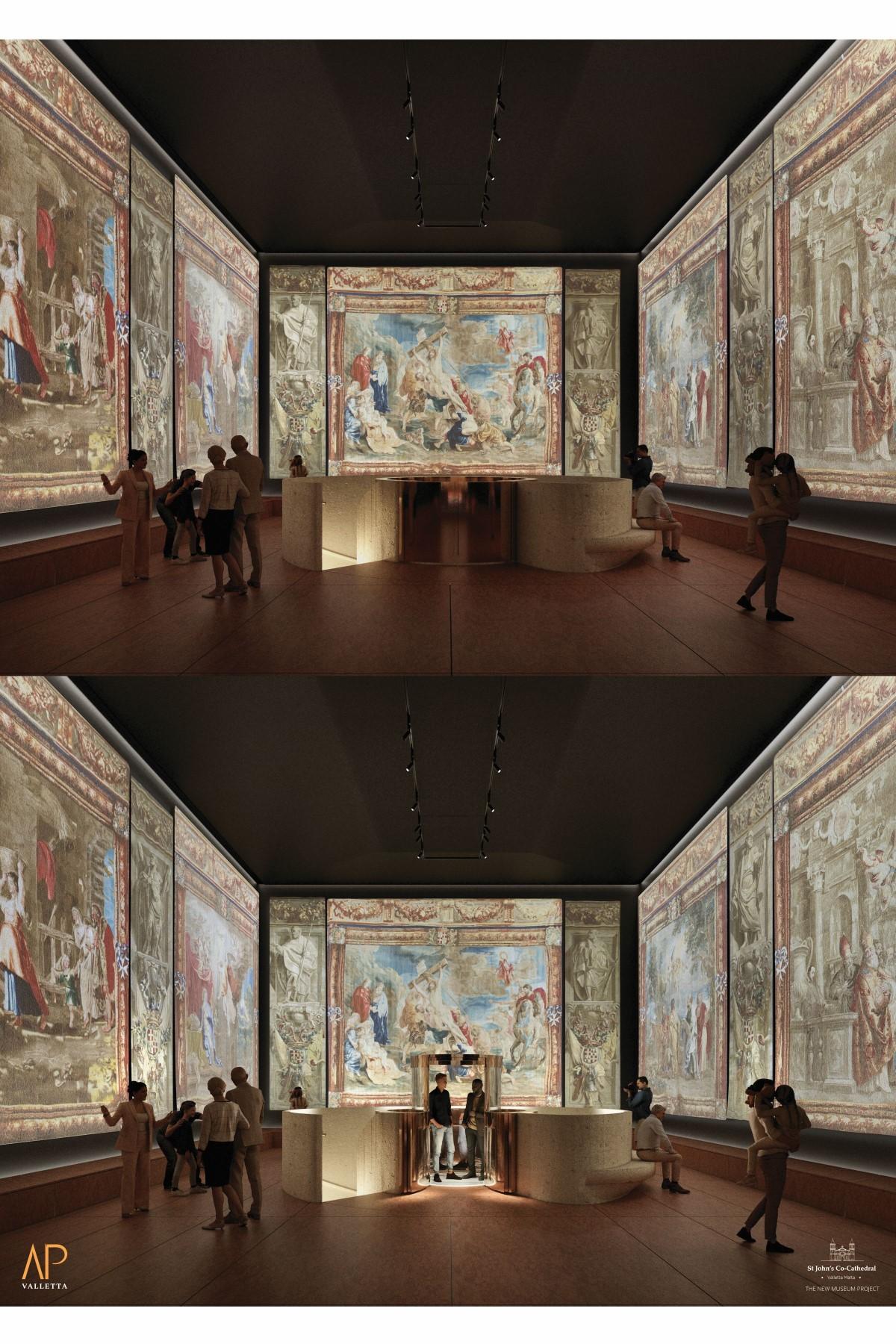
Artist's impression of the Tapestry Chamber
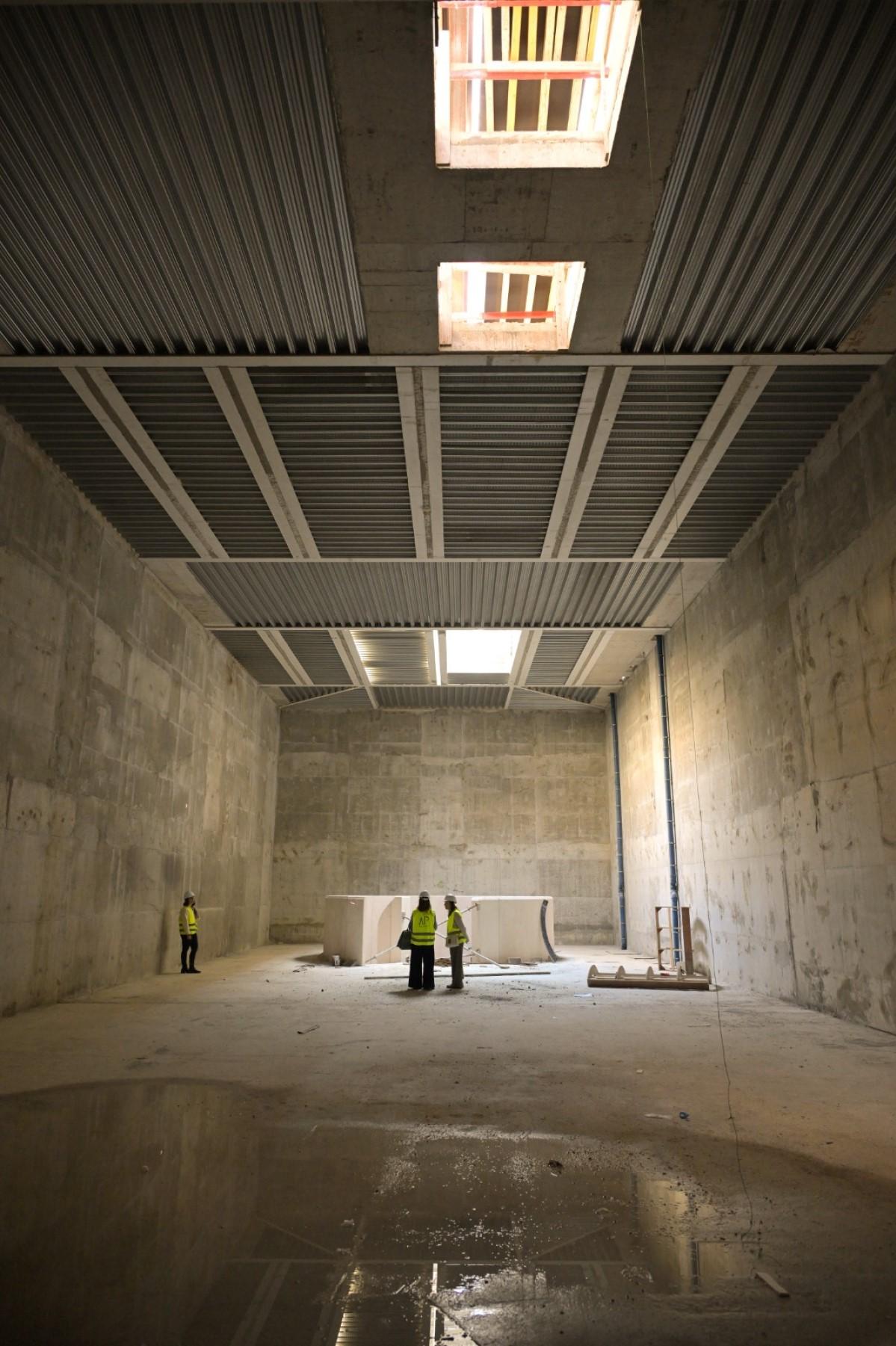
The new Tapestry Chamber
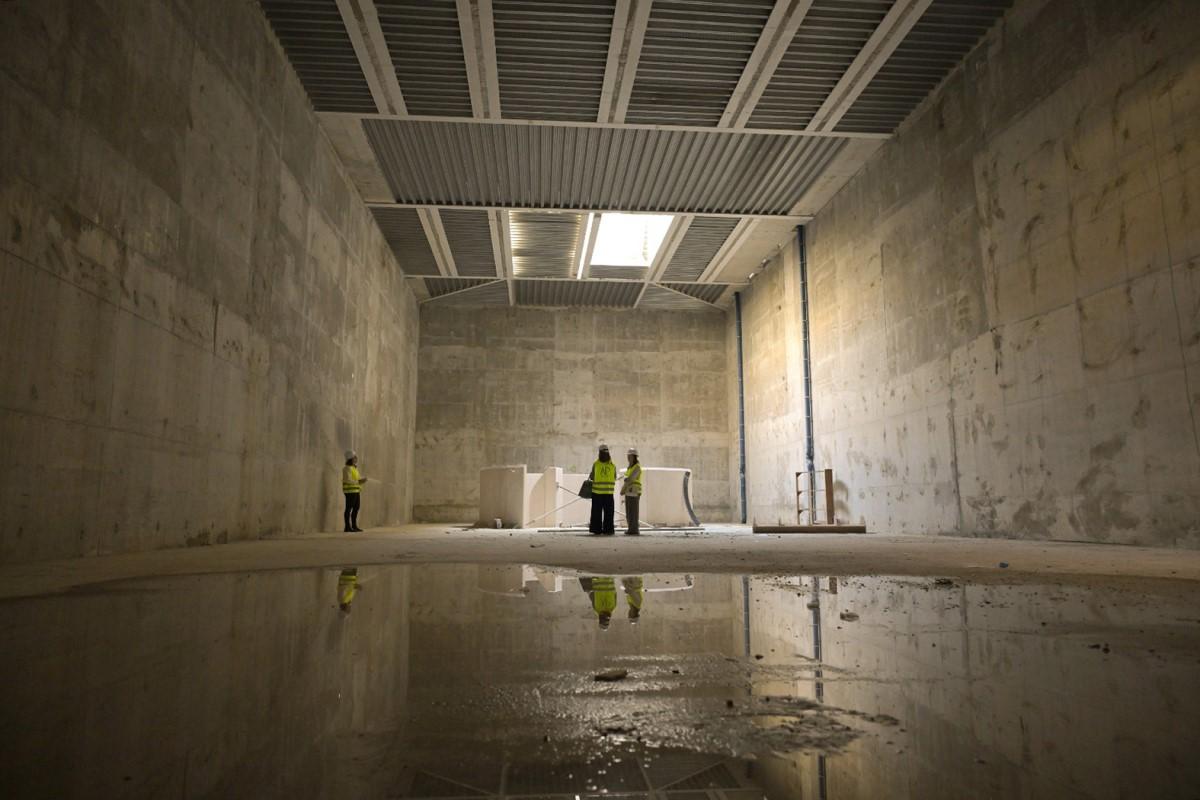
The new Tapestry Chamber
Visitors can also use a wide spiral staircase, already in place. Made from precast concrete panels, the staircase has a red finish chosen after extensive sampling, and appears almost suspended.
“The staircase is designed to feel the warmth of an enclosed space as visitors move from the confined area to the contrastingly huge chamber,” said Danica Cachia Mifsud, the architect and structural engineer leading the AP Valletta team, entrusted with the mammoth project.
Designed like a spring, hung from the Tapestry Chamber floor, slits in the concrete show that parts are not touching the sides.
The closed-box structure was considered a “saving grace” because it meant the whole perimeter could be used – and the tapestries could just about fit “exactly”, said Cachia Mifsud.
Their “home is here” and the idea was to have the museum close to the co-cathedral so visitors could experience both together.
The chamber is also “ridiculously large” because visitors need distance to appreciate the tapestries fully. A ceiling winch has been installed to lift the tapestries through a hatch after architects realised they could not be brought in via the stairs.
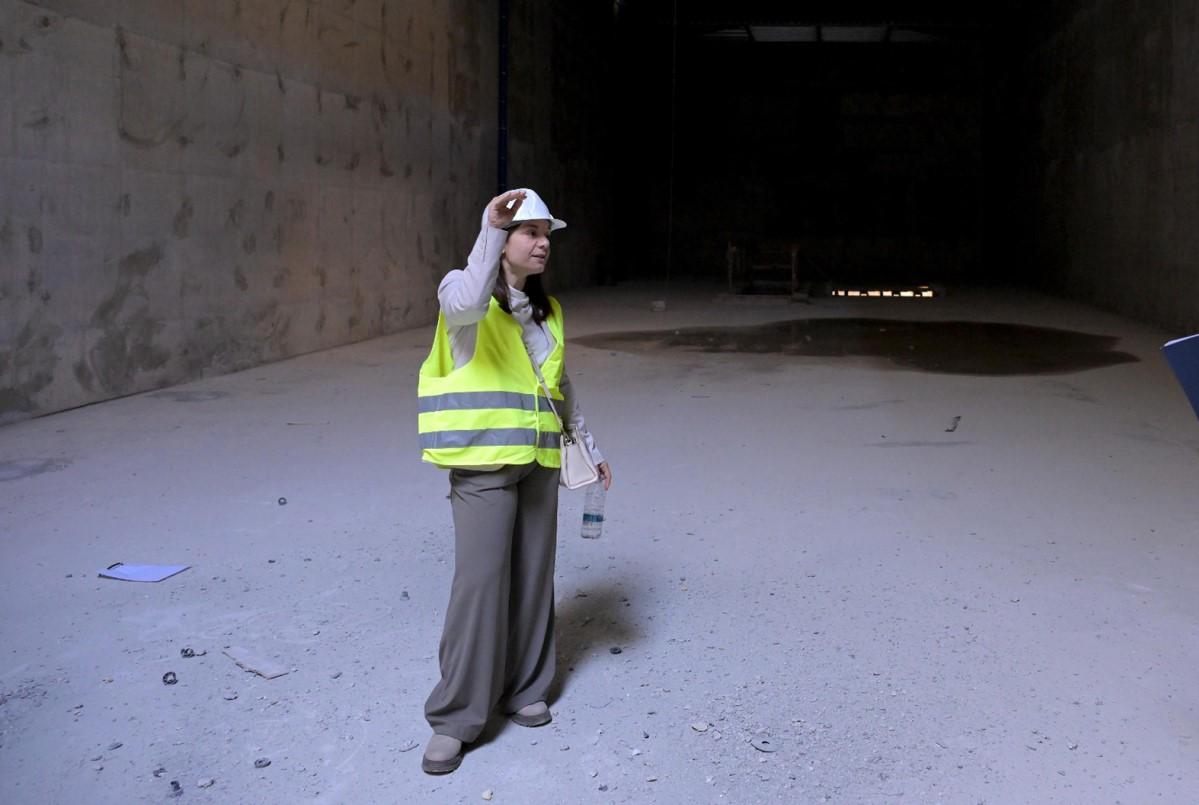
Project architect Danica Cachia Mifsud
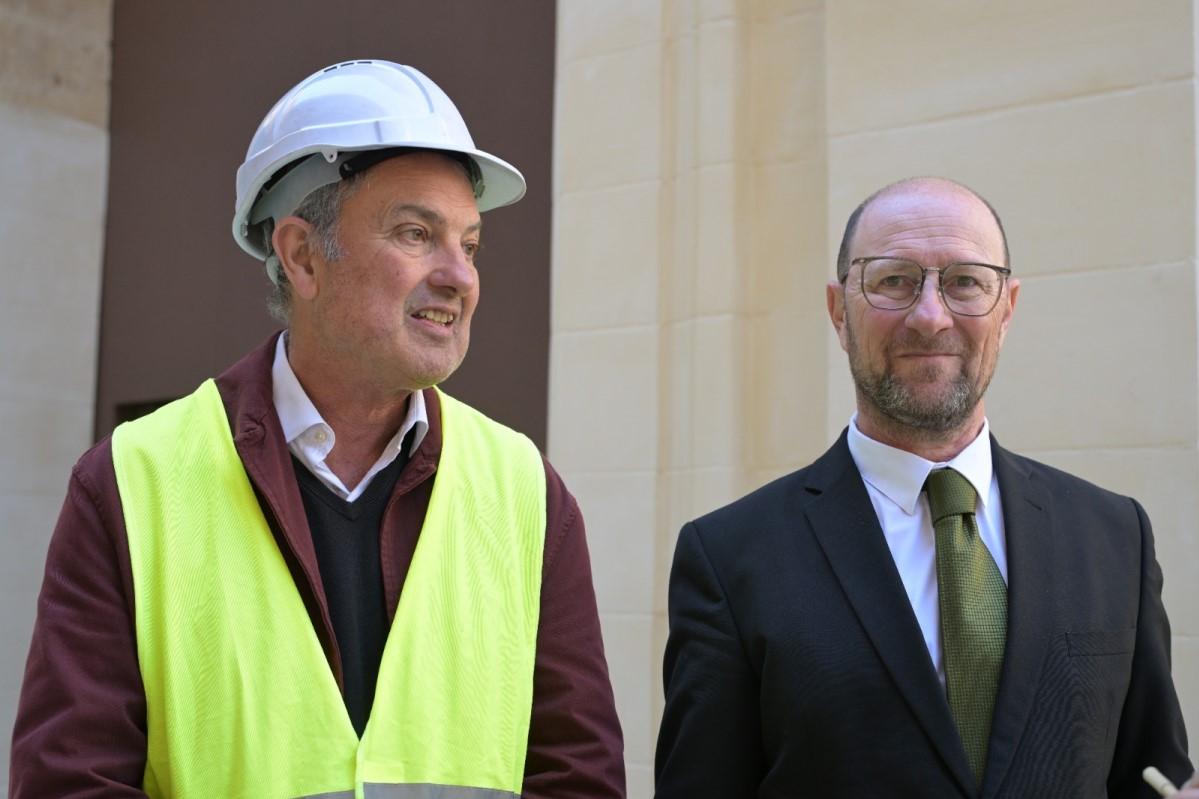
St John’s Co-Cathedral Foundation CEO, Tonio Mallia (right) discusses the progress of the new museum with architect Konrad Buhagiar. Photos: Matthew Mirabelli
From an engineering perspective, the concrete box structure is like a bridge from St Lucy Street to St John Street, Cachia Mifsud explained.
It allowed for the construction of the masonry façade, which followed extensive studies aimed at moving from a pictorial to an architectural design, explained Konrad Buhagiar, founding partner of AP Valletta. The eventual solution and inspiration were found in St Augustine church in Old Bakery Street.
The recent unveiling of the façade was considered a “milestone” in a project that kicked off on the architectural firm’s drawing board back in 2013.
Thirteen years later, bubble-wrapped stone blocks lie across the site, waiting to be installed at the rear of the chamber, overlooking the courtyard.
Next to them, detailed work is under way as stonemasons chip away at a wall, fine-tuning a minute corner.
A years-long project
The first five years were spent studying the history of the building, researching, understanding, designing and coming up with solutions, said Cachia Mifsud.
The shell structure was completed in around 18 months, but really, the project started on site in 2018.
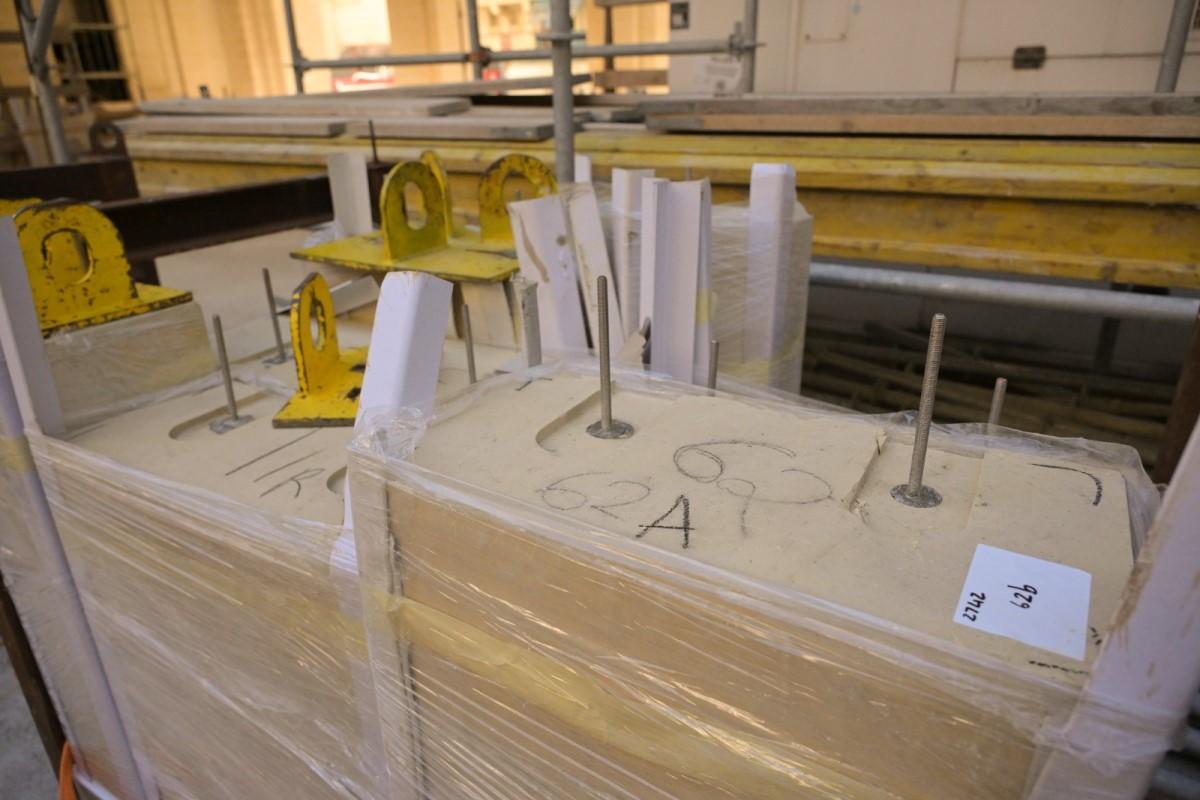
Numbered stone blocks
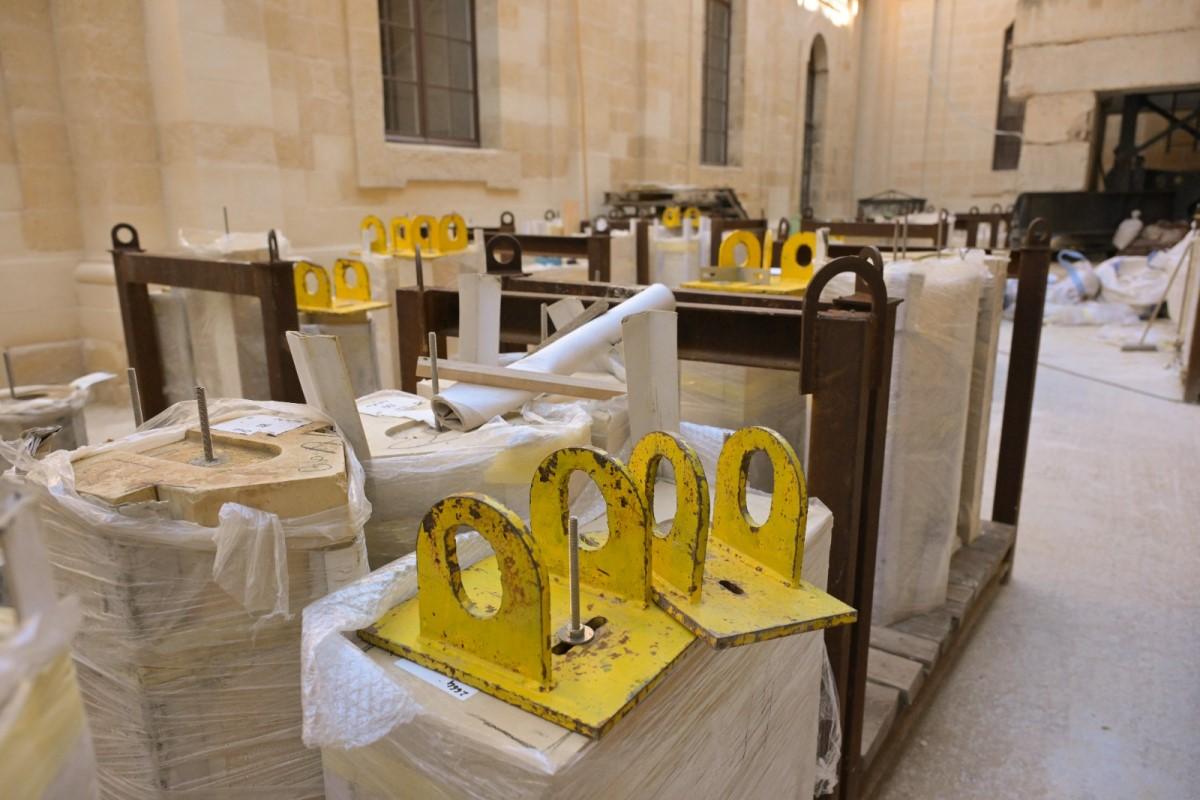
Bubble-wrapped stone blocks for the facade
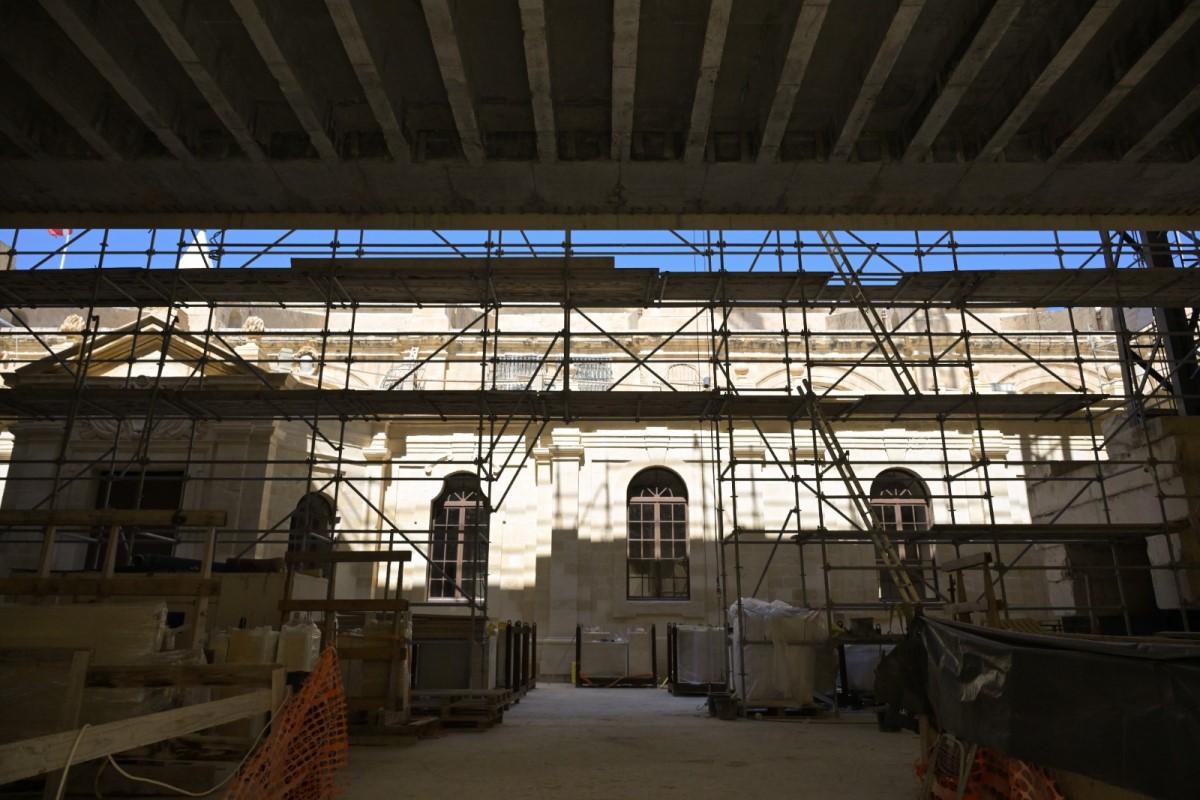
The courtyard
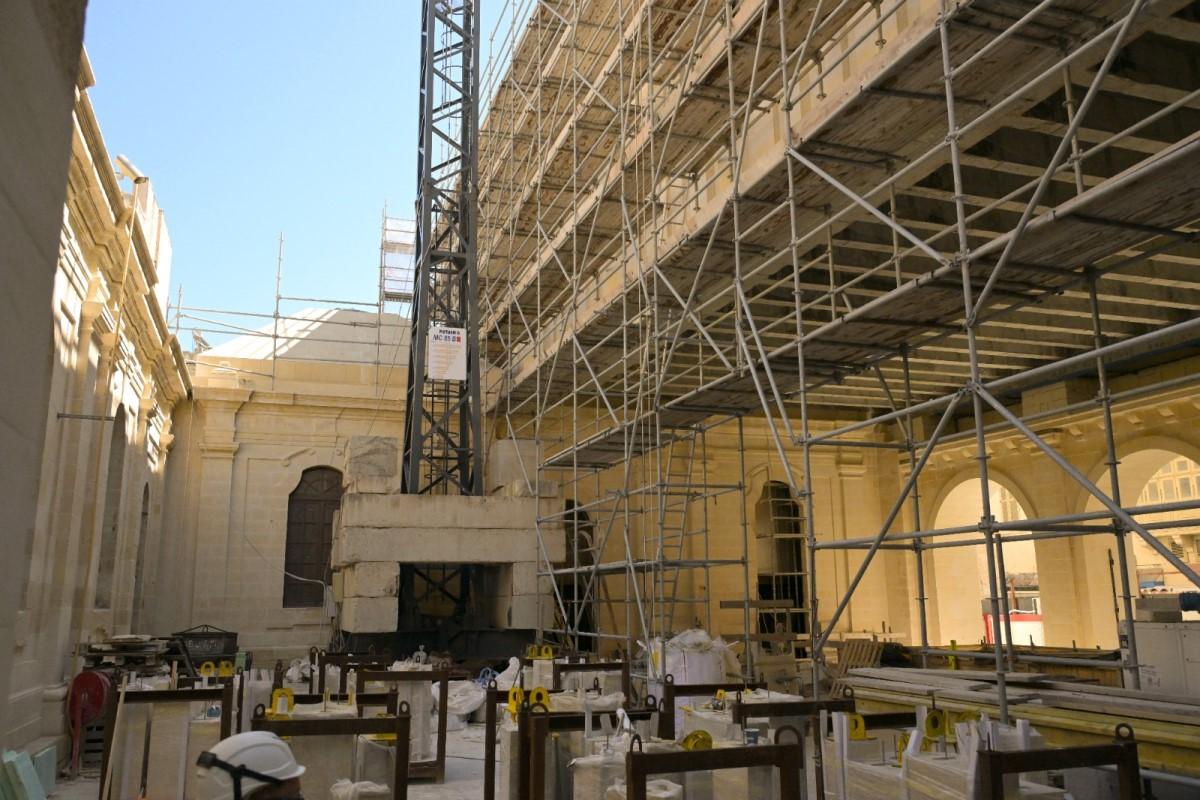
The courtyard with stone blocks waiting to be installed on the facade. Photos: Matthew Mirabelli
Although the site is now buzzing with workers, for about three years only two archaeologists worked there, carefully excavating with brushes and spades, she said.
Fundamentally an archaeological site, the team has been treading carefully under the watchful eye of monitors and in collaboration with the Superintendence of Cultural Heritage.
Works are now under way to build an underground substation on the St John’s Street side, again working in collaboration with several entities to ensure that services are not disrupted for anyone.
The ground floor of the museum on Merchants Street, hoarded off and covered by outdoor restaurants, has gone back to its origins, with some store openings closed off, and others, which had already existed, retained.
The 1960s building adjacent to the cathedral, where the museum is being housed, was first propped up with a series of piles to support it and provide capacity for additional loading.
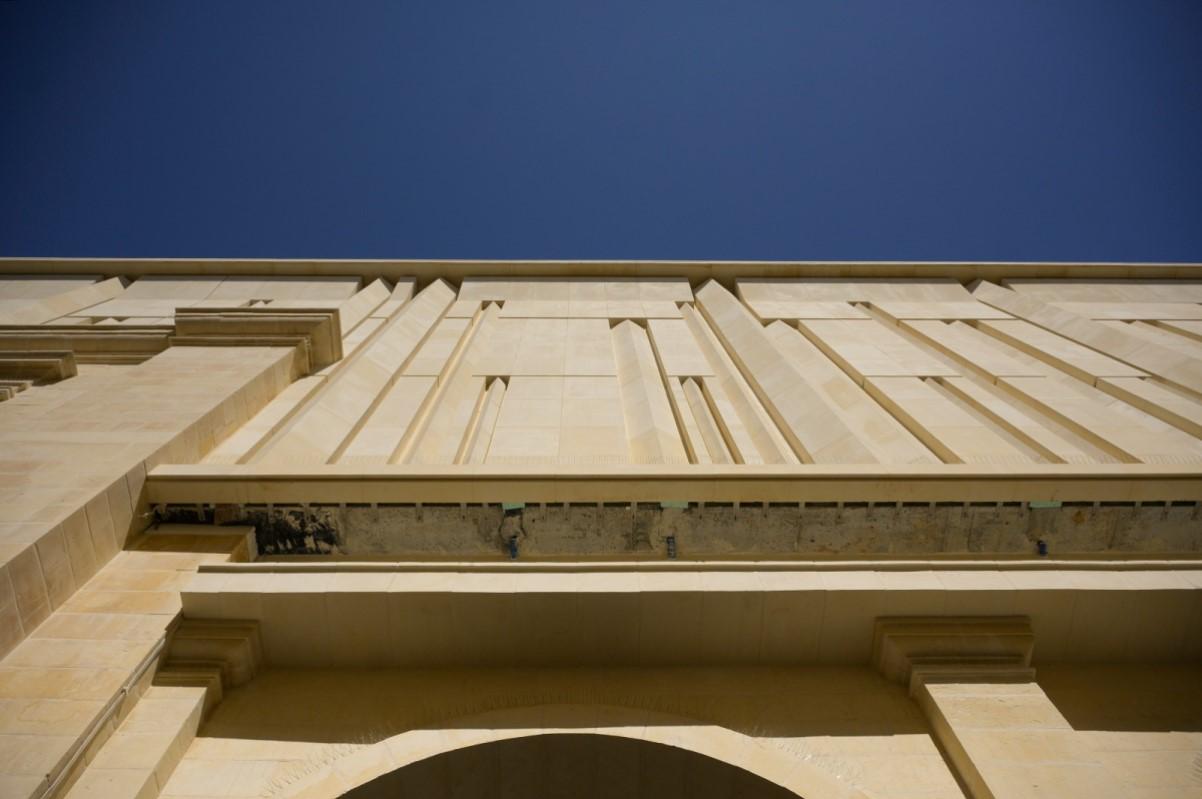
Close-up of the museum facade
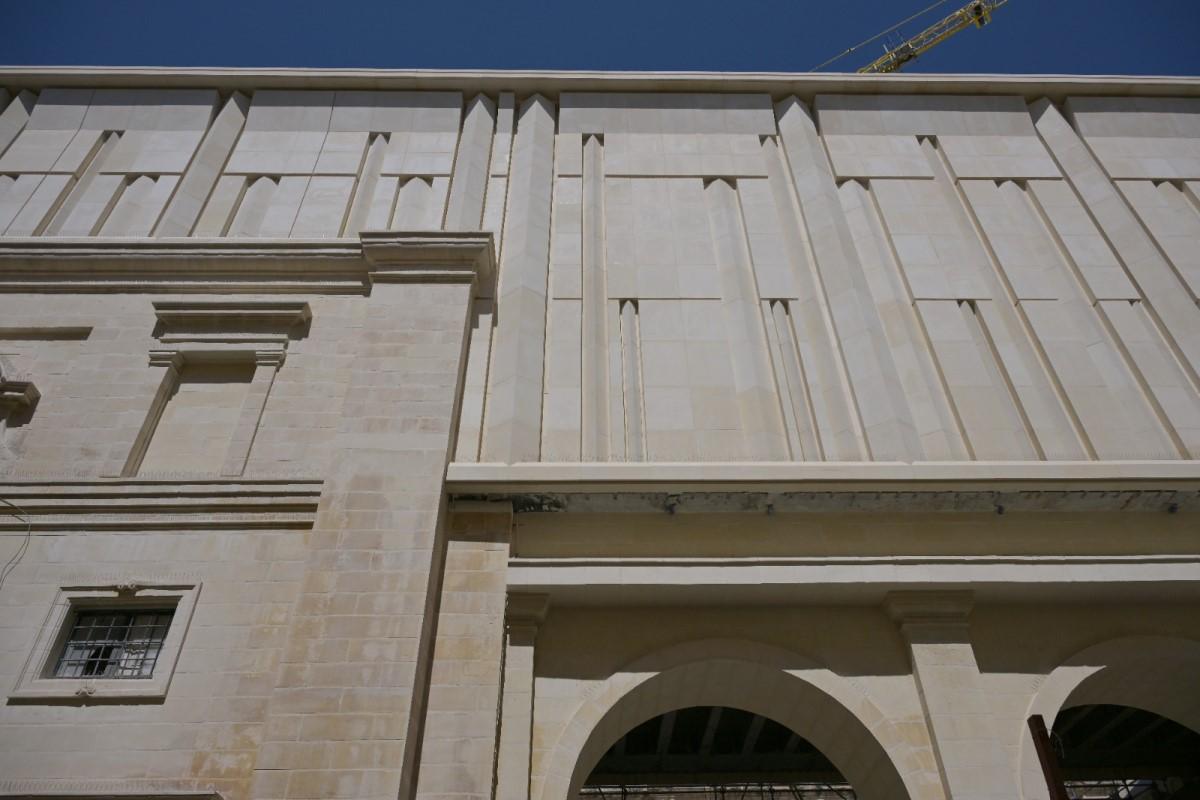
The museum facade. Photos: Matthew Mirabelli
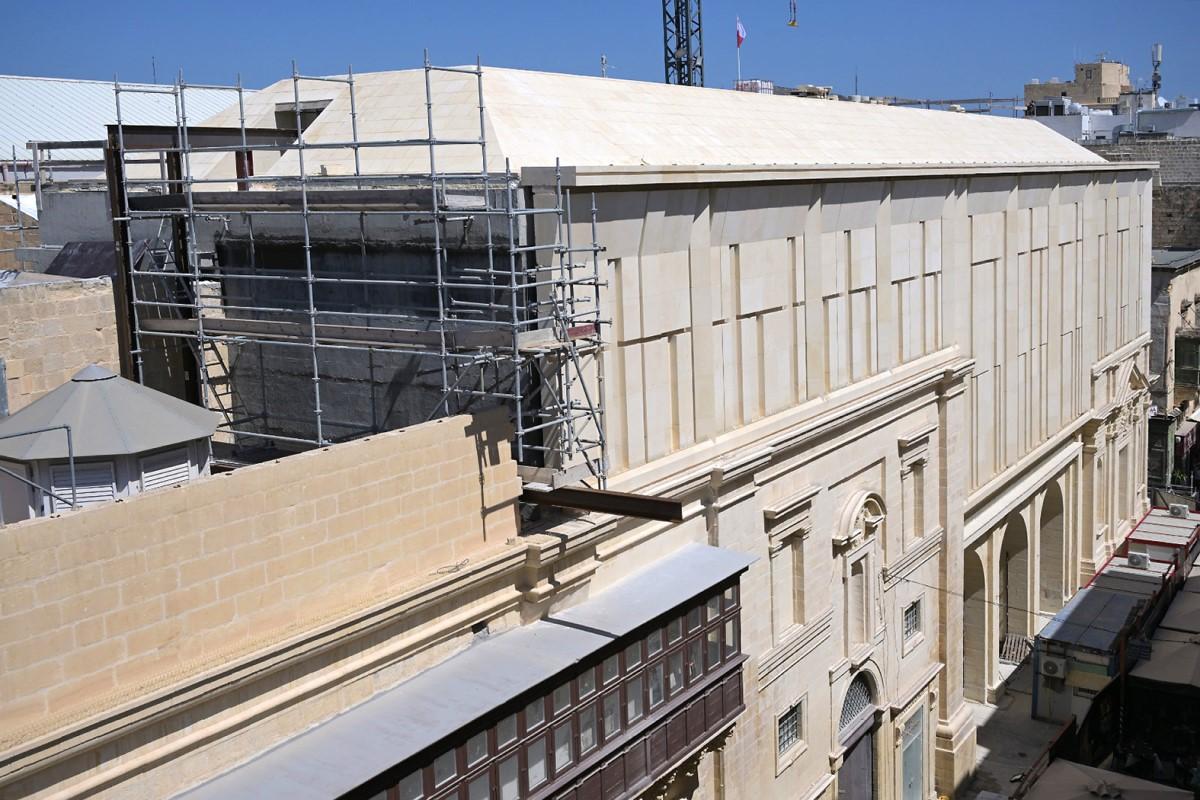
The museum facade on Merchants Street
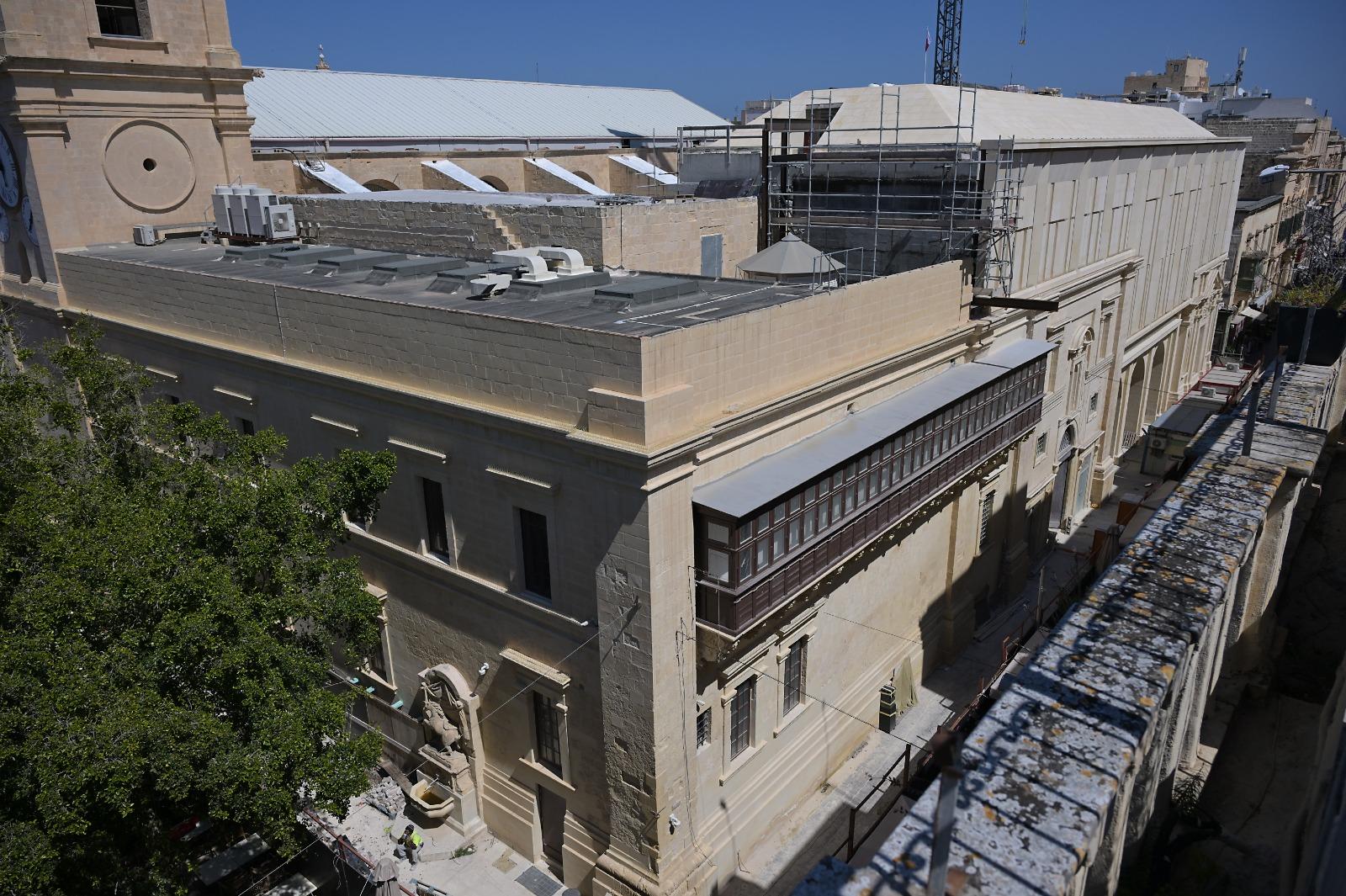
The corner between St John Street and Merchants Street with the cathedral on the left and and the museum on the right.
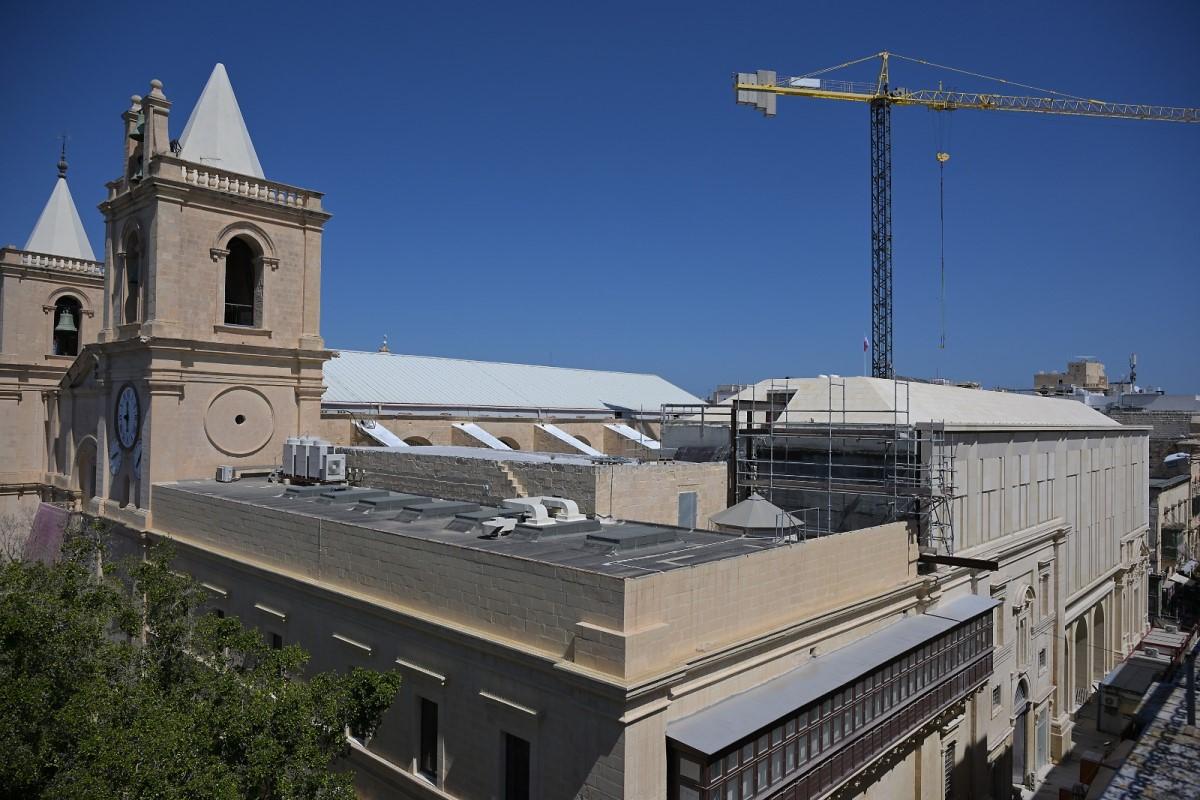
The corner between St John Street and Merchants Street with the cathedral on the left and the museum on the right. Photos: Matthew Mirabelli
Delicate work
Because of the location, 12-metre-wide steel trusses had to be lifted two-and-a-half floors high and lowered precisely into place. The exercise required “enormous accuracy”, Cachia Mifsud said.
Much of the heavy work on the museum was done by night. At 10pm, restaurants would clear their tables and chairs before police escorted cranes into the area.
Up next is the installation of the glass façade on the ground floor between the entrance to the museum and the courtyard – another “jigsaw puzzle”. Each panel is around seven metres high and one metre wide.
In accordance with the client’s instructions, it was important that this was considered a spiritual space, Buhagiar said.
“This glazing line is not in an airport, or a showroom. It will not have a regular rhythm. But will be musical.”
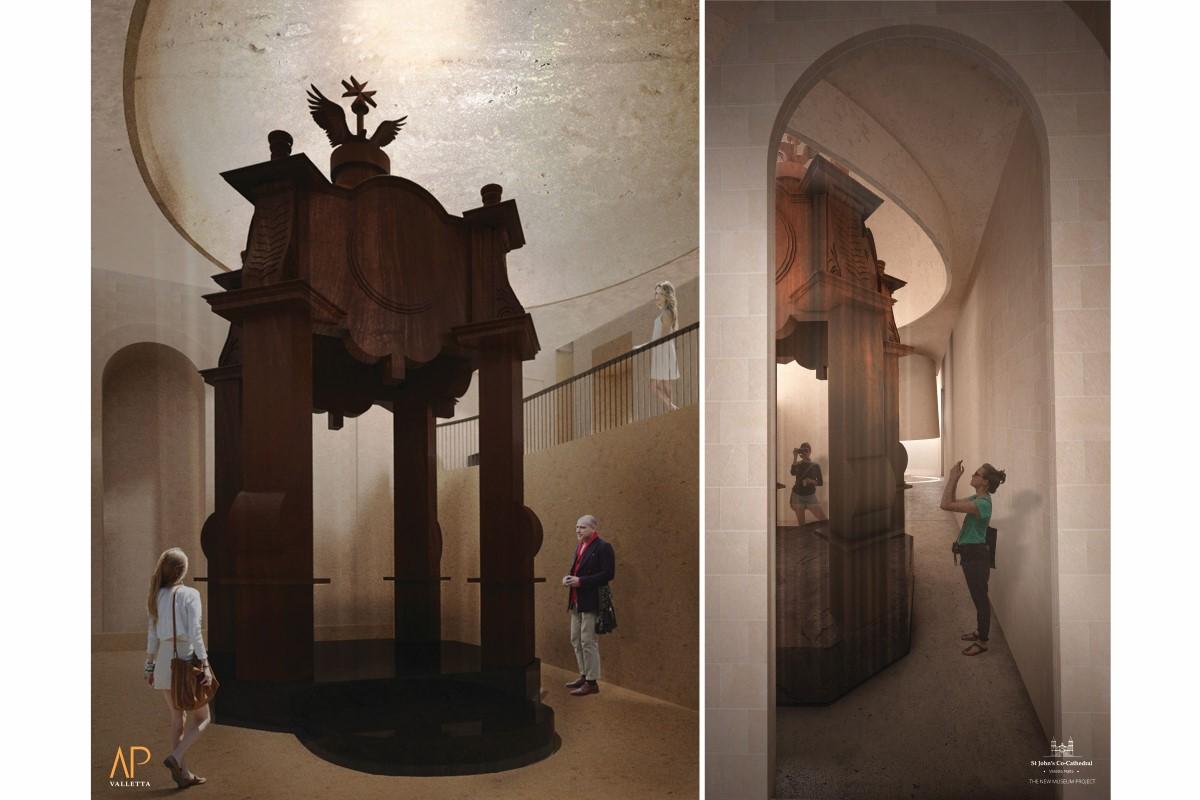
The Cappella Ardente will soon be a permanent exhibit
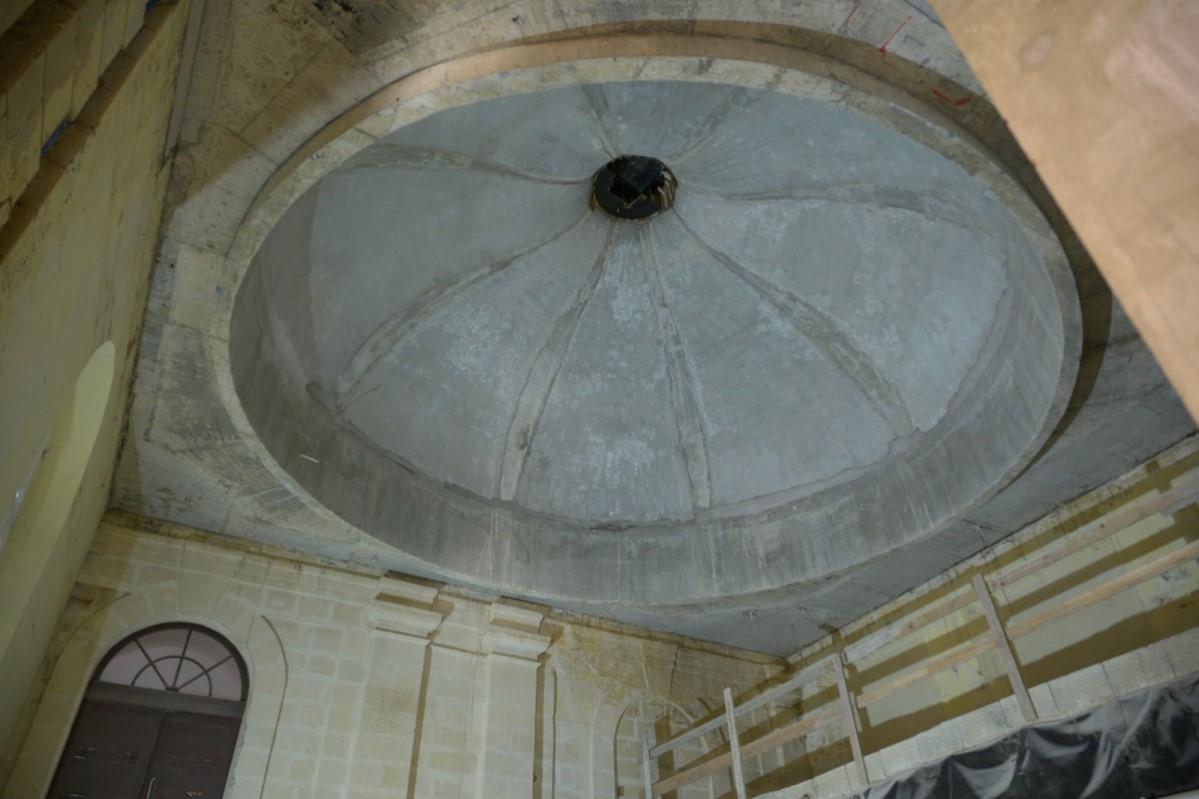
The dome above the Cappella Ardente. Photos: Matthew Mirabelli
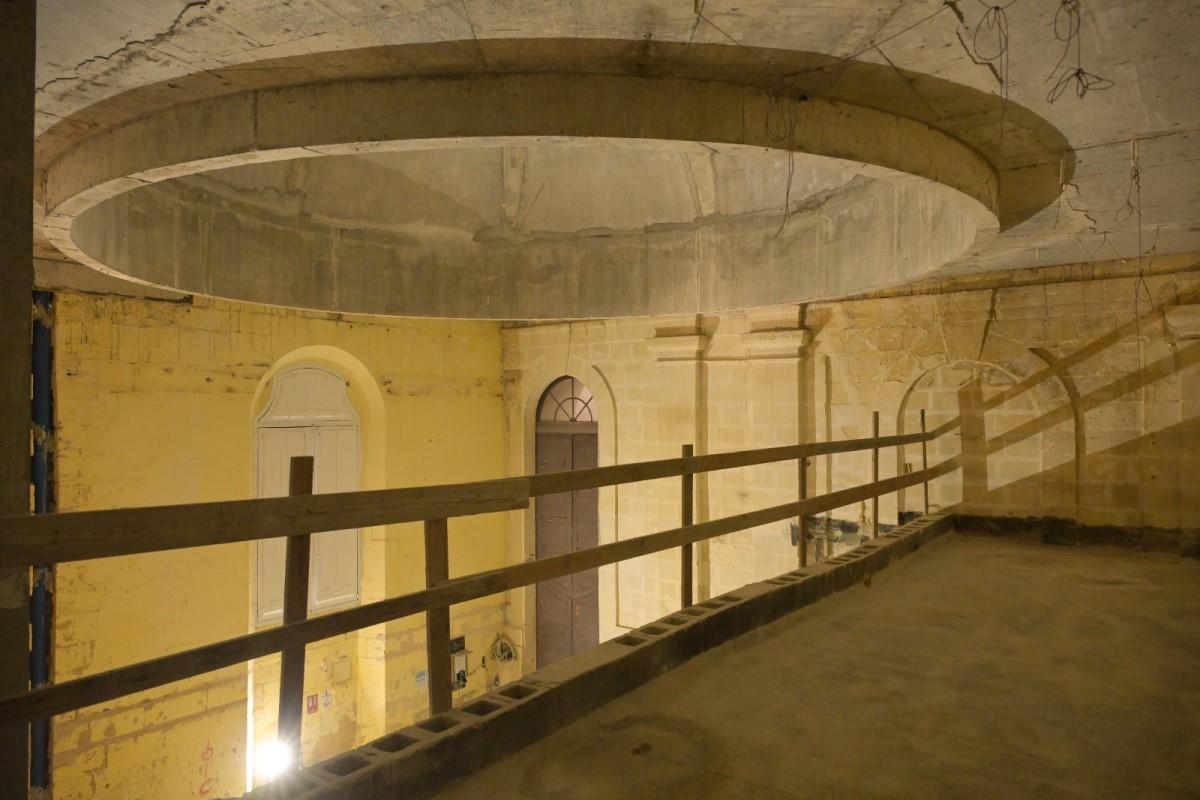
The dome above the Cappella Ardente
A project that carries emotion
Every inch of the space has been used, but the museum will still not be able to display all the co-cathedral’s artefacts at once, so exhibits will be rotated, Cachia Mifsud said.
It will also display the silver collection in the Bartolott Crypt, so far inaccessible to the public and used as storage.
It is being restored to be opened up for the first time as part of the museum experience.
The vestments from the grand masters’ times will be housed in the Carapecchia Wing of the co-cathedral, while in an existing room, abutting the jewellery shops in St Lucy Street, a dome has been constructed under which a full-size timber chapel, the Cappella Ardente, will be on permanent display for everyone to admire.
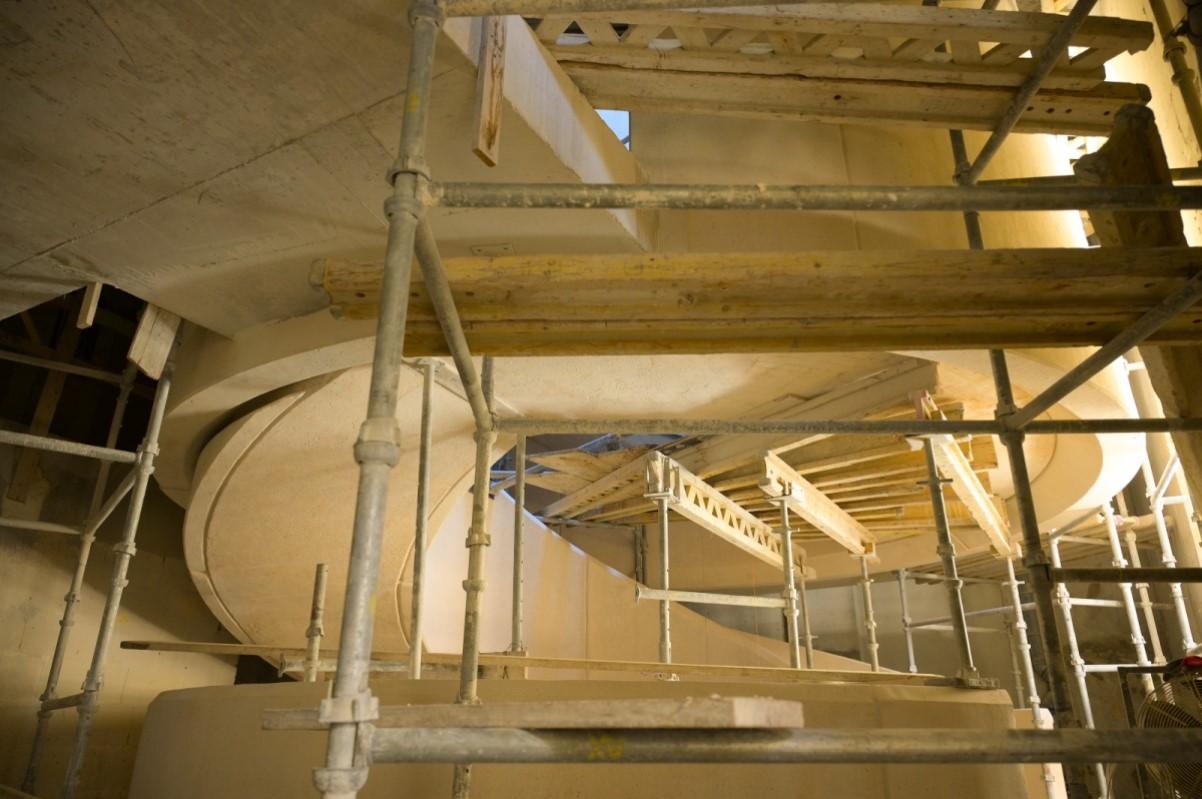
The spiral staircase to the Tapestry Chamber
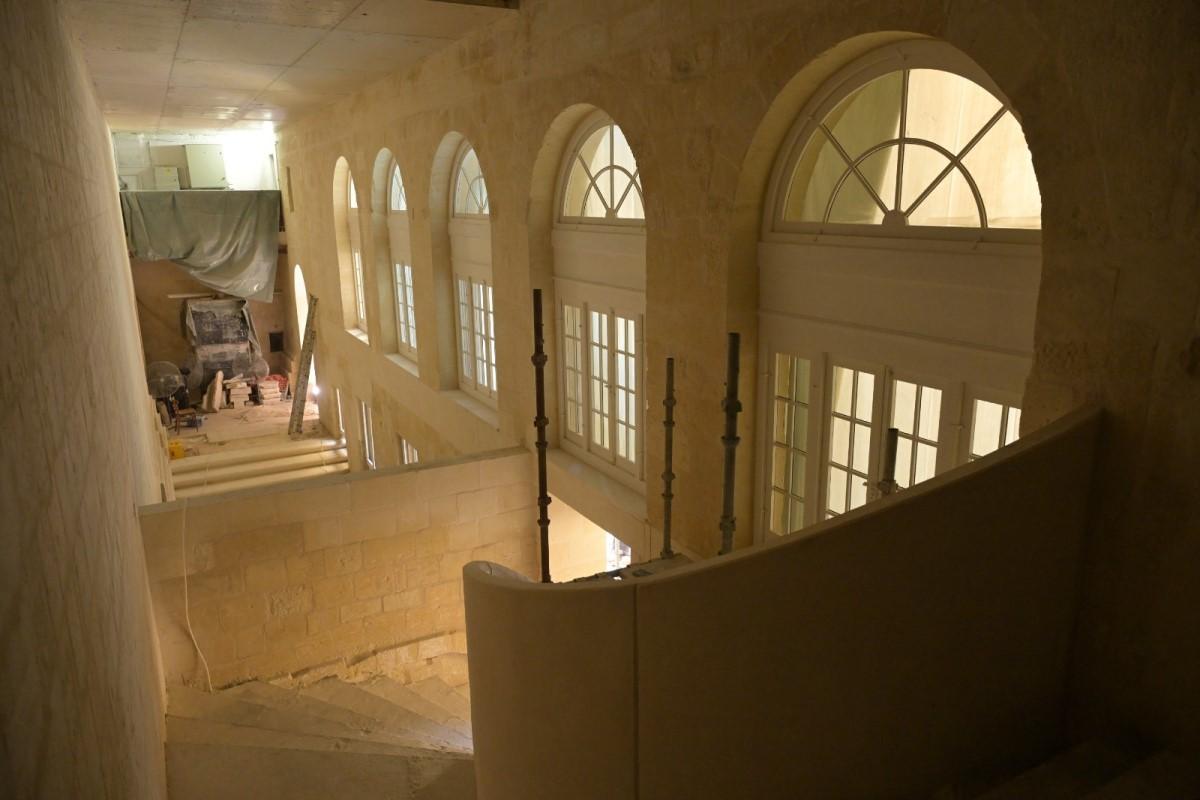
Exiting the Tapestry Chamber via the spiral staircase. Photos: Matthew Mirabelli
Used in funerary ceremonies during the time of the Knights, it was reconstructed in the sacristy, with missing or worn parts replaced before being returned to storage.
Covered in thousands of candles back in the day, that effect will be mimicked using technology instead, Cachia Mifsud said.
The mezzanine level, above the St Lucy Street jewellery shops, will house a coral book exhibition, with one manuscript per alcove, and audio to bring the scores to life.
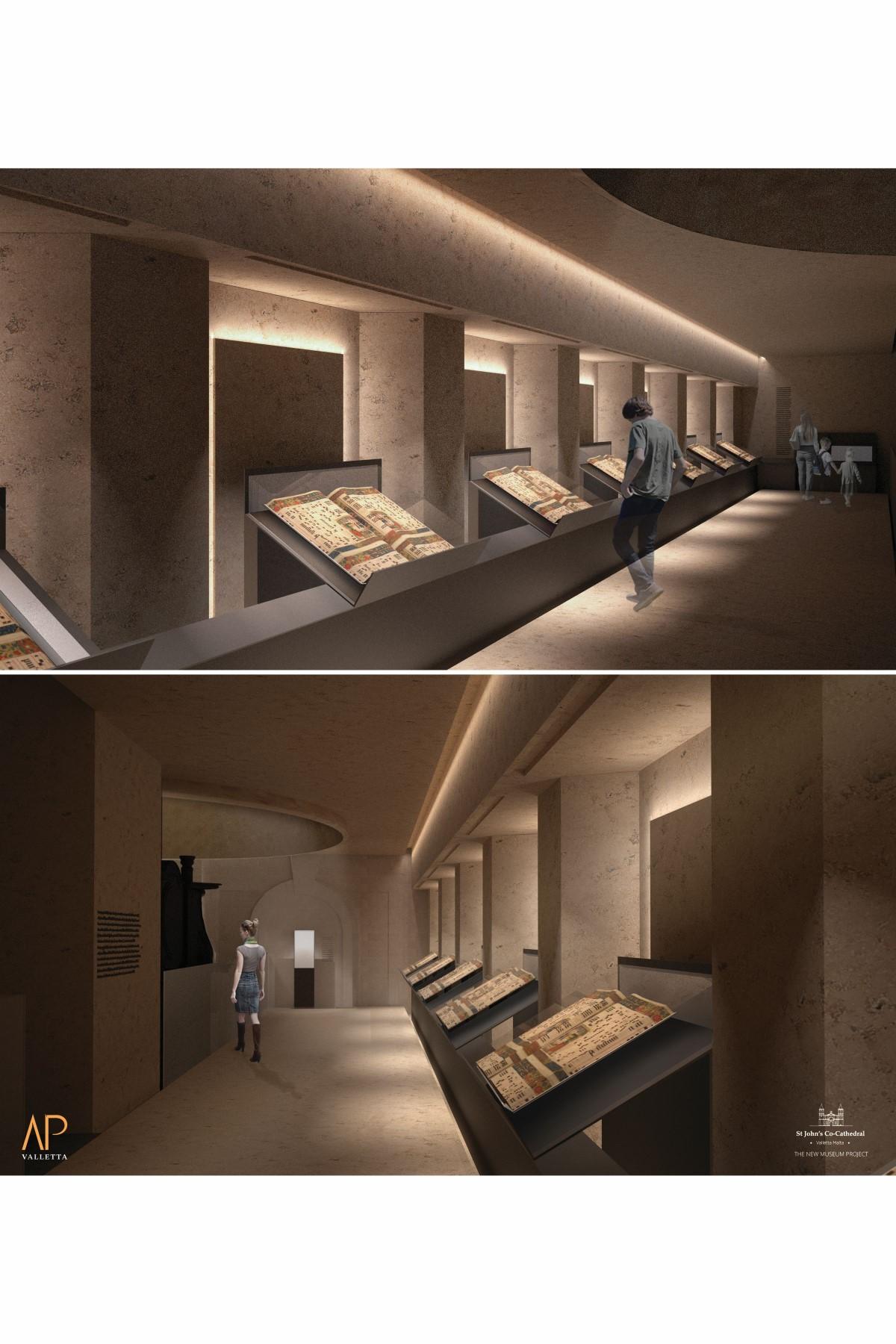
An artist's impression of the choral book exhibtion space
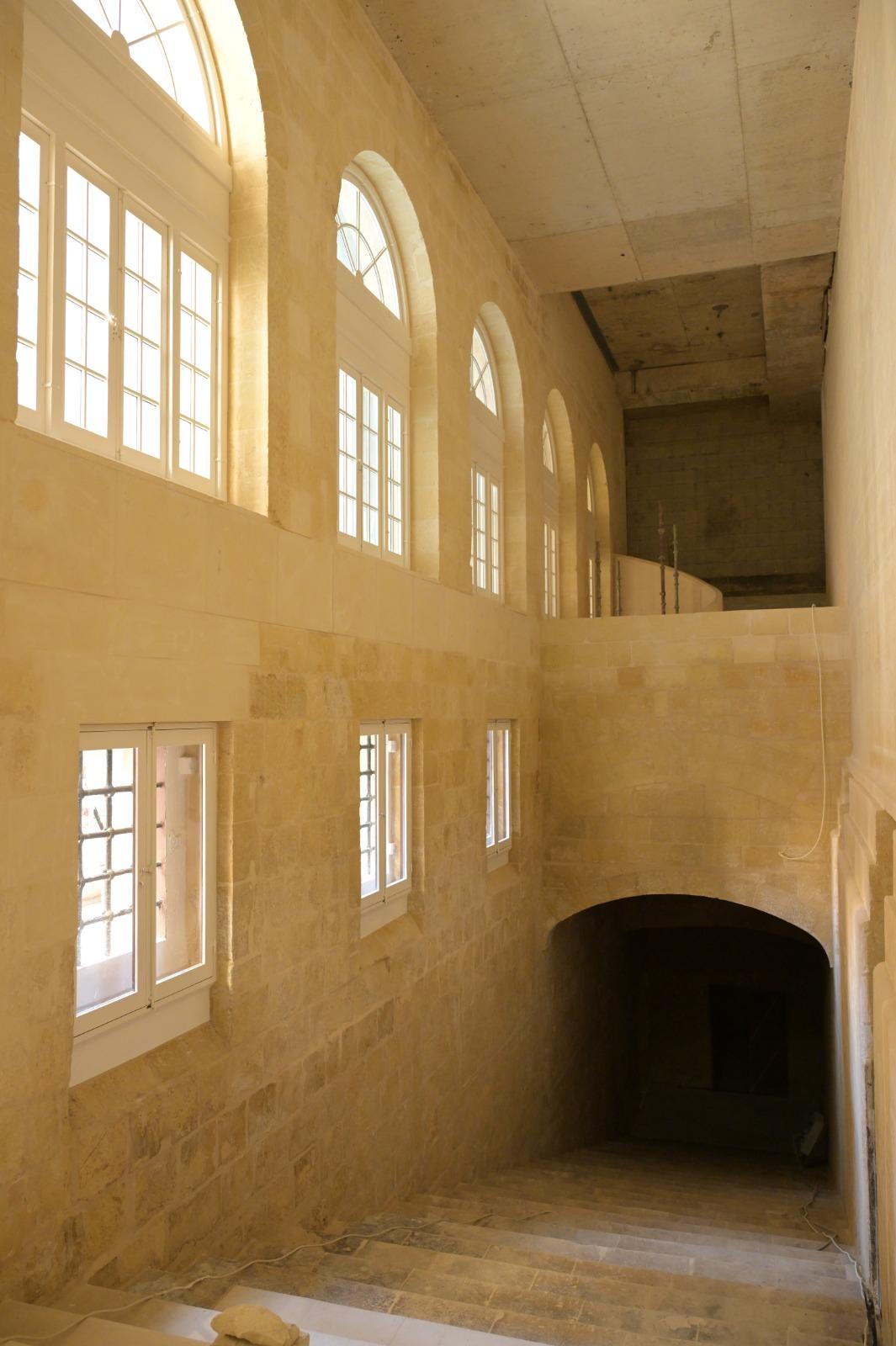
Accretions have been removed from the original building to create space
“We are very blessed to have a wonderful team, given the intricacies and complexities of the project,” Cachia Mifsud said.
“It can carry a lot of emotion.” Half Church, half State, it has many protagonists, including Valletta, its shop owners and residents.
'Almost like building another cathedral'
But the St John’s Co-Cathedral Foundation CEO, Tonio Mallia, described as the driver of the project, is grounded and can take those hard decisions, Cachia Mifsud said.
“When locked in the detail of the day, we try to look at the bigger picture,” she said.
The restoration process is almost over and, barring any surprises, the museum will be ready in 30 months, said Mallia.
For him, it is “almost like building another cathedral beside the cathedral and the prestige of the place makes the project exceptional”.