Investing in local councils: key to sustainable communities
For councils to succeed, the funding model must change, says Noel Formosa
As Malta is discussing the budget for 2026, it is vital that we reflect on how resources are allocated to local councils. Councils are the closest layer of government to our communities, yet, their funding model remains too weak to match the growing responsibilities they carry. If we are serious about building resilient, sustainable and liveable towns and villages, then local councils must be funded better and entrusted with greater responsibility.
Local councils manage the daily realities that people notice most: waste collection, maintenance of roads and squares, care of open spaces, traffic management, cultural activities and more.
Yet, the resources we receive are not enough to cope with rising demands. Malta’s population density, coupled with the pressures of tourism and development, create challenges that councils cannot meet with the current financial tools.
A more ambitious funding model is not a luxury – it is common sense. Councils know the realities on the ground and can act more quickly and effectively than central authorities. Every euro invested directly in councils is an investment in efficiency, transparency and community ownership.
ESG: a road map for stronger councils
One way to ensure councils deliver greater value is by embracing Environmental, Social and Governance (ESG) principles. ESG is usually applied to businesses but the framework is just as relevant for local government. By tracking performance and setting transparent goals, councils can both improve services and strengthen their eligibility for EU and sustainability-driven funds.
• Environmental: cut waste, improve recycling, reduce energy use, protect our coasts and countryside.
• Social: build stronger communities through inclusion, heritage and culture.
• Governance: improve accountability, procurement standards and participatory decision-making.
By adopting ESG, councils prove they are not only administrators but genuine leaders in sustainability.
We want to move from being administrators of limited budgets to being active drivers of sustainable growth and community well-being
Revenue sharing: a fairer model
For councils to succeed, the funding model must change. Rather than relying almost entirely on annual central grants, certain taxes and licence revenues should be shared directly with local councils. This would not increase the burden on citizens but would ensure that money collected for local impact is spent locally.
Tourism tax: visitors put significant pressure on waste collection, lighting and infrastructure. A direct share of this tax should go to councils hosting tourists.
Heavy vehicle road licences: large vehicles cause wear and tear on local roads. Councils should receive part of these licence fees to maintain and improve streets.
Construction permits and development charges: development brings disruption. Councils deserve a share of planning-related fees to fund mitigation measures.
Environmental levies: new contributions on waste, plastics or emissions should partly fund councils’ environmental initiatives.
This model creates a fairer link between local impact and local investment.
VAT: an unnecessary burden
One specific issue must also be addressed in the upcoming budget – the application of VAT on council expenditure. At present, councils receive funding from the government but then must pay back a substantial portion of it as VAT on the very services they procure – waste collection, maintenance, supplies. This cycle makes little sense. It reduces the funds available for real projects and effectively penalises councils for carrying out their responsibilities.
Exempting local councils from VAT would be a straightforward reform that would immediately free up resources for investment in communities, without increasing costs for the central government.
The way forward
Malta’s councils are ready for a new chapter. We want to move from being administrators of limited budgets to being active drivers of sustainable growth and community well-being. To achieve this, the budget should include:
• a revenue-sharing mechanism for selected taxes and licences;
• exemption from VAT on council expenditure;
• a commitment to help councils adopt ESG principles for transparent and effective delivery.
Stronger councils mean stronger communities. By funding councils properly and freeing them from inefficient burdens, Malta and Gozo can ensure that villages and towns are cleaner, safer, greener and more liveable. This pre-budget period is the right moment to take that step forward.
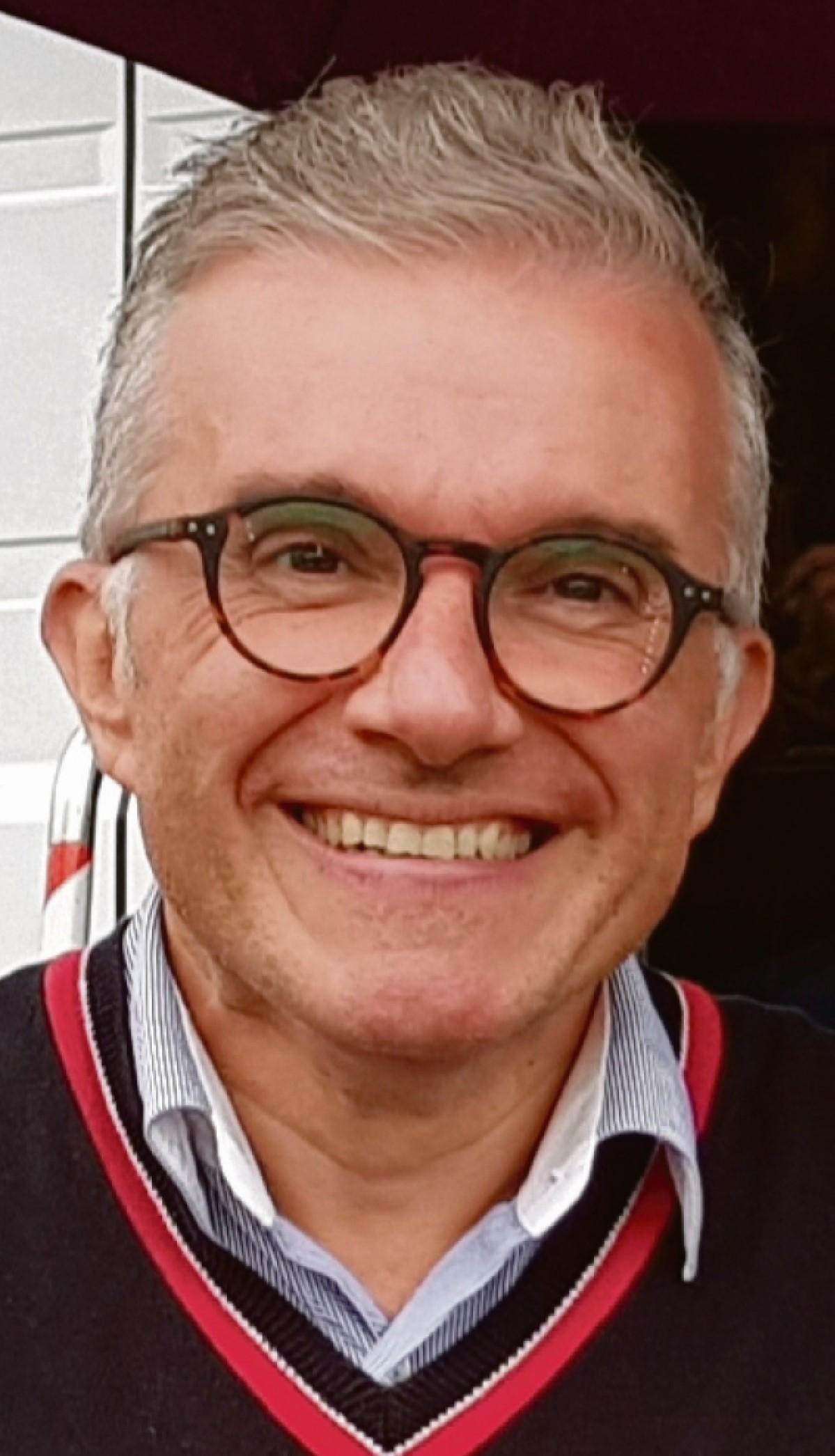
Noel Formosa is mayor of San Lawrenz.