‘We need help to get rid of this regime’: Iranians in Malta support war
Iranians tell Times of Malta the recent US-Israel bombing campaign is a 'rescue mission'
A close friend of Malta-based Iranian national Amirbahador was killed in US-Israeli airstrikes on Iran.
But Amirbahador remains in support of the war
“These are really tough times. Still, I believe that keeping this bloody, dictatorial government in power does far more harm to our society," he said.
"That’s why I support these attacks; not because I take pleasure in the destruction, but because I hope for a better future for the people and my country.”
Amirbahador’s words were relayed through his friend, Sam Safavi, a fellow Iranian also living in Malta, who, alongside two others from the Iranian community, spoke to Times of Malta about their feelings about the war and their hopes for the country’s future.
They frame the recent bombing campaign waged by Israel and the US as a “rescue mission” more than a war, describing the Iranian people as being held hostage by a regime that, for decades, has carried out atrocities against its own people.
And they strongly disagree with those voicing opposition to the US-Israeli action.
“People who really don’t want war should agree with continuing this war,” stressed 31-year-old customer support worker Golan Yavari.
Just make them weaker and we Iranians will do the rest
“It may sound like a paradox, but there is a regime with a bloodthirsty ideology... What do you think if tomorrow morning the war is stopped? What exactly will be changed? This regime... will just have more time to rebuild itself,” she said.
“Stopping the war doesn’t stop the ideology of the regime.”
‘Don’t teach us our history’
Safavi agreed, and levied criticism at activists who recently protested against the war outside the US embassy in Ta’ Qali: “We are not able to get rid of this regime, we need help... all these NGOs that go protesting on behalf of the Iranians, you don’t have to teach us our history".
"Listen to us instead of insulting [MEP] Daniel Attard as being a liar, who is actually in contact with us and telling our story. You should support people like him,” said the 47-year-old financial services entrepreneur.
At a protest last weekend, activist and veteran trade unionist Sammy Meilaq accused Attard of “lying” when he told a BBC News interview the root cause of the conflict was the Iranian regime itself.
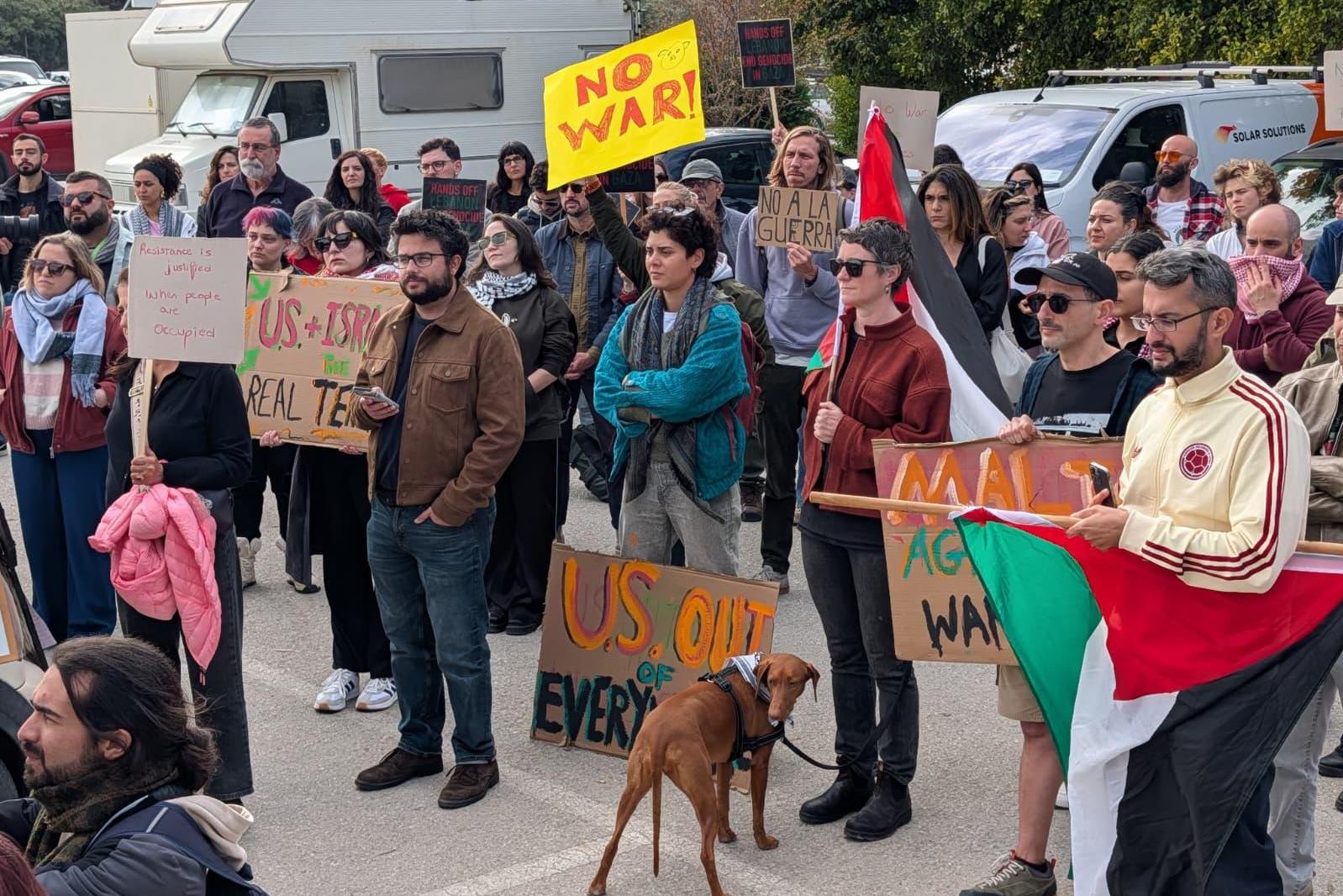 Activists protest the Iran war outside the US embassy in Ta' Qali. Photo: Chris Sant Fournier.
But fashion industry marketing manager Arian Sohrabi, 37, who left Iran five years ago, paints a shocking picture of Iranian indoctrination of its youth in a bid to breed antagonism towards the US and its allies.
“When we are growing up – when we go to elementary school until the end of high school – every day, at 7.30am, we stand in queues and say, ‘Death to America, death to Israel’,” he said.
“They grow us up like this in the hope we have enemies to be always united against, but it was an Islamist ideology that no one wanted.”
Sohrabi explained how Iran’s youth, himself and his friends included, had yearned for freedom after years of being exposed to Western media and seeing the freedoms enjoyed by those in other countries.
“Everyone is free; Arabs are free, Pakistanis are free... I’ve been arrested for hanging out with girls, and I had to bribe my way out of it”, he said.
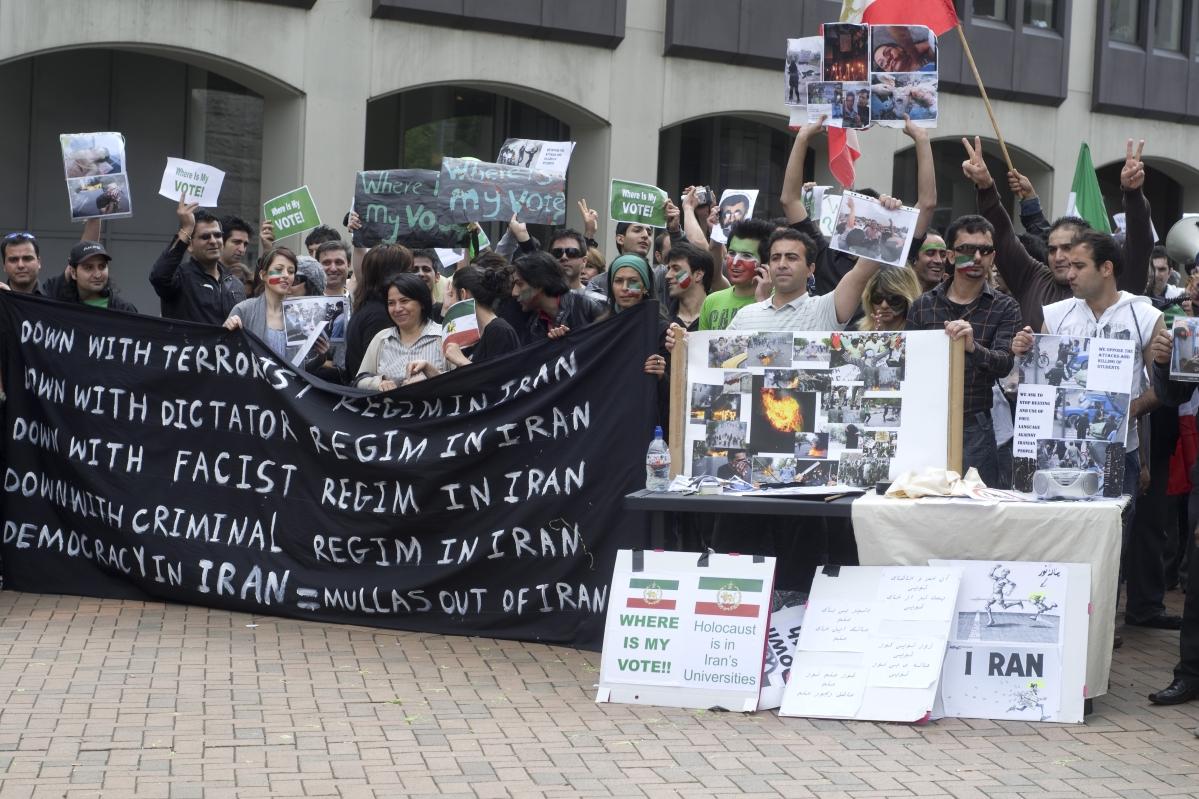 UK demonstrators hold a rally protesting the results of the 2009 Iranian election. Photo: Shutterstock.
Recounting the 2009 Iranian presidential election, when incumbent hardliner Mahmoud Ahmadinejad was declared the winner despite widespread allegations of voting irregularities, Sohrabi, then a student, said “we went to the streets [in protest] and, for the first time, I saw someone die".
"The next times after that, they didn’t allow even people with a different mindset, real reformists, to get into the game.”
Emphasising the plight of women in the country, Yavari explained how virgin women on death row in Iran are raped before execution “because he [Ayatollah Khomeini] was saying, if she is a virgin, she is not going to Paradise after she is executed”.
Since the 1980s, journalists and activists have repeatedly reported instances of women held in Iranian jails forced to marry and have sex with guards before their execution.
Before emigrating to Malta eight years ago, Yavari remembers instances of religious zealots pouring acid onto the faces of women caught not wearing sufficient face covering as prescribed by the country’s draconian modesty laws.
“There were pretty women in the street that I was living [in]. I know them… they were ruined, they were being blinded, just because they didn’t want to [cover].”
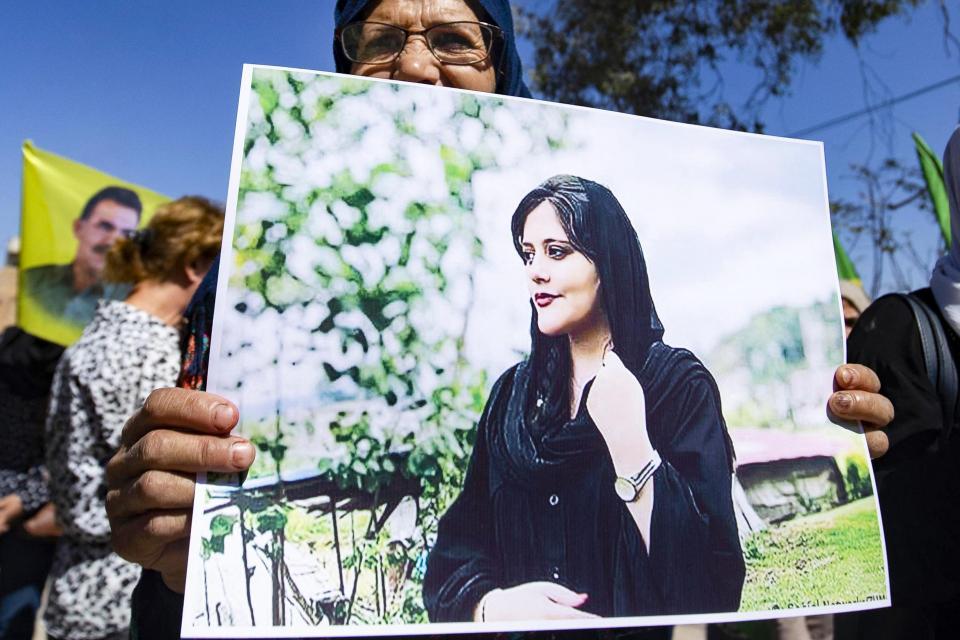 Iranian Mahsa Amini, 22, died in the custody of Iranian authorities. AFP photo shot during a demonstration in Syria's northeastern city of Hasakeh.
This climate of oppression and fear is nothing new; Safavi recounted how, when he was at school, his parents would warn him not to tell his classmates how they lived at home for fear of being reported to the religious authorities.
“They came to inspect our house, and my dad had books, and they took him away and wanted to shoot him.
“My dad learned to pray and become a very good Muslim in prison, and that’s why he’s still alive,” he said.
Safavi’s family left Iran shortly afterwards, emigrating when he was just eight years old.
‘Dancing in the bar’ at news of strikes
All three described feelings of joy at hearing about the US and Israeli strikes against Iran and the death of Ayatollah Ali Khamenei two weeks ago, with Safavi saying he “felt great”, and Yavari recalling she and her friends “dancing in the bar” that night.
"We hope they continue hitting the IRGC [Islamic Revolutionary Guard Corps] – just make them weaker, and we Iranians will do the rest,” Safavi remarked.
US President Donald Trump has urged the Iranian population to rise against the regime, describing the recent campaign as a “once-in-a-generation chance” to overthrow the country’s government.
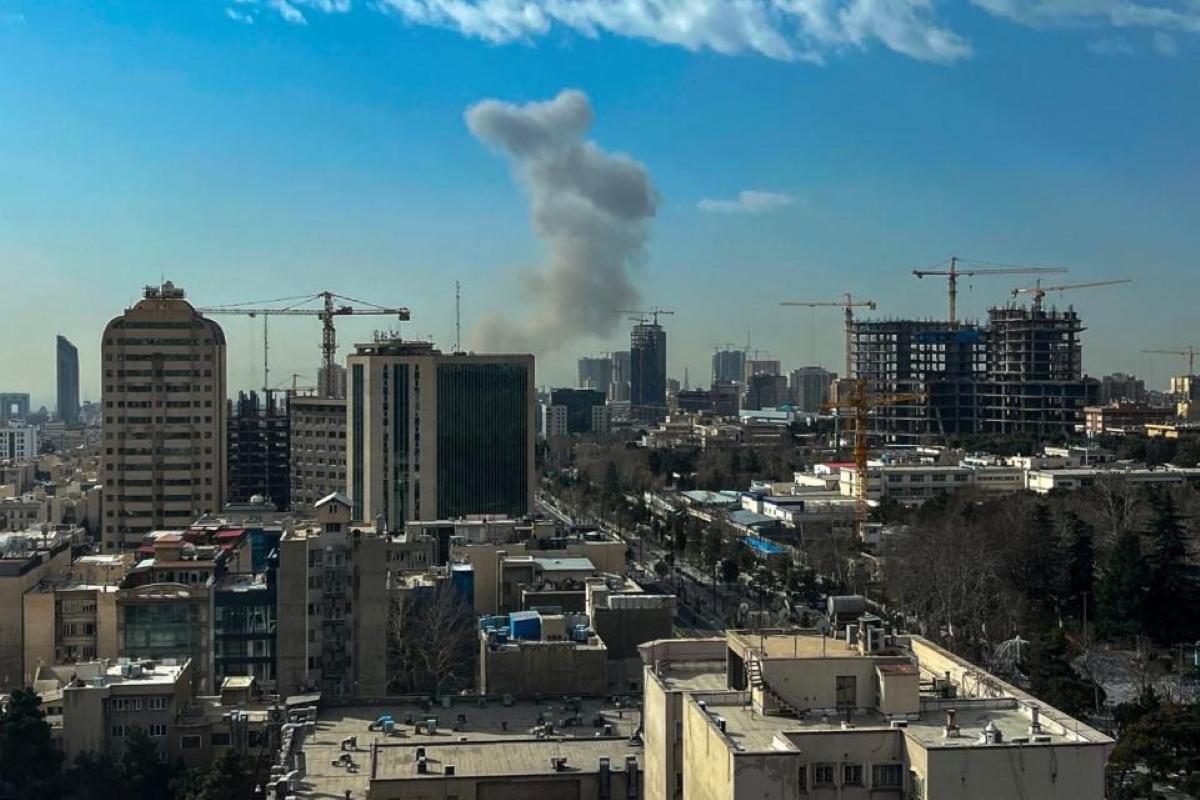 Smoke rises above Tehran following the onset of strikes two weeks ago. Photo: AFP
But despite the hope seemingly offered to the Iranian diaspora and those in Iran who oppose the regime, do they worry about their friends’ and families’ safety back home?
“My friends are in Tehran, in neighbourhoods where there are many governmental and military buildings, and when I talk to them, they are cheering for each bomb,” said Sohrabi, with Safavi relaying similar reactions, recalling one friend in Iran describing the sound of explosions as “music to our ears”.
Iran's future
Looking to the future, all three expressed their support for Reza Pahlavi, the exiled son of the last shah (king) of Iran, Mohammad Reza Shah Pahlavi, ousted in the 1979 Islamic Revolution that saw the Ayatollahs take power, to return and lead the country.
Pahlavi has spent most of his adult life in Washington DC, advocating for a transition to a secular democracy in Iran. While enjoying support among parts of the Iranian society, he has been criticised for lacking leadership experience and has avoided addressing his father's authoritarianism in interviews.
Describing feelings of yearning to return to Iran should the regime fall, Yavari said she wants to “live and die in my motherland”. “We love people from different countries; we want good relationships with the world. Just give us the right to live in our own country, free and in peace,” she said.
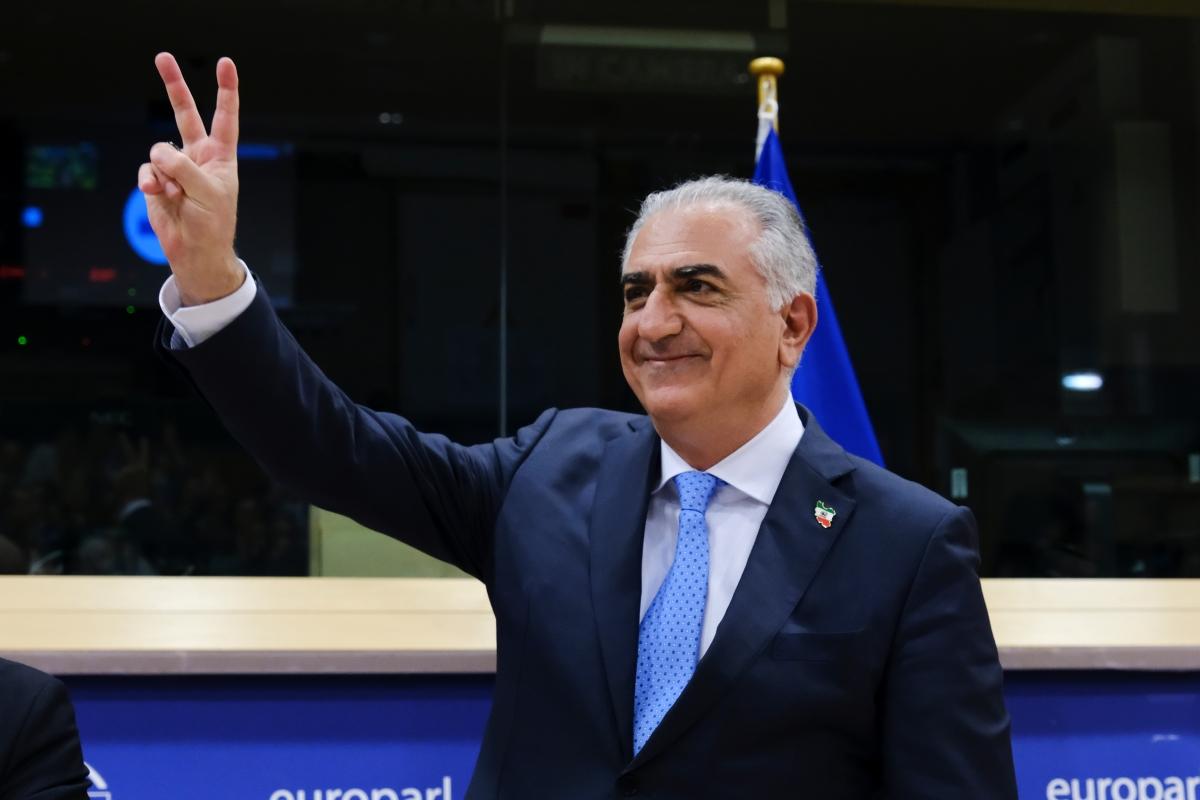 All three said they back the son of the last Shah, Reza Pahlavi, to transition the country to a secular democracy. Photo: Shutterstock.
Reiterating his support for the war to continue, Sohrabi warned that, should the campaign stop, Iran would likely see a “big massacre” of the population supporting regime change.
He urged the US and Israel to target military checkpoints and police stations in a bid to help facilitate a popular uprising, a call echoed by Safavi, who underscored the lessons learned by millions of Iranians living abroad.
“We have learned what democracy is, and we have paid the price for our freedom. Now we are on the verge of getting it.”
The day after this interview was held, the Reuters news agency reported that senior Israeli officials had acknowledged a lack of uncertainty over whether the war Trump has said will end “soon” would lead to the collapse of Iran’s government.
Iran’s future, it would seem, is far from certain.