Watch: ‘It’s useless hailing past heroism if we don’t act on Gaza’ – President
Myriam Spiteri Debono said the Santa Marija convoy commemorations should compel action
It is useless celebrating the heroism of the Santa Marija convoy if the “disgust” over the “pummelling” of the Gaza people does not prompt “concrete action”, President Myriam Spiteri Debono said in a powerful speech on Tuesday.
She was addressing an event commemorating the 83rd anniversary of Operation Pedestal – the crucial British convoy, popularly known as Il-Konvoj ta’ Santa Marija, which was relentlessly attacked as it transported desperately needed supplies into the Grand Harbour as the island lay under siege in World War II in 1942.
In her address at Pinto Wharf in Floriana, she shifted focus from historical heroism to the pressing humanitarian crisis in Gaza, linking the bravery of Malta's past with a present-day obligation to act on behalf of victims of the war in the conflict-stricken Palestinian enclave.
“It is useless if year-in and year-out we continue to meet and extol the heroism of the past, a heroism which saved Europe from the scourge of Nazism and its concomitant atrocities, particularly the Holocaust, if in the present day realities concrete action does not result from the disgust voiced by women and men who have taken to the streets in protest at the continuous and continuing pummelling of a people – a pummelling seen by its perpetrators as righteous retaliation,” she said.
Spiteri Debono said Maltese people owed it to the heroism of their ancestors to stand up for peace and dignity. They would fail their legacy if they did not champion the rights of those — especially the young — living in the "hellish deprivations of Gaza”.
She referred to the war as an "ongoing massacre of humanitarian standards".
“This is flouting of the rules and stability of the international order, flagrant undermining of the principles at the root of the United Nations Charter, born out of the death and blood of the Second World War, manifested also in overt disregard for Security Council resolutions,” she said.
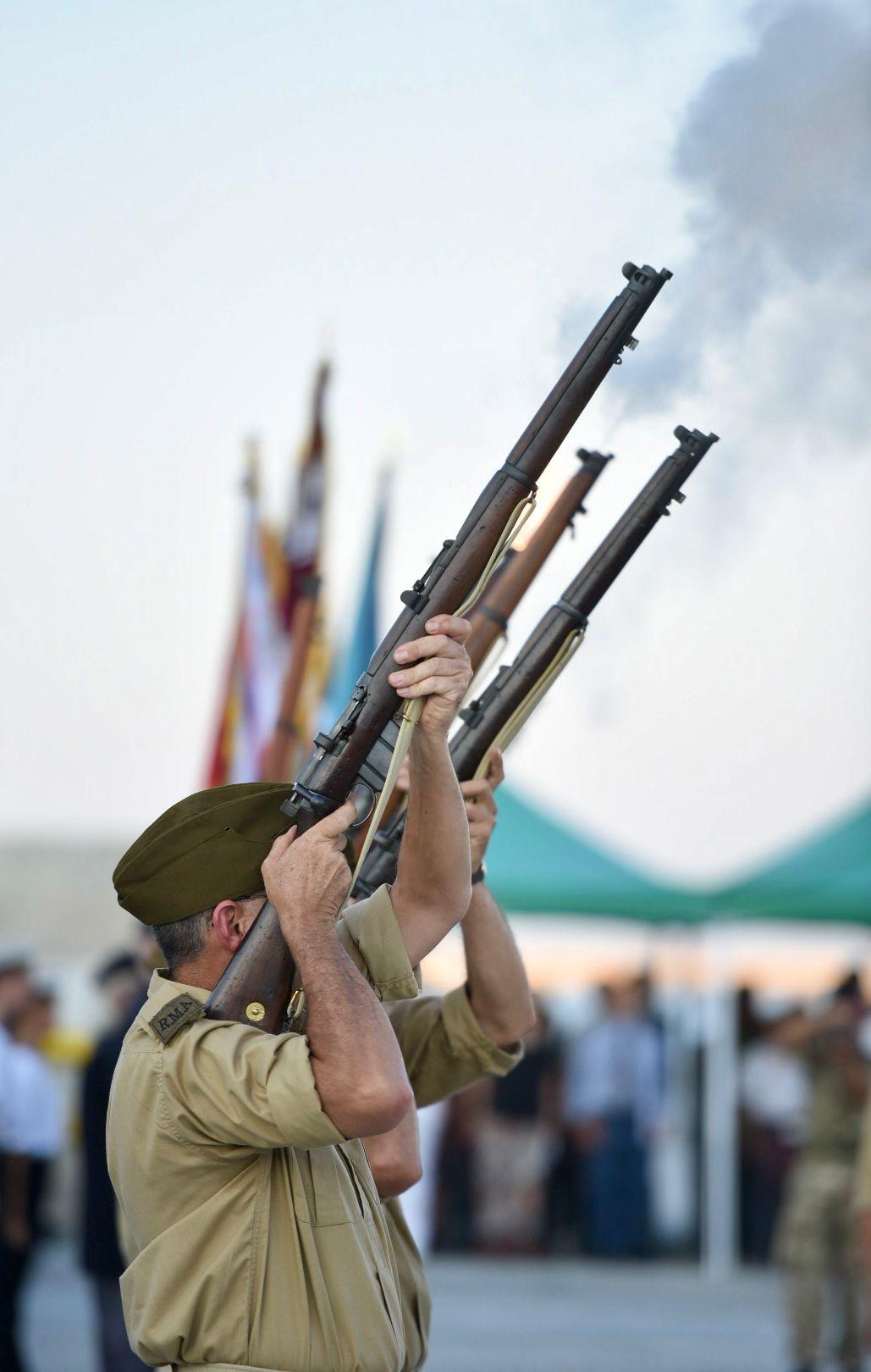 Photo: Chris Sant Fournier.
A significant portion of her speech focused on the human cost of the conflict.
She emphasised that repeating the "mantra" of a two-state solution is insufficient without decisive action.
Spiteri Debono warned that the longer the situation persists, "the more hatred will fester in the relationship between the two peoples," potentially aggravating the international community's challenges for generations.
The President concluded her address with a direct appeal to the heads of mission of all states, urging them to convey to their governments "the need for serious concerted actions to forge a peaceful way forward".
A "heavier onus presses on the shoulders of those states which exert greater influence and are considered world leaders”, she added.
This would be a way to "honour the sacrifice of our forefathers by acknowledging through our actions the perennial values they gave up their lives and visions for".
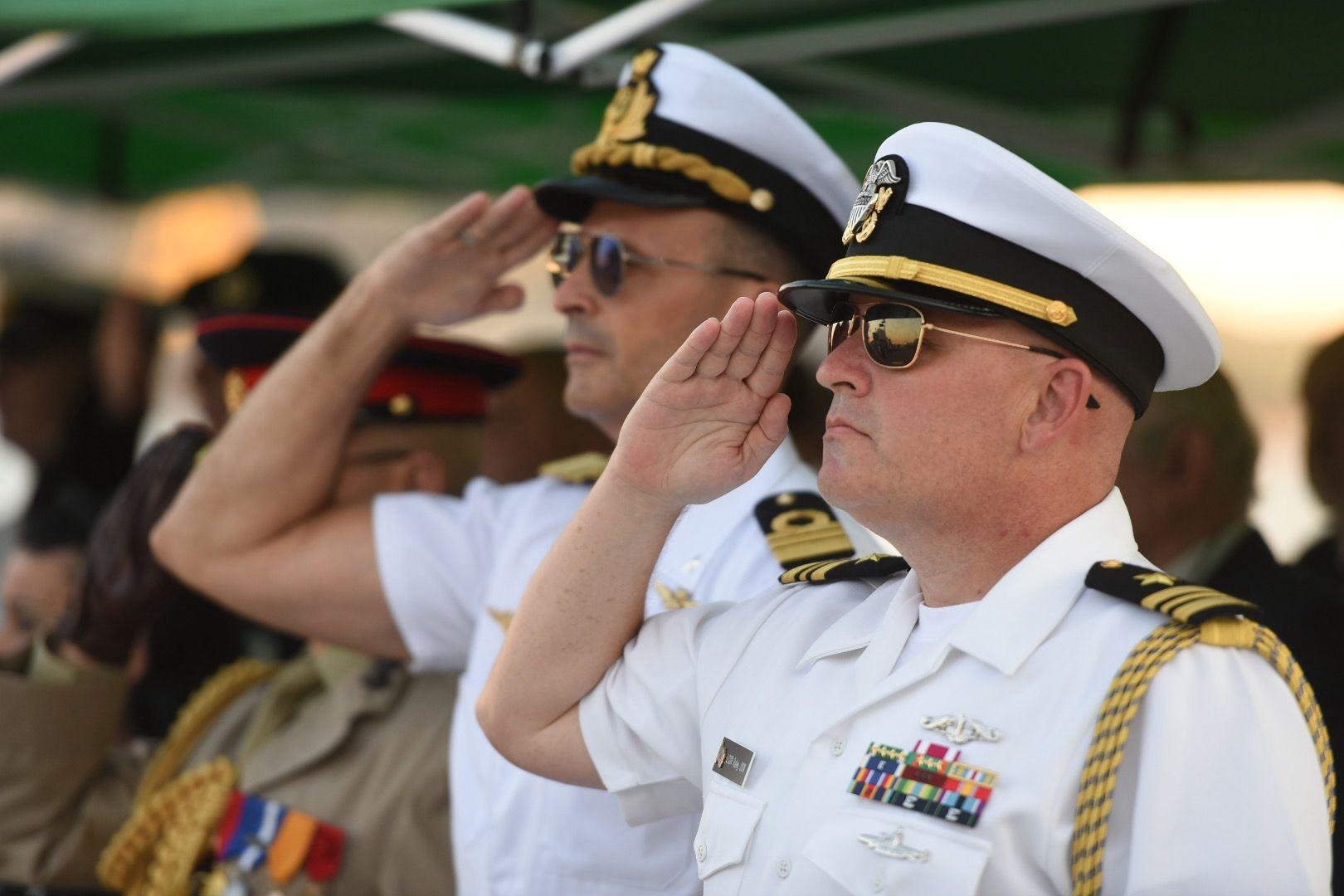
Photo: Chris Sant Fournier.
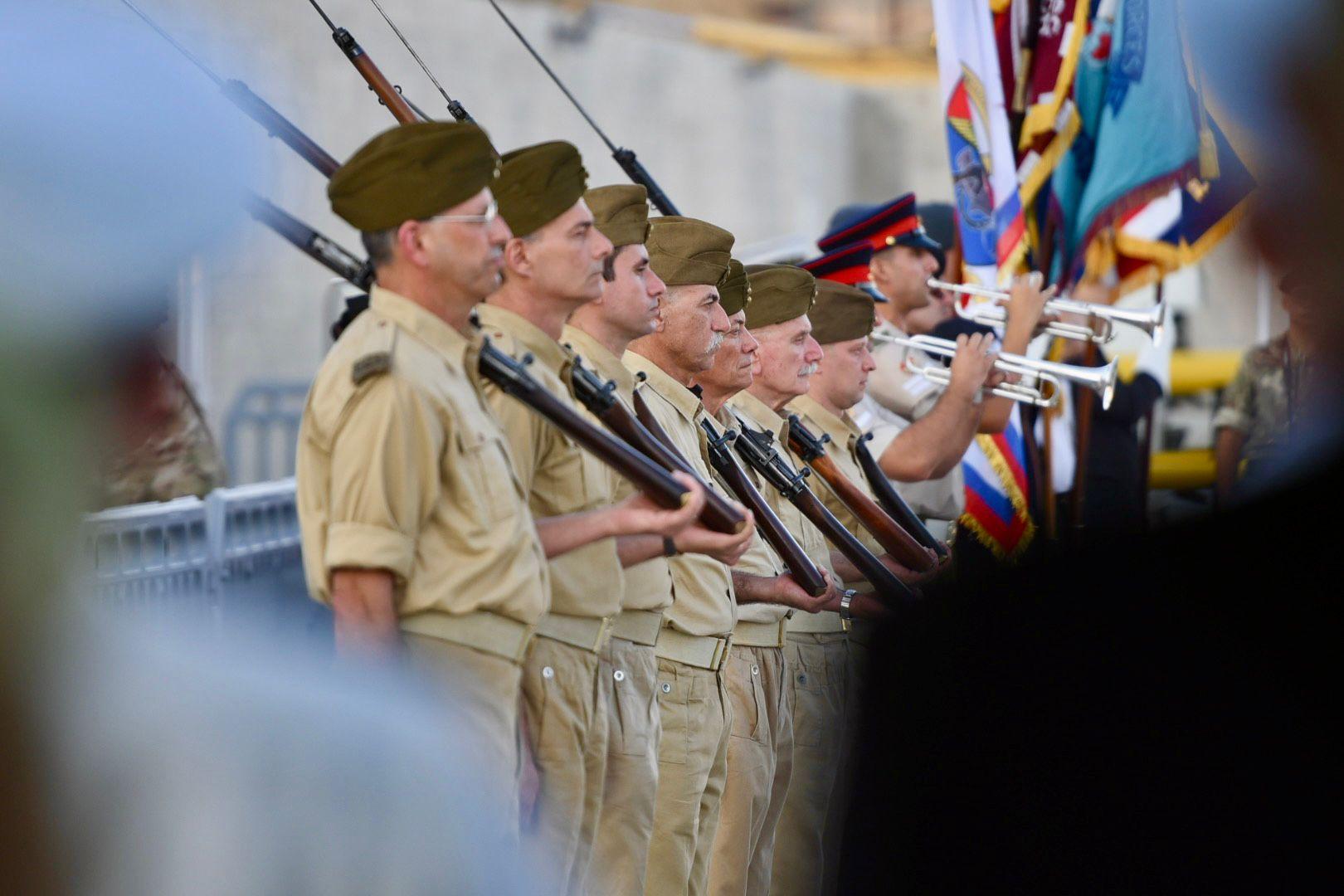
Photo: Chris Sant Fournier.
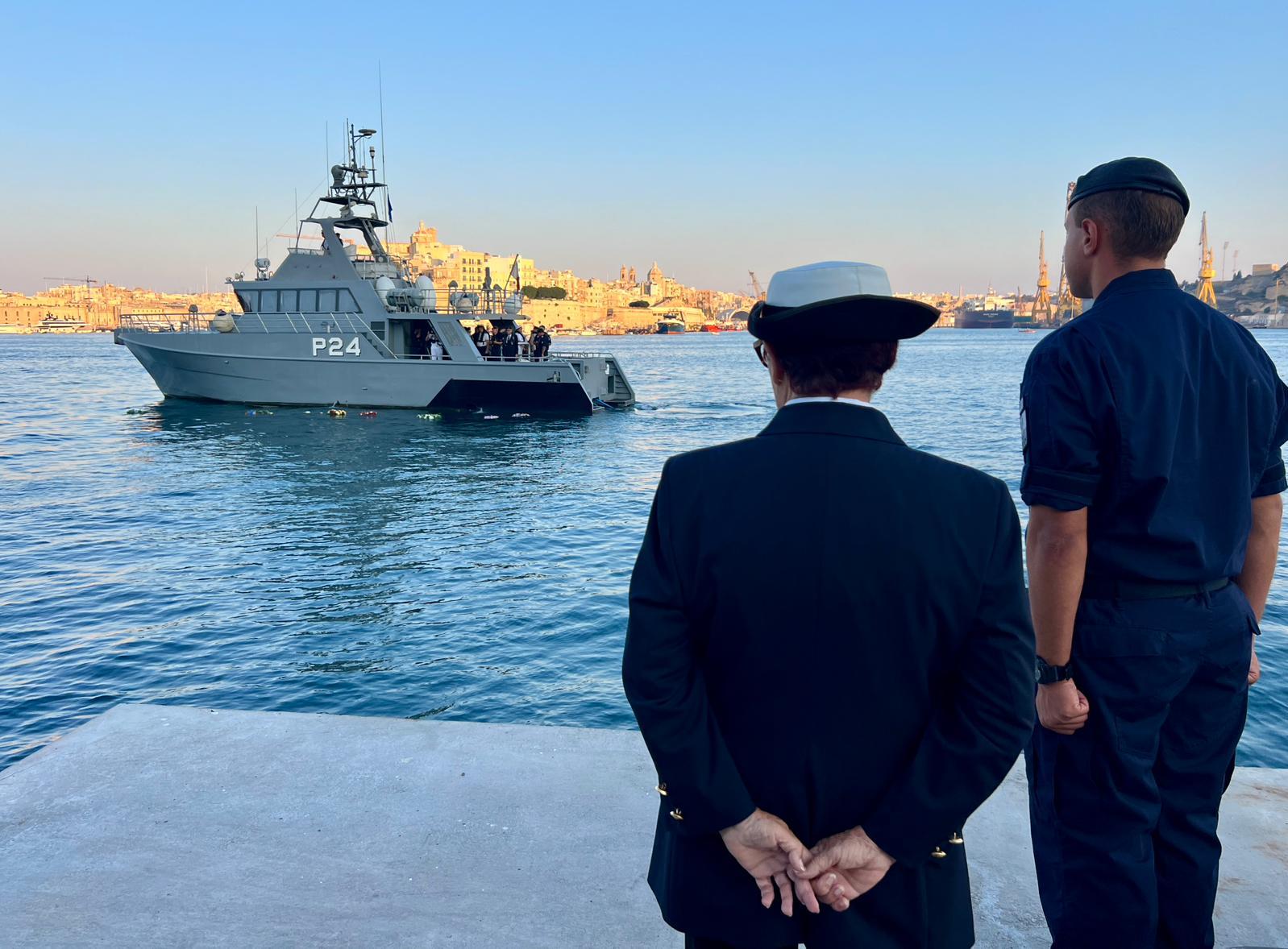
Photo: Chris Sant Fournier.
What was Operation Pedestal?
Operation Pedestal was a British convoy operation during World War II aimed at resupplying the island, which was under a heavy siege by the German and Italian forces.
The operation, which took place in August 1942, involved a heavily escorted convoy of 14 merchant ships attempting to deliver desperately needed supplies, including food, fuel, and ammunition, to the island's population and military.
Malta was a vital British naval and air base in the Mediterranean during the war. From the island, the British and its allies could disrupt the enemy’s supply lines to North Africa, a fact that both sides understood, which is why Germany and Italy tried to bomb and starve the island into submission.
The convoy, known as Il-Konvoj ta' Santa Marija, was one of the most heavily escorted of the war. It included two battleships, three aircraft carriers, and numerous cruisers and destroyers.
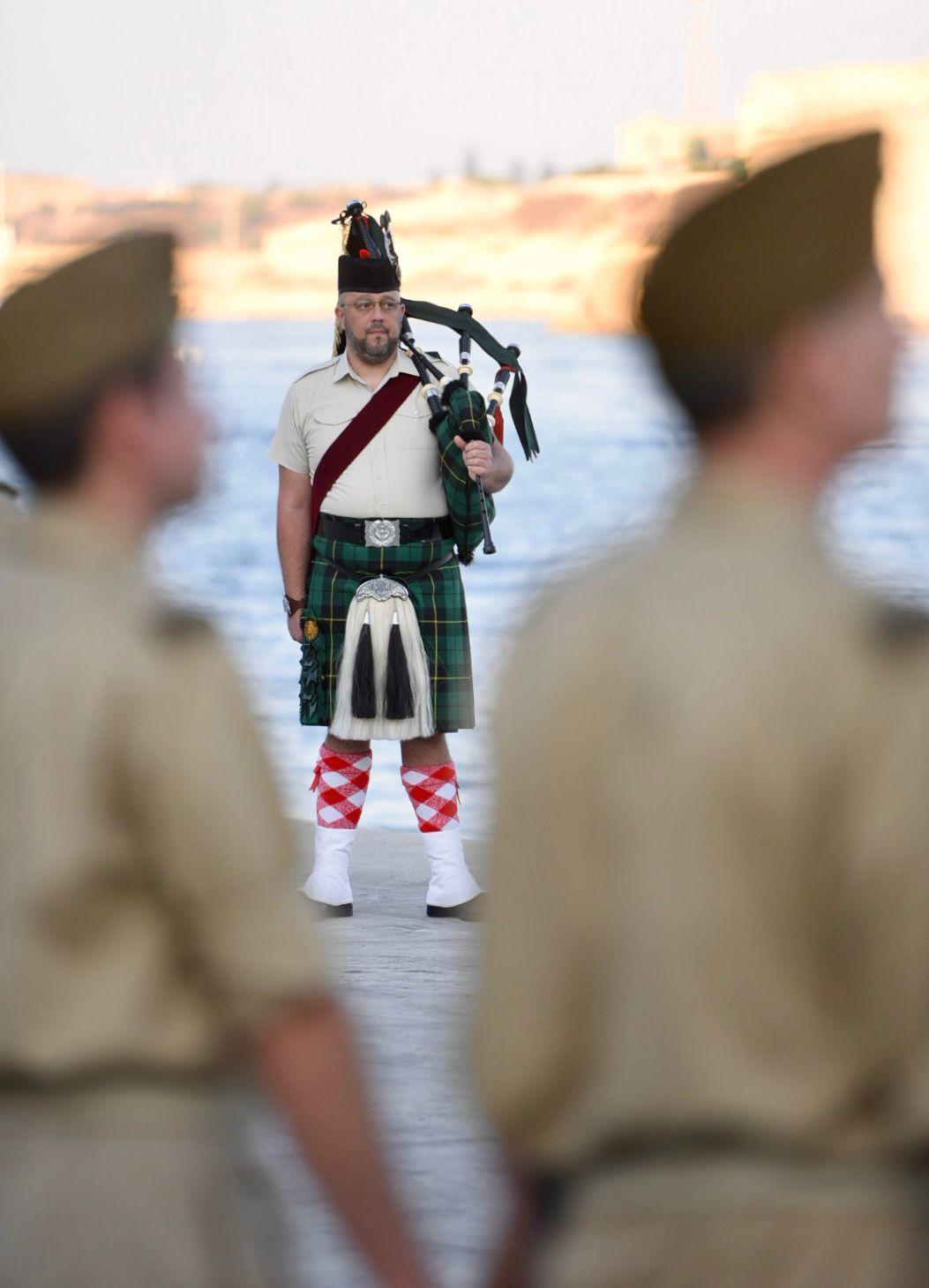 Photo: Chris Sant Fournier.
The most critical vessel in the convoy was the tanker SS Ohio, which carried thousands of tons of aviation fuel. Without this fuel, Malta's air defences would have been unable to continue fighting.
The convoy was relentlessly attacked by the enemy’s warships and planes, sinking nine convoy vessels and killing hundreds of sailors and airmen.
The Ohio was also heavily damaged but, in a remarkable feat of seamanship, was towed into Malta's Grand Harbour just in time along with a few other vessels.
Despite the heavy losses, the convoy's partial success was a significant strategic victory, enabling Malta to persist as a military base.
That moment is often seen as the turning point in World War II, and popular religious culture continues to interpret it as a miracle of the Virgin Mary – a divine intervention that came on the day of the popular feast of the Assumption that saved the island and its people from starvation.
Tuesday's commemoration event was organised by the Malta Branch of the Royal British Legion.