Who killed political debate? Omar Rababah’s case
Acknowledging Malta’s Catholic identity does not mean Muslims should be excluded from public life, says Mariana Debono
For a country that endlessly lectures itself about ‘inclusion’, Malta has developed a remarkably fragile relationship with disagreement.
Apparently, if you oppose Omar Rababah’s proposals, you must secretly fear Muslims. If you defend Malta’s Catholic identity, you are accused of intolerance. And if you question whether Qur’anic teaching belongs in state schools, you are treated as though you personally declared war on civilisation.
No distinctions. No thought. Just labels hurled across comment sections like confetti at a village festa.
Now let us get something important out of the way: a Muslim candidate has every right to contest elections in Malta.
Yes. Rababah possesses the same human dignity as everyone else.
Racism is vile. Mocking somebody because of race, nationality or religion is shameful. The Catechism of the Catholic Church itself condemns discrimination rooted in race or religion and rightly so. Christianity without human dignity quickly becomes theatre with incense.
In this sense, Bishop Joe Galea Curmi is entirely correct. A Christian cannot claim to love God while degrading people on the basis of race, nationality or religion.
But here comes the part which our modern discourse struggles to process without short-circuiting: people also have every right to disagree with Rababah’s proposals.
That too is allowed.
Yet, somehow, we have reached a stage where opposing an idea is automatically interpreted by some as hatred of the person proposing it.
But if I oppose a socialist economic policy, it does not necessarily mean I hate poor people. If I oppose euthanasia, I do not therefore hate the suffering. If I oppose abortion, I do not therefore hate women. And if a Maltese citizen opposes introducing Qur’anic teaching into state schools, this does not magically transform them into an ‘Islamophobe’.
It can simply mean they disagree.
Omar Rababah possesses the same human dignity as everyone else- Mariana Debono
Curiously, the same people who constantly praise ‘diversity’ can become deeply uncomfortable the moment diversity produces actual disagreement.
Now let us address another fact. Malta is not some abstract blank slate floating neutrally in the Mediterranean. Its constitution explicitly recognises Catholicism. One may personally celebrate this or dislike it but pretending it does not exist whenever the topic becomes inconvenient is intellectually dishonest.
And, no, acknowledging Malta’s Catholic identity does not mean Muslims should be excluded from public life. This is precisely the childish binary that poisons contemporary debate. One can simultaneously oppose religious discrimination and still, for example, argue that Malta should preserve its Catholic cultural identity.
These positions are not contradictory unless one has been trained to believe every cultural preference is secretly an act of oppression.
Because a democracy worthy of the name requires something more demanding than slogans about tolerance. It requires citizens mature enough to distinguish between a person and a proposal, between coexistence and compulsory approval.
Rababah has every right to speak, propose and persuade.
The Maltese public has every right to reject what he proposes.
Criticising ideas is not discrimination. Defending Malta’s cultural and constitutional identity is not extremism.
For democracy is neither silence nor conformity but, often, the difficult art of sustaining conversation between people who do not think alike, at all.
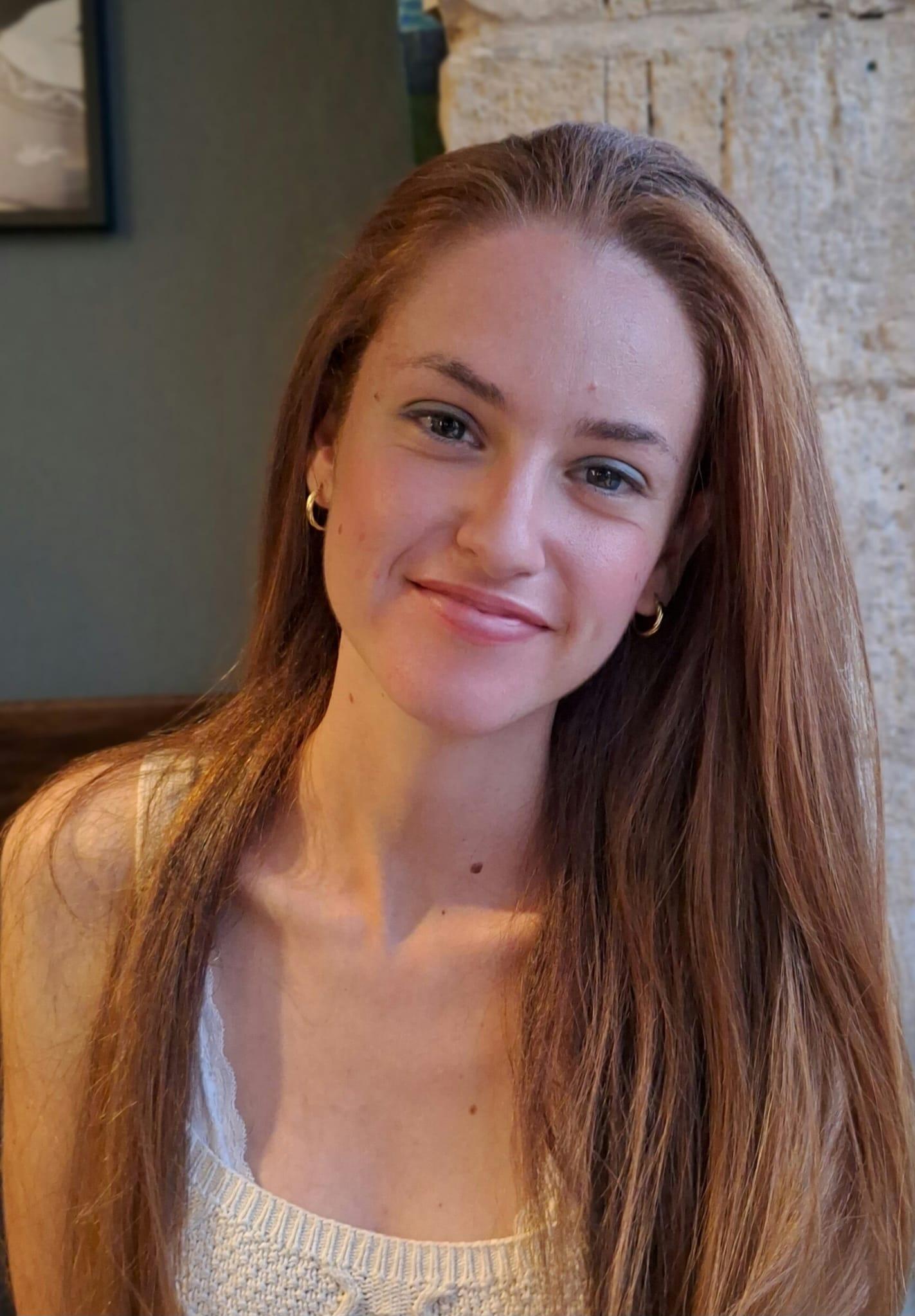
Mariana Debono is a Philosophy PhD candidate, poet and writer.