Letters to the editor - May 5, 2026
Today's letters by Times of Malta readers
Hierarchisation of languages
Carmel Borg, Faculty of Education, University of Malta, writes:
A critique of bilingualism in Malta needs to move beyond celebrating it as a cultural asset and examine how it operates in practice as a stratifying force.
While Malta is often described as successfully bilingual, centred on Maltese language and English language, this framing can obscure significant inequalities embedded within the system. In reality, bilingualism is unevenly distributed, with English functioning as a form of linguistic capital that advantages certain groups over others.
Access to high-quality English exposure is often mediated by socio-economic status, type of schooling and home environment. As a result, children entering education do so with markedly different linguistic resources, yet, the system frequently treats bilingualism as a neutral baseline rather than a differentiated starting point.
This has concrete implications for educational equity. English tends to dominate in formal learning, assessment and progression pathways, particularly in higher education and professional domains. Consequently, learners who are more proficient in English are better positioned to succeed, while those whose strengths lie in Maltese, or who navigate hybrid or emergent forms of bilingualism, may be subtly marginalised.
The issue is not bilingualism per se but the hierarchisation of languages, where English is implicitly constructed as the language of knowledge, mobility and success and Maltese as secondary or informal. Such dynamics risk reproducing social inequalities under the guise of linguistic competence.
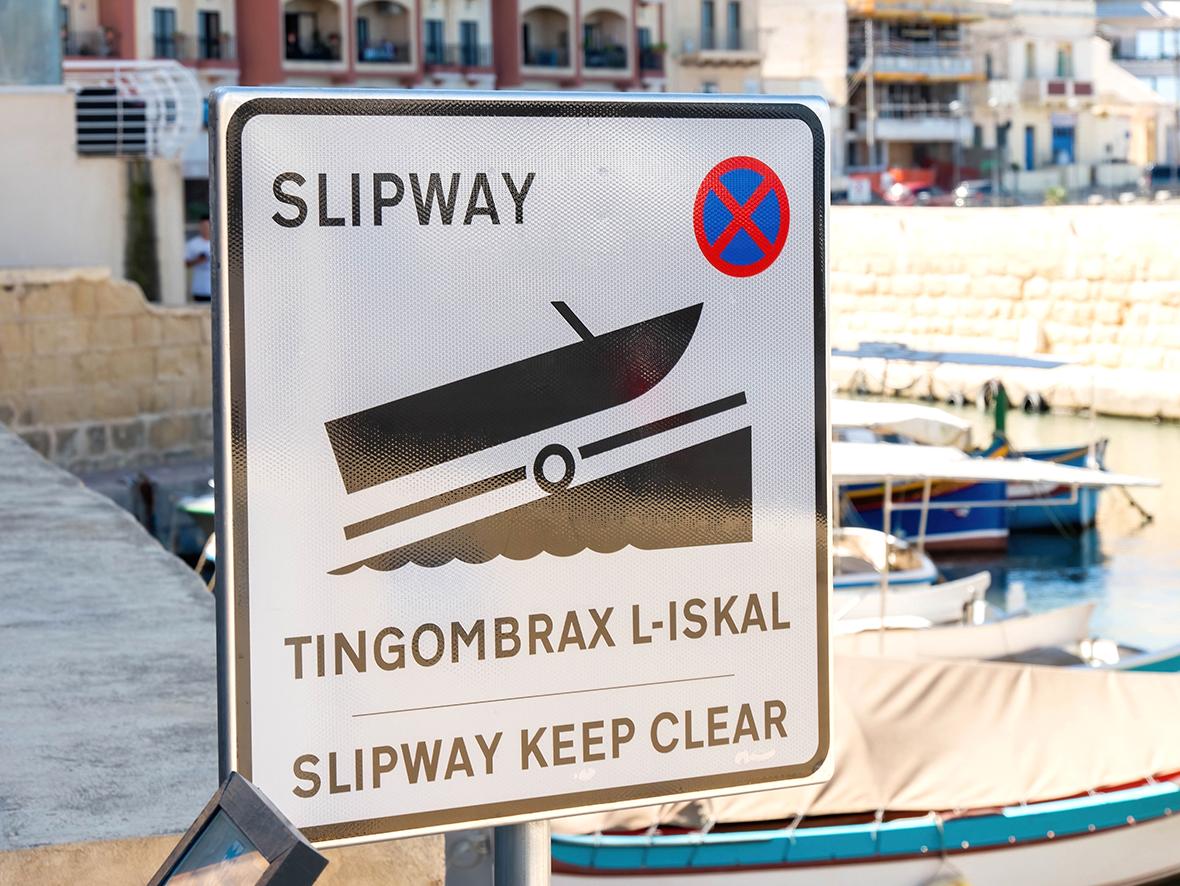 A metal sign in Maltese and English. Photo: Shutterstock.com
Furthermore, pedagogical practices often fail to adequately respond to the complexities of bilingual development. In many classrooms, code-switching is either informally relied upon or discouraged without a clear pedagogical framework. This creates ambiguity for both educators and learners, particularly when significant adults in the classroom may not have received sufficient preparation for bilingual or multilingual interactions.
The result is a system where bilingualism is assumed but not systematically supported, leading to gaps in comprehension, expression and confidence, especially among younger learners and those from linguistically diverse backgrounds, including migrant communities.
A critical perspective also raises questions about identity and cultural representation. While Maltese is constitutionally recognised and symbolically central to national identity, its status in educational and institutional contexts can be uneven. If English continues to dominate high-status domains, there is a risk that Maltese becomes confined to cultural expression rather than intellectual engagement. This creates a tension between national identity and global competitiveness, one that is often resolved in practice by privileging English.
Ultimately, a critique of bilingualism in Malta is not an argument against bilingualism itself but against its unequal enactment. A more just approach would require recognising bilingualism as a dynamic and differentiated reality, investing in ongoing teacher formation for multilingual pedagogies and rebalancing the status of languages within education. Without such shifts, bilingualism risks functioning less as a shared national strength and more as a subtle mechanism through which existing inequalities are maintained.