Letters to the editor – April 8, 2026
Today’s letters by Times of Malta readers
Making a clean sweep
Peter Dingli of San Diego, California writes:
Malta is grappling with a pervasive and increasingly alarming issue: our streets are often awash with garbage. It’s a stark contrast to bustling metropolises like Paris, London and New York, where street cleanliness is largely maintained. This isn’t just an eyesore; it’s a serious threat to public health, safety, and our overall quality of urban life, particularly as the tourist season heats up.
The current state of affairs points to a garbage management system that’s clearly not working as it should. We’ve seen an “explosion” of short-term rentals, on-the-go food packaging, and a disturbing level of civic irresponsibility leading to widespread fly-tipping. While there’s talk of deploying compliance officers and increasing collection frequency, many local mayors, like Noel Muscat of Swieqi, rightly argue that these measures alone won’t solve the core problem. The government’s announced shift to off-peak collection hours also seems to be lacking in implementation.
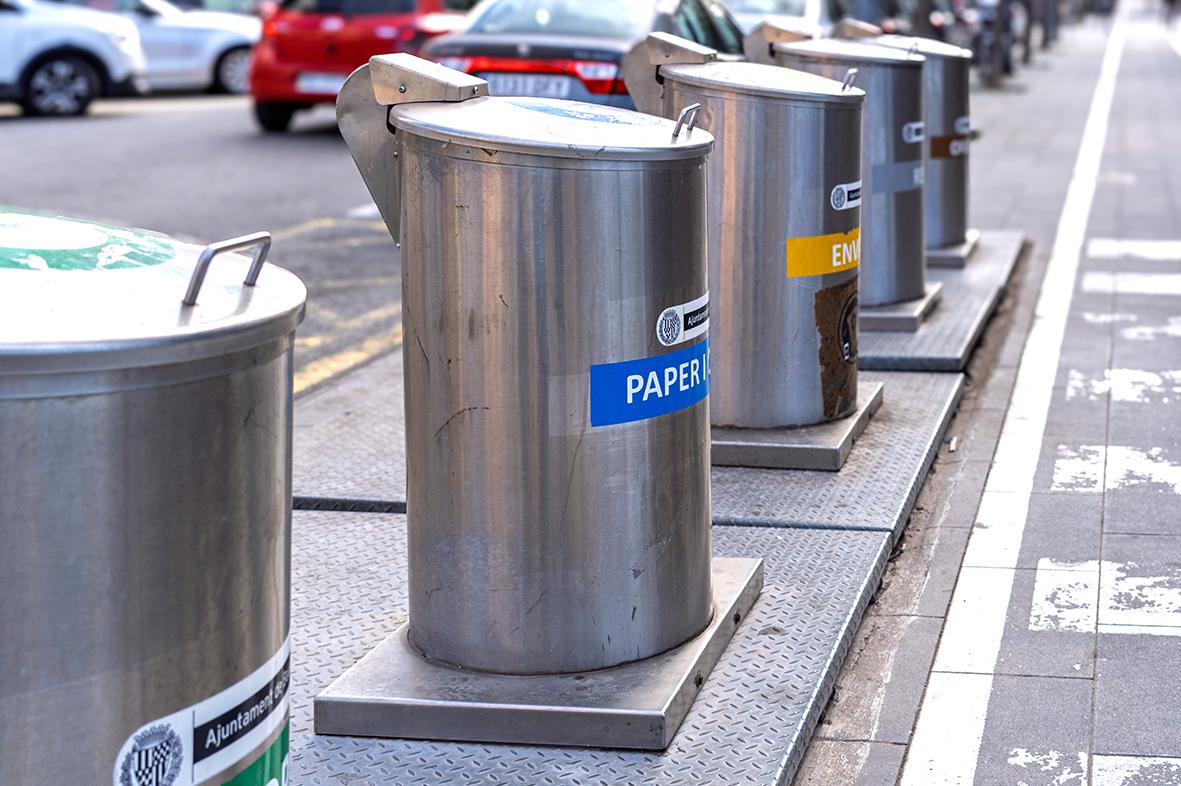 A row of modern stainless steel pneumatic waste collection bins on a street in Barcelona. Photo: Shutterstock.com
Maintaining clean streets requires a systematic, multi-pronged approach that fundamentally redesigns waste infrastructure and management policies. We need to move beyond piecemeal solutions and invest in smart, resilient systems that can genuinely cope with the demands of our densely developed island.
Here are some suggestion on how we can design better infrastructure to tackle this crisis:
For our high-density urban and tourist areas like Sliema, St Julian’s, Gżira, Buġibba and Valletta, traditional bins are simply inadequate. We should invest in underground pneumatic waste collection systems.
These systems allow waste to be deposited into secure inlets and then vacuumed through underground pipes to a central collection point.
This eliminates overflowing street-level bins, reduces foul odours and pests, and significantly streamlines collection, leading to fewer, more efficient pickups.
As mayor Muscat has often pointed out, planning rules need to change. New building regulations must mandate adequate and properly designed garbage storage facilities within properties, especially for multi-unit dwellings and, crucially, short-term rental properties. This prevents bags accumulating on pavements and provides a designated, contained space for waste prior to collection.
It’s a simple yet highly effective solution: ensure there are plenty of easily accessible, empty public trash cans strategically placed throughout our cities. These bins should be equipped with sensors to monitor fill levels, allowing for dynamic, real-time emptying schedules. This prevents overflow, reduces street litter and discourages illegal dumping.
While dry sweeping is essential, we should introduce scheduled wet street cleaning at night, especially in high-traffic tourist areas. As seen in cities like Paris, this method uses second-class water to wash away stubborn grime, stains, and residues that regular cleaning often misses, providing a deeper level of cleanliness and hygiene.
We need a centralised digital platform that provides real-time data on waste generation and collection, and helps optimise routes. This platform should also integrate with enforcement efforts, allowing compliance officers to quickly identify and address hotspots of non-compliance, ensuring waste regulations are respected and enforced effectively.
These infrastructure upgrades, combined with an unwavering commitment to enforcement and a robust public education campaign, are vital. Our central and local governments must also enhance policies that mandate regular maintenance of public spaces by businesses and property owners themselves.
The challenge of keeping streets clean has indeed become formidable, but by strategically designing and implementing modern waste infrastructure, we can move beyond crisis level and create a cleaner, healthier, and more appealing Malta for residents and visitors alike.