Letters to the editor – February 12, 2026
Today’s letters by Times of Malta readers
When debate is harm
Anna Marie Mifsud, from Drachma Parents writes:
Public broadcasting carries a responsibility: to inform, to challenge and to elevate public understanding, not to inflame division. Unfortunately, Popolin’s last programme about LGBTIQ people failed on all three counts.
What should have been an opportunity for thoughtful discussion quickly descended into a spectacle of people talking over one another, raised voices and a complete breakdown of respectful dialogue. Instead of creating space for informed perspectives, the programme allowed and, at times, amplified hostility toward LGBTIQ individuals and families.
Two guests, in particular, used their platform to promote deeply harmful views, including opposition to trans people and to same-sex couples raising children.
These positions were presented not as personal beliefs to be examined critically but as if they were legitimate, evidence-based arguments. No meaningful challenge was offered. No context was provided. No effort was made to balance misinformation with facts or lived experience.
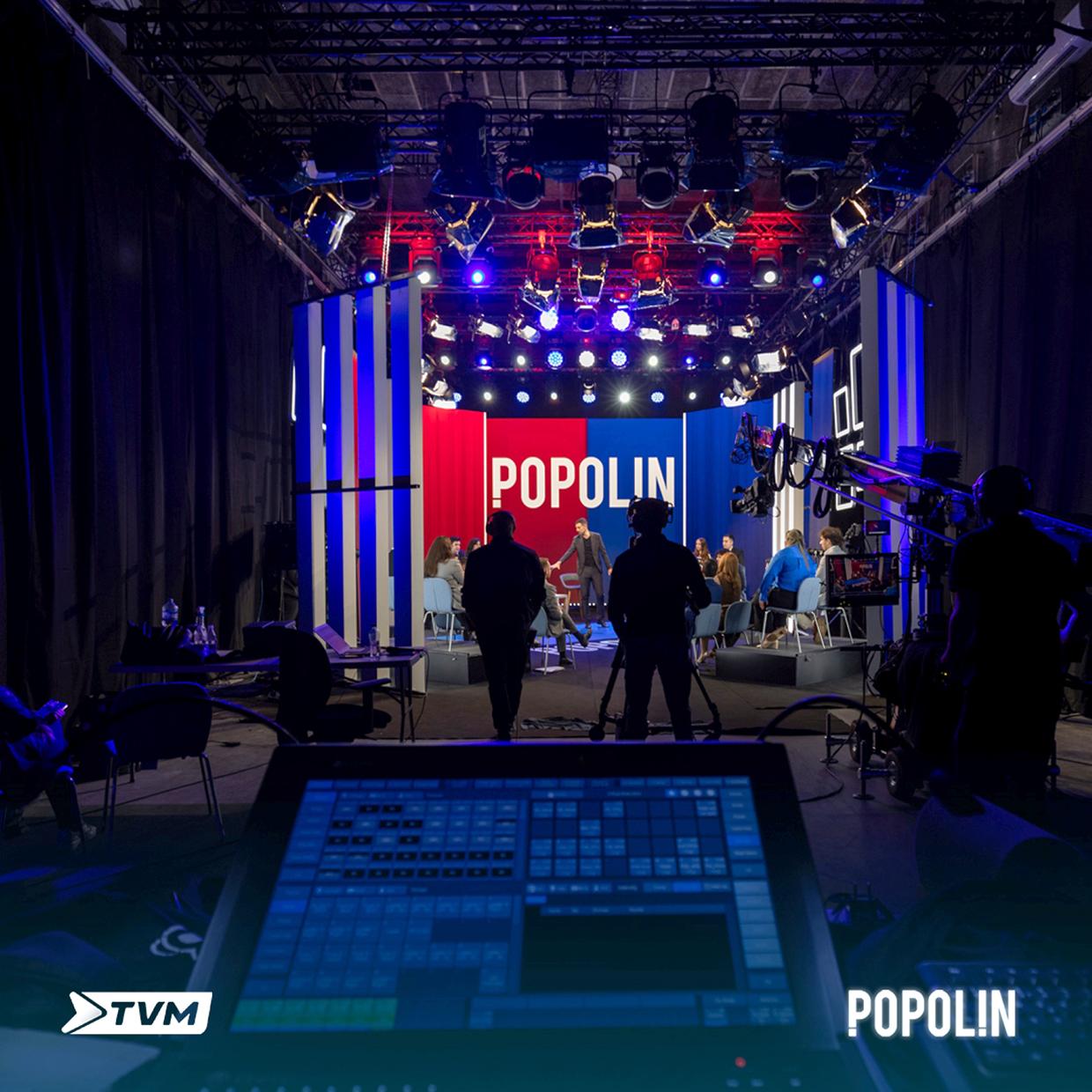 A behind-the-scenes view of Popolin. Photo: Facebook
The result was predictable: the conversation spilled onto social media, where the hostility intensified. LGBTIQ people, already navigating a world where discrimination is a daily reality, became targets of online hate fuelled directly by the tone and structure of the programme.
This is not simply a matter of poor moderation. It is a failure of editorial responsibility.
When a programme chooses confrontation over clarity, sensationalism over substance and volume over truth, it does more than create bad television. It harms real people. It reinforces stigma. It emboldens those who wish to deny others their dignity, their families and their safety.
LGBTIQ people deserve better than to be spoken about as if their lives are up for debate. Families deserve better than to hear their love dismissed as inferior. Trans people deserve better than to have their identities reduced to talking points for entertainment.
Public discourse can – and must – be better than this.
We need conversations grounded in respect, facts and humanity.
We need platforms that uplift voices rather than drown them out. And we need media that recognises its power and uses it responsibly.
This programme was a reminder of what happens when that responsibility is abandoned. It is now up to all of us, viewers, advocates and broadcasters, to demand better.