Letters to the editor – June 10, 2026
Today’s letters by Times of Malta readers
Chess as an educational tool
John Attard Montalto of Sliema writes:
On May 30, when most of us were voting, another memorable event was taking place in Palazzino Sapienti, Valletta. For the first time, a unique Ladies Music and Chess tournament was being held.
Inter-school chess competitions at primary and secondary level are gaining popularity. Only recently, this year, no fewer than 26 schools participated.
My aspiration to make chess an educational tool in our schools is taking shape. Why is this so important?
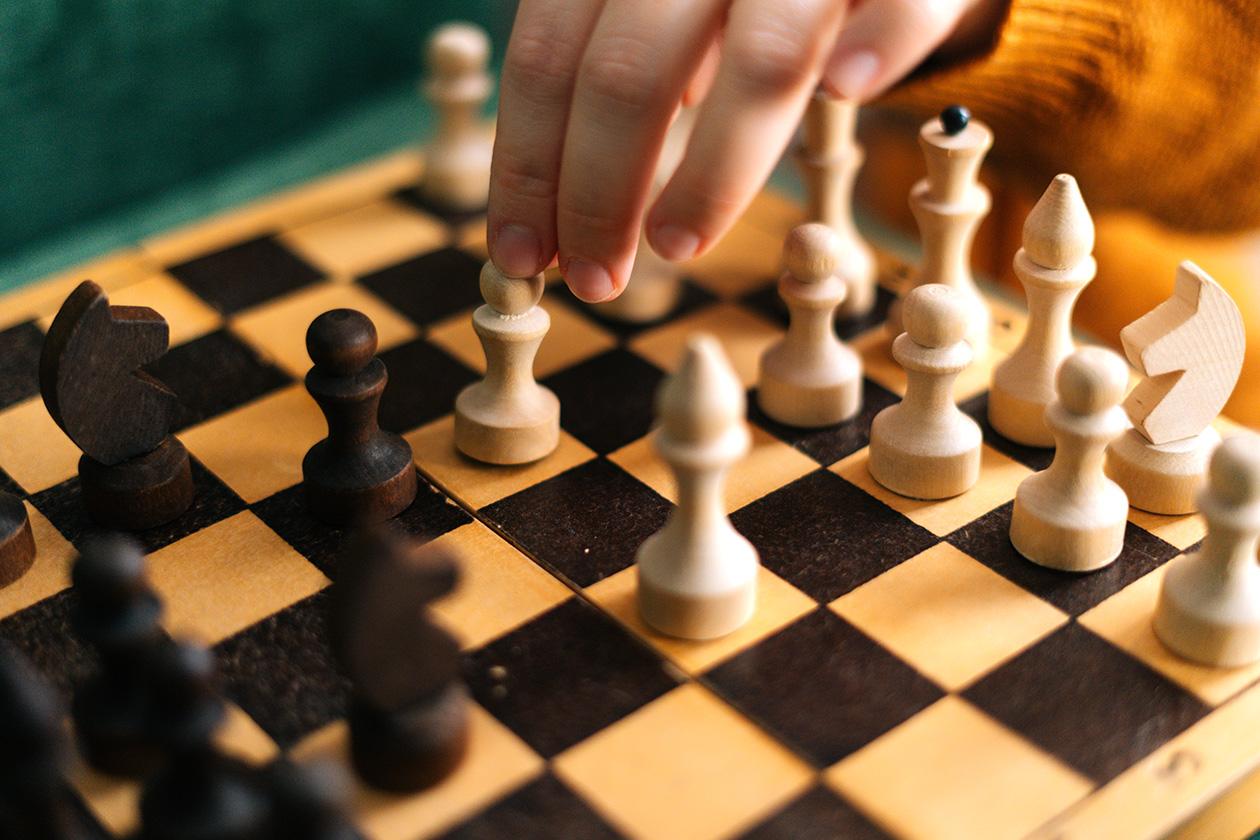 Chess is a powerful, educational tool. Photo: Shutterstock.com
“The best way to predict the future is to create it on a chessboard.” Garry Kasparov, chess champion of all times, considers it as a powerful educational tool that develops skills in critical thinking, problem-solving and decision-making.
Kasparov attended the European Parliament in 2011, specifically to promote chess as an educational subject.
Not a parliamentarian, he had to select sitting members to prepare, under his guidance, a written declaration.
He chose five parliamentarians and analysed their interest in chess through random questions.
On March 15, 2011, the plenary session of the European Parliament unanimously approved a structured declaration promoting chess in schools. I felt honoured not when my name was mentioned but when it was indicated that I was from Malta.
This initiative took root. Adopted in different forms by at least 40 countries, it is mandatory in some, while, in others, it is being introduced in phases, particularly in Latin America, Asia and five EU countries. Needless to say, Russia is at the forefront, followed by India and China with 20 million pupils and even in the US, having half a million in New York alone.
The educational system in Malta has been revamped but is it adequate in the era of AI? Kasparov, the only champion to hold the three crowns Robust, Blitz and Classical, simultaneously lost only to the IBM deep blue computer.
He considers AI as revolutionary but has advocated that it is coexistence with other educational subjects that inspire creative thinking, intellect and memory. Lateral thinking comes to mind.
The best educational stage to introduce chess is at primary level, as in Italy. Magnus Carlson, 13, the youngest grand master ever, owes this to his early introduction to chess. Special programmes, Chess Palace and Chess Playground have been created by Hungarian Judit Polgar, widely regarded as the strongest female chess player of all times.
I am sure that if we reach out to Italy and Hungary, Malta will benefit from their experience.
Chess is not a means in itself but helps in positive decision making, not always present in our context.
It would be wise to follow the dictum of the renowned chess player Zukertort, “chess is a struggle against errors”.