Malta’s exposure to oil is a weakness of our own design
Malta’s shield against the volatility of oil and gas prices should go beyond simplistic energy subsidies, writes Jeremy Sacco
At the time of writing, the war in Iran has pushed the price of a barrel of oil to the $100/barrel mark.
Almost doubling the average pre-war price in a matter of weeks due to the attacks on maritime traffic through the Persian Gulf and damage to pumping infrastructure. Europe and the rest of the world are already seeing shockwaves and reverberations of this crisis.
While in Malta, we’re constantly promised that shocks in energy and fuel prices will be absorbed by the government, it is obvious that, beyond those examples, the guarantee of total economic stability is nothing but PR and damage control.
When you consider that things like nitrogen fertilisers used to grow food, medicines, chemicals, pesticides, plastics, fabrics, metals, sulphur products, electronics and the fuel for the ships that transport all these goods are all either hydrocarbons or petrochemicals, it’s easy to see that these statements were all naïve bluster.
All this before even going into the merit of whether the energy subsidies are sustainable or not.
It is at times like this that it’s normal to ask how this will affect our country and our daily life. However, I think that the more appropriate questions to ask are:
“How did we get here?” “What steps could we have taken to insulate from this?” “How can we learn from this, so it doesn’t happen again?”
It is no surprise that, as a nation, we’ve become too comfortable being dependent on fossil fuels for our energy and transportation needs. After two decades, we’ve made almost no progress towards any of our climate goals and are on track to also miss the next few, which, in this case, also double as our energy independence goals.
We have become too comfortable being dependent on fossil fuels for energy and transportation- Jeremy Sacco
We currently stand at 17 per cent renewable share (2025, almost exclusively from solar) according to the Energy and Water Agency, which is still way off the 25 per cent by 2030 mark.
On top of that, poor and loose planning regulations consistently go against our efforts by paying no attention to surrounding PV installations and by refusing to mandate that roofs and facades on high-rise buildings should have PV panels incorporated.
We are also not pushing hard enough to install offshore wind turbines to hedge against times with low solar output. Renewables have the potential to drive electricity prices down so much that subsidies become irrelevant or might even turn the current low prices into a surcharge.
The country is also lagging when it comes to the electrification of mass transit. Yes, Malta does have one of the highest electric vehicle adoption rates in Europe, but private electric vehicles are significantly less energy efficient when compared to electrified mass transit.
Overhead lines could allow electric buses and electric lorries to charge while driving long routes by deploying a pantograph. The discussion of rail transport, trams and the metro could also be included in this analysis as they would maximise our transport energy efficiency along their routes.
Given that a high renewable energy share often leads to overproduction of electricity, this would either be an opportunity to export electricity for revenue or else to run processes that onshore a lot of electricity-intensive chemical processes like the Birkeland-Eyde fertiliser production, Hall-Héroult aluminium smelting, electric arc furnaces, reverse osmosis, sodium metal production for batteries and a lot more that would then become decoupled from the price of hydrocarbons where excesses can once again be exported.
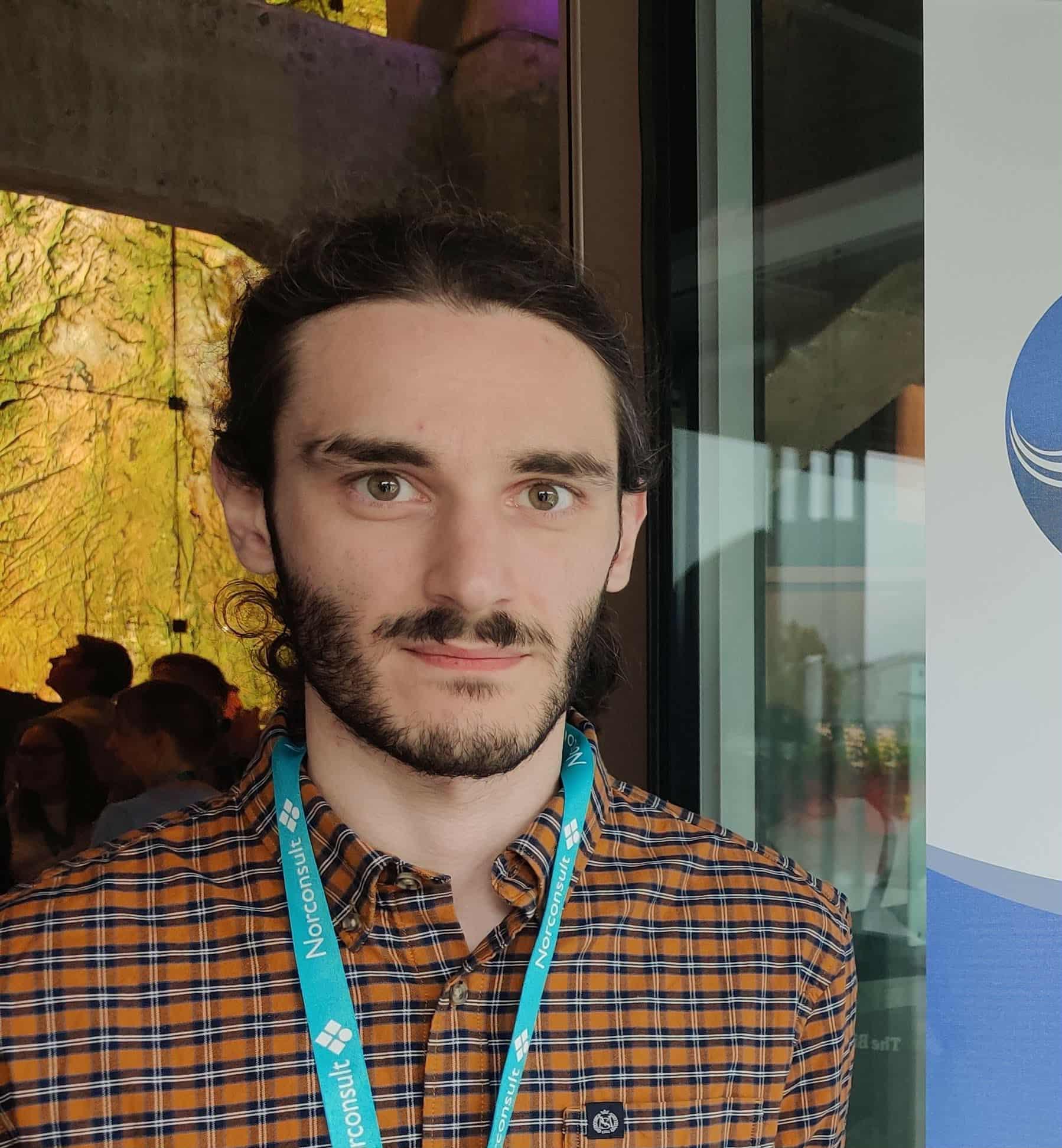
Jeremy Sacco is a physicist and an advocate for technological advancement in economic and energy sectors.