Malta must strengthen its social economy
The social economy has the potential to grow from a sideline to an essential component of Malta’s economic growth in the years to come, writes Roberta Lepre
As European governments and communities seek out economic models that prioritise people and the Earth alongside profit, the social economy is experiencing a renaissance. This discussion is also picking up steam in Malta. To reap the full benefits of this emerging trend, however, the government must take swift and clear action to foster an environment where social economy actors may flourish.
In September of last year, a national stakeholder roundtable was held at Europa House in Valletta in partnership with the Europe Direct CORE Platform and the Social Entrepreneurs Association Malta (SEAM). The goal was straightforward but significant: to collect useful information that may guide the creation of a Maltese Social Economy Action Plan.
Volunteer groups, social enterprises, academics, companies and government officials were all represented in the round-table discussion. Their work highlighted the potential of Malta’s social economy as well as the systemic obstacles that keep it from reaching its full potential.
This discussion is happening at a very opportune time. The European Commission established the EU Social Economy Action Plan in 2021 after realising the sector’s potential to boost innovation, community resilience and inclusive growth. The plan’s stated goals include increasing the profile of social economy players throughout the EU, facilitating better access to markets and funding, and strengthening existing legal and financial structures.
Furthermore, in November 2023, the member states of the European Union approved a council recommendation that urged nations to create or revise social economy agendas by the year 2025 – presenting both an opportunity and a responsibility for Malta. The focus has shifted from whether the social economy is important to the means by which the government plans to sustain it.
Clarifying the meaning of the social economy in the Maltese setting was one of the initial issues addressed throughout the discussion. Companies whose primary motivation is contributing to the common good, rather than increasing their bottom line, are known as ‘social economy actors’. They aim to generate revenue while also helping to solve social or environmental challenges.
Nevertheless, those involved also warned against being too strict with the definitions. They argued that a wide variety of organisations make up Europe’s social economy, including cooperatives, foundations, organisations, social enterprises and even mission-driven companies with more conventional legal frameworks. The participants suggested that if Malta could be a little more flexible, it might acknowledge the many different types of actors that contribute to the common good.
Simultaneously, there was a common worry around what some call ‘social washing’, in which companies claim to be impact-driven without actually putting social results first.
Therefore, it will be critical to strike a balance between being inclusive and being credible.
Keeping conventional companies and social economy players from becoming estranged was another key takeaway from the conversation. Many people who took part in the discussion felt that social influence shouldn’t be limited to just certain kinds of businesses or organisations. The government should instead foster partnerships among for-profit companies, nonprofits and social entrepreneurs.
Companies and social entrepreneurs that work together in public procurement should be financially rewarded, according to one realistic proposal. Instead of relegating social value to a niche in the economy, these steps could propel it into the mainstream.
There is growing excitement about the concept of the social economy but stakeholders pointed out many hurdles that are preventing it from flourishing in Malta.
A more equitable and sustainable society is a social and economic necessity- Roberta Lepre
Disjointed support systems, a lack of information about the sector’s size and economic impact, and difficulty accessing government financing programmes are all factors contributing to this problem. Sometimes, social economy actors are inadvertently left out of current policy or support measures. For instance, social companies and cooperatives do not have access to all forms of financial aid.
The absence of explicit tax and VAT guidelines for companies merging social purpose with business activity was one of the legal and regulatory obstacles mentioned by participants. Smaller firms may also face disproportionate administrative burdens due to compliance demands, such as anti-money laundering laws. If Malta is serious about realising the full potential of the sector, it must resolve these loopholes.
Several positive suggestions were also generated during the discussion, which is encouraging.
One of these was the notion of a national incubator for social companies, which would back creative endeavours outside of the norm of digital start-ups.
Along with training programmes presenting the ideas of social entrepreneurship in schools and colleges, participants also suggested the creation of a single resource hub that would showcase successful social economy ventures.
Another important goal was to make public procurement and financing more accessible. Although social clauses and reserved contracts are acknowledged tools under EU procurement rules, they are seldom used. Several participants advised expanding their use of these tools.
A further effective method that Maltese organisations can adopt from successful models overseas is through international exchanges through programmes like Erasmus+.
The conversation made it quite evident that Malta is at a critical crossroads.
There is already a robust network of organisations and individuals in the country that are actively trying to solve social problems through entrepreneurial means.
The foundations for a thriving social economy already exist, in programmes that address poverty and businesses that promote inclusive employment.
Without a well-defined set of policies, however, these initiatives run the danger of being disjointed and underfunded.
Maltese lawmakers, funders, educators and social service providers can unite around a common goal by creating a national Social Economy Action Plan.
This approach needs to be feasible, open and supported by evidence. In order to foster growth and collaboration, it must acknowledge the multiplicity of players in this space and offer them the resources they require.
A more equitable and sustainable society is a social and economic necessity, and this idea, simple yet powerful, must be reflected in it.
If Malta seizes this opportunity, the social economy has the potential to grow from a sideline to an essential component of the nation’s economic growth in the years to come.
 R
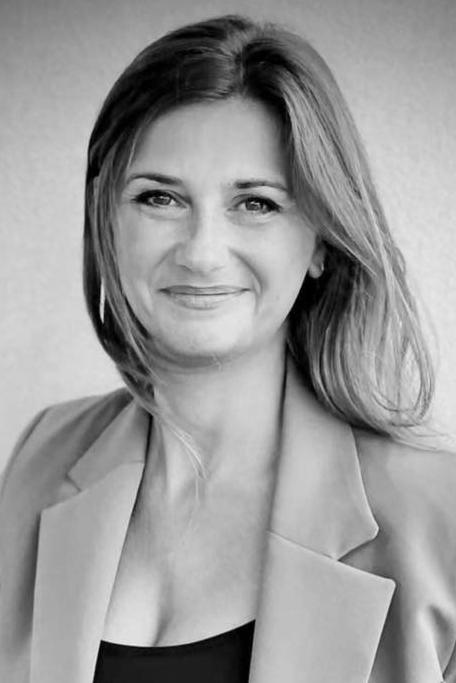
RRoberta Lepre is a warranted advocate, ESG expert and project director at SEAM (Social Entrepreneurs Association Malta).