Malta’s tourism and the Iran war
We must work hard to preserve Malta’s reputation as a safe and welcoming destination, while acknowledging tourism industry remains vulnerable to external shocks, says Philip Fenech
It is never comfortable to find oneself benefiting from another’s misfortune, particularly when that misfortune is the result of war. Approximately 46,000 flights, around half of all scheduled arrivals and departures at the six most affected airports in the Arabian Gulf, have reportedly been cancelled, bringing the region’s tourism industry to a near standstill.
The cost in lost tourism income is estimated at around $600 million per day, in a region where a 13% increase in tourism had been forecast for 2026. Perceptions of war-related risk are rarely confined to one area, and early reports suggest that parts of the Eastern Mediterranean are also experiencing declines in visitor numbers.
Thankfully, Malta’s broad and diverse tourism offering places it in a strong position to benefit from this displaced demand. This is not merely a local perception: Valletta was ranked the number one city in Europe, and worldwide, in Condé Nast Traveler’s Readers’ Choice Awards 2025.
As reported in the Times of Malta on March 22, Ryanair CEO Michael O’Leary has noted very strong European bookings ahead of the Easter period. He also expressed confidence that fares will remain stable throughout the year, supported by the airline’s fuel-hedging strategy, which is designed to shield passengers from price volatility.
Meanwhile, TUI reports that the shift in bookings toward destinations such as Malta outnumbers the number of holidaymakers cancelling their travel plans altogether.
Unlike in countries such as France, Malta’s aviation policy has remained attractive in stimulating growth among low-cost carriers like Ryanair, while also encouraging new operators, such as Delta’s direct flights to New York starting this summer.
Even before the start of the war in Iran, Malta International Airport was achieving a near 20% year on year growth with passenger numbers increasing by 4% as recently as between December 2025 and January 2026. Confidence in our tourism industry’s strength is reflected in reports that KM Malta Airlines is considering ordering the significantly larger A321neo aircraft to replace their current A320ceo fleet.
A few business conference bookings have been cancelled- Philip Fenech
However, not all airlines have fuel-hedging policies in place, and signs of retrenchment are already emerging in parts of the industry. SAS Scandinavian Airlines has begun reducing the number of flights it operates, while United Airlines has recently announced a 5% cut in its US operations.
The longer the war persists, the greater the risk of cancellations affecting Malta International Airport, in addition to disruptions to direct flights to Gulf destinations. However, it must be said that Emirates has done an exceptional job in maintaining its daily Dubai service with minimal interruption.
The subsidies provided by the Maltese government will undoubtedly help cushion the adverse impact of rising global fuel prices on the local economy, much as they did so effectively during COVID. However, most visitors to our islands come from countries without such protection against the rising cost of living driven by the war, and their holiday budgets are therefore likely to be affected.
Our tourism operators will inevitably face rising costs due to this global disruption, and a few business conference bookings have already been cancelled in March, particularly impacting the hard-won business from the Middle East.
At the same time, the recent rapid expansion of hotel development means we are well positioned to accommodate a surge in bookings transferring to Malta. However, the large and extensively renovated accommodation stock also limits the scope for raising prices, helping to keep the country an affordable destination.
It is difficult to envision an immediate future in which tourism profit margins are not inevitably squeezed. Malta continues to benefit from its global reputation as a safe and welcoming destination. We must all work hard to keep it that way, while acknowledging that the tourism industry remains highly sensitive and vulnerable to external shocks beyond its control.
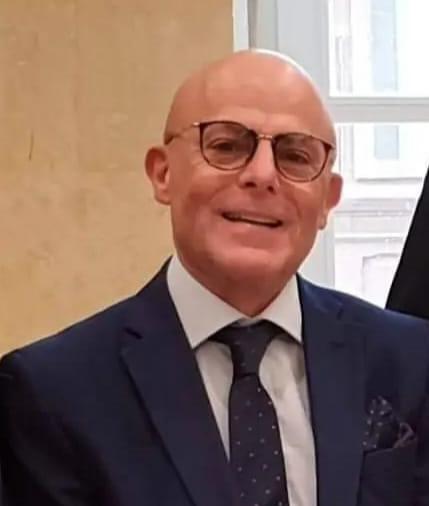
Philip Fenech is deputy president Malta Chamber of SMEs and chairman of Town Centre Management Paceville.