Malta’s tourism model needs urgent reset, hotel manager says
Hubert Debono advocates for limiting new tourist developments to rescue Malta's model
A hotel general manager is calling for an independent commission to cap new hotel developments, warning that Malta is locked in a “vicious cycle” of more beds, more tourists and more imported workers.
Hubert Debono, general manager of the Embassy Valletta Hotel, said the commission should have the power to reject new tourism developments when Malta’s bed stock exceeds what the country can realistically handle.
He also proposed a quarterly public index showing Malta’s tourism carrying capacity, including pressure on infrastructure, housing, labour and the visitor experience.
Debono has spent the past month making a detailed public argument that Malta’s tourism model is broken and the government has a narrow window to fix it.
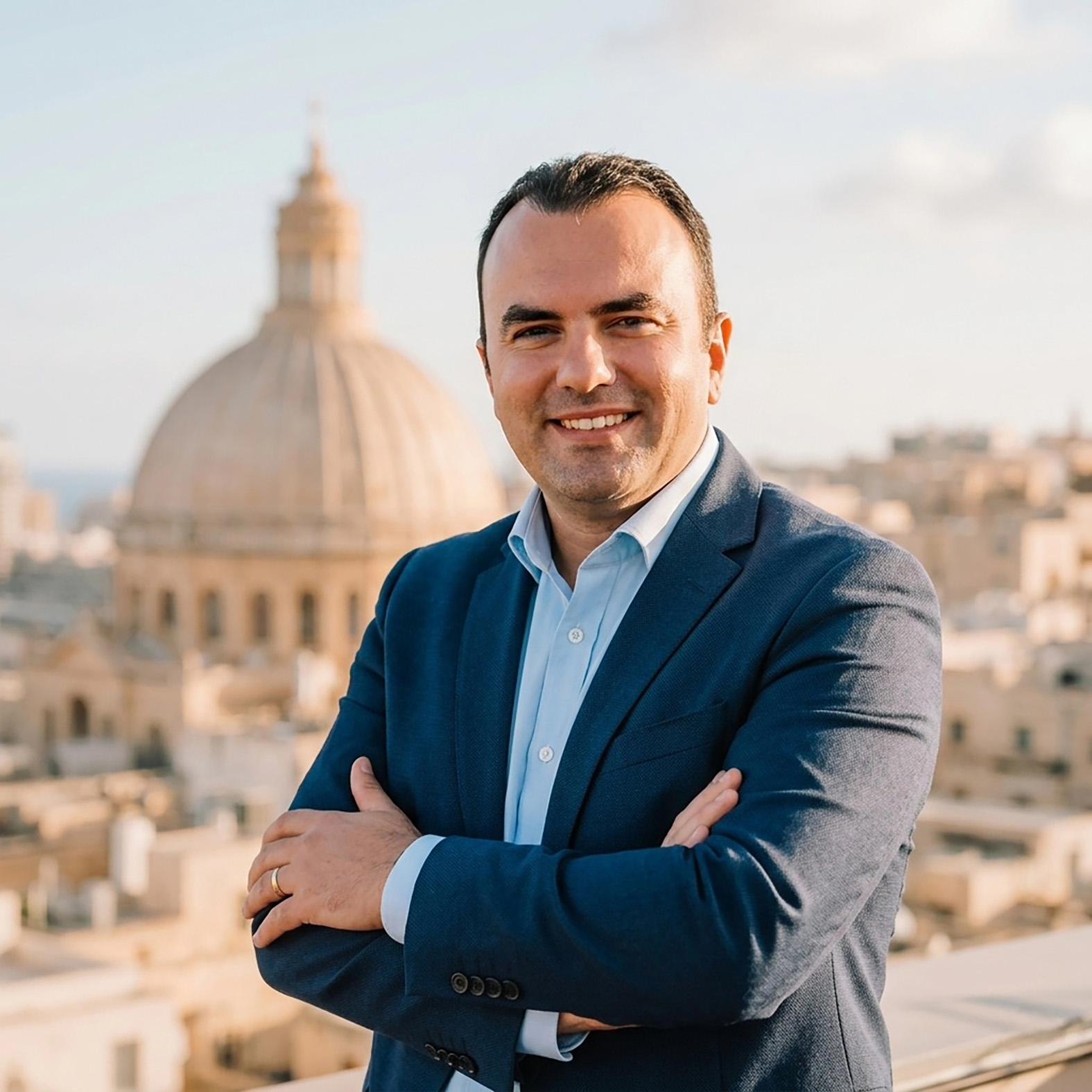 Hubert Debono, general manager of the Embassy Hotel Valletta. Photo: Hubert Debono
He said the evidence was in the numbers. More tourists are arriving each year but they are spending less per visit in real terms and staying for shorter periods. At the same time, the resident population is growing with imported workers that the sector needs to keep expanding.
Debono said the results were a self-reinforcing cycle.
Hotels are among the most profitable investments, so capital flows to beds. More rooms then need more tourists to remain viable. More tourists require more workers, many of whom are recruited from overseas. These workers then compete for housing, pushing prices up, he argued.
All the while, he pointed out, the quality of the destination falls and the sector responds by chasing even more numbers. That means more beds, more approvals and more pressure on the country.
Debono argued that the social contract once justified this. In the past, a new hotel was considered good news for the community around it because it gave people jobs. It would come with more traffic or busier beaches but it put food on the table. Today, he said, many young people are looking for work in more attractive industries.
“As people no longer benefit economically from the new hotel opening across the street, they, instead, bear the inconveniences of it all, without the upsides. Now, hotel openings are not well received by the public,” he said.
Debono also argued that the MTA’s promotional mandate should be separate from its governance function because an organisation whose primary purpose is to attract tourists cannot also be responsible for limiting them.
When asked directly whether a hotel manager calling for supply caps has an obvious commercial interest in limiting competition, Debono acknowledged it but insisted that the argument is about destination quality.
“A Malta that has exceeded its social carrying capacity, where residents are noise-stressed, where infrastructure is strained, where the tourist experience is degrading, is a worse commercial environment for every operator, not just the ones already here. And it’s a worse place to live for the people who call it home.”
He is also candid about the limits of what reform can now achieve. He said there are 13,543 rooms already approved by the Planning Authority and those rooms would be unaffected by any commission established today.
“What governance reform does is determine what happens after that wave. It prevents the next 13,000 rooms and breaks the institutional architecture that produced the current pipeline without any binding carrying capacity assessment.”
Not everyone in the industry agrees on how to get there. Tony Zahra, the president of the Malta Hotels and Restaurants Association, said he is broadly on the same page as Debono but does not converge on the solution. Zahra argued that a statutory body with discretionary decision-making powers could add a layer of interpretation without actual constraint.
“We have enough commissions, authorities and institutions. The last thing we need is another commission or institution. I liken institutions to top-quality motor cars. If the car keeps crashing, it’s because of a lousy driver. Changing the motor car will not stop the crashing,” he said.
A 2024 Deloitte study, commissioned by the MHRA, found that Malta would need 4.8 million tourist arrivals a year if all approved tourist accommodation properties were developed and no existing bed stock was retired.
Meanwhile, the Vision 2050 document states that the 2035 tourism target is around 4.5 million arrivals.
Last year, four million tourists arrived in Malta, making the sector almost a decade early in reaching its target.