A Maltese space research company wants to put a digital archive on the Moon
A Malta-based company is going to take part in a Moon mission, and the lessons could benefit hospitals, labs and schools back home
A Maltese space company is joining an international mission to send a hard drive to the Moon, and it believes the technology developed along the way could help doctors, emergency responders and scientists back home.
Spaceomix, founded by Prof Joseph Borg, is teaming up with Belgian space company Space Applications Services to place a solid-state data storage device called the “Lunar BioVault” aboard the LUVMI-M lunar rover.
The rover will make its way to the lunar south pole, the most strategically important location in current lunar exploration, for a 10–14-day surface mission.
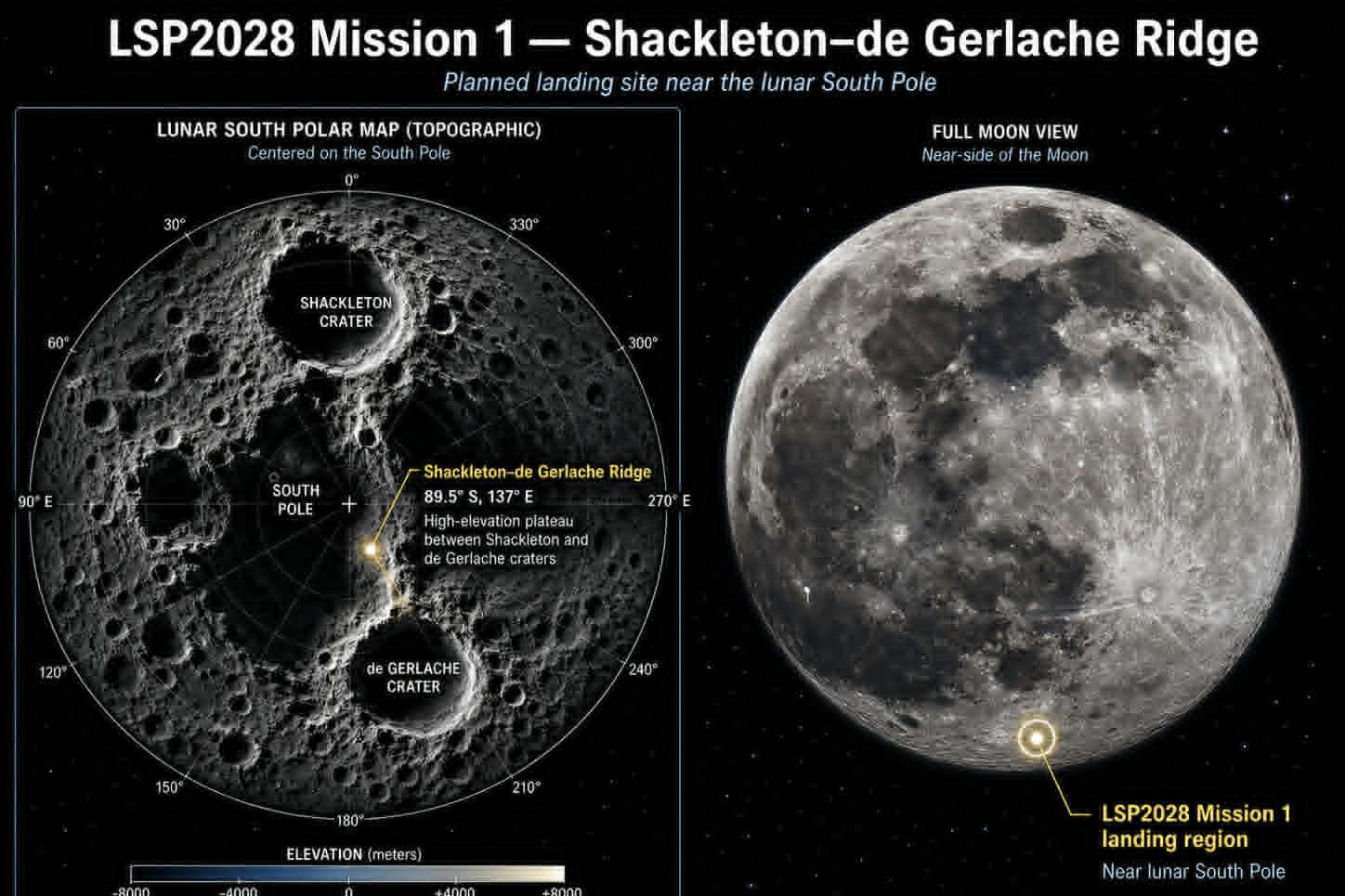 The LUVMI-M rover is planned as a mobile mission to the Shackleton–de Gerlache Ridge near the lunar South Pole
The south pole is the target of many government space missions, including NASA’s Artemis programme and India’s Chandrayaan-3, because of suspected water ice in permanently shadowed craters.
Aboard the rover, a vault will carry a curated digital archive of genome data, educational content, messages from the public and scientific records.
“The Moon has always inspired humanity to look beyond borders,” Borg said. “With this Lunar BioVault, we want to give Malta’s students, scientists and citizens a symbolic place in the next chapter of lunar exploration.”
Borg will also be working with Prof Chrisopher Mason, a leading scientist who was one of the principal scientists behind NASA’s Twin Study, which tracked astronaut Scott Kelly’s molecular changes during a year in space.
“The Moon is becoming a new frontier for biology, medicine and data,” Mason said. “A lunar BioVault can serve both as an archive of human curiosity and as a stepping stone towards future experiments that help us understand how life responds beyond Earth.”
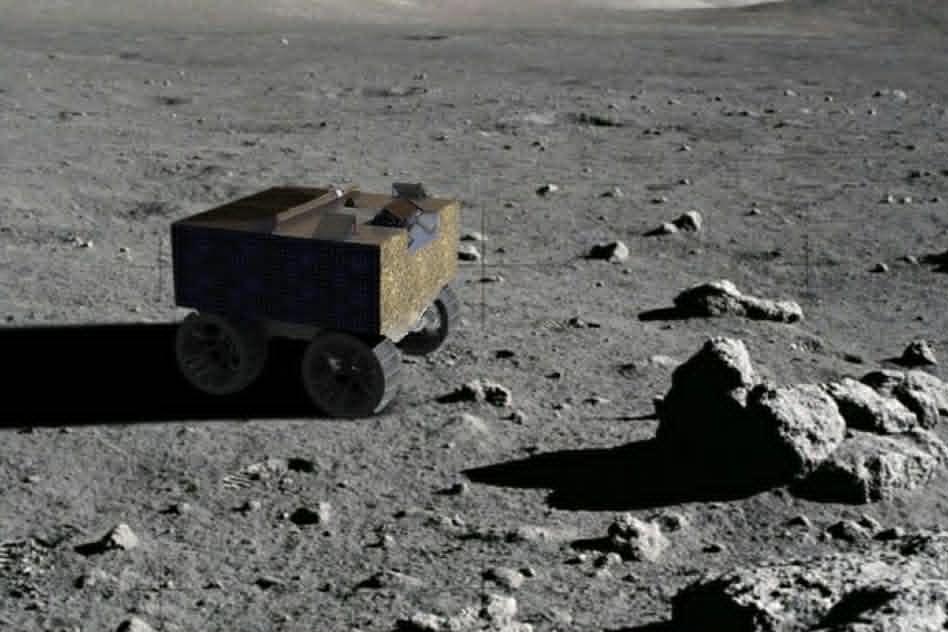 The rover will carry a digital vault of genome data, scientific records and messages from the public.
The timing of the announcement is no coincidence. Malta has just signed the Artemis Accords, a set of non-binding, voluntary principles led by the U.S. and NASA to guide civil, peaceful, and sustainable lunar and deep-space exploration.
The initiative was also announced on May 4, an especially symbolic date for the global space community due to its connection to the Star Wars franchise.
From Malta to the lunar south pole
This is not the first Maltese lunar research project. Between 2021 and 2023, the Project MALETH programme placed Maltese biomedical research on the International Space Station, including studies on diabetic foot ulcers, microbiomes and spaceflight biology.
However, this new project will test how Malta can operate scientifically in a lunar environment, where limited power, limited data bandwidth and harsh temperatures require careful Earth-based decision-making.
Over the two-week mission window, Maltese researchers will test how data from a lunar rover and payload environment can be handled intelligently using bioinformatics, artificial intelligence and machine learning.
Speaking to the Times of Malta, Borg said this lunar mission can give students a living case study in various subjects, ranging from physics and biology to telecommunications and ethics. “The mission can become a national STEM platform, not only a scientific payload.”
He also said children and young people can get involved by sharing peace messages, artwork, school projects and other symbolic material that can be carried within the rover’s internal memory.
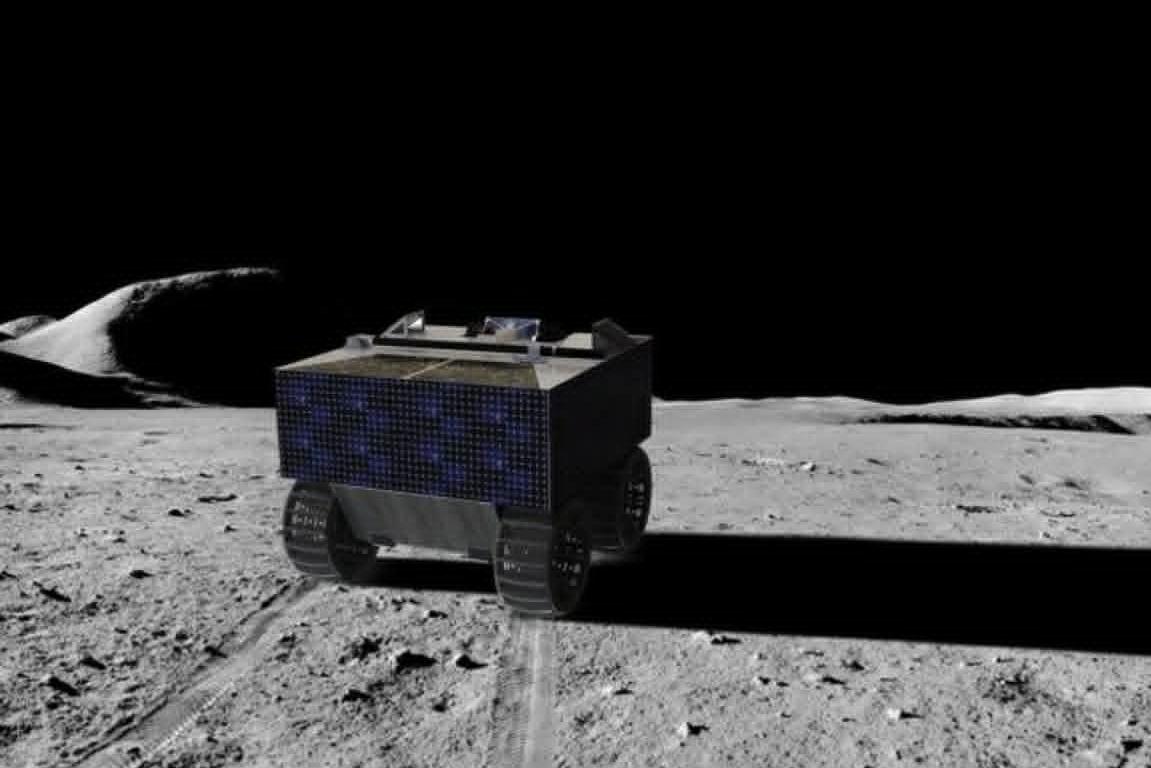 The Moon's South Pole has become a popular target of lunar exploration due to suspected water ice in permanently shadowed craters.
Lessons for Earth
Some people might question the need for lunar exploration when there are so many problems that need solving on Earth, but Borg insisted that humans can learn a lot from space missions.
He said space missions force scientists to be resourceful and efficient, be it by improving communication, automating decisions or interpreting complex data under pressure.
“Those same skills are needed in hospitals, laboratories, environmental monitoring, maritime surveillance, emergency response and high-value digital industries,” he said.
“A lunar data mission is therefore not a distraction from Earth. It is a training ground for the kind of science and technology Malta needs on Earth.”