Where are the Maltese?
Malta has undergone an extraordinary socio-economic transformation that has reshaped the kinds of work that Maltese people do and the paths they pursue, says Maria-Gabriele Doublesin
Across Malta today, a question is being asked with increasing frequency and urgency: “Where are the Maltese?”
It appears in conversations about hospitals, buses, restaurants, construction sites, care homes and classrooms. It shows up in comments on social media, at family gatherings and around village squares. And although the words seem simple, the emotion behind them is anything but. This question speaks to a deeper collective discomfort – one that deserves to be understood, not dismissed.
It is undeniable that Malta looks different today than it did even two decades ago. Many of the people we now encounter in everyday public spaces are foreign workers: driving buses, staffing restaurants, assisting in healthcare, working in construction and supporting a range of services that keep the country running.
For those who grew up in a Malta where nearly every frontline worker was Maltese, this shift feels abrupt. The change is visible and visibility is powerful. When people ask, “Where are the Maltese?”, they are responding not to numbers in a spreadsheet but to the experience of looking around and seeing fewer Maltese faces in the roles that shape daily life.
The emotional impact of this shift should not be underestimated. In small countries like Malta, identity is tightly tied to familiarity. People find comfort in recognising accents, customs and shared ways of interacting. When that familiarity appears to diminish, the response is often a mixture of confusion, loss and anxiety. These feelings, though sometimes expressed clumsily or heatedly, are real and deserve space in the national conversation.
Yet, beneath this discomfort lies a truth that complicates the narrative. The Maltese have not disappeared from the workforce. They have not been pushed aside or replaced. Instead, Malta has undergone an extraordinary socio-economic transformation that has reshaped the kinds of work that Maltese people do and the paths they pursue.
Over the past generation, thousands of young Maltese have moved into professional, administrative and technical roles that were less common among previous generations. Education levels rose sharply. New industries emerged. Career aspirations shifted. At the same time, Malta’s population began to age and fewer young people entered the labour market.
The result was a mismatch between the kinds of jobs the economy needed to fill quickly – often physically demanding, customer-facing or low-wage work – and the roles Maltese workers increasingly sought. Foreign workers arrived because these positions were available, necessary and essential to the functioning of the country.
To many, this explanation may feel too neat when weighed against the emotional response of walking into a restaurant or riding a bus and not hearing Maltese spoken. But understanding the logic behind the change can help soften its sting. The shift is not a sign that Maltese society is fading but that it is evolving.
The presence of foreign workers is not evidence of decline; it is evidence of economic growth and expanding opportunity. If anything, it reflects a population that has advanced into new forms of work, leaving labour gaps that had to be filled for Malta to keep pace with its own development.
Still, acknowledging these demographic and economic realities does not erase emotional tension. When the familiar changes quickly, people worry about what might be lost. They wonder whether Malta’s cultural character, its language, traditions, social rhythms, and community ties, might erode under the weight of rapid diversification. These concerns often emerge in the simple, plaintive question: “Where are the Maltese?” It is less a query about employment and more a cry of cultural uncertainty.
Malta is not experiencing disappearance. It is experiencing transition- Maria-Gabriele Doublesin
This is where empathy becomes essential. Dismissing these worries as intolerance misses the real issue. Most people asking the question are responding to a sense of dislocation, not harbouring hostility. They are trying to interpret a Malta that feels different from the one they grew up in and they are searching for reassurance that what they value will endure.
And, in truth, Malta’s cultural identity remains remarkably strong. The Maltese language continues to anchor communication and expression. Village festas remain vibrant and deeply rooted. Family networks remain central to social life. Religious traditions maintain their influence. Even everyday gestures – how we greet one another, how we socialise, how we celebrate and mourn – carry the unmistakable imprint of Maltese culture. These elements persist not because they are imposed but because they are woven into the fabric of community life.
Malta has long been shaped by encounters with other cultures. Phoenicians, Romans, Arabs, Normans, Sicilians, Spanish, French and British powers all left traces on the island’s identity, yet none erased it. Malta emerged from every chapter with a stronger, more resilient sense of itself. Today’s demographic changes are part of that continuum. To assume that this latest wave of foreign influence threatens to erase Maltese culture is to underestimate the enduring strength of that culture.
There is also a broader context worth considering. The presence of foreign workers in frontline roles does not diminish the presence of Maltese people in the roles that shape Malta’s institutions, policies, education system and public life. Maltese professionals, educators, civil servants, managers, healthcare specialists, entrepreneurs and leaders continue to drive the direction of the country.
The Maltese are still deeply embedded in the structures that define national life. Their visibility may have shifted from the frontline to the framework but their influence remains substantial.
Viewing the current moment through a wider lens helps reframe the conversation. Instead of asking “Where are the Maltese?”, perhaps we should ask: “How can Malta adapt to this period of transition while remaining confident in its identity?” This is a more constructive question, one that invites thoughtful engagement rather than fear.
Malta is not experiencing disappearance. It is experiencing transition. And transition, while unsettling, is also an opportunity to clarify what truly defines Maltese identity, to strengthen social cohesion and to ensure that all who live here, both Maltese and foreign, can contribute to a stable and thriving society.
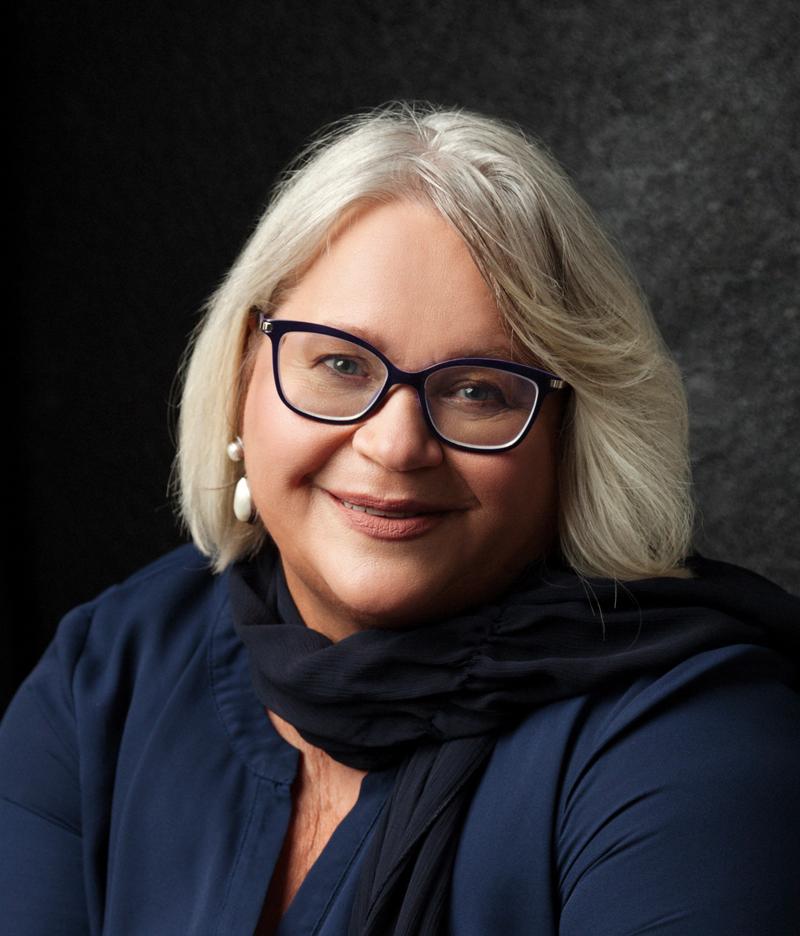
Maria-Gabriele Doublesin is the president and chairperson of Projects and Research for NWAMI International Malta, a voluntary organisation focused on intercultural dialogue, social inclusion and sustainability projects.