How a Master’s in Business Ethics enriched me
Concepts that once seemed abstract, such as fairness, responsibility, and sustainability, have become more tangible and applicable to real-world contexts
Three years ago, while browsing the University of Malta prospectus, I came across an MA in Business Ethics that piqued my interest. I reached out to the programme coordinator, and after having an engaging hour-long conversation about the course, I enrolled in it.
Something that initially seemed like a whim of the moment actually proved decisive for me. The relevance of business ethics – at the intersection of practical decision-making and broader moral questions – added a sense of meaning and applicability.
After taking the initial step of sending an e-mail enquiry, each subsequent step felt smaller and led naturally to enrolment. The University staff, particularly the course coordinator, was very supportive throughout, making my decision less daunting.
The decision to study business ethics often stems from a desire to navigate the increasingly complex ‘grey areas’ of the modern economy. Business ethics provides the intellectual tools to bridge the gap between financial success and moral integrity.
I have often pondered the friction between the cold logic of profit and the human element of labour. Can an enterprise truly value its people while chasing its bottom line?
Thanks to the course, I realised that ethics, much like the workforce itself, is a tapestry of diverse perspectives. When viewed through different lenses, one can eventually reach a consensus of what on the one hand truly helps the individual and society to flourish, and on the other, what hinders this development.
Can an enterprise truly value its people while chasing its bottom line?
The course is structured to suit a broad range of students, bringing together individuals from varied professional backgrounds such as business, the public sector and finance. This diversity contributes to richer discussions and a wider range of perspectives throughout the programme.
The lecturers, who hail from various faculties, including the Faculty for Economics, Management and Accounting, are experts in their fields, and show great passion and engagement for their subject areas.
The curriculum spans a wide array of topics, including business regulation, the role of government, corporate governance, organisational ethics, human resource management, financial ethics, sustainability, environmental responsibility and marketing ethics.
Overall, the course provides a dynamic and stimulating experience, ensuring a highly engaging learning environment.
Now that I have nearly completed the degree programme, I realise how genuinely valuable and transformative this journey has been for me, both academically and personally.
It has deepened my understanding of how ethical considerations intersect with business practices, public policy, and economic decision-making. Concepts that once seemed abstract, such as fairness, responsibility, and sustainability, have become more tangible and applicable to real-world contexts.
One of the most significant benefits I have reaped has been the development of a more critical and reflective mindset. Engaging with a wide range of topics and perspectives has encouraged me to question assumptions, analyse complex issues more rigorously, and appreciate the broader implications of decisions made within organisations and governments. This has not only strengthened my academic skills but also enhanced my ability to approach problems thoughtfully and with greater awareness.
The broad and diverse course content and the backgrounds of fellow students have also played an important role in shaping my experience. Exposure to different viewpoints has reinforced the importance of dialogue and open-mindedness, particularly when addressing ethical challenges that rarely have simple solutions. It has highlighted the value of collaboration and the need to consider multiple perspectives when seeking fair and effective outcomes.
Perhaps most importantly, the course has reinforced the relevance of ethics in everyday professional life. It has shown that ethical considerations are not peripheral but central to sustainable success and responsible leadership.
As I move forward, I feel better equipped to navigate complex professional environments with a stronger sense of responsibility and purpose.
Overall, the experience has not only expanded my knowledge but also shaped how I think, evaluate, and engage with the world around me.
I strongly encourage readers to consider applying for the Master’s in Business Ethics.
The programme is spread over two years of part-time taught study and a dissertation in the third year. The course is eligible for the Get Qualified and Recognition of Prior Learning schemes and also benefits from bursaries to cover part of the expenses.
For more information, search for the Master of Arts in Business Ethics, which his offered by the Professional Ethics Platform at the University of Malta’s Faculty of Theology.
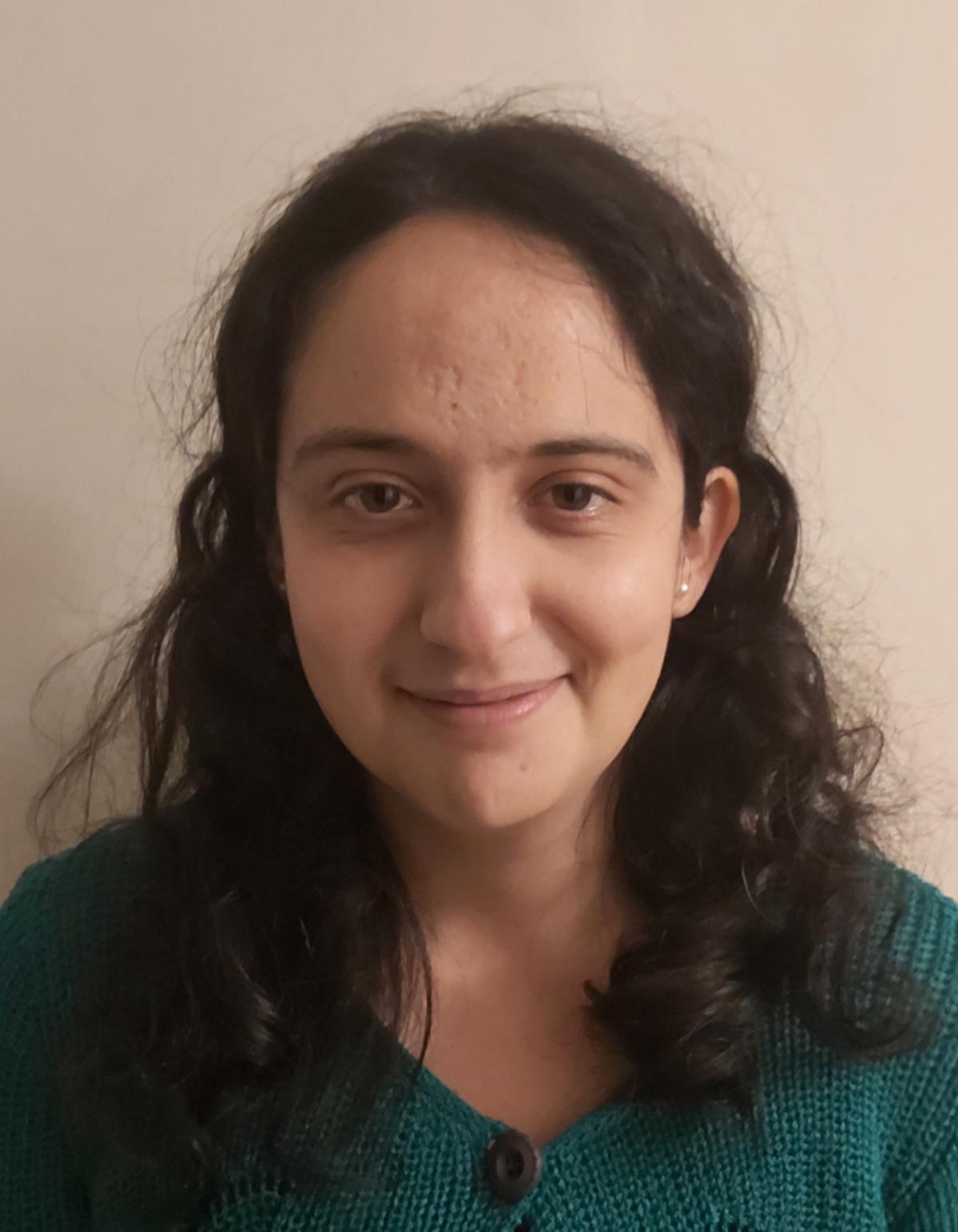
Anita Muscat is an MA in Business Ethics candidate