Mental health: a system built on broken promises
Under the Labour government little progress has been made on promised mental health reforms or a new mental health hospital, says Nigel Camilleri
It was refreshing to see the Nationalist Party place mental and physical health, quality of life and wellbeing at the centre of its electoral campaign. It was, therefore, an honour to contribute to the drafting of a health manifesto, alongside an interdisciplinary team of specialists.
Over the past decade, the current administration has prioritised economic growth, without translating it into a better quality of life or stronger social values.
I returned to Malta as a qualified child psychiatrist determined to help raise standards of care and promote evidence-based practice. This reality involved years spent in meetings within the Mental Health Services that produced little more than words, with no minutes, no action, no clear budget plan points and very little else, creating false hope and no clear road map with an investment in the mental health of the patients.
I was inspired to write this article after reading, with dismay, Labour’s repeated promises to give mental and physical health equal priority and to treat patients with dignity. These are not new ideas; they are priorities mental health professionals have long been advocating.
And, yet, to this day, there has been little real progress, whether on the promised new mental health hospital or on the broader reform that was repeatedly pledged. Now, after 13 years, there is once again talk of another mental health hospital. Will any of this ever materialise?
As someone who trained in athletics all my life, I have learned that words mean little without action. The same applies to mental health services: since 2018, a quarter of psychiatry specialists resigned due to burnout and disillusionment.
As a young psychiatrist returning to Malta to help create the change our young people deserve, I was initially promised investment in a new Young Persons’ Unit outside Mount Carmel Hospital. That promise gradually shrank from a €1 million project outside of Mount Carmel Hospital grounds to €200,000 and resulted in a modest refurbishment of the existing building.
The next challenge was quality of care. Staff training in therapeutic skills costs money but management repeatedly failed to support professional development, forcing many professionals to pay for training themselves.
Worse still, the unit had become a dumping ground for children unwanted by social services. When I discharged around 30 teenagers who should never have been housed there, I received no support from management.
The quality of the environment and care was dismal. Parents would tell me: “You wouldn’t keep a dog locked up in that room for 24 hours without activities.” By the time I left, there was no access to open space for young people, despite its importance. There was also no proper education or therapy provision.
When Labour came to power in 2013 promising meritocracy and national progress, I believed that change was possible. I entered Child and Young Persons Services (CYPS) with a clear vision: to raise standards to international levels and introduce proven community-based approaches.
The first priority was to move CYPS out of a dilapidated hospital setting and into the community. Instead, the service remained trapped in poor premises for years, despite repeated requests for improvement.
I still remember one child asking whether the building was a haunted house and whether ghosts came out at night. One father once told me that the entrance looked like that of a public toilet.
Why are patients still sleeping in dormitories of six to eight beds?- Nigel Camilleri
Because of the poor state of the premises, young professionals spent their own weekends painting doors, finding sponsors for furniture and sourcing artwork to cover mould-filled walls. It took over a year of emails simply to get walls whitewashed and more than five years to secure some staff training.
At times, management offered lip service; at others it actively resisted change. Professionals should not have to beg simply to work in a dignified setting for them and their patients. Over eight years, most of the team resigned.
For years I argued that a hospital-based setting was inappropriate for a community mental health service and carried a heavy stigma. When we asked to move into the community, we were offered the ambulance station underground near St Luke’s Hospital.
Today, the young persons’ service has finally moved into the community but still not into a purpose-built building. I am told that bright white lights and clinical white walls are not suitable for the sensory needs of young people with neurodiversity. Windows are locked as a safety measure but that leaves yet another building with no fresh air to breathe in.
If the government believes in dignity in mental healthcare, why have only two wards been delivered despite a €65 million annual mental health budget and an extra €30 million promised in 2018? Why are patients still sleeping in dormitories of six to eight beds?
To give a clinical example, someone admitted with paranoid schizophrenia may already be living with persecutory delusions. How safe can that person feel while sleeping in a dormitory alongside six strangers?
These failures deny safety, privacy and dignity. By contrast, the team I worked with on the PN health vision was interdisciplinary, forward-looking and focused on lifestyle, prevention and practical action.
Its proposals, from a Selmun health village to integrating mental health across all four hospitals, reflected a clear philosophy: there is no health without mental health.
We are now more than halfway through the Mental Health Strategy 2020–2030, yet it appears to be no more than paper in a file.
I still believe in a new mental health strategy based on prevention and good mental health from birth, an effective mother-and-baby unit and support through to active ageing, all grounded in evidence-based practice.
Malta today stands at a crossroads. We can continue down the path of promises, false hope and mediocrity or we can choose a path where action matters more than words.
I believe in trained management that leads by example, promotes genuine work-life balance and encourages job-sharing and team cohesion. I believe in bringing public and private professionals together in the best interests of those most in need. If you believe in a country that values both prosperity and quality of life, it is time for a change.
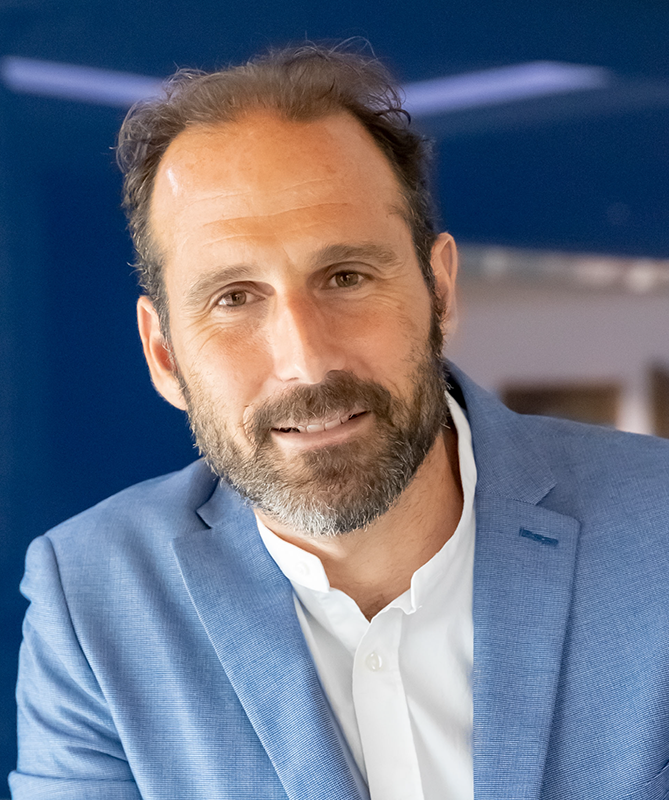
Nigel Camilleri is a psychiatrist.