Mercosur–EU agreement is multilateralism’s response to isolation
Amid the rise of political extremism, Mercosur and the European Union demonstrate in concrete terms how multilateralism remains relevant and indispensable, says Brazilian President Luiz Inácio Lula da Silva
At a time when unilateralism isolates markets and protectionism inhibits global growth, two regions that share democratic values and a commitment to multilateralism choose a different path.
Against the logic of trade wars, which fragment economies, impoverish nations and increase inequality, Mercosur and the European Union will tomorrow sign one of the most comprehensive agreements of the 21st century.
After more than 25 years of negotiations and grounded in the conviction that only integration and trade openness can foster shared prosperity, the agreement creates the world’s largest free trade area. No economy exists in isolation. International trade is not a zero-sum game.
All economies seek to grow and this new partnership will create mutual opportunities for employment, income generation, sustainable development and economic progress.
Together, the 31 countries of the Mercosur–European Union agreement account for approximately 720 million citizens. Our combined GDP exceeds $22 trillion. The agreement will expand reciprocal access to strategic markets through clear, predictable and balanced rules. By removing trade barriers and establishing common regulatory standards, investment, exports and value chains will expand on both sides of the Atlantic.
A robust trade complementarity links the economies of South America and Europe. The version of the agreement approved protects the interests of vulnerable sectors, ensures environmental protection, promotes shared values such as democracy and human rights, strengthens labour rights and preserves the role of the state as a strategic driver of economic and social development.
This agreement was made possible because Mercosur and the European Union understood they had far more to gain together than individually and chose dialogue grounded in respect and equality.
The two blocs found areas of convergence even in the face of differing perspectives, demonstrating that cooperation is significantly more effective and advantageous than intimidation and conflict. We thank the countries of Mercosur and the European Union for their commitment to concluding such a significant agreement.
This new partnership will create mutual opportunities for employment, income generation, sustainable development and economic progress
The signing, however, represents only a first step. Tomorrow begins a new phase of scrutiny to ensure the swift and transparent implementation of what was agreed. The agreement’s true success will be measured by how quickly its benefits reach store shelves, fields, factories and households.
Numerous sectors on both sides will benefit, from the bio-economy to high-technology industry, and from small- and medium-sized farmers to small, medium and large enterprises. European and South American consumers will have access to a wider range of products at lower prices, while producers will reach new markets.
Beyond its commercial and economic benefits, the agreement further brings together partners united by historical ties and a shared commitment to democracy and multilateralism. Interdependence is both a necessity and a reality. Only joint action among states and regional blocs can promote peace, prevent atrocities and confront the most severe effects of climate change.
In a context of growing protectionism and unilateralism, the agreement demonstrates that a different model of global governance is possible – one that is more active, representative, inclusive and just. These same principles guide our pursuit of renewed multilateral institutions, including the reform of the World Trade Organisation and the United Nations Security Council.
Amid the rise of political extremism, Mercosur and the European Union demonstrate in concrete terms how multilateralism, which brought immense benefits to the world after World War II, remains relevant and indispensable.
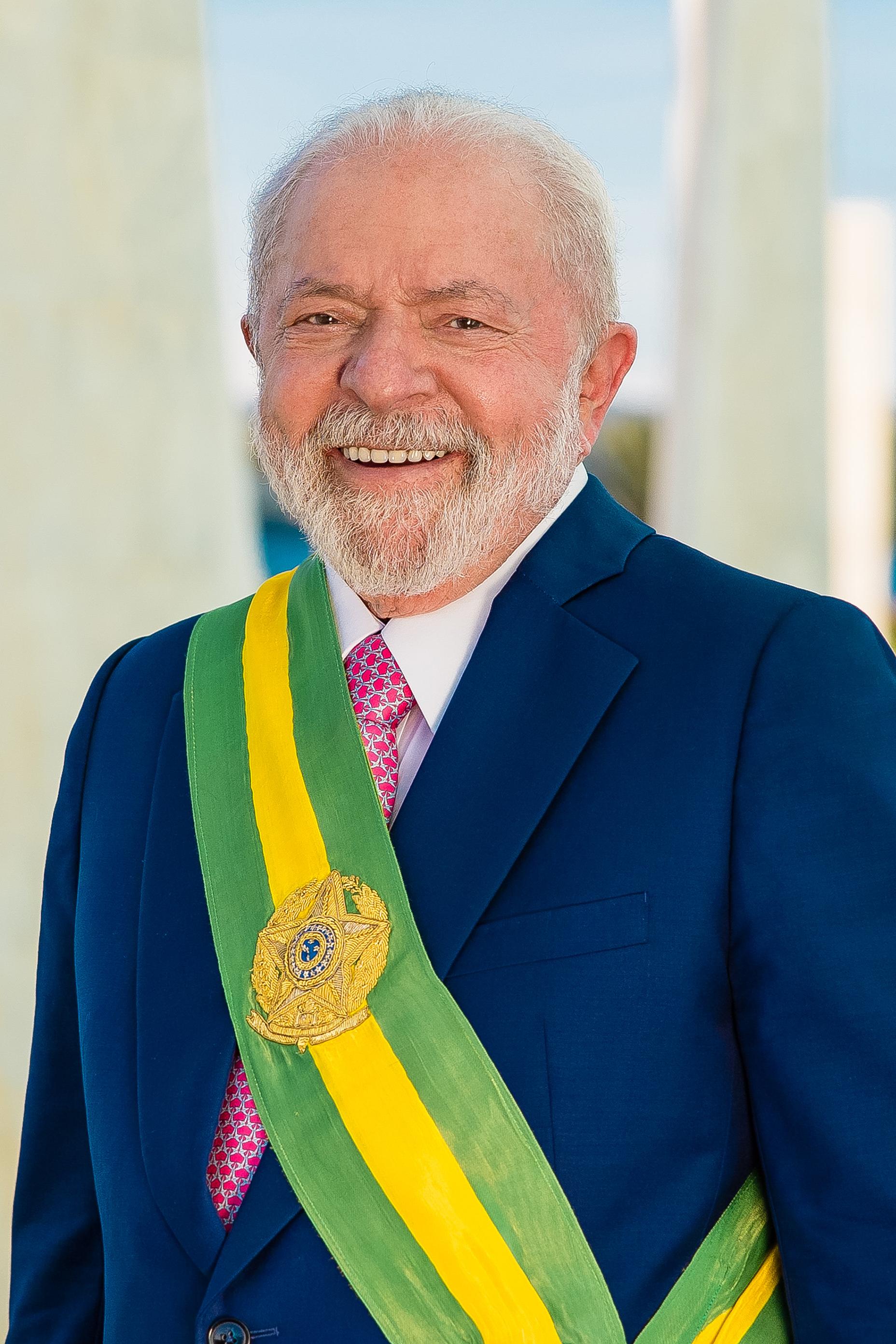 Luiz Inácio Lula da Silva
Luiz Inácio Lula da Silva is President of the Federative Republic of Brazil.