Metro plan was best but became unaffordable, Bonett says
Transport Minister says he does not blame people for being sceptical about 'Malta in Motion' plan
An abandoned 2021 proposal to build an underground metro across Malta was the “best possible plan”, Transport Minister Chris Bonett has acknowledged, but ballooning costs made it unaffordable.
“Having all our transport underground was the best possible plan. But after infrastructure costs blew up due to war in Ukraine, the numbers went haywire and it became unaffordable,” Bonett said on Saturday of the metro proposal. “It was estimated to cost around €4 billion and ended up at €6.3 billion in a matter of a few months.”
It is not clear whether Bonett was referring to the first phase of that metro proposal, which was originally expected to cost €3.9 billion, as the 2021 plan was unveiled with a total expected cost of €6.2 billion from the outset.
The minister was speaking to Campus FM radio host Andrew Azzopardi during a brief phone-in interview.
The metro plan was put together by global consultancy Arup and unveiled with a glitzy promotional drive. It proposed a three-line, 25-station underground network to be developed over a 20-year period.
The plan ultimately went nowhere and this past week was replaced with a new, revised plan to develop a 24km light rail line linking the airport to St Paul’s Bay, with a network of buses, ferries and cycling paths feeding stations along the route.
The new plan, dubbed “Malta in Motion”, is estimated to cost €2.8 billion to implement, with the first section of the rail line expected to be completed by 2036 and the full line operational by 2041.
Bonett said the government had told Arup to come up with a new, more affordable plan that incorporated all the potential methods in which people in Malta can get around.
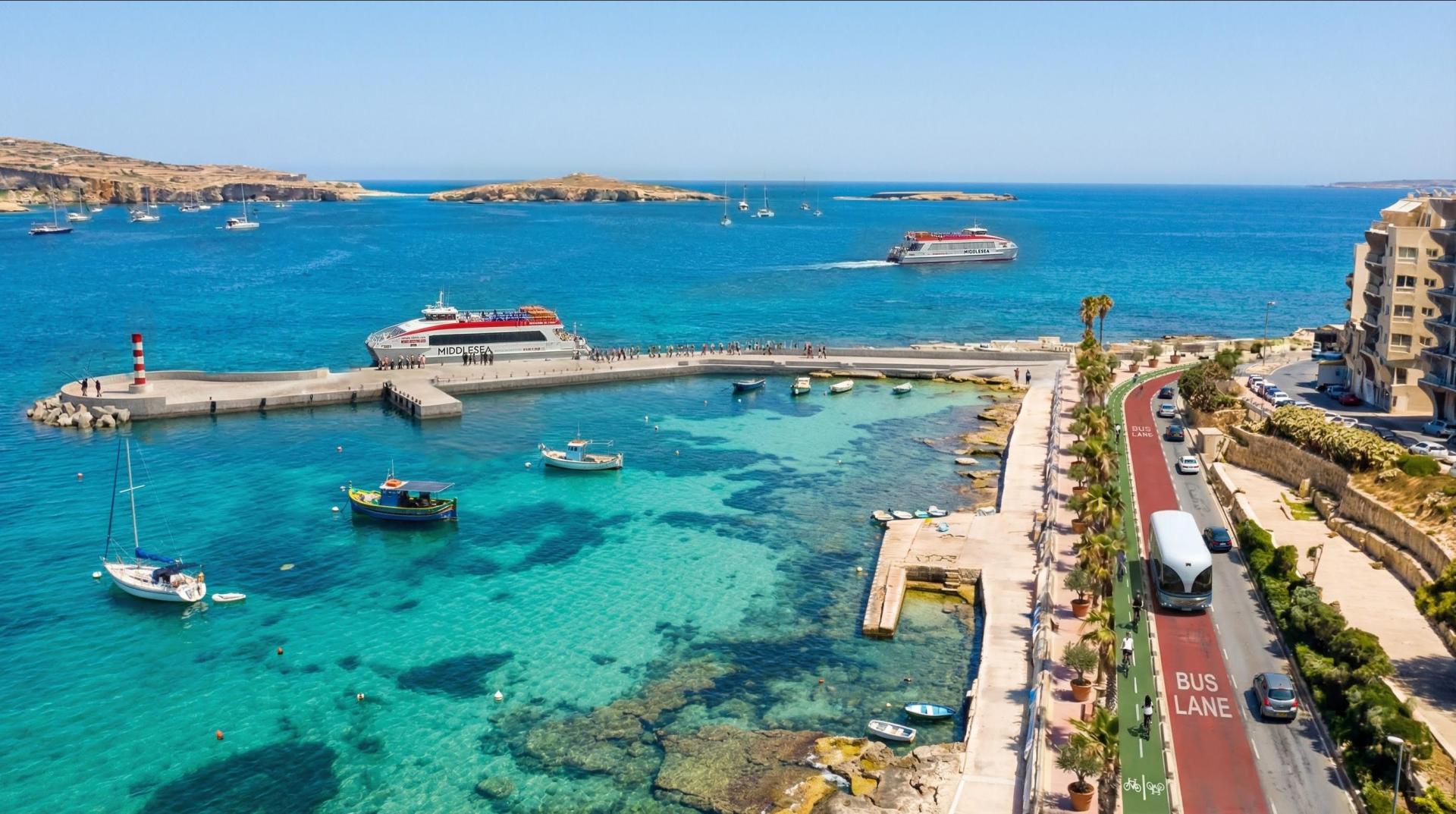 A render of the Buġibba ferry landing with a dedicated bus lane presented this week. Image: Mizzi Studios
'I don't blame sceptics'
He said he did not blame people for being sceptical - Opposition leader Alex Borg has called the plan "half-baked" - but the minister insisted first reactions were encouraging overall.
“I received several messages from people who are not Labourites, who said the plan looks doable,” he said. “Of course people will be sceptical. I can’t blame them. Perhaps we did not do a good enough job of explaining why the 2021 plan didn’t happen.”
Bonett acknowledged that the project’s 15-year timeline might frustrate people but said a project of that scale had to come with such timelines.
“I can’t go against science,” he said.
The project will be complemented by infrastructural investment into Malta’s breakwaters, he said, to better shelter local harbours and make ferry crossings more reliable and less prone to weather-induced cancellations.