MIDI tells shareholders it took Manoel Island deal under insolvency threat
With a €50 million bond repayment looming, the company was unable to generate any money through property sales at Tigné Point
MIDI was forced to accept a €43 million deal to return Manoel Island after the government’s legal threats brought it to the brink of insolvency, MIDI told its shareholders in a circular issued on Monday.
The starkly worded circular traces MIDI’s account of how negotiations for the return of Manoel Island progressed, detailing how it found itself holding a weak hand as a result of the government’s legal threat to scrap the entirety of the concession signed in 2000.
Two judicial letters filed by the government, threatening to rescind the entire concession, meant MIDI was unable to complete several apartment sales at Tigné Point. These sales were crucial to repaying a €50 million bond expiring in late July, the company told its shareholders.
The threats also meant that there was a legal cloud hanging over commercial properties at Tigné Point, which were used as security for the bond.
“The judicial letters paralysed the company’s ability to complete 59 promise of sale agreements at Tigné Point, compromised the security for the Bonds, and placed the entirety of the company’s property portfolio in jeopardy,” MIDI said.
If the 59 promise of sale agreements fell through, MIDI would not only lose the income generated from their sale, but also have to repay over €39 million in deposits made at the time of their signing.
Ultimately, MIDI said, the company “found itself in a position of extreme commercial jeopardy,” and facing insolvency.
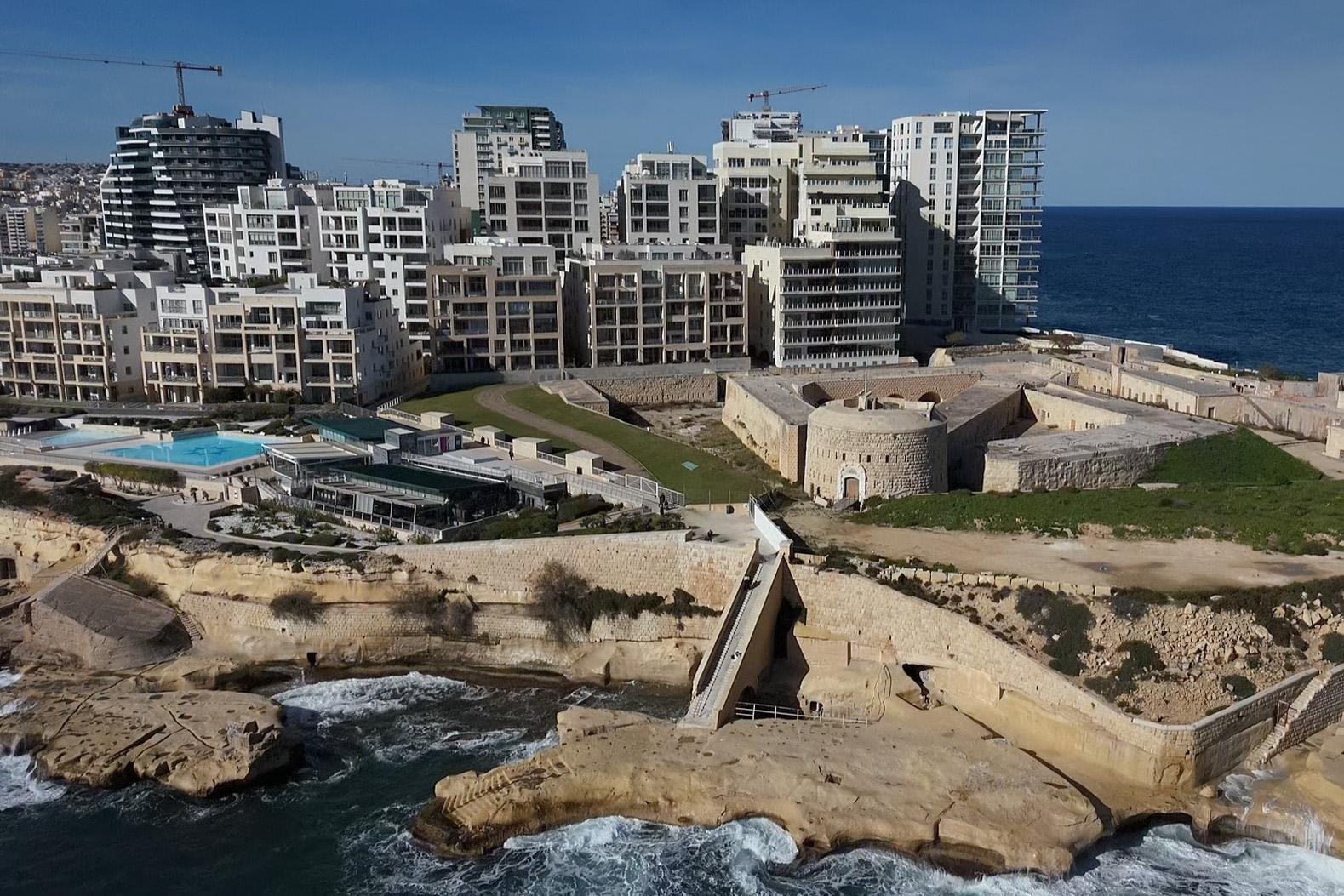 The company said its properties at Tigné Point were in peril as a result of government's legal actions. File photo: Matthew Mirabelli
Government asked to limit legal dispute to Manoel Island
MIDI said it repeatedly asked the government to “limit the dispute to Manoel Island,” thereby allowing it to sell the Tigné Point properties and generate crucial income to repay bondholders, while continuing negotiations over Manoel Island’s return.
However, the company said, the government refused to ring-fence its legal dispute to only tackle Manoel Island, instead opting to include both sites in its legal claim.
The company could have opted to take the matter to court, MIDI said, but this would have been “an inadequate and ultimately futile strategy,” given that legal proceedings would have dragged on long after July’s bond repayment date.
“No Maltese court proceedings of the nature required to challenge a threatened recission of an emphyteutical concession could realistically be concluded within such a timeframe,” MIDI said. “The judgement would have arrived too late to prevent insolvency,” it concluded.
Ultimately, MIDI said, the “significant disparity in negotiating power” between the two sides throughout discussions, forced the company to “reluctantly” accept the deal.
10-year extension previously agreed
Nevertheless, the company reiterated its arguments that the company was not in breach of the concession’s terms and was entitled to automatic extensions beyond the development’s March 2026 completion date.
According to MIDI, the government had agreed to extend Manoel Island’s completion date by a decade before abruptly withdrawing its support for the project in June 2025.
The government had initially resisted calls by activists to return Manoel Island to the public, with Robert Abela arguing the deal would cost hundreds of millions in repayments, only to later change track.
“At the time, there was an implicit acknowledgement that the company was entitled to a 10-year extension to the completion date,” MIDI said, with the extension set to be “formally recorded” in an amendment to the original deed.
It immediately became apparent that the project could not go ahead without the government’s support, MIDI said, prompting the company to open negotiations to return Manoel Island.
“Rather than allow those discussions to develop on a fair, commercial basis, Government chose to escalate by formally invoking the rescission mechanism,” the company said.
The government dealt the company a further blow when it blocked the planned €2.5 million sale of Fort Tigné to developer Joseph Portelli, leaving it “with no viable alternative other than to include Fort Tigné within the terms of the overall settlement with government”.
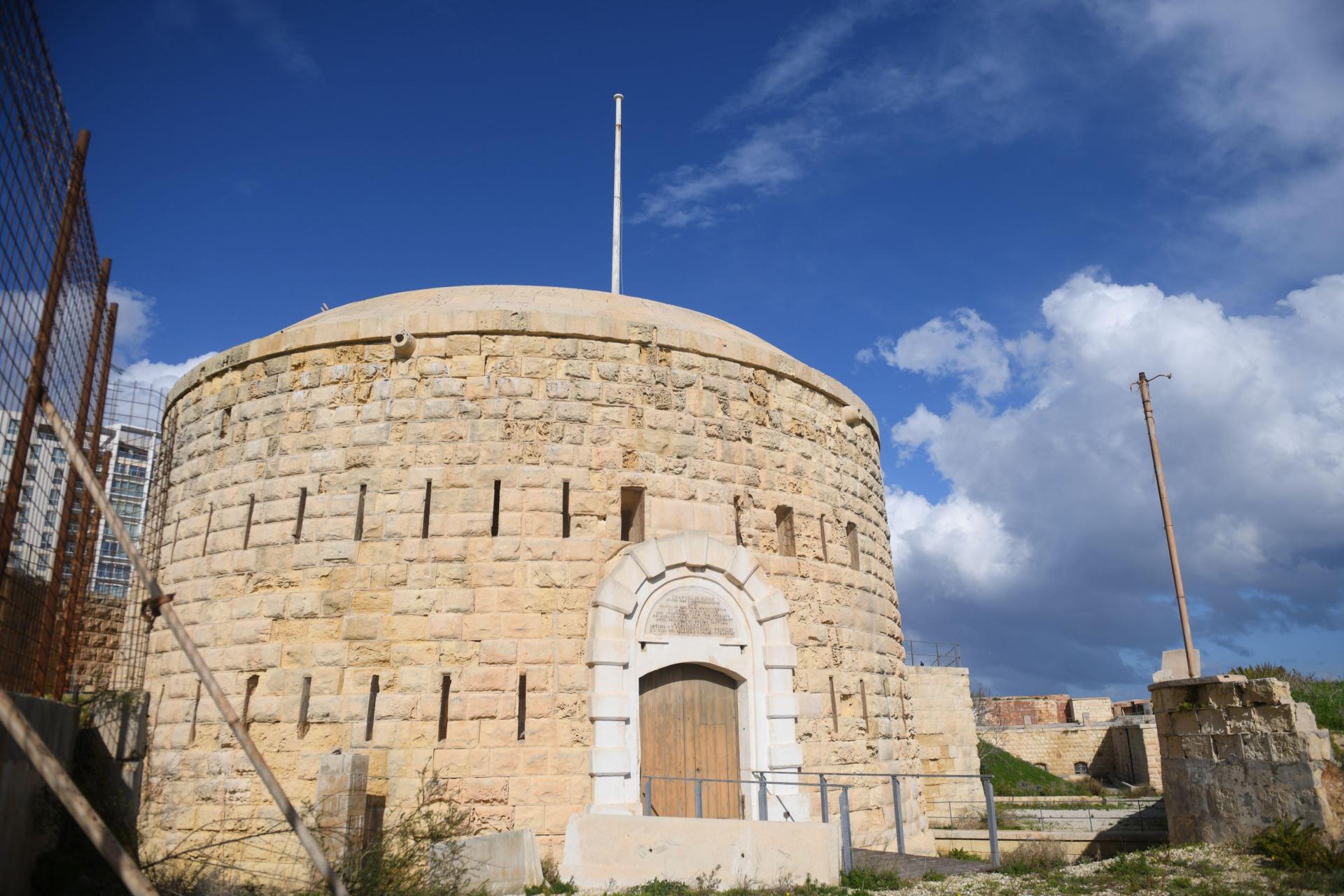 A deal to sell Fort Tigné to developer Joseph Portelli was blocked by government. File photo: Matthew Mirabelli
Almost €24 million short of verified expenses
MIDI said although auditors had verified that it spent €66.4 million on Manoel Island and Fort Tigné, the company was forced to accept a deal which is €23.7 million short of this amount.
Last month, Culture Minister Owen Bonnici told parliament how the government had shaved the sum down to €43 million by only paying a portion of several verified expenses.
On Monday, MIDI said “the company was not provided with any explanation for these adjustments,” only learning of them during the parliamentary hearing.
Although the company’s board of directors “do not consider the offer to be fair and equitable,” it urged shareholders to accept the offer.
While admitting that the deal will come as a financial blow, leading to a loss of more than €28 million on its books, it is “preferable to the alternatives,” MIDI said.
“A vote against the partial rescission is not a vote to preserve the status quo,” it warned. “It is a vote that would deprive the company of the principal source of funding required to honour its obligations”.
Shareholders are set to vote on the deal on April 28. How the terms of the deal will be met by the company's shareholders remains to be seen.
In a letter sent to Owen Bonnici in late February, as negotiations were winding down, the Malta Association of Minority Shareholders called for shareholders to receive "what they are rightly owed," pointing out that many had already suffered a loss in their investment over the past 15 years.
Once approved by the company’s shareholders, Manoel Island will formally be returned to the public, drawing the curtain on a saga that has spanned a quarter of a century.