More child-friendly spaces needed for visits to prison inmates
Best setting for visits is one that occurs outside the prison environment - Christopher Siegersma
A child-friendly home in Marsa which opened two and a half years ago has so far welcomed over 200 children visiting their incarcerated parent.
The figure was provided by the head of the Correctional Services Agency, Christopher Siegersma, who emphasised that research supports the idea that the best setting for these visits is one that occurs outside the prison environment.
This is the purpose of the Marsa home. It is designed specifically for children, where they can play, interact and spend quality time with their parents in a safe and welcoming space.
This environment has helped maintain and strengthen the parent-child bond and has already served over 200 children, he said.
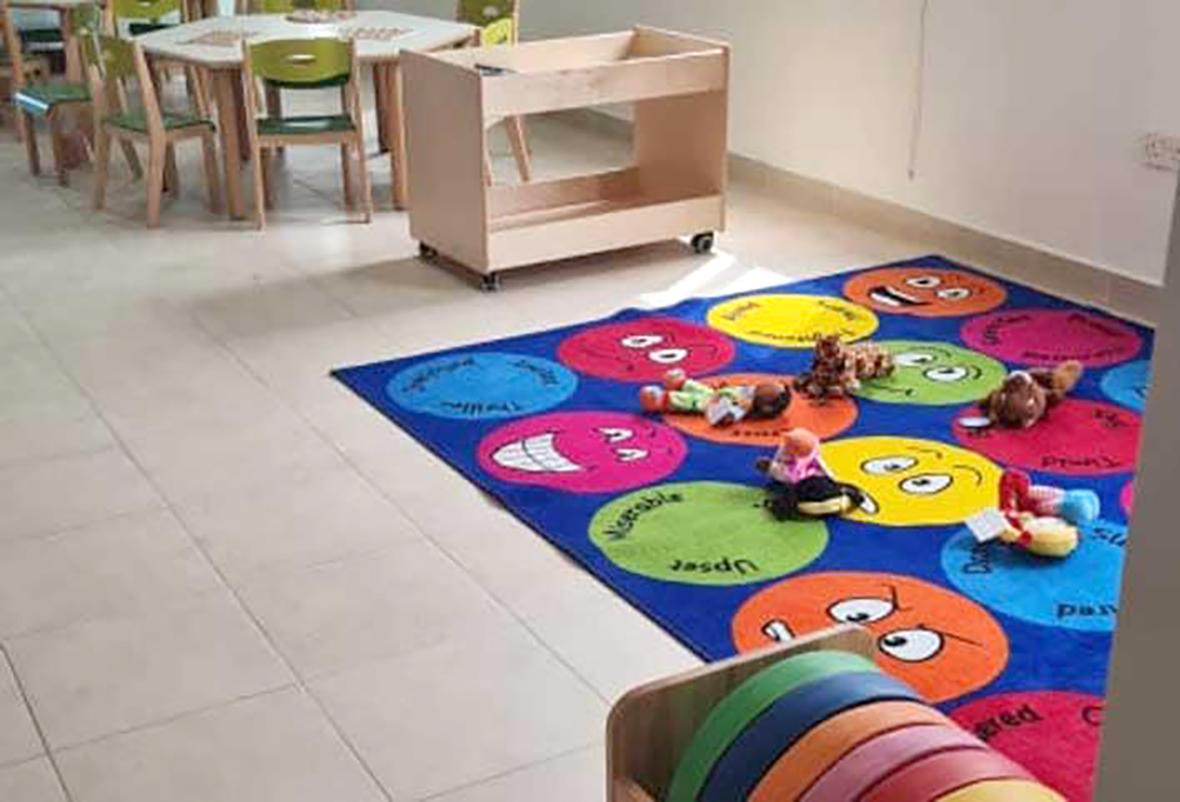 Over 200 children made use of the Marsa home run by NGO Mid-Dlam Għad-Dawl to visit their incarcerated parent. Photo: MDD website
However, children with a parent in prison do not always have access to this space, which is limited to sentenced inmates. Prisoners awaiting to be sentenced are not eligible.
And some children under 13, even those of sentenced inmates, still visit their parent at the main prison complex in Paola, where child-friendly facilities remain a work in progress.
This concern was recently raised by Professor Andrew Azzopardi, former dean of the University of Malta’s Faculty for Social Wellbeing, following a visit to the prison.
In a public statement, he described the inappropriate and potentially harmful setting for children visiting incarcerated loved ones. “On Wednesday, 2nd April, I visited someone in prison during the afternoon. Once again, I witnessed two small children in the same visiting room, seated at the table next to mine while I spoke with someone serving a life sentence for a very serious and violent crime,” he said.
He emphasised that while he supports rehabilitation, integration and second chances, exposing children to such an environment was deeply troubling. He noted the lack of proper safeguards, the presence of potentially dangerous inmates, and the overall bland, unwelcoming atmosphere as unacceptable.
Azzopardi had raised this issue in the past, which prompted a visit by the Commissioner for Children to the prison in September 2024. The commissioner later issued a report outlining several findings and recommendations.
According to the report, inmates are allowed to maintain contact with their children and grandchildren via frequent phone calls and scheduled Skype sessions, both of which help sustain meaningful communication.
Inmates who have permission to leave the facility are able to see their children at the Marsa home, a child-friendly space run by the NGO Mid-Dlam Għad-Dawl. The home was opened in September 2022 as a collaborative initiative between the Ministry for Home Affairs, Security and Employment, and the NGO.
However, due to high demand, not all visits can take place at Marsa. As a result, many are still held at the main prison, the Corradino Correctional Facility (CCF), the commissioner noted.
The commissioner checked the visiting room at CCF and noted that it had not been specifically designated for visits involving children, even though some such visits take place there.
The report recommended investing in facilities similar to the Marsa home to accommodate all family visits, including the possibility of creating a child-friendly space near or within CCF, with a separate entrance to reduce security risks and ease access.
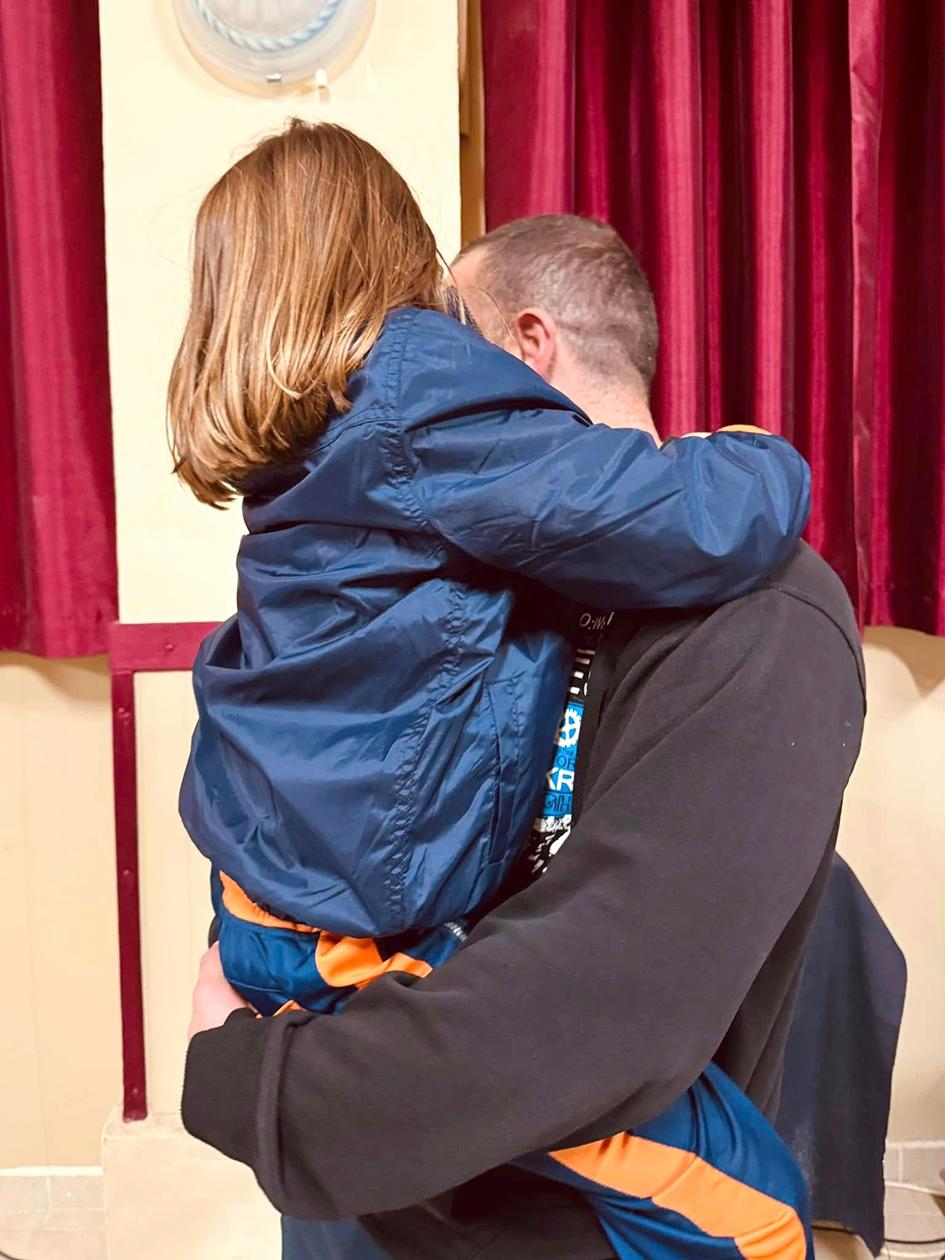 A child visiting her inmate father. Photo: MDD website
The commissioner also recommended that such facilities be available to inmates who are still awaiting sentencing.
As a short-term measure, the report advised allocating child-friendly areas within both the men’s and women’s sections of CCF, reserved solely for family visits involving children.
However, according to Azzopardi, these recommendations have yet to be implemented.
When asked about this, the commission stated that it continues to follow the situation closely and is in frequent contact with CCF to ensure progress. “The Office is aware that changes are being implemented and will continue to emphasise the importance of this being done in a timely manner,” the statement read.
Siegersma acknowledged that not all visits can take place outside prison.
“The importance of enabling children to visit their incarcerated parents within the prison itself must not be diminished,” he said. “These visits remain essential to preserving meaningful family connections, particularly when no alternatives are available. They provide continuity and emotional support, both of which are central to rehabilitation.”
The Correctional Services Agency believes limiting these opportunities could harm rehabilitation and long-term reintegration, he said.
“Family ties are a powerful motivator for positive change, and nurturing them is part of our broader commitment to supporting rehabilitation.”