Mother and baby: intertwined mental health and development
International collaboration focuses on reducing stress in the perinatal period
Pregnancy and childbirth are often associated with joyful expectation and fulfilment. However, the perinatal period can also lead to maternal stress. This, in turn, can be related to negative effects on the newborn baby, both in the short and long term.
In support of this, the World Health Organisation (WHO) Regional Office for Europe Task Force recommended promoting maternal mental health to enhance early childhood development. Moreover, WHO Europe recommends a healthy environment during the perinatal period to achieve a healthy infancy, childhood and adulthood.
There are still many unresolved issues regarding the impact of perinatal stress. Key areas of concern include the influence of various characteristics of psychological stressors (type, intensity, timing, duration and frequency) on mothers and babies, as well as the unclear biological mechanisms involved, such as physiological changes and gene expression.
Additionally, recent studies highlight the potential long-term effects of perinatal stress that may impact future generations, yet the specific mechanisms and their effects on development, behaviour and psychological health remain largely unknown.
To improve foetal development and enhance infants’ health throughout their lifespan, over 500 professionals from 33 countries are currently collaborating as part of the TREASURE project.
The primary objective of the EU COST Action TREASURE (CA22114) is to establish a multidisciplinary international research network that will foster interconnectedness and promote innovation within the research community across European countries and beyond. A COST Action is a multidisciplinary research network that promotes researchers and clinicians to jointly investigate a specific topic for four years. In this case, TREASURE kicked off in 2023 and will continue until 2027.
TREASURE comprises scientists, obstetricians, neonatologists, midwives, psychologists, students, stakeholders, non- governmental organisations (NGOs) and enterprises. The aim is to achieve impact through the discovery and review of scientific evidence on minimising, reducing and preventing the impact of maternal perinatal stress on foetal development, and to improve psychological, medical and neural development in the offspring throughout their lifespan.
The initiative aims to bridge knowledge and experience across scientific disciplines and foster collaboration among international research groups. This will enhance knowledge exchange and lead to the formation of international coalitions aimed at translating scientific findings into clinical guidelines and best practices in Europe, ultimately improving child health and reducing economic costs associated with maternal perinatal stress.
Advances in the scientific understanding of the impact of maternal perinatal stress can provide information that is beneficial for women, families and their children across decades.
Jean Calleja Agius is a professor and researcher at the Faculty of Medicine and Surgery, as well as a practising gynaecologist.
Photo of the week
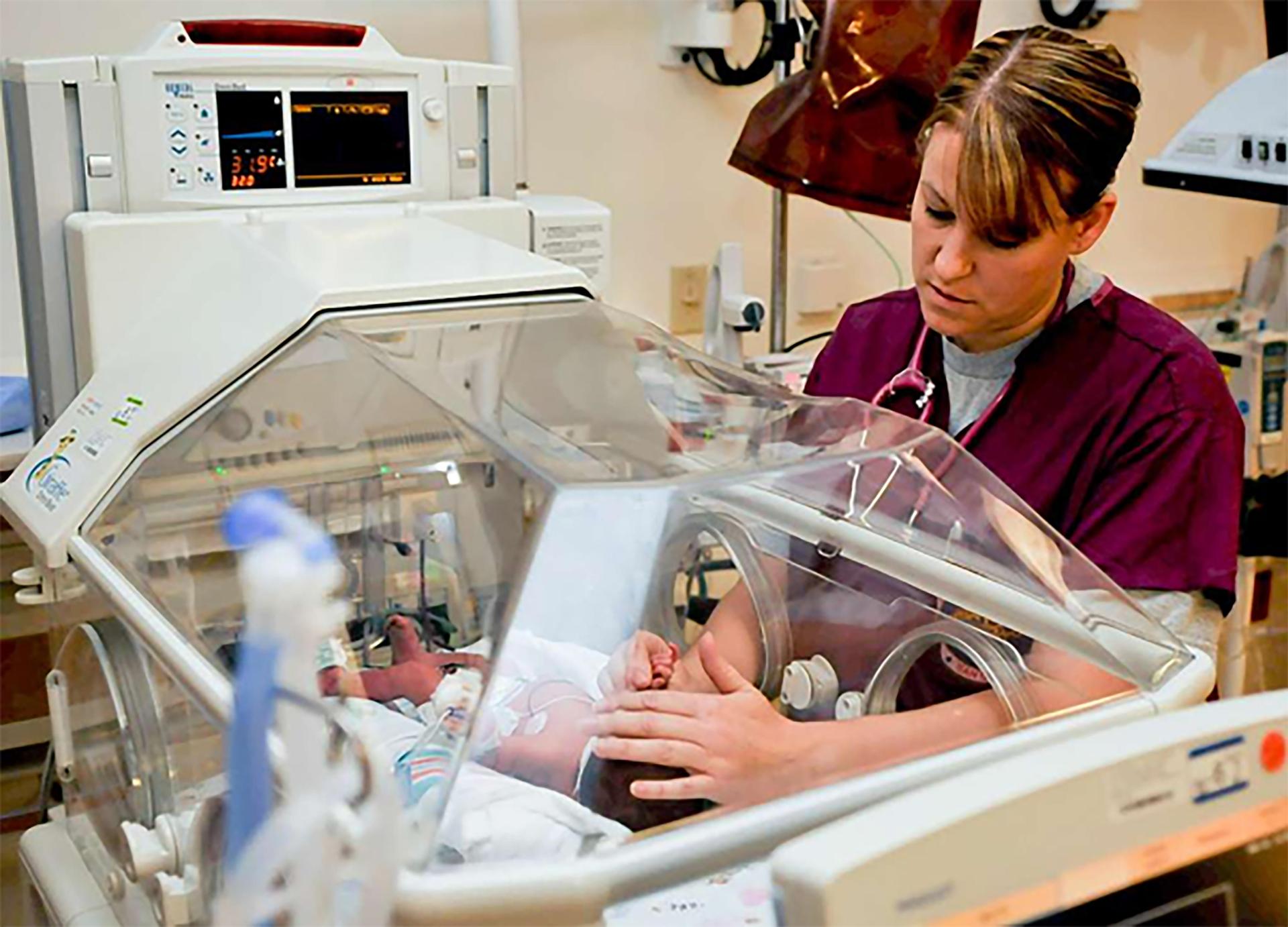 Photo: Clare Gilbert
Preterm birth represents one of the most significant problems in maternal-child health. It is the leading cause of infant mortality and morbidity.
Prematurity has been linked to high levels of maternal stress during pregnancy. Survival of babies who are born very preterm (less than 32 weeks’ gestational age) has increased, thanks to the advances made in neonatal care, particularly in neonatal intensive care units (NICUs).
Greater emphasis is being placed on supporting family presence in the NICU and empowering parents to participate in their infant’s care and decision-making processes. Active parental involvement enhances satisfaction and confidence in caregiving and also contributes to improved mental health outcomes.
Sound Bites
• Stress, despite often being portrayed as a detrimental response, is a crucial contributor to the optimal development and biopsychosocial adaptation of organisms, including humans, to challenges throughout the lifespan. This occurs by inducing physiological changes, such as in the immune, metabolic and cardiovascular systems, in order to adapt to the current environment.
McEwen, B. S., & Akil, H. (2020). Revisiting the stress concept: Implications for affective disorders. Journal of Neuroscience, 40(1), 12–21.
• Life events which are perceived as severely distressing in the perinatal period pose a burden on mothers and may have potentially detrimental long-term effects on neurobiological and social-emotional child development. There is a great need for person-centered perinatal care and support of mothers facing difficult life events.
Thiel F, Eberhard-Gran M, Garthus-Niegel S. The Impact of Perinatal Life Stress on Infant Temperament and Child Development: A 2-Year Follow-Up Cohort Study. J Dev Behav Pediatr. 2021 May 1;42(4):299-306.
For more soundbites, click on: www.facebook.com/RadioMocha Malta.
DID YOU KNOW?
• The perinatal period refers to the time from conception up to one year after giving birth.
• Maternal consequences of maternal stress during pregnancy include diabetes, pre-eclampsia (high blood pressure during pregnancy) and mental health issues.
• Other stressors during pregnancy are also associated with negative consequences for their baby.
• Adverse consequences for the offspring include stillbirth, low-birth weight, prematurity, cardiovascular disease, asthma, cognitive delay, neurodevelopmental and mental disorders and neuroinflammation.
• These adverse effects can have an impact even from one generation to the next (transgenerational effect).
For more trivia, see: www.um.edu.mt/think.