New book celebrates Richard England’s concept drawings
These sketches function as a visual language, translating abstract thought into form
The upcoming book launch of the publication Drawings As Language: The Concept Drawings of Richard England on January 22 brings public attention to the Richard England Collection, a body of more than five hundred concept drawings donated by the architect himself to the University of Malta Gallery of Art.
The publication and accompanying event underscore the importance of preserving architectural thinking not only through completed buildings, but through the creative processes that give rise to them.
Edited by Keith Sciberras, Drawings As Language features contributions from internationally respected architects and scholars including Ian Ritchie, Emilio Ambasz, Paul Sant Cassia, Conrad Thake and Chiara Galea. The book was made possible through collaboration with Midsea Books and serves both as a scholarly study and a visual record of England’s lifelong engagement with drawing as a fundamental architectural tool.
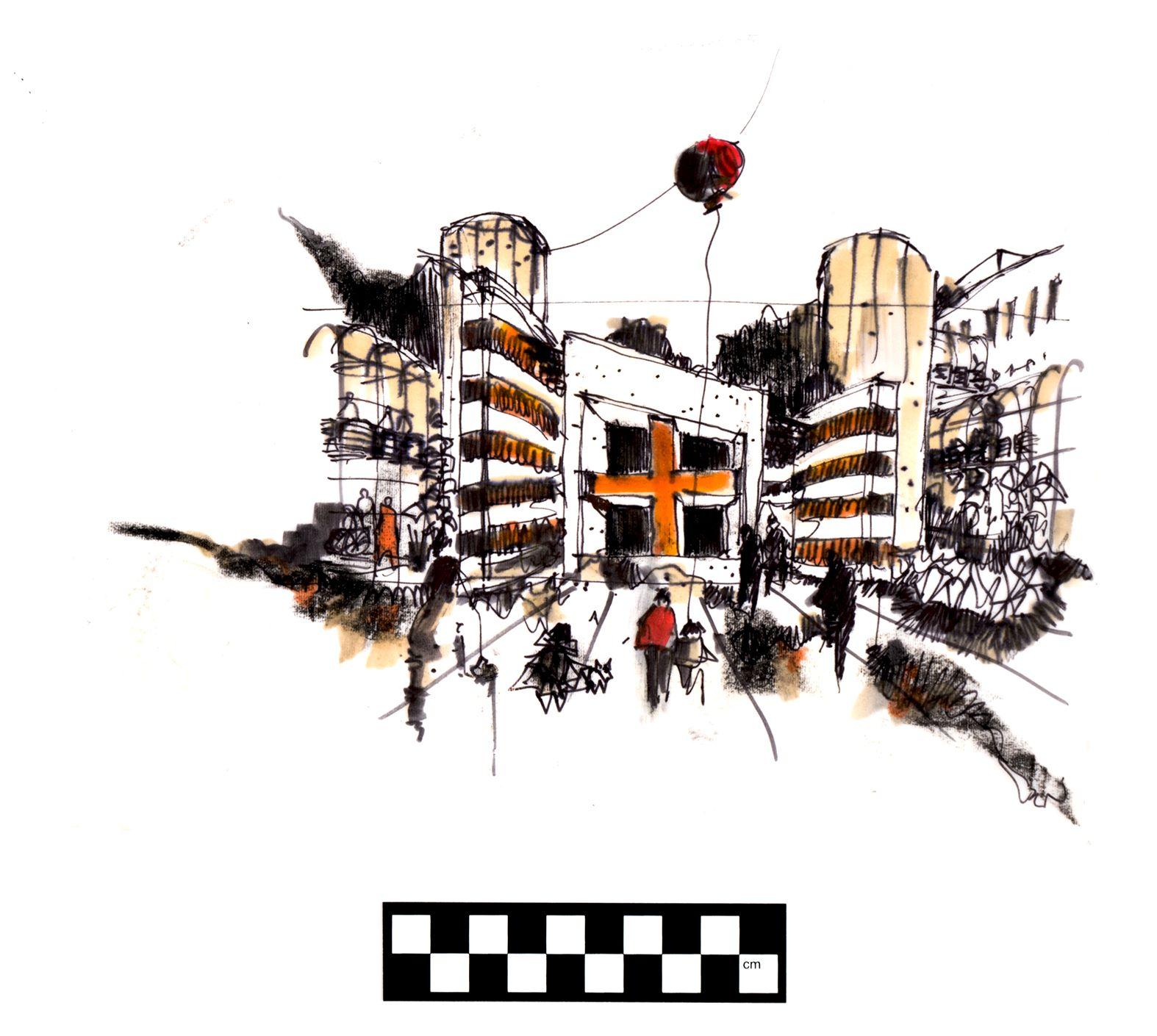 San Raffaele Hospital: Chapel studies project 3.
England’s connection to the University of Malta is both personal and professional. He studied architecture at the university and later served as Dean of the Faculty of Architecture, shaping generations of architects. Many of his most renowned buildings were conceived within its academic environment, making the university a fitting home for this important archive.
The collection itself offers rare insight into the architect’s design methodology. Rather than polished presentations, the drawings reveal a searching, investigative process – a dialogue between mind and hand. They document the early stages of architectural thought, where ideas are tested, discarded, reshaped and rediscovered. As England himself has described them, the drawings are “a wayfinding thought process, a series of gestation seed germs in search of the final design.”
Rather than polished presentations, the drawings reveal a searching, investigative process – a dialogue between mind and hand
These sketches function as a visual language, translating abstract thought into form. Some convey ideas rich with promise, others represent necessary detours in the creative journey. Together, they form a vital prelude to the formal working drawings that follow, offering students and researchers a deeper understanding of how architecture evolves from intuition to built reality.
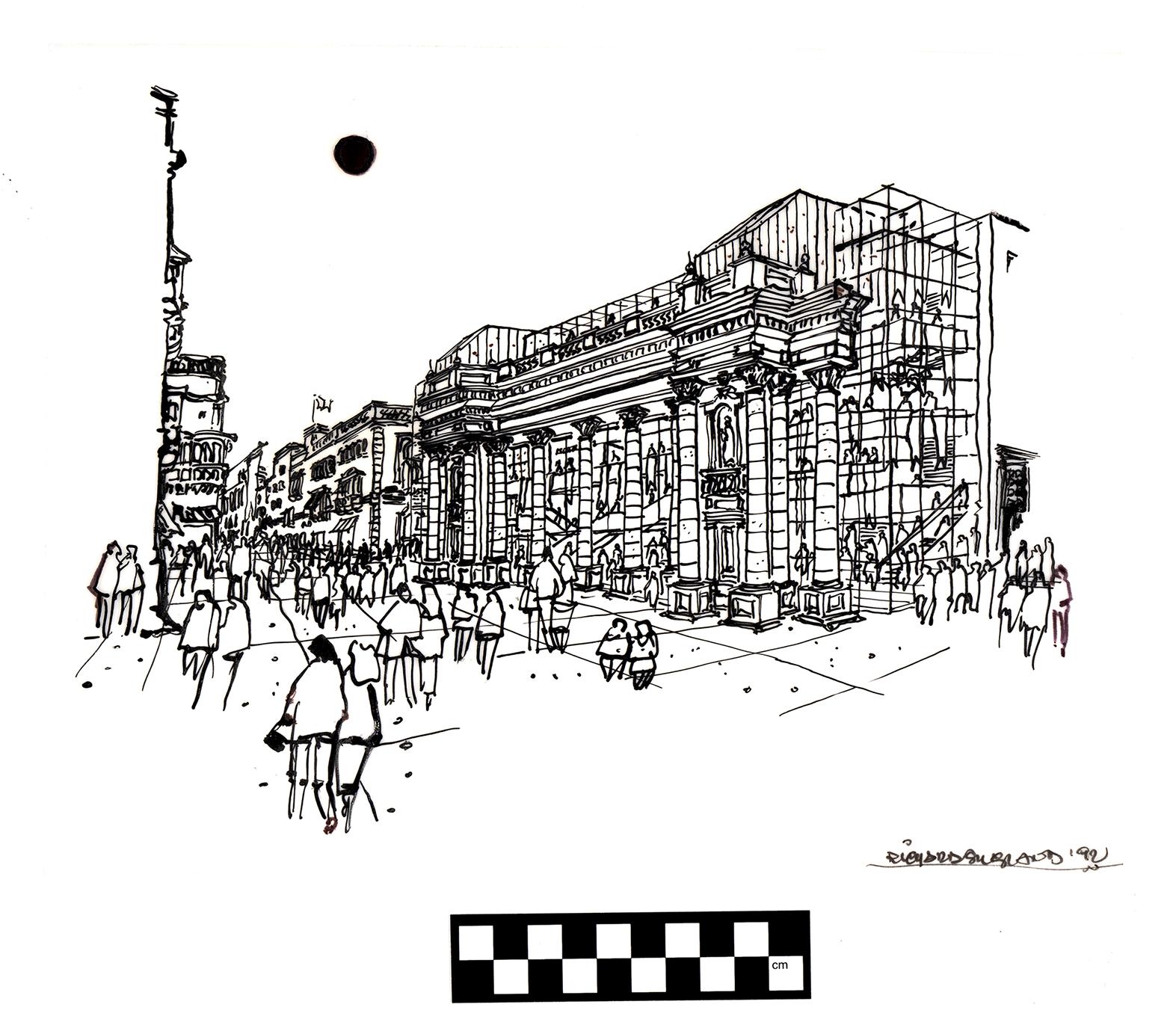 Theatre on old Opera House: Republic Street facade study project 1.
Beyond their documentary value, the drawings possess an artistic quality that allows them to stand independently as works of art. The collection traces England’s development from a young architecture student to an internationally recognised architect, while retaining a sense of curiosity and experimentation throughout. This continuity reflects what many have identified as a defining feature of his work: a sustained sense of wonder and openness to discovery.
A passionate advocate of hand-drawing, England has long maintained that traditional methods retain a vital role even in an age dominated by digital technologies. While acknowledging the power of computer-based tools, he argues that the physical act of drawing enables a more direct and intuitive connection between thought and form. His hand-drawn works reveal not only spatial ideas but also energy, movement, light and shadow – elements that are central to his architectural language.
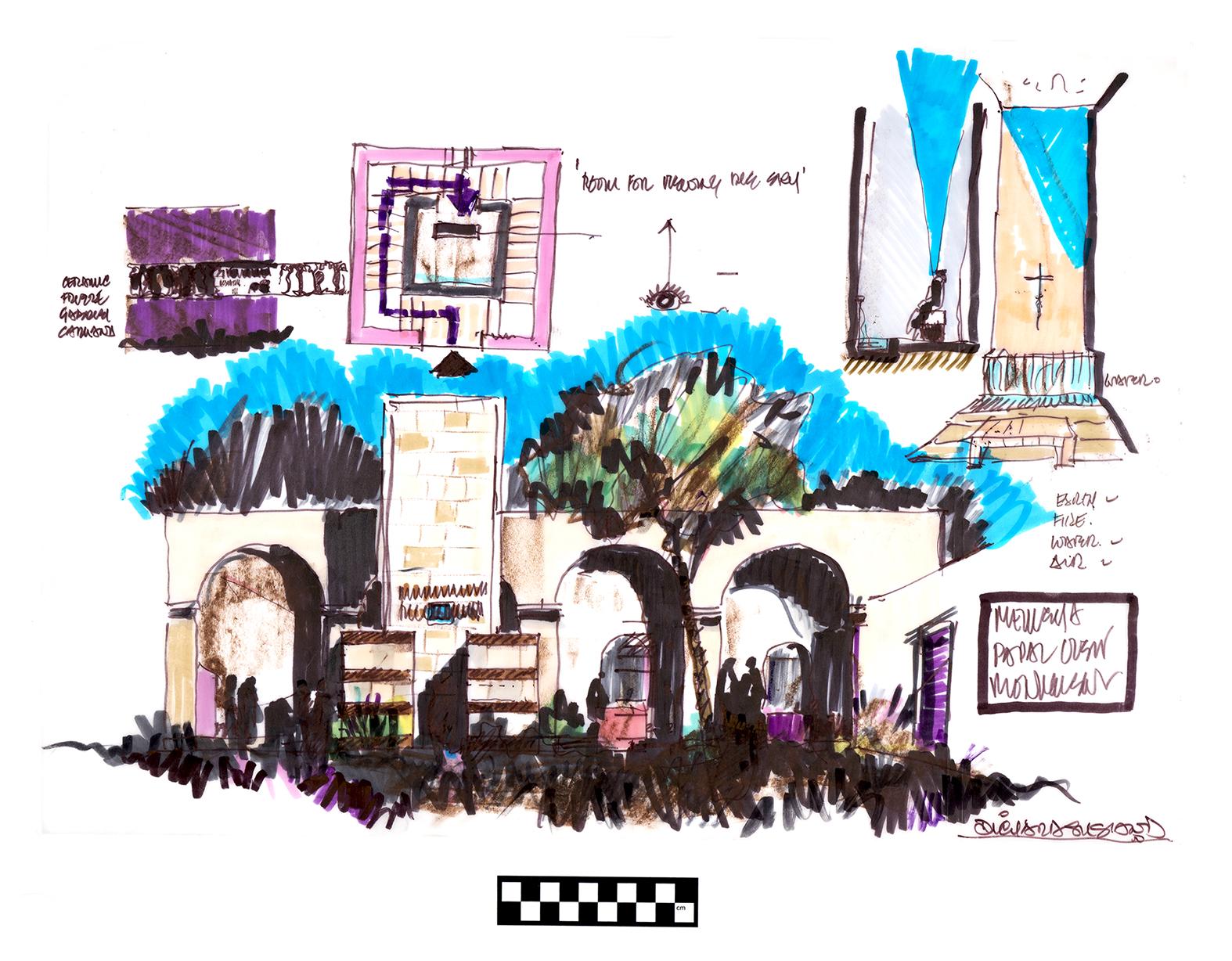 Mellieħa (1990): Concept sketches
At a deeper level, the collection reflects England’s pursuit of kalon – the classical ideal of beauty that unites the ethical, the poetic and the meaningful. His drawings suggest an architecture that is at once secular and spiritual, grounded in place yet resonant with a sense of the numinous.
The January 22 event and the publication of Drawings As Language formally introduce this remarkable collection to the public. For the University of Malta, it represents a major enrichment of its cultural and academic resources. For architects, students and enthusiasts, it offers an invaluable opportunity to engage with the creative process of one of Malta’s most influential architectural figures – not through finished monuments, but through the intimate language of drawing itself.
The presentation of the book Drawing as Language: The Concept Drawings of Richard England edited by Keith Sciberras is taking place at the Valletta Campus Library on January 22 at 6pm.