What the new cabinet tells us about Robert Abela
Five things that played a major role in this week’s reshuffle, according to insiders
Despite basing most of his election campaign on the competence and stability of his existing ministerial team, Robert Abela went on to execute a major cabinet reshuffle that defied expectations of continuity.
Voters expecting stability in foreign affairs, health, home affairs and education were surprised as Abela shifted all of them around, moving a doctor from health to tourism and putting a lawyer in charge of the health ministry.
The unconventional logic forced voters and political analysts to look beyond the surface, searching for a deeper strategy behind some of Abela’s bizarre appointments.
Times of Malta spoke to several sources close to government and cabinet discussions to see what they believe it is all about.
He wants to keep everyone happy
Government insiders agreed it is much simpler than it seems: Abela simply wanted to keep everyone around him happy to minimise dissent.
Speaking on Times Talk, former PN official Pierre Portelli suggested a calculated strategy behind the moves. He believes Abela might have appointed Glenn Bedingfield to Home Affairs to deliberately antagonise civil society and fracture the opposition.
Similarly, by placing Rosianne Cutajar in charge of reforms, Abela is likely weaponising polarising liberal issues to exploit existing rifts within the PN – a classic strategy of divide and conquer, he said.
But government insiders agreed this is very unlikely. While the appointments could have the effect Portelli warns of, it would not be because Abela planned it out.
“Abela left several MPs disgruntled with no portfolio in his last reshuffles and they have been bitter since. He didn’t want a repeat of that. So, he gave a portfolio to most MPs to keep everyone happy and avoid internal rifts. That’s why it’s such a needlessly large cabinet.”
Another insider said the reality was the opposite of what Portelli suggested.
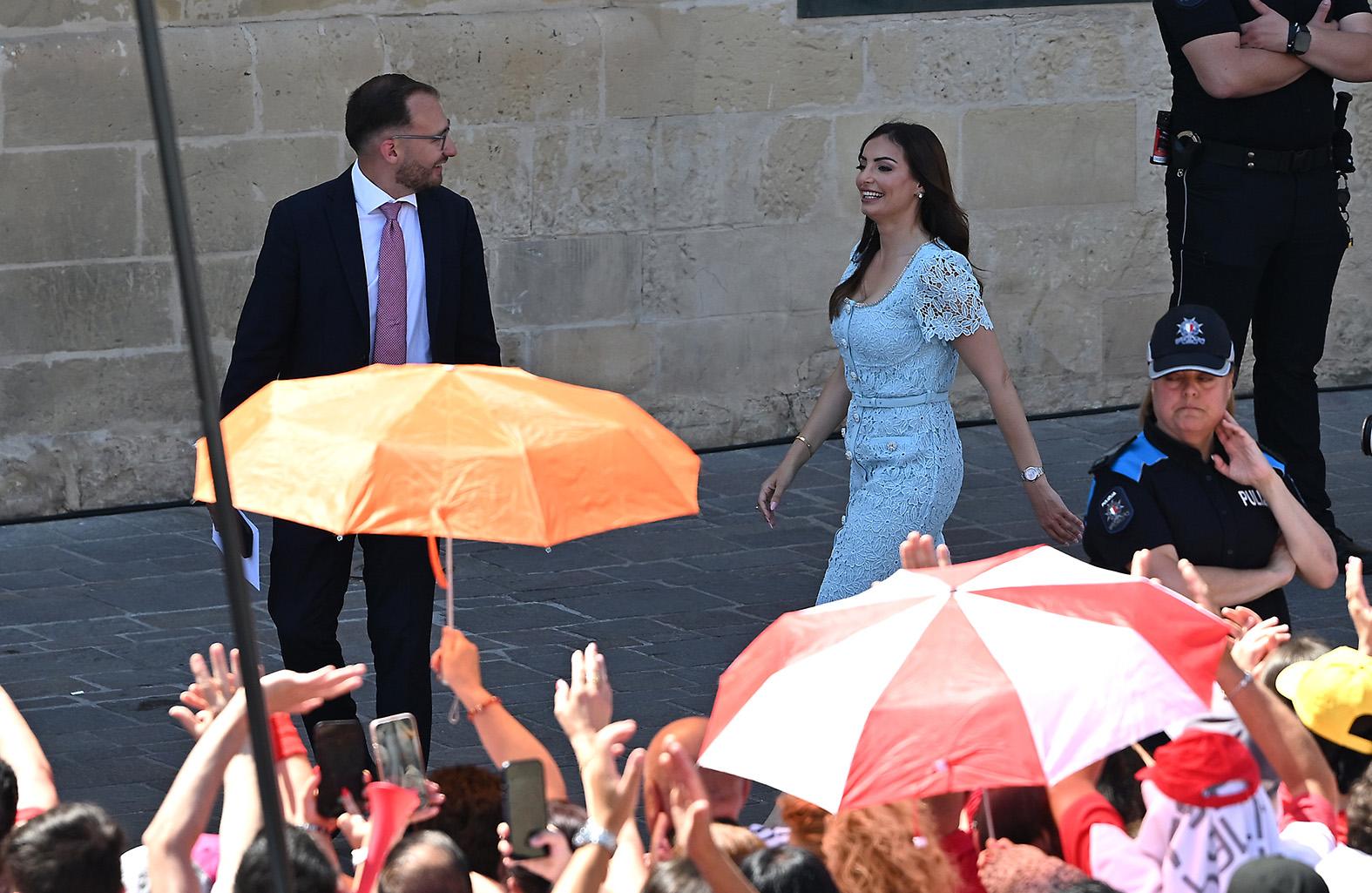 Rosianne Cutajar
“It’s about divisions within Labour, not within PN. He needs everyone to fall in line from within,” they said.
“Besides, dividing the PN is not enough if we want to stay in power. If we continue to make the same mistakes when it comes to developers and the environment, we could be on our way out, with or without a united opposition.”
Internal resentment had also been brewing among MPs who were previously sidelined even after they were elected on their own steam, while colleagues who scraped in through casual elections or the gender quota mechanism were handed cabinet portfolios.
“Abela did not want that to happen again, which is why he spread his portfolios among those who have already been elected and made it clear he was closing the door to those who are yet to be elected,” one source said.
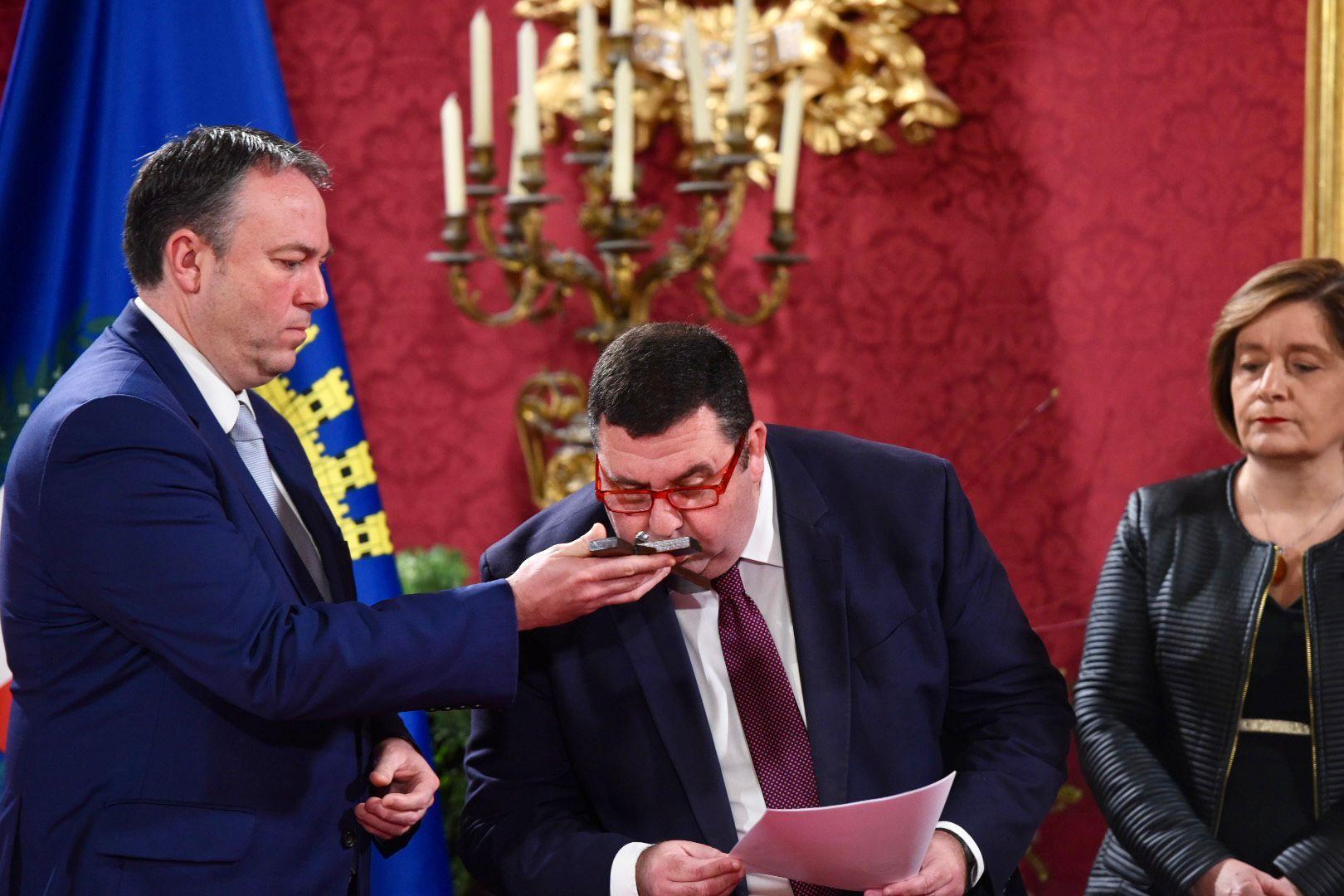 Glenn Bedingfield
He was bowing down to MPs’ wishes
A couple of insiders agreed Abela could have been using the reshuffle to signal to voters experiencing political fatigue that the government was willing to regenerate itself. But others said the seemingly bizarre appointments were down to MPs’ personal preferences.
Byron Camilleri wanted out of home affairs, and there were few willing to fill that role.
That portfolio is a load of problems wherever you look, sources said, and Bedingfield, being known as a loyal and hard-working party man, was happy to oblige.
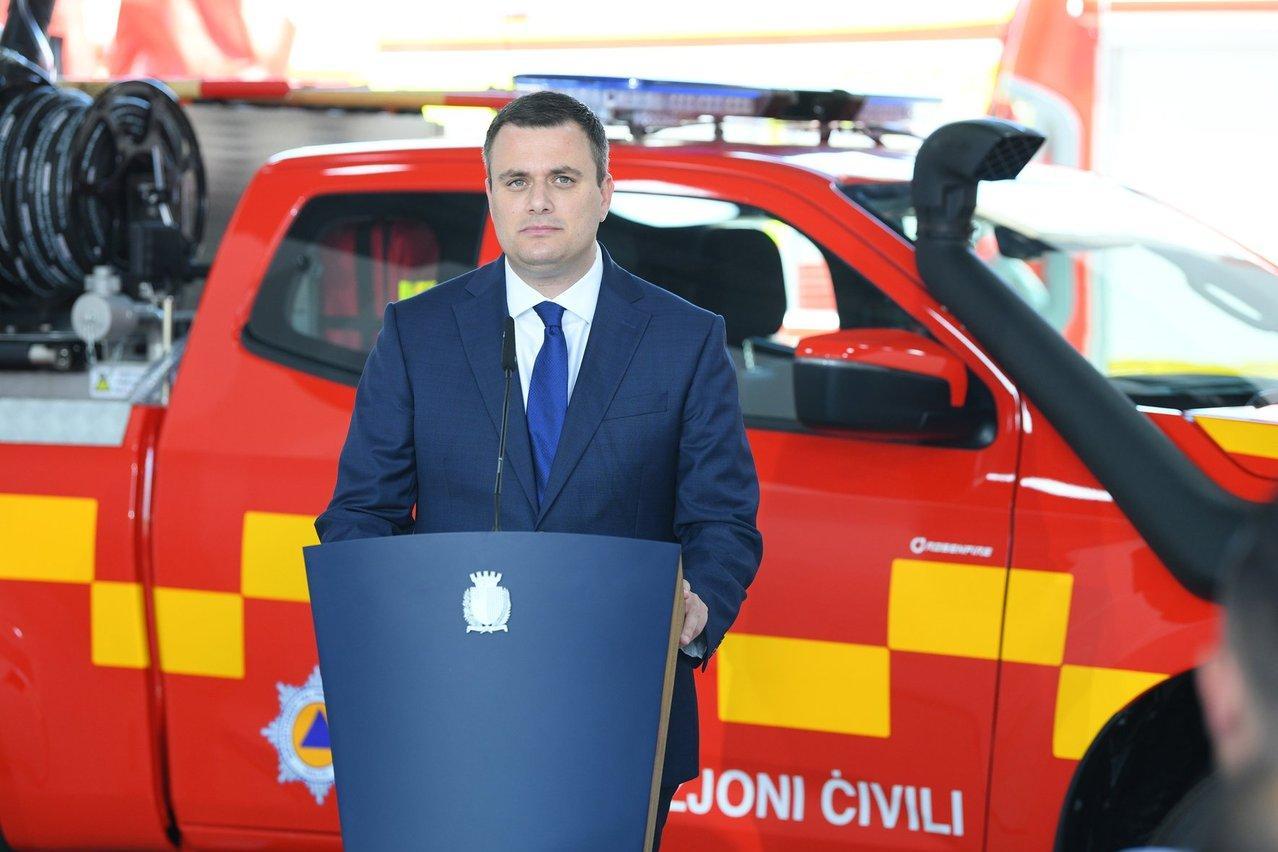 Byron Camilleri
Bedingfield worked tirelessly to regain grassroots Labour votes during the campaign and performed very well in his district.
Ian Borg was also inclined to explore new territory. Given his popularity, strong electoral showing and influence within the party, Abela was happy to oblige.
Besides, Abela needed someone to get long-awaited health infrastructure projects off the ground, so the two found common ground on the health ministry.
Clifton Grima was initially shocked to be moved from the education ministry, where he had invested significant time and energy, and sources say he was reluctant to leave it behind.
But the justice ministry was a promotion, and he accepted it knowing it would boost his profile, albeit one where he cannot help as many constituents directly.
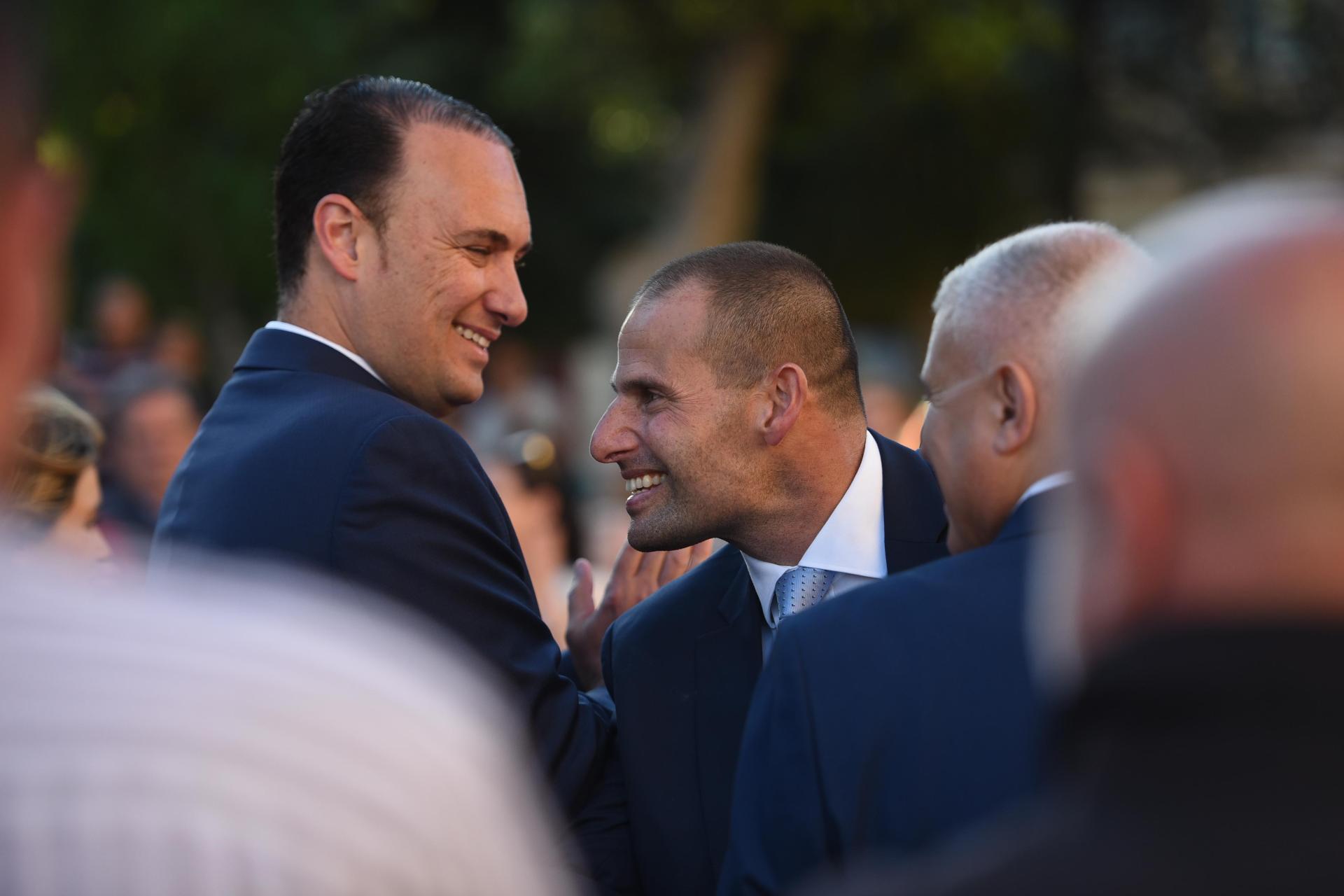 Clifton Grima
Then there was the junior ministers’ issue. Insiders said Abela did not initially intend to have just two parliamentary secretaries, but only two accepted the junior role. At least two others were offered the role and pushed back until they got their portfolio upgraded to a ministry.
Sources described Deo Debattista as a good man willing to serve in any role without too many demands. Alicia Bugeja Said, who was arguably demoted through a slashed portfolio, was reportedly disappointed but accepted anyway.
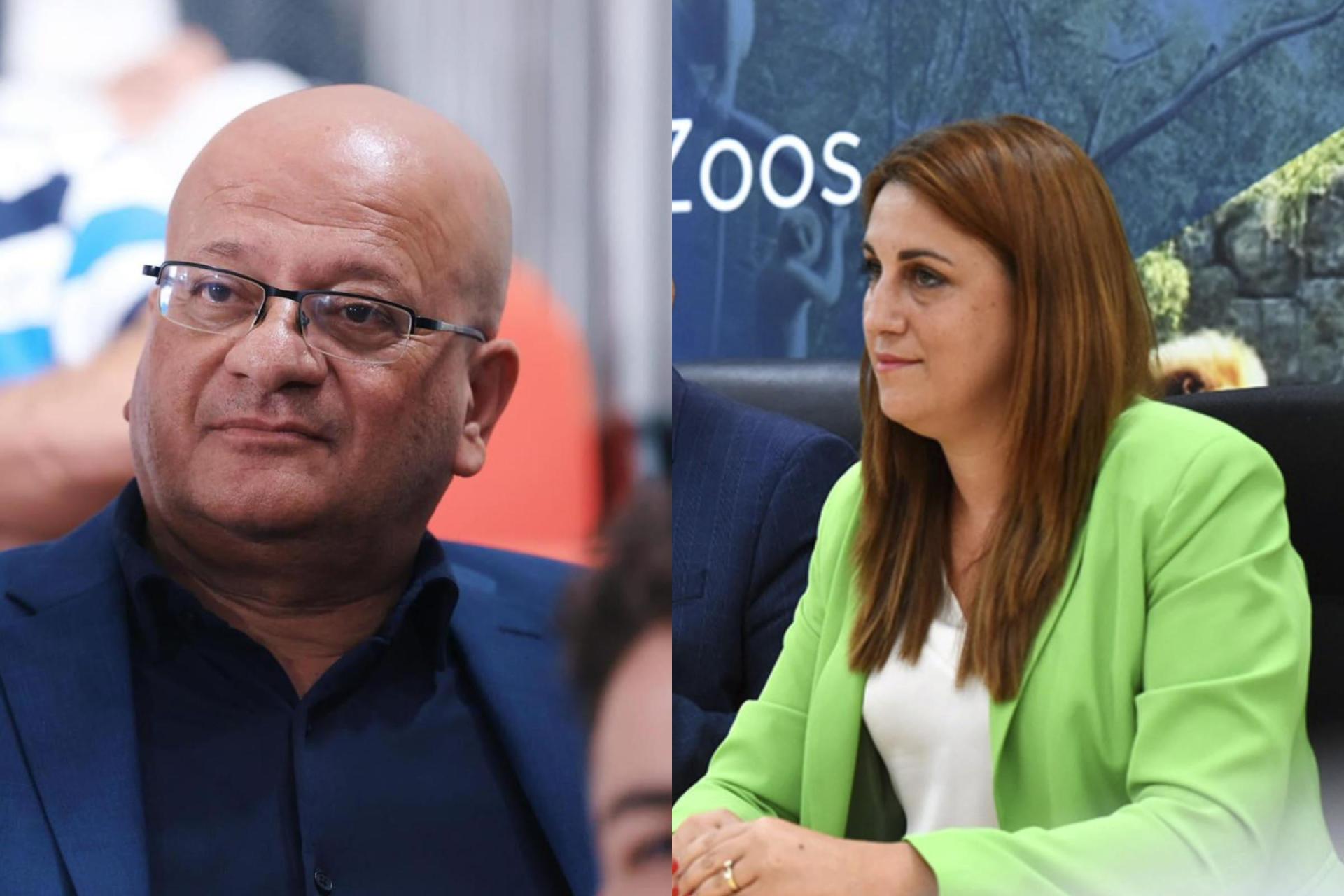 Deo Debattista and Alicia Bugeja Said
His decision could determine Ian Borg’s future
Insiders mostly disagreed on whether Ian Borg’s health ministry will propel him to become the next prime minister or destroy his chances.
All agreed Abela needed him to start the long-promised refurbishment of St Luke’s, Karin Grech and the Gozo hospitals, alongside the construction of the extended emergency department and the acute mental health ward at Mater Dei. Abela hopes Borg’s reputation of “getting things done” will get those projects up and running quickly.
But some sources said building hospitals takes much more than a determined mindset. The planning and procurement processes are so complex that he would be lucky to cut the ribbon on one or two hospitals by the next election.
And beyond bricks and mortar, he still needs to run the entire health system with its ever-growing challenges, tight resources, and stubborn doctors’ and nurses’ unions, sources added.
Yet there is another facet to Borg. If Abela decides to step down at any point in the legislature or after the next election, Borg would be a strong contender for the role. Sources say his performance now will determine whether this ministry propels him to premiership.
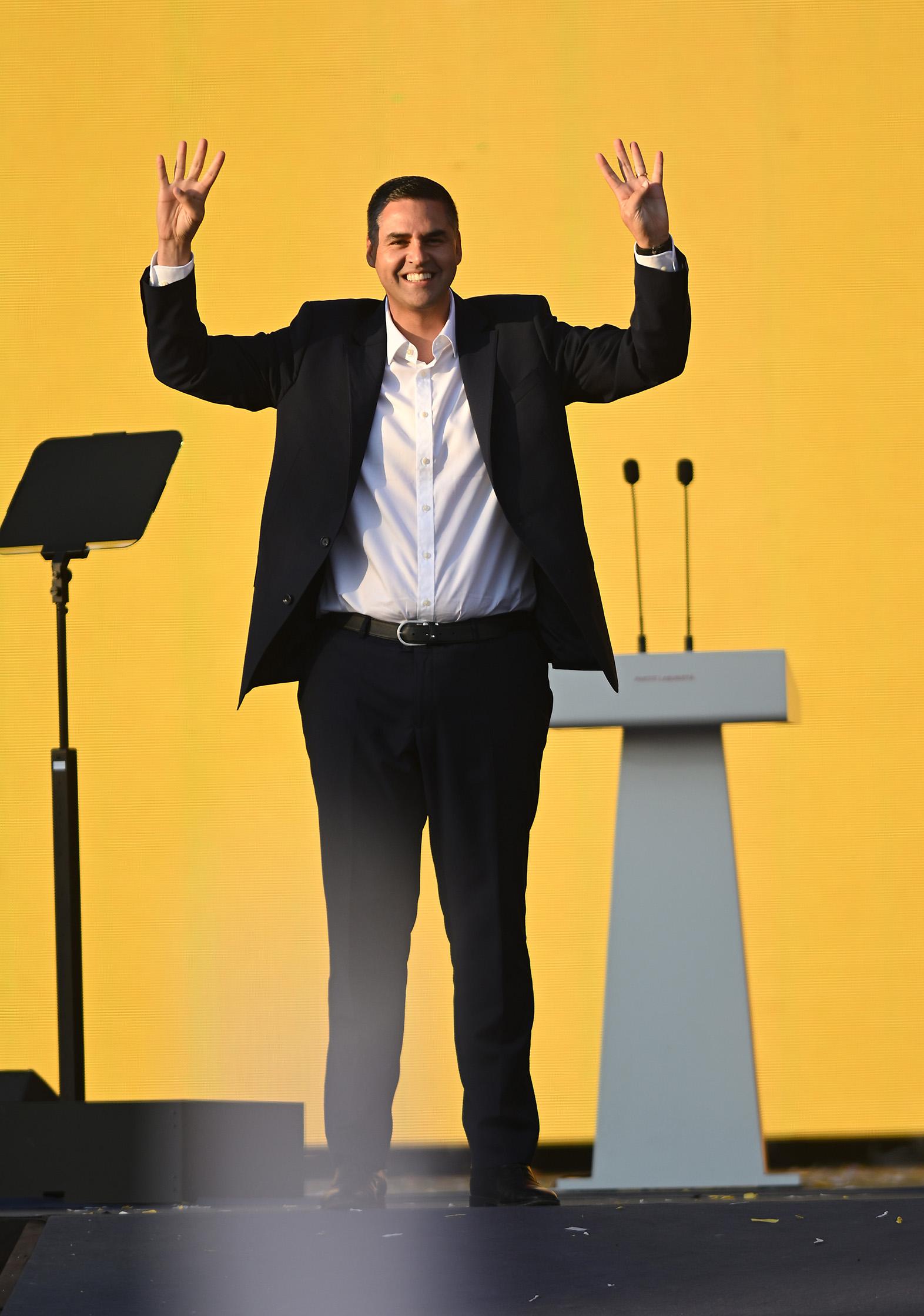 Ian Borg
The health ministry is tough and could cost him support if he does not live up to expectations. But health is also where you get to help voters across the country when they need it most.
“Being health minister gives you huge popularity with voters because you can help many of them, often with small, legitimate favours,” one source said.
Another insider, however, said it would be a mistake to assume Abela was planning to leave anytime soon.
“He will only leave when the numbers start to show he might lose the next election. Until then, he won’t make way,” they said.
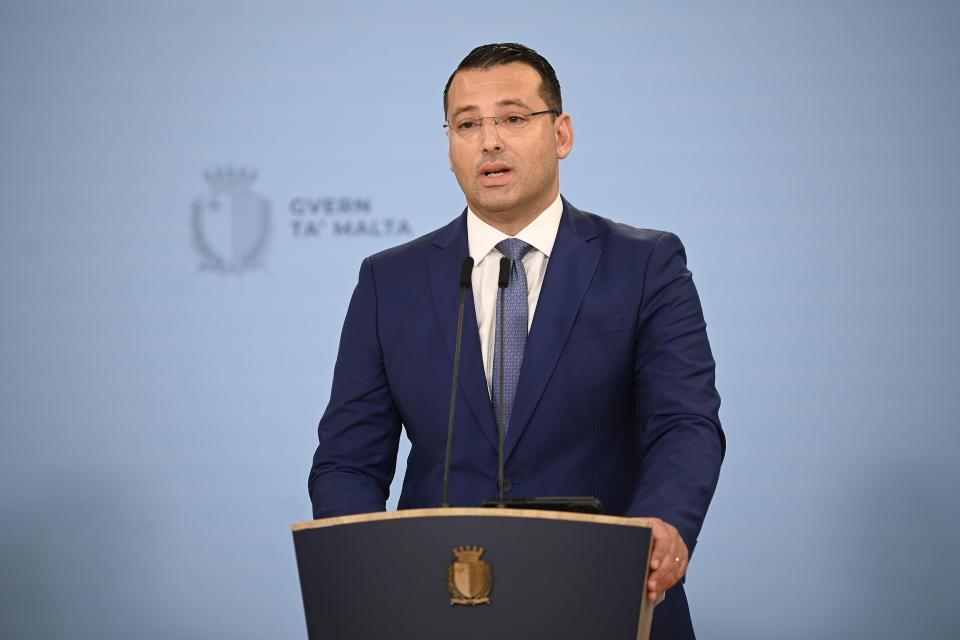 Jonathan Attard
A one-stop shop for developers
For years, developers and business lobbies have complained about the bureaucratic red tape of dealing with multiple state entities. They have long called for a centralised one-stop shop, and Abela might have just given it to them by consolidating planning, infrastructure and employment into a single mega-ministry under Jonathan Attard.
“This could be great news for developers and contractors, as they now have everything they need under one roof: planning permits, foreign worker permits, the BCA, and enforcement on their construction sites and businesses,” one source said.
“Now we just need to hope that the system is not abused,” another added.
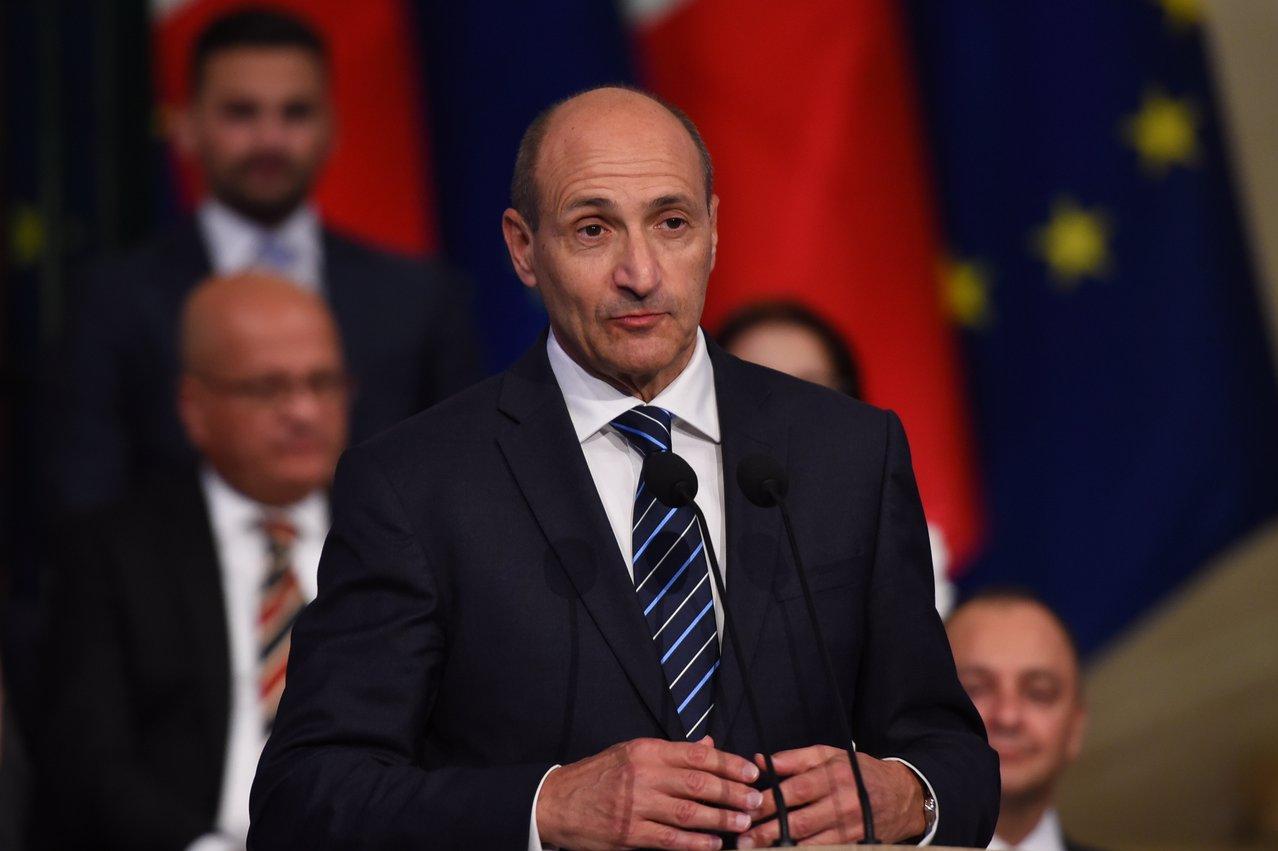 Chris Fearne
Paving the way for a Fearne presidency?
Chris Fearne’s appointment as foreign affairs minister got many people speculating that Abela was positioning him to become Malta’s next EU commissioner in three years’ time.
Government insiders say that opportunity is likely out the window after his Vitals hospital deal charges, but there is one other role Abela might be considering for him: president of the republic.
“It’s still too early to tell, but he could be our next guy,” one insider said.
“He’s also likely to be one of the few candidates over whom we could agree with the opposition.”