New measures unveiled to combat 'dangerously high' alcohol consumption
Government unveils new alcohol strategy for the next five years
The government has unveiled a raft of new measures to curb “dangerously high” alcohol consumption while strengthening existing policies on the issue, under a new national policy spanning the next five years.
The proposals were included in the new National Alcohol Policy 2026-2031, published by the social policy ministry on Thursday.
New measures include making shops display alcohol in separate sections and out of the reach of minors, tasking local councils with designating alcohol-free zones, and controls on ‘happy hours’ and promotions encouraging heavy consumption.
Meanwhile, past calls to restrict minors from purchasing alcohol have been beefed up by signage and routine ID checks, while those caught selling to underage purchasers will face tougher penalties.
The measures come in response to findings revealing that alcohol consumption and binge drinking are on the rise, including among younger people. It is not clear when the measures will be introduced.
Announcing the policy, the ministry said existing alcohol policy had been updated to “reflect the challenges and necessary actions to address alcohol consumption”.
Its main goal is to minimise the harmful impacts of alcohol and above all to “strengthen prevention against addictions”, it said. The measures unveiled are aimed at reducing alcohol consumption in the population by limiting its availability and acceptability.
“Naturally, it goes without saying that underage drinking will also be addressed since the later in life one is introduced to alcohol, the lesser the risks related to excessive alcohol use and the accompanying harm to self and others.”
The policy document acknowledged that the widespread acceptability of alcohol in Malta had been a driving force behind youths drinking younger than the legal drinking age.
‘Dangerous drinking’
Citing the World Health Organisation, the document noted that alcohol consumption in Malta had increased substantially in less than a decade; per capita annual consumption rose, equivalent to a jump from 6.9 litres of pure alcohol in 2010 to 8.5 litres in 2019.
Lifetime drinking was on the rise among women, it noted, while a third of drinkers – around 60,0000 people – regularly consume six drinks or more in one sitting at least once per month, most between the ages of 15 and 24.
Some 15,000 people drink six or more drinks at a time weekly, while around 1,000 drinkers do so daily, the document noted, indicating that a “sizeable number of persons are drinking alcohol at dangerously high levels”.
Turning to measures to address the issue, the government said it would regulate the advertisement of ‘happy hour’ promotions offering large quantities of cheap alcohol and work with local councils to prohibit consumption in places frequented by children and teenagers.
Sellers are to put up “clear proper signage” advising buyers of the legal drinking age of 17, with sellers obliged to ask for proof of age in instances of doubt, while alcohol products in shops are to be kept in a separate section and out of the reach of minors.
Owners and staff of alcohol-serving establishments are set to receive training, which could be provided by local councils, while a “culture of responsibility” between the public and community police is to be promoted to “negate” environments that normalise or promote alcohol use.
Establishments caught selling alcohol to minors and intoxicated patrons will see higher fines and longer suspensions, with offenders forced to attend mandatory education programmes.
Advertising and screening
Advertisements of alcohol are also set to be revamped, with alcohol advertising to be banned on all platforms counting minors among their audience and regulation of alcohol advertising at sporting and cultural events to be considered.
Meanwhile, alcohol education is set to be expanded, while authorities are to develop “activities and interventions” to protect vulnerable groups.
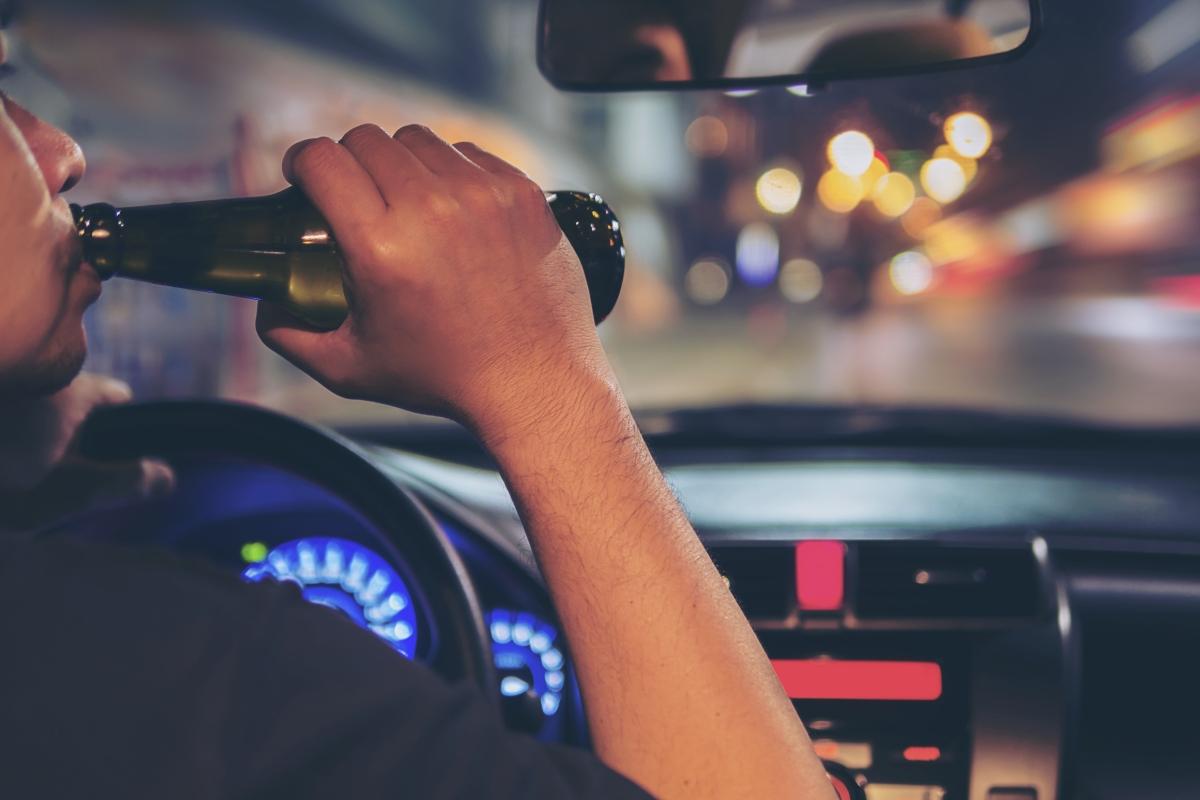 Drink-drivers will face tougher penalties. Photo: Shutterstock.
Screening of those at risk of alcohol abuse is set to be introduced in health centres, GP clinics and hospital emergency departments, with problem drinkers to receive “integrated care” covering mental health and medical services, housing, employment, education, justice system and social services.
Meanwhile, targeted interventions for alcohol abusers and their families will be introduced.
Events and the workplace
Special events will see better coordination of public transport to encourage people to leave their cars at home, while encouraging the concept of a ‘designated driver’ among groups of friends travelling together to such events.
Motorists caught drink-driving will undergo mandatory education on the topic.
The Occupational Health and Safety Authority will be empowered to address alcohol misuse in the workplace, while a “robust alcohol data collection mechanism” is to be set up, similar to that in place for drugs, through the introduction of an ‘Alcohol Focal Point’.
An ‘Action Group’ is to be created to develop and guide alcohol policies, and a national, interdisciplinary body is to be set up to implement those policies.
The policy also aims to increase interdisciplinary collaboration among experts in the field.
Attached files