No water – no life. We must act now
91% of Maltese people want the EU to take more action to address water problems. It is doing just that with a new European Water Resilience Strategy
We’ve taken water for granted for too long. Our waters are polluted, floods and droughts are the new normal and increasing demand for water is stretching Europe’s water resources. The number of Europeans affected by water scarcity has almost doubled in the past decade. Europe is water-stressed. We need to make sure that demand for water doesn’t exceed supply.
Our economy must become water-smart, so we need to start using water in a smart way. The rest of the world is looking towards the EU to find inspiration and solutions because water stress is a global challenge. This is why the EU proposes a comprehensive Water Resilience Strategy.
It maps out how Europe can become water-smart, benefiting people, our businesses and competitiveness and our ecosystems. It’s based on ‘water efficiency first’ – reducing demand before increasing supply.
We will support countries to act on all levels and across all sectors to save water before tapping into more resources. Water is managed at many levels; municipalities and regions are often best placed to act.
This plan builds on a wealth of existing water-related laws and a world-leading water sector. But we need to go further.
First, we need to restore and protect the broken water cycle. How? By making sure our ecosystems are healthy, so they naturally store and clean water. By reducing pollution and by cleaning up the pollution that’s already there in our waters.
Second, build a water-smart, competitive and circular EU economy. Europe is home to many innovative water technology companies, holding 40 per cent of patents for water technologies, but the potential to create more businesses and jobs in the water-related industries has yet to be unlocked. We must scale up and harvest that potential at home and on global markets.
Third, ensure clean and affordable water and sanitation for everybody. We all need clean water to thrive: citizens, companies, industries and farmers.
These goals are linked. Healthy ecosystems safeguard our water cycle, which fuels our economy, while protecting us from the impacts of climate change.
A strong water sector that prioritises water efficiency, circularity and innovation is more competitive globally and helps make water services affordable and accessible. Advanced sanitation ensures that used water is treated before returning to nature, preserving the very ecosystems that sustain the water cycle.
Europe is water-stressed- Jessika Roswall
To deliver on this, the Water Resilience Strategy sets out a toolbox to help member states manage water better, while also focusing on simplification.
Each country is in a different situation. Malta faces extended periods of drought and low rainfall, exacerbating water scarcity. Water leaks vary from eight per cent to 57 per cent in the member states. Malta is investing heavily in projects to improve water efficiency in agriculture and reduce water consumption in the tourist sector.
Despite EU funding for water, the investment gap remains substantial. This is why the strategy will also focus on mobilising new public and private funds to upgrade infrastructure and new technologies.
The potential for improvement is enormous, especially through digitalisation.
All member states have to do more to protect their water systems, address pollution, manage climate change and boost flood risk management. Some have to do more to modernise their water infrastructure. Countries should prioritise sectors that consume the most water or where the most savings can be made.
Europeans asked us to protect and restore our waters. With the Water Resilience Strategy, we now have a plan to set the wheels in motion.
Water is a public good and a common responsibility. The cooperation and fair burden-sharing between users of water along the water circle is key and must improve going forward.
Using less water at home may seem like a too small action to the bigger picture. But every drop counts. Combined with structural changes to how we use and value water across sectors and countries, we can ensure that supply meets demand for years to come.
We need everyone on board to fix our water cycle, boost our economy and ensure clean water for all.
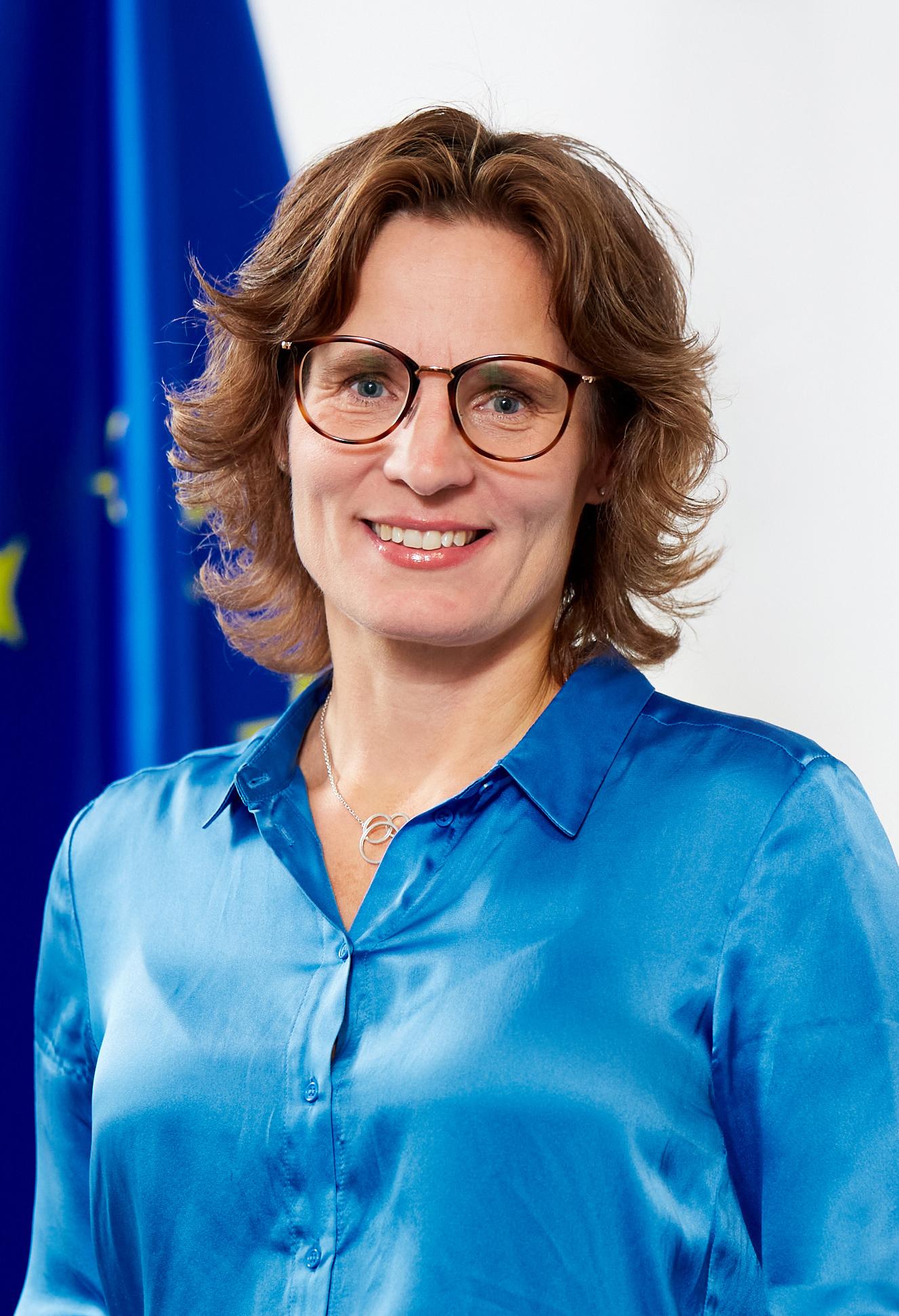
Jessika Roswall is European Commissioner for Environment, Water Resilience and a Competitive Circular Economy.