One in five Maltese teens buy alcohol from shops despite legal ban
ESPAD report shows girls more likely than boys to drink, smoke and use cannabis, while energy drinks overtake alcohol as the most used product
One in five 15- and-16-year-olds bought alcohol from shops last year, and more than one in four obtained it from bars, even though it is illegal to serve alcohol to anyone under 17, a study has shown.
These findings highlight gaps in the compliance and enforcement of existing regulations, according to the national report for Malta of the European School Survey Project on Alcohol and Other Drugs (ESPAD) 2024.
The report also showed a higher problem of alcohol use amongst girls, that one in three 15 and 16-year-olds drank alcohol at the age of 13 or younger, with most obtaining their alcohol from their parents.
The ESPAD was conducted among 113,882 students aged 15 to 16 across 37 European countries in 2024. It is carried out every five years, with the previous one held in 2019. In Malta, 2,880 students from 43 schools participated.
The Malta National Report was launched on Wednesday and presented by the research team Sharon Arpa, Valentina Galdes and Stephanie Dimech from the Foundation for Social Welfare Services.
Data showed that alcohol use remains widespread but is declining, with the lifetime use dropping from 82% in 2019 to 74% in 2024.
The researchers noted that of the 2,880 Maltese students surveyed, 20% reported purchasing alcohol from off-premises outlets such as alcohol shops and supermarkets, while 29% reported drinking in bars or discos in the past month. Both figures fell by 10% compared to 2019.
Overall, the findings showed that girls had higher rates of lifetime use of alcohol, cigarettes, e-cigarettes, and cannabis, and they also spent more time on social media. Boys had higher rates of gaming and gambling.
Alcohol use – better but still worrying
High levels of use are likely linked to alcohol accessibility, with 79% of participants reporting that alcohol was fairly or very easy to obtain.
Over the past 30 days, 29% of students reported binge drinking, defined as five or more alcoholic drinks on one occasion. The most common drinks were spirits, followed by wine and pre-mixed drinks and beer.
Overall, 27% of students reported having been drunk at least once in their lifetime, 21% reported intoxication in the past 12 months, and 8.1% in the past 30 days.
 Alcohol use remains high in teens. Photo: Shutterstock
By age 13, 34% had consumed their first drink, and 6.4% had already been drunk. Girls were significantly more likely than boys to report alcohol use across all time frames: lifetime (79% girls vs 69% boys), past 12 months (70% vs 60%), and past 30 days (42% vs 33%).
Girls were also more likely to report intoxication in their lifetime (32% vs 22%), in the past 12 months (26% vs 17%), and in the past 30 days (11% vs 5.8%). This may be because the law is more strictly enforced among boys than girls, as girls tend to look older, and they are often more actively targeted by marketing promotions, such as free drinks in clubs.
Alcohol most commonly obtained from parents
When asked how they obtained alcohol, students most commonly reported getting it from parents (16%), purchasing it from pubs, bars, or każini (11%), and buying it from a store (8.8%).
Another 11% said they obtained alcohol in other ways. The most common drinking locations were at home (23%), at a bar or pub (16%), and at a restaurant (14%).
A higher percentage of girls than boys reported drinking in a pub, bar, or każin (18% vs14%), at a restaurant (18% vs 9.8%), in open areas such as streets, parks, or beaches (12% vs 9.1%), and at a disco or party (8.8% vs 5.5%).
Students were asked about their reasons for drinking alcohol in the past 12 months.
The most common motives were social and mood-enhancing. Specifically, 14% said they drank because it was fun, 12% to help them enjoy a party, and 11% to improve parties and celebrations.
Another 10% drank to make social gatherings more enjoyable, and 9% because they liked the feeling. Coping-related reasons were less common: 6.4% drank to forget problems, 4.4% to cheer up when in a bad mood, and 4.3% to help when feeling depressed or nervous.
Conformity-related reasons were rare, with 2.8% drinking to fit in with a group, 1.9% to avoid feeling left out, and 1.6% to be liked.
Energy drinks and cigarettes
In 2024, energy drinks overtook alcohol as the most used product, with 82% of students reporting lifetime use -84% for girls and 80% for boys.
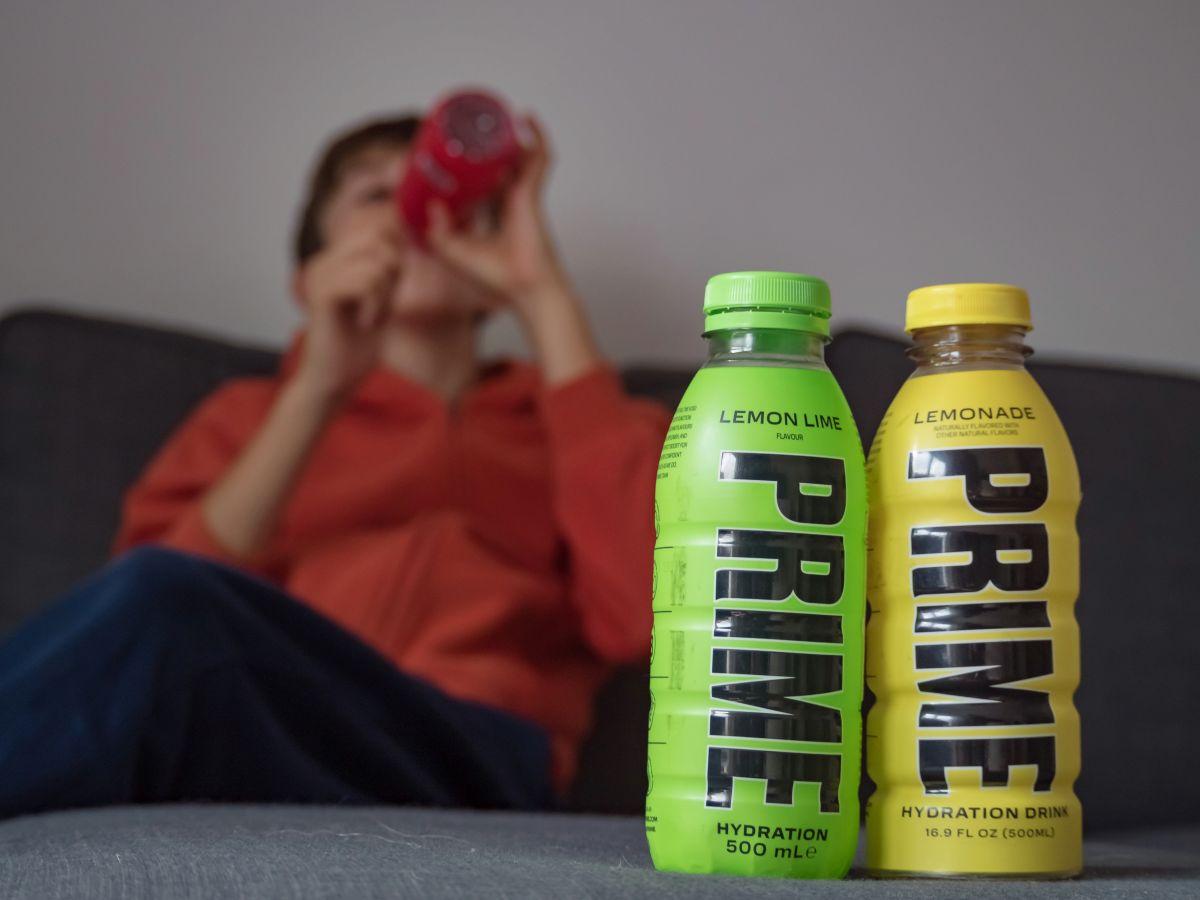 The use of energy drinks in teens has increased over the years. Photo: Shutterstock
In total, 26% of students reported lifetime use of e-cigarettes and 16% of cigarettes.
Girls were more likely to have used cigarettes and e-cigarettes, with 20% reporting lifetime use of cigarettes and 33% of e-cigarettes, compared to 12% and 18% for boys, respectively. 17% of students reported using e-cigarettes before ever smoking cigarettes.
Cannabis and other drugs
Lifetime use of illicit drugs stood at 3.3% when cannabis was excluded, but rose to 12.3% when cannabis was included, showing that cannabis accounts for the vast majority of illicit drug use among adolescents in Malta.
Some 11.5% reported lifetime use of cannabis, making it the most common illicit drug, followed by inhalants (5.2%), synthetic cannabinoids (3.6%), and non-prescribed tranquillisers (3.6%). For the first time in Malta, girls exceeded boys in cannabis use, with about 14% of girls compared to 8.5% of boys reporting lifetime use.
Cannabis was perceived as fairly or very easy to obtain by 30% of students. Girls were significantly more likely than boys to report using synthetic cannabinoids (4.7% vs. 2.4%), alcohol with pills (4.5% vs. 2.0%), and tranquillisers or sedatives without a prescription (4.4% vs. 3.0%) in their lifetime.
Between 2019 and 2024, the use of prescribed tranquillisers and/or sedatives increased by almost five percentage points among girls, reaching 15%, while boys remained stable at around 10%.
Social media, gaming, and gambling
ESPAD began collecting data on these topics in 2015. Almost all students reported using social media, especially on non-school days, with use higher among girls.
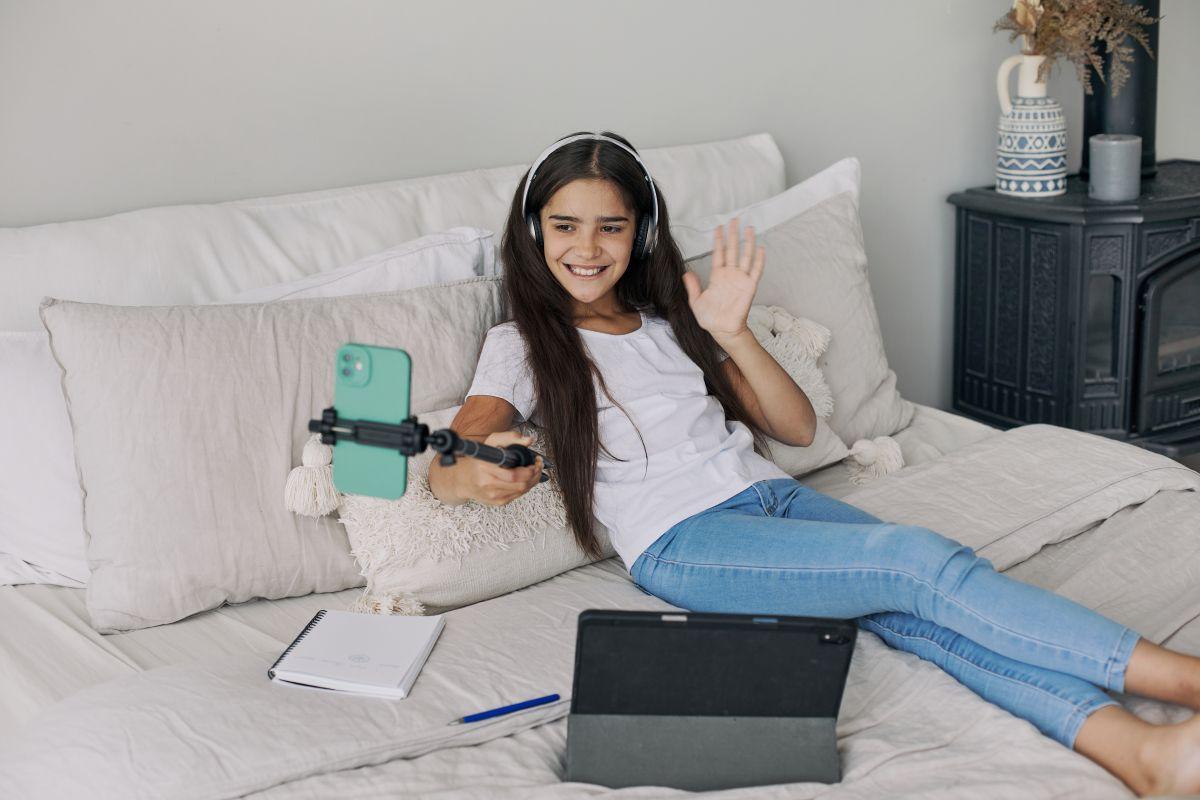 Girls continue to make use of social media more than boys. Photo: Shutterstock
Heavy social media use (over four hours per day) on school days rose from 38% in 2019 to 42% in 2024, with a higher increase among girls (45% to 48%) than boys (31% to 36%).
On non-school days, heavy use increased overall from 68% to 79%, with girls rising from 75% to 81% and boys from 60% to 67%. The pattern was reversed for gaming and gambling, where boys showed higher prevalence.
Heavy gaming remained stable during school days at 7% for girls and 19% for boys, but increased on non-school days from 13% to 17% for girls and from 46% to 51% for boys.
Boys were also more likely than girls to report gambling, both in person and online, with overall rates at 16% (18% for boys and 13% for girls). Lotteries were the most common type of gambling.
The Malta National Report was launched on Wednesday and presented by the research team Sharon Arpa, Valentina Galdes and Stephanie Dimech from the Foundation for Social Welfare Services.