Operation Halberd: a convoy from Gibraltar to Malta in 1941
The convoy arrived safely in Malta 84 years ago on September 28, and delivered 85,000 tons of sorely-needed supplies to help keep the population alive
For Malta, Italy’s entry in World War II on the side of Germany in June 1940 meant the beginning of an almost three-year-long siege that only ended with the defeat of the Axis forces in North Africa in 1942.
For almost the next three years from June 1940, Malta was literally cut off from friendly territories, thus necessitating victualling and all types of reinforcements and supplies to be brought in by sea, which posed serious problems.
It was vitally important to keep Malta regularly supplied, albeit by unorthodox means. To this end, in addition to relatively small convoys from Gibraltar and Alexandria, submarines and unescorted vessels were deployed.
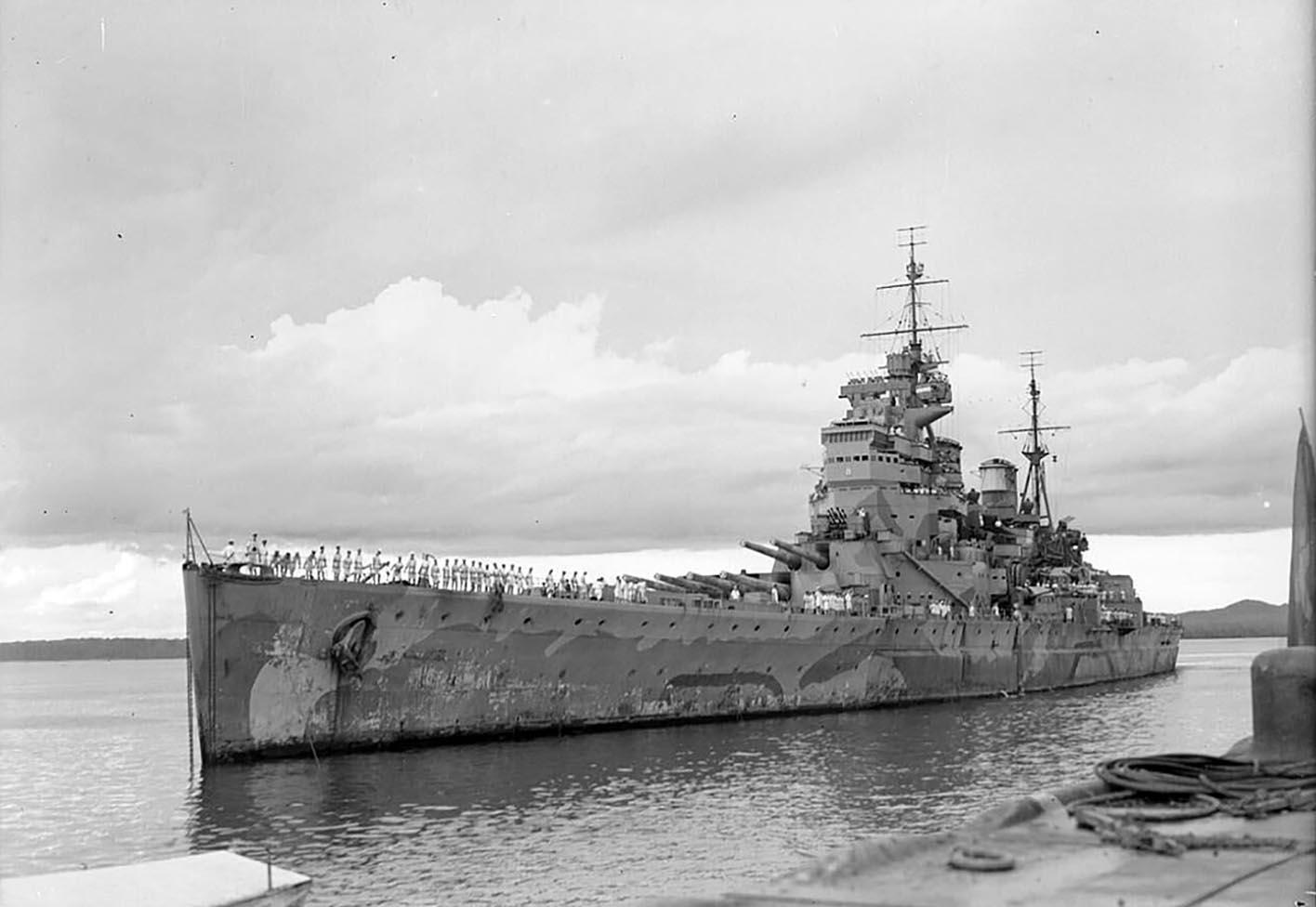 The British battleship Prince of Wales, here photographed in Singapore.
Submarines of the 1st Flotilla based at Alexandria in Egypt operated what was to become known as the ‘Magic carpet service to Malta’. Submarines and large minelayers started to carry vital supplies to besieged Malta. It was the minelaying submarine HMS Porpoise that initiated the ‘service’ with a cargo of petrol and mines and, at the same time, carrying out a minelaying operation on the way. In all, HMS Porpoise carried out a total of nine such trips.
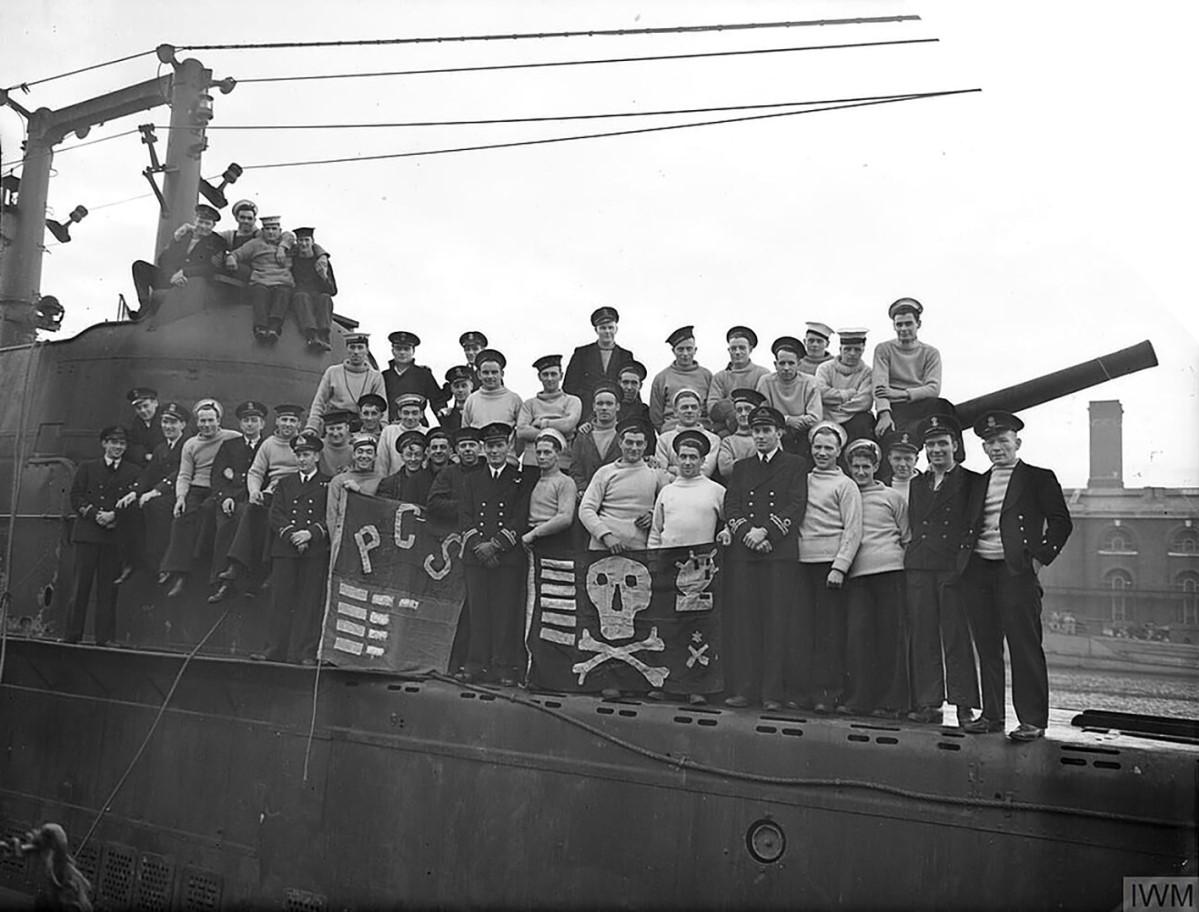 The British minelaying submarine HMS Porpoise photographed with its crew in Malta. It carried out nine journeys from Alexandria with supplies to Malta and helped keep the island ‘alive’.
Other submarines used in this role included HMS Rorqual, Parthian, Regent, Cachalot, Clyde, Osiris and Otus. In July 1941, these trips ferried to Malta a total of 126 passengers, 64,280 gallons of petrol, 83,000 gallons of kerosene, 12 tons of mail, 30 tons of general supplies and six tons of munitions, including torpedoes for submarines and aircraft based on the island.
Impressive as these figures may seem, they were just a drop in the ocean, because the requirements were much, much greater. Suffice it to state that the fuel carried by a submarine, albeit at great risk, was sufficient for no more than three days.
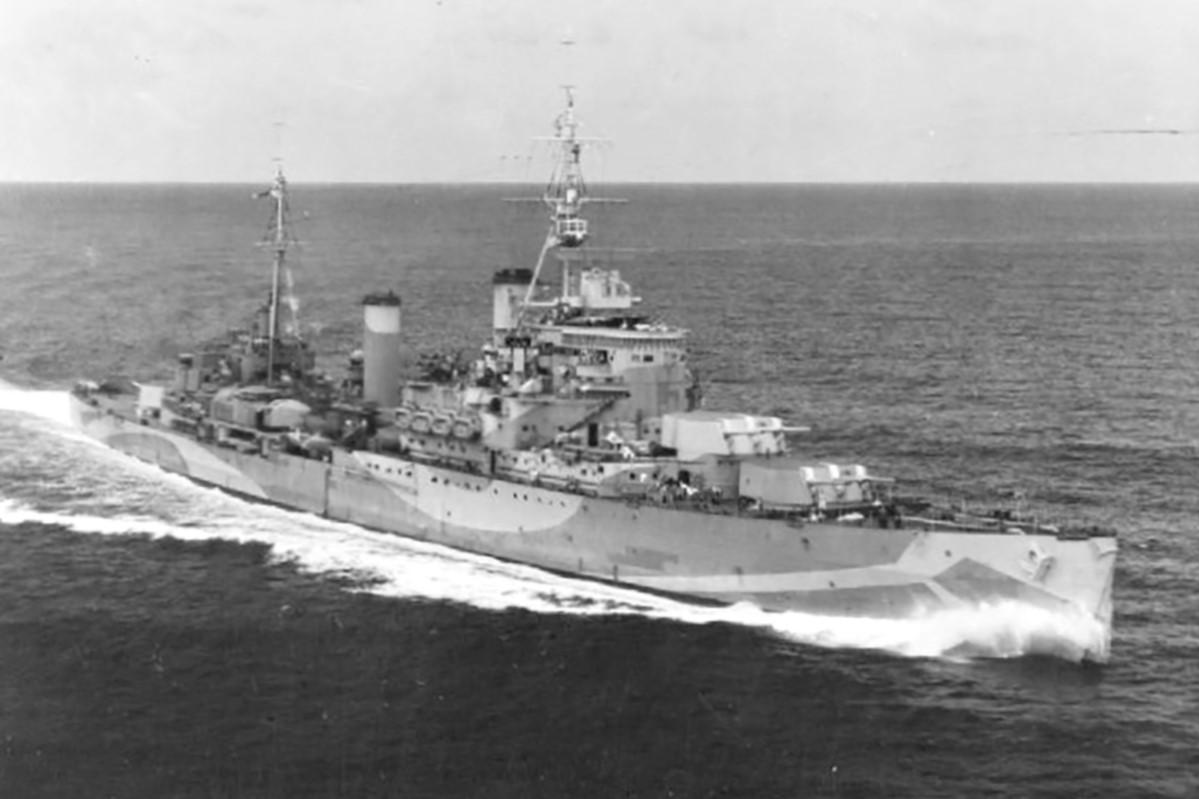 The British cruiser HMS Kenya that formed part of the escort of Operation Halberd.
As it was clear that much more was needed, at the end of July 1941, the cruisers HMS Arethusa and HMS Hermione, the minelaying cruiser HMS Manxman and two destroyers embarked from Gibraltar 1,750 personnel and 130 tons of supplies that were successfully delivered on August 2. But these efforts only served to further underline the need to organise convoys comprising a number of escorted freighters that would be able to deliver large quantities of supplies, munitions and fuel, especially when the use, once more, of unescorted ships did not give the desired results.
In the third week of July, a large convoy codenamed Operation Substance was organised. It included six cargo ships – Melbourne Star (11,000 tons), Sydney Star (12,500 tons), City of Pretoria (8,000 tons), Port Chalmers (8,500 tons), Durham (13,000 tons), and Deucalion (7,500 tons), which managed to get through to Malta with a total of 65,000 tons of supplies, the greatest amount delivered at one go during the war thus far.
Yet it came at the cost of the loss of the destroyer HMS Fearless and damage to the cruiser Manchester, the destroyer HMS Firedrake and the freighter Sydney Star that, however, still managed to make it to Malta’s Grand Harbour. But these losses underlined the great dangers facing Malta-bound convoys.
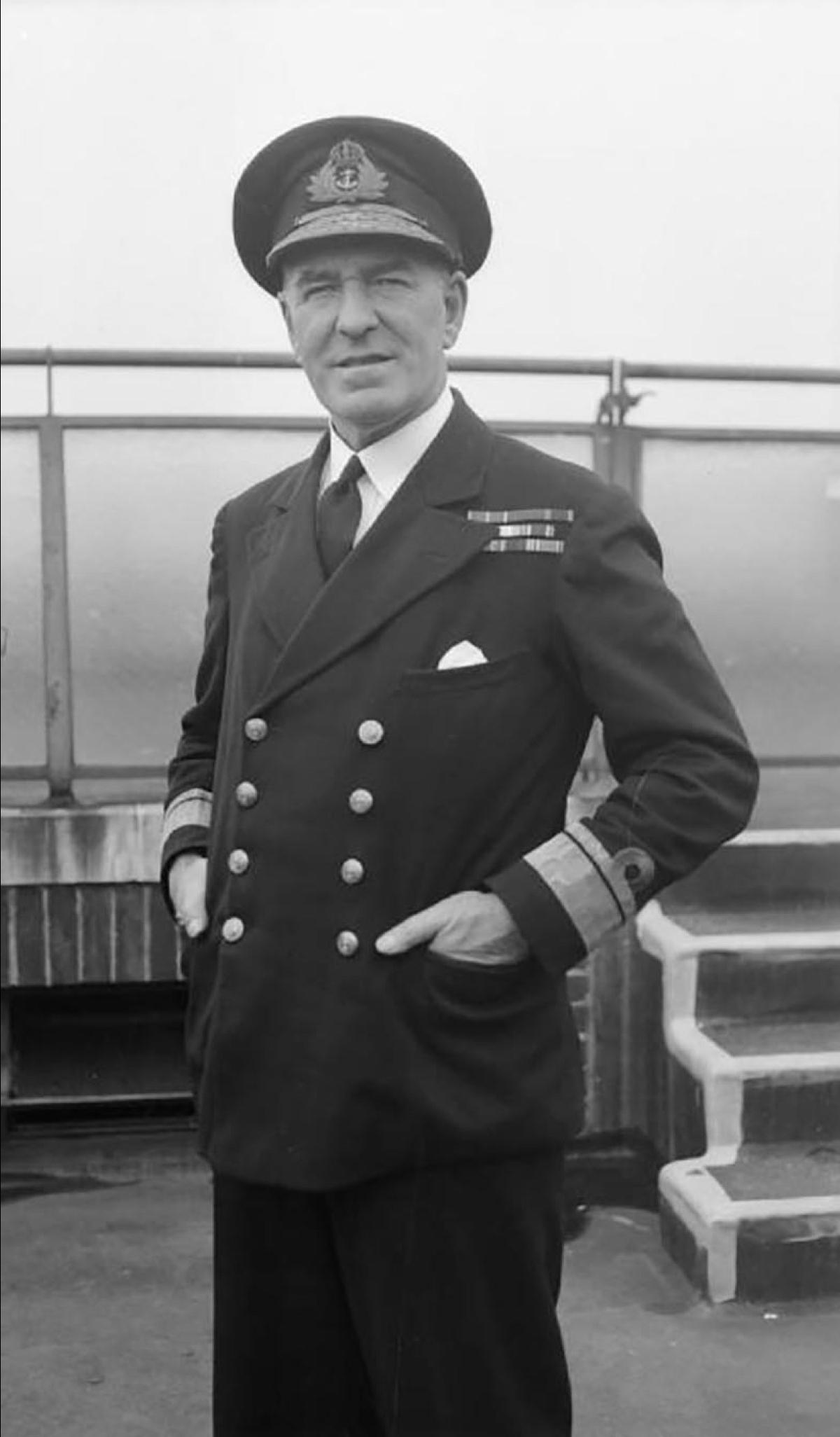 Rear Admiral Harold Burrough (1888-1977) was the commander of the convoy.
A larger convoy was needed, and so, Operation Halberd was organised in September 1941 in an attempt to deliver supplies from Gibraltar to Malta. At the time, this was the largest Malta supply effort of the war, and included nine merchant ships carrying 85,000 tons of military equipment and supplies.
The ships were the following: Ajax (7,549 tons) of the Blue Funnel Line, the convoy commodore auxiliary supply ship MV Breconshire (9,776 tons), City of Calcutta (8,063 tons) from Ellerman’s City Line, City of Lincoln (8,039 tons) from Ellermen & Bucknall, Clan Ferguson (7,347 tons) from the Clan Line, Clan MacDonald (9,653 tons) from the Clan Line, Dunedin Star (12,891 tons) from the Blue Star Line, Imperial Star (12,427 tons) from the Blue Star Line and Rowallan Castle (7,798 tons) from the Union-Castle Line.
They sailed from Liverpool on September 16 and from the River Clyde on September 17, arriving at Gibraltar on September 24 with a close escort commanded by Rear-Admiral Harold Burrough.
The British took steps to try and confuse the Axis forces
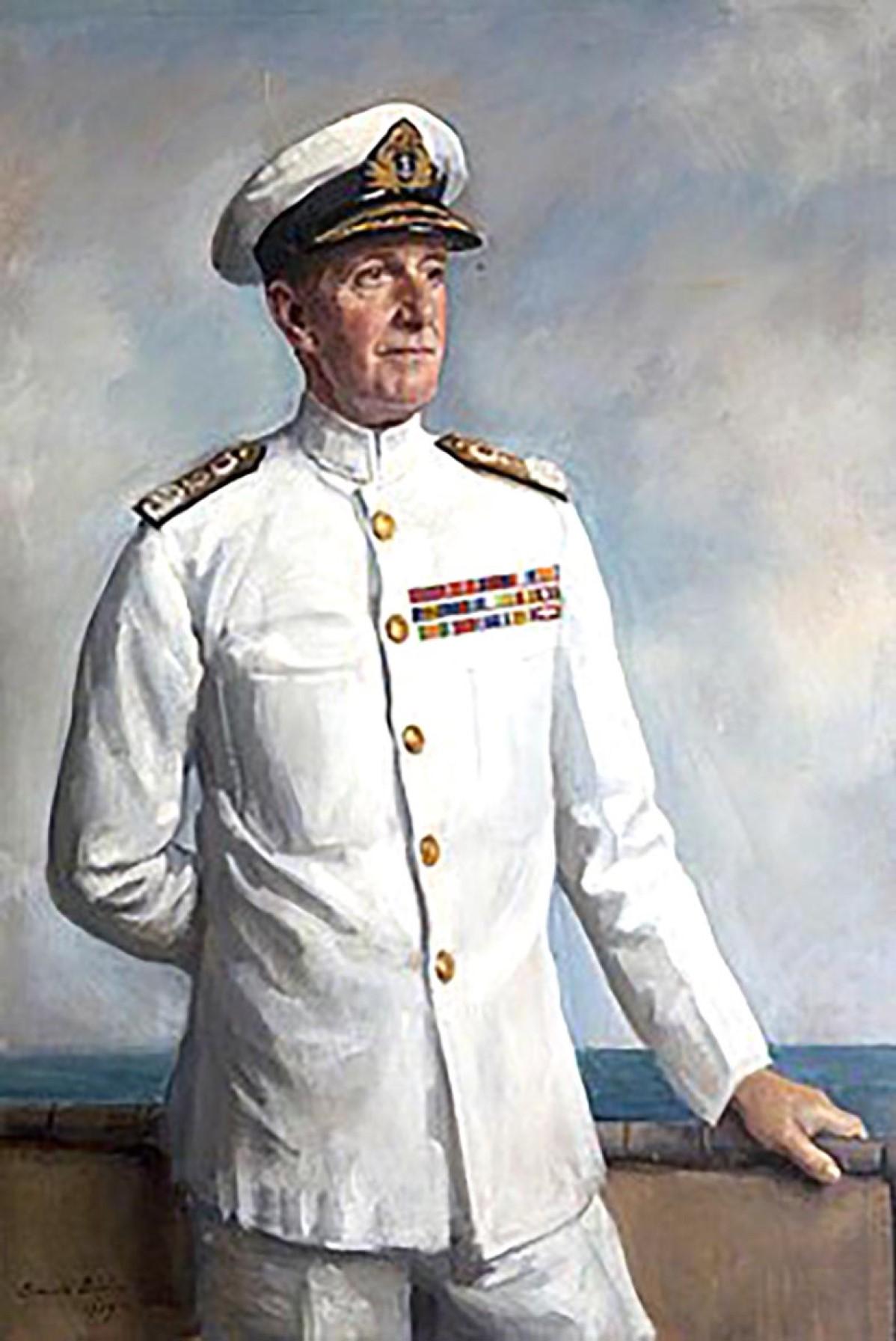 British Admiral of the Fleet Sir James Somerville (1882-1949) was the commander of Force H that protected the convoy.
Force H, commanded by Admiral James Somerville, was to accompany the convoy to defend it from Italian surface ships. It included the battleships HMS Nelson, Rodney and Prince of Wales, together with the aircraft carrier HMS Ark Royal carrying 29 aircraft aboard – 12 Fairey Swordfish and 27 Fairey Fulmars, five cruisers – HMS Kenya, Edinburgh, Sheffield, Euryalus and Hermione – 18 screening destroyers and eight submarines. Force H was deployed to defend the convoy against Italian surface ships but was to return to Gibraltar when the convoy reached the Sicilian narrows.
The Italian surface fleet included two battleships – Vittorio Veneto and Littorio – which were to sortie from Naples and join up with other surface ships from other ports. Altogether, the Italian naval force included five cruisers, 14 destroyers and eight torpedo boats, aided by 11 submarines and 130 aircraft – Macchi C.200, Fiat CR 42 Falco fighters, Savoia Marchetti SM79 and SM84 torpedo bombers, Reggiane Re 2000 fighters, Junkers Ju 87 – that could easily be deployed from Sardinia and Sicily. The force was under the overall command of Admiral Angelo Iachino.
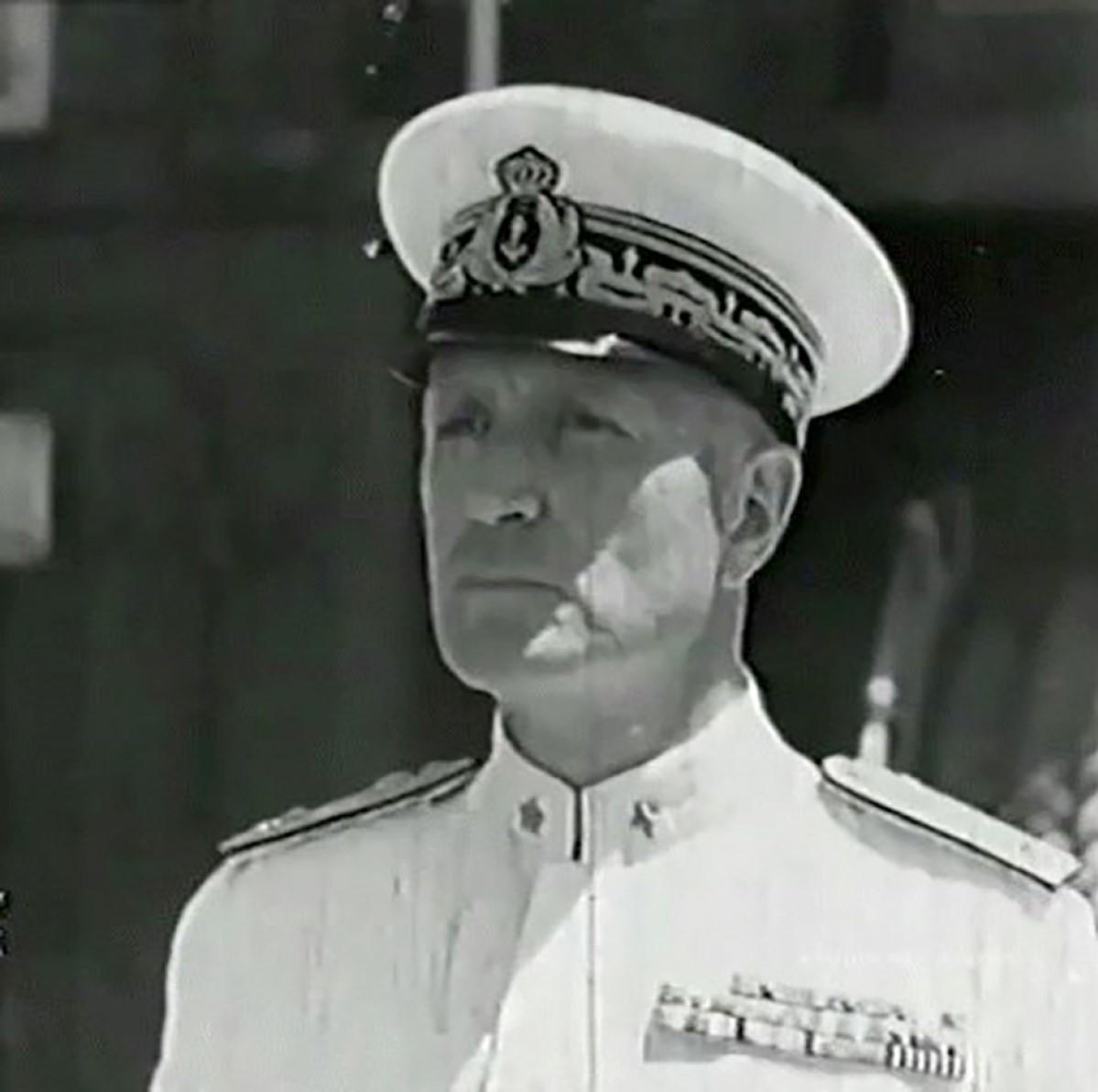 The Italian Admiral Angelo Iachino (1889-1976) was the overall commander of the Italian forces.
The British took steps to try and confuse the Axis forces. Ships operating from Alexandria made heavy radio traffic to make the Luftwaffe believe that preparations were at hand for a major operation in the eastern Mediterranean.
On September 24, Admiral Somerville transferred his flag to HMS Rodney, while HMS Nelson and three destroyers sailed west into the Atlantic to give the impression that Force H was being reduced in strength. HMS Nelson returned after dusk to rejoin the convoy.
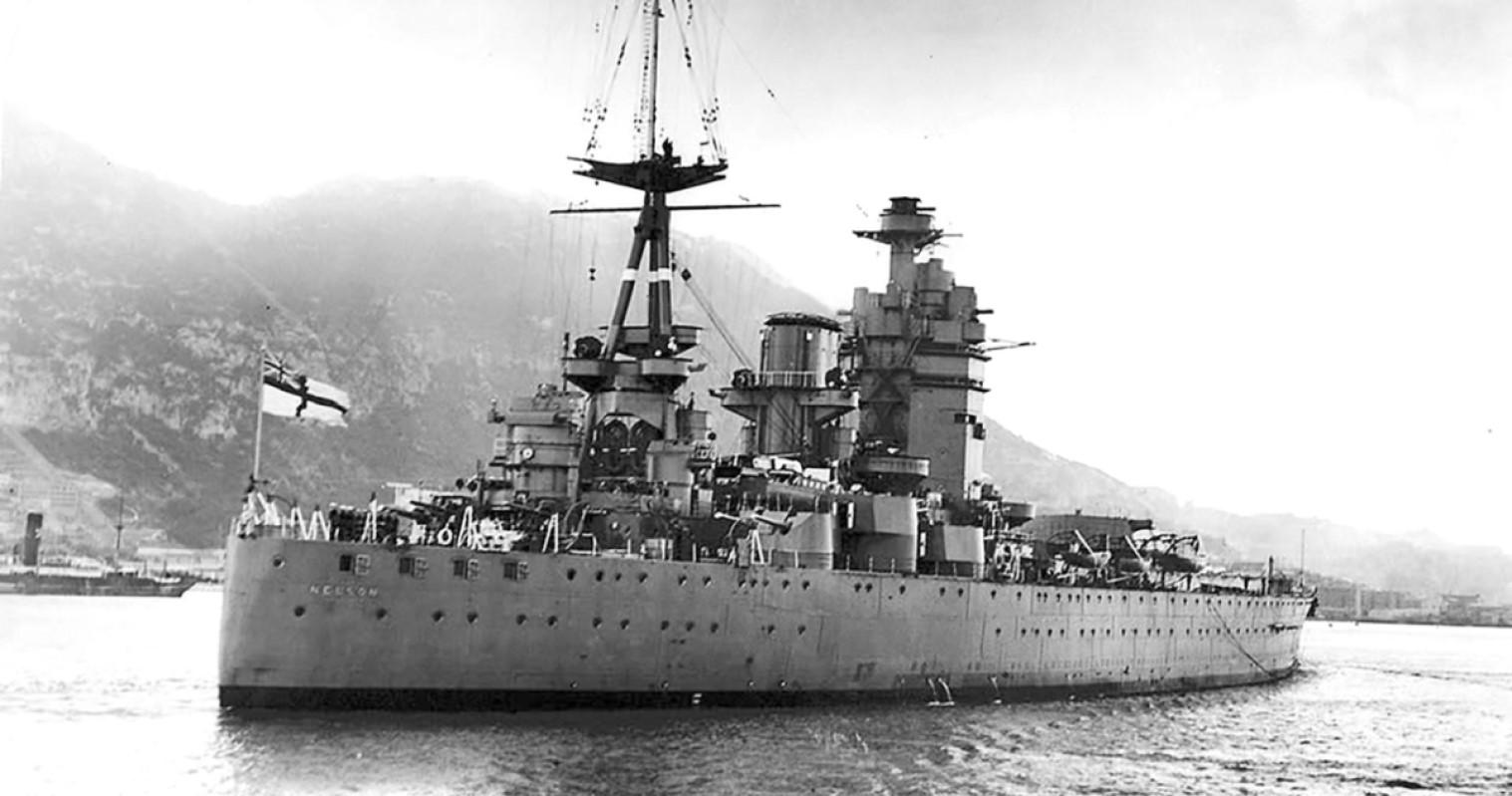 The British battleship HMS Nelson was part of the convoy’s escort.
Force H separated from the merchant ships to give the impression that the freighters were not being escorted, though in reality, Fulmars from HMS Ark Royal were providing air cover. The Italians thought the British battleships were on a bombardment raid of the Italian coast. The Italian fleet sailed from Naples but was ordered not to engage the British unless they had a decisive superiority of forces.
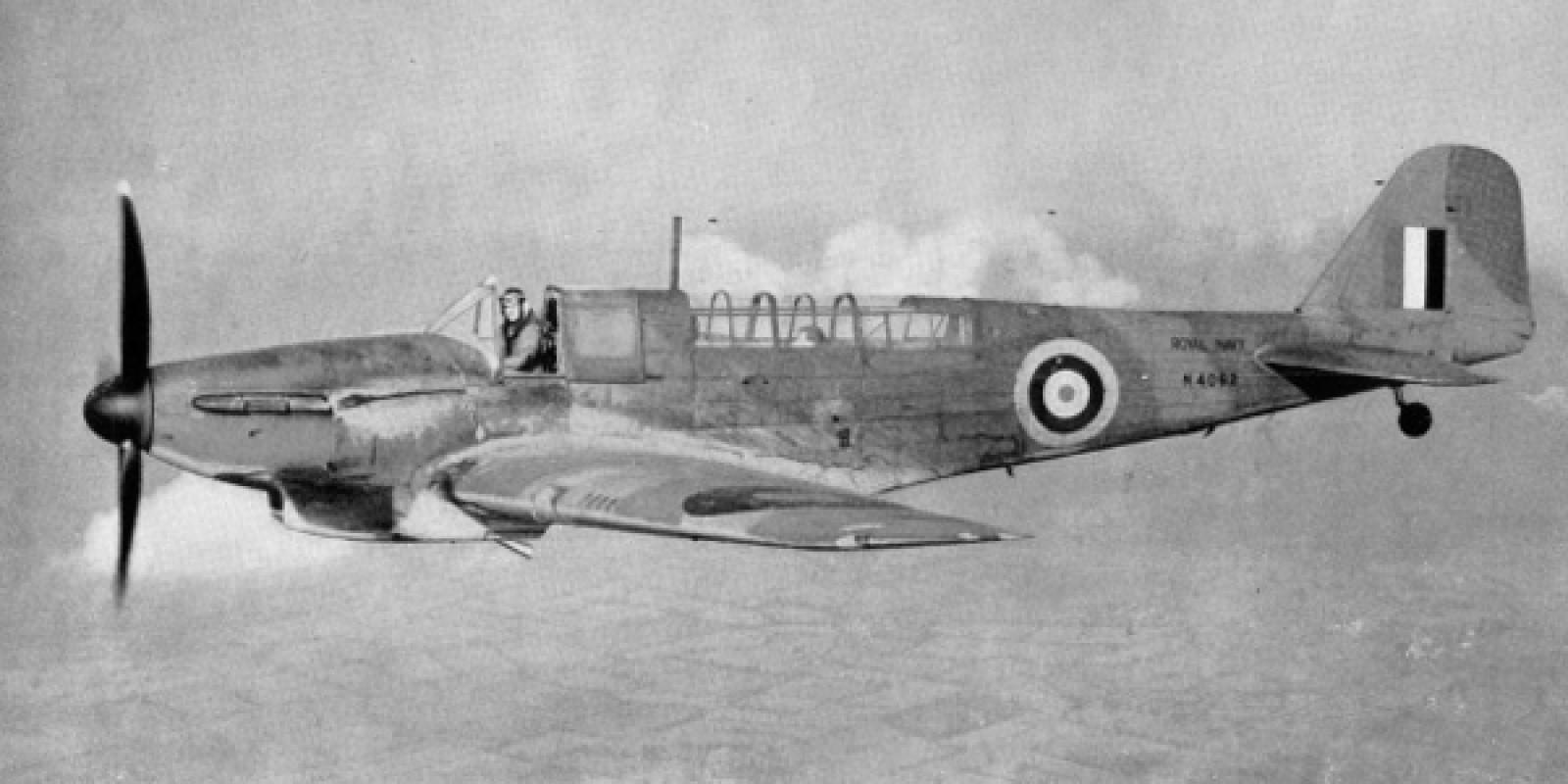 A Fairey Fulmar Mk1 fighter similar to the aircraft carried on HMS Ark Royal.
On September 27, Force H rejoined the convoy and a bent line was formed by 16 destroyers to screen the merchant ships that sailed in two columns at a speed of 16 knots (about 18 miles per hour).
Italian cruisers from Taranto rendezvoused with the battleships from Naples. Actually, the Italian battleships were faster than the British which, however, had superior firepower.
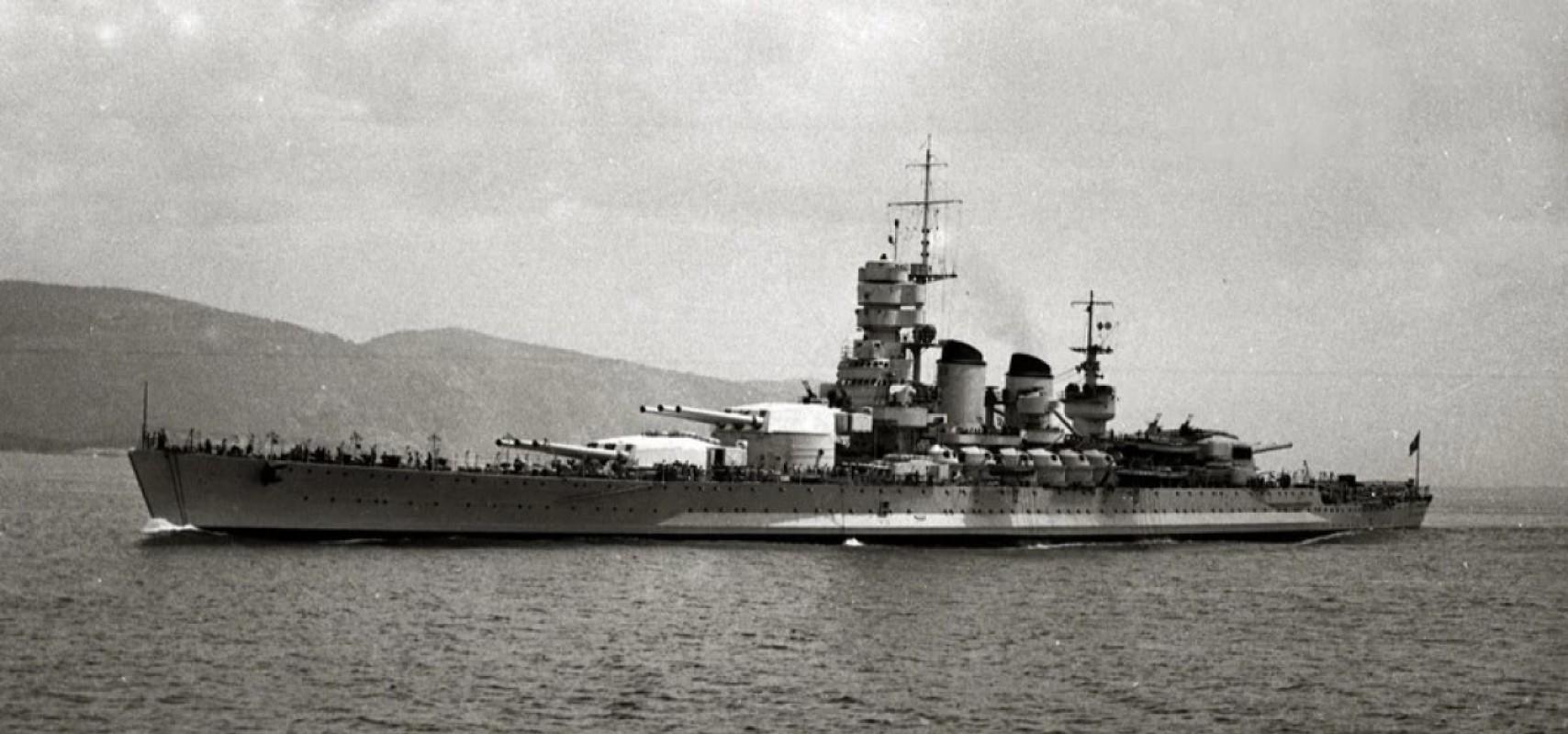 The Italian battleship Vittorio Veneto.
Italian aircraft reported the presence of only one British battleship, so authorisation was given at noon to engage the British formation. The convoy was attacked by the Italian aircraft and managed to hit HMS Nelson, which had to slow down to 15 knots, though it maintained its position in the convoy. By the end of this spate of fighting at 1.30pm, a number of aircraft had been shot down on both sides.
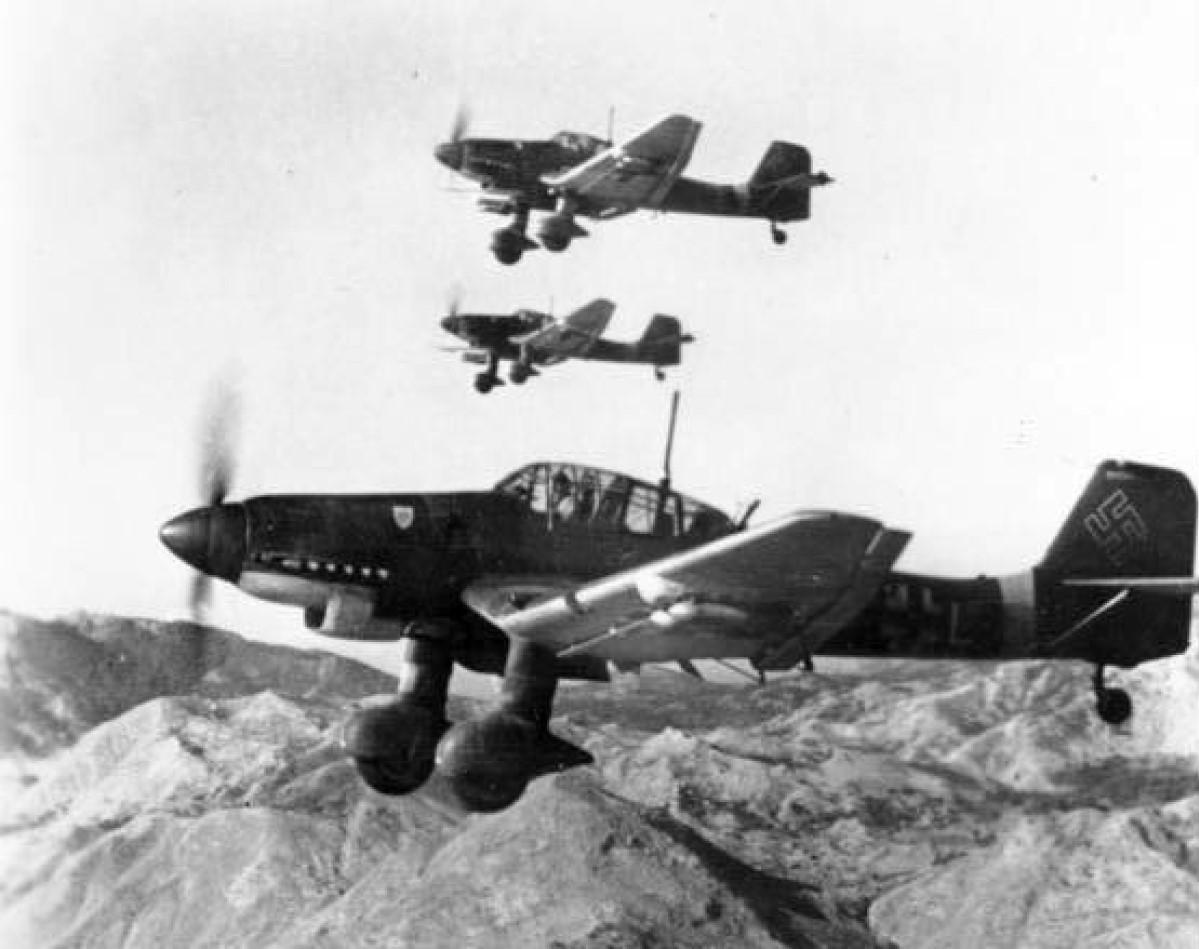
Junkers Ju 87Ds in flight photographed in 1943. They are similar to Junkers aircraft that attacked the ships in Operation Halberd.
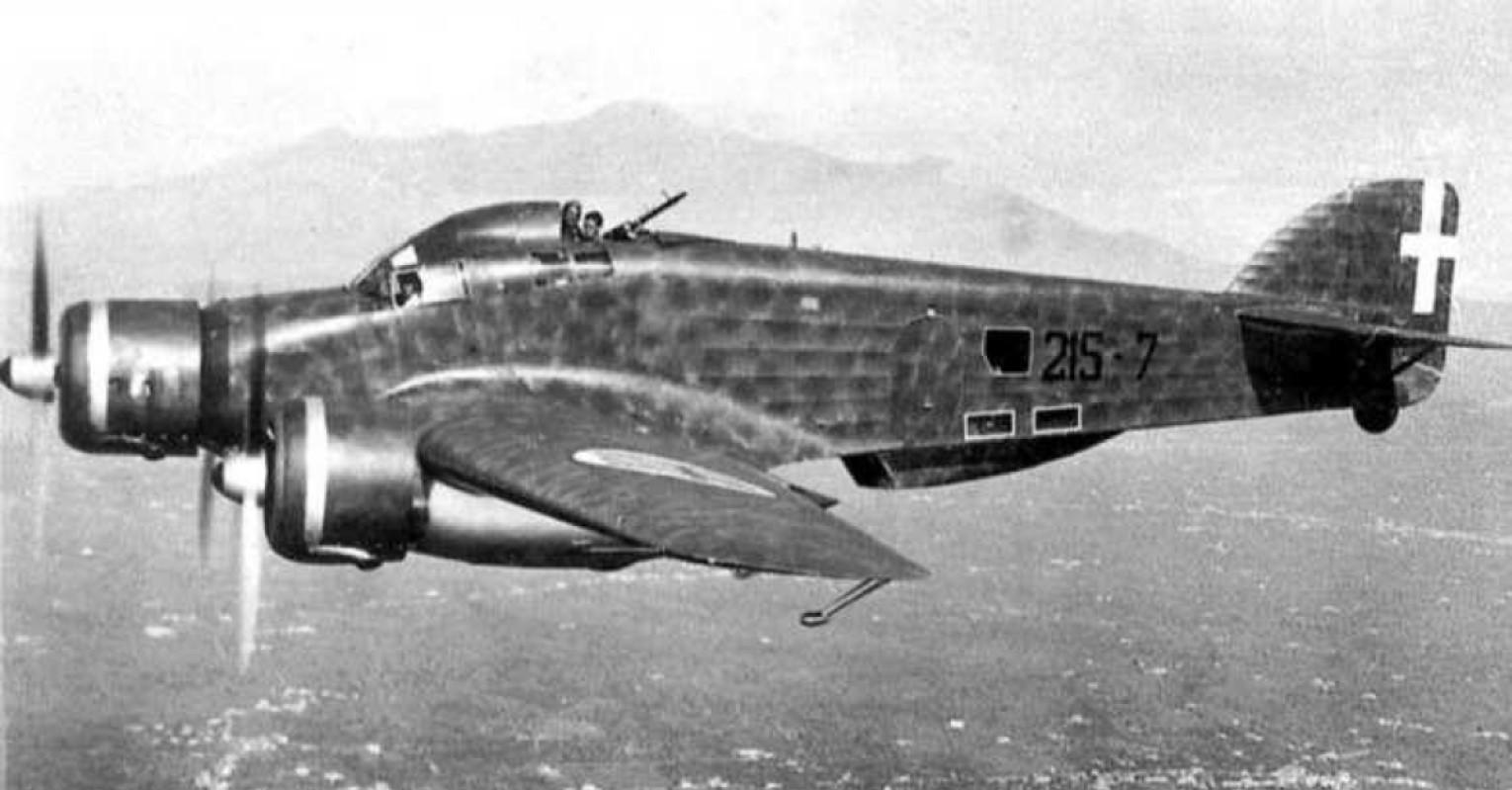
Italian aircraft Savoia Marchetti SM 79 Spaviero, similar to the aircraft that attacked Operation Halberd.
Meanwhile, aircraft from Malta shadowed the Italian fleet, which upon discovering that the British force included two battleships, an aircraft carrier and six cruisers, decided to return to port at 2.30pm. Italian aircraft continued with their attacks and a number were shot down. To make matters worse for the Italians, 10 C200s ran out of fuel and ditched in the sea.
Operation Halberd was a success but the saga involving Malta-bound convoys was far from over
The British capital ships and a few destroyers were not allowed to engage the Italian fleet and were recalled at 5pm. Force H was then detached from the convoy to return to Gibraltar. The convoy closed into a night steaming formation but it was attacked by torpedo bombers, and Imperial Star was hit by a single torpedo. The damaged freighter was taken in tow by HMS Hermione but the merchant ship had to be scuttled without loss of life to maintain convoy speed.
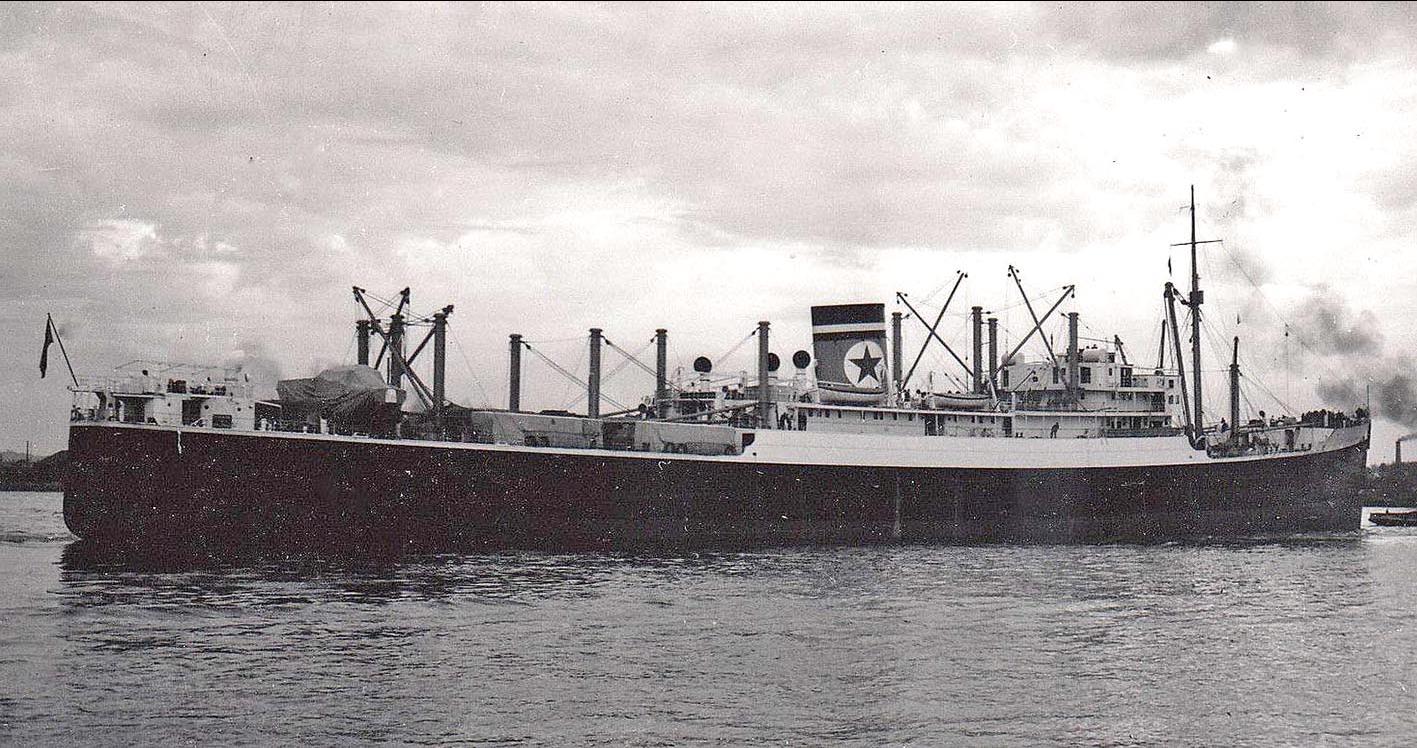 The freighter Imperial Star. It was the only loss suffered in Operation Halberd after it was scuttled in order to maintain convoy speed after the freighter was hit.
The convoy arrived safely in Malta on September 28 and delivered 85,000 tons of sorely-needed supplies. The British losses amounted to four personnel killed, one battleship damaged, four aircraft destroyed and one freighter lost. The Italian losses counted 83 to 90 personnel killed, one submarine (Adua) sunk and 21 aircraft destroyed.
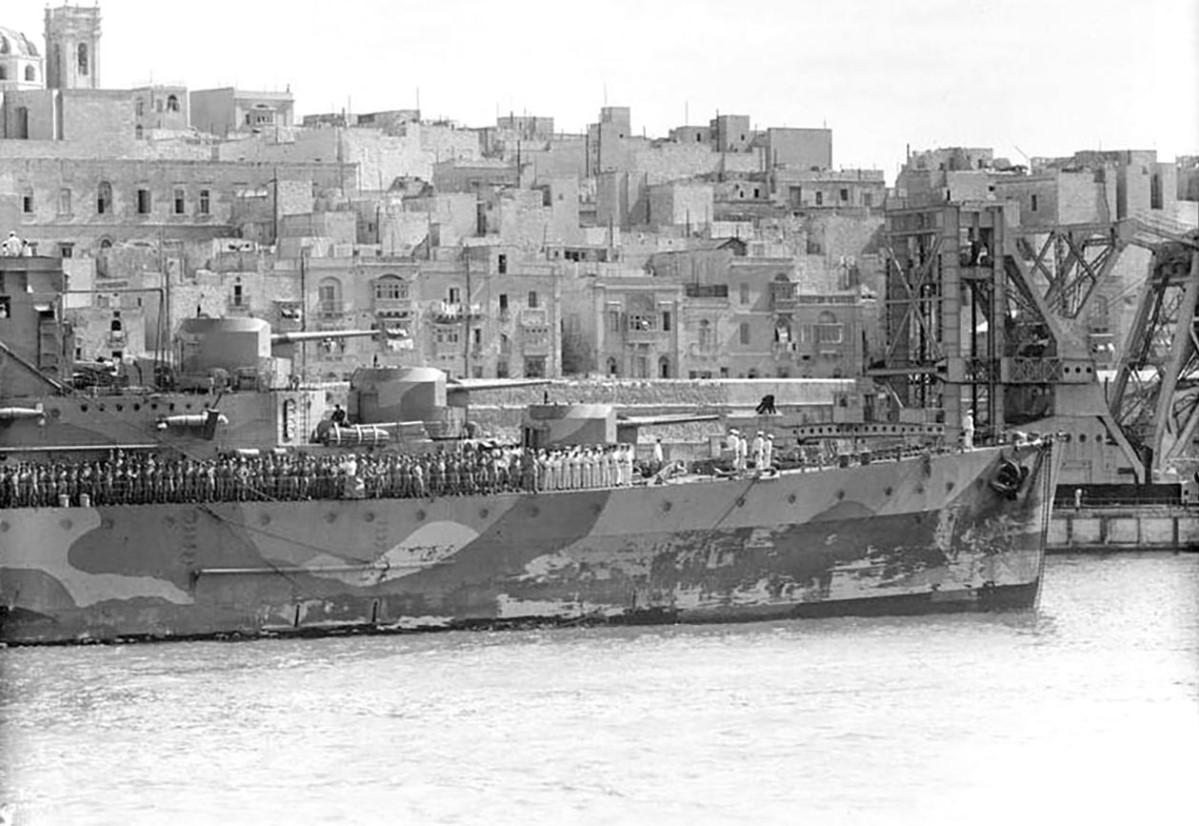 Troops ready to disembark at Grand Harbour in Malta during Operation Halberd.
Operation Halberd was a success but the saga involving Malta-bound convoys was far from over. It took another 10 hard-fought convoys involving the loss of many lives, ships and materiel, together with the British military victory at El Alamein in North Africa, before the siege of Malta was raised at the end of 1942.
Malta’s role in the war was then reversed because the island eventually became the spearhead of the invasion of Sicily in 1943. But that is another story.