PA puts off decision on Siġġiewi zoning change next to former parish church
Objectors flag lack of green spaces and impact on views of the Grade 1 scheduled site
The Planning Authority has put off a decision on a zoning application which could see a plot of land beside the 400-year-old Siġġiewi church ruins become a residential zone of up to three floors.
During a PA executive council meeting on Tuesday, objectors, including the Siġġiewi local council and heritage NGO Fundazzjoni Patrimonju Siġġiewi, strongly objected to the zoning application, addressing several issues.
Two of the main objections focused on the perceived negative impact the rezoning would have on the Grade 1 scheduling status church ruins, and how the application fails to stick to the local plan’s requirement that a quarter of the development site be left as a green space.
The area’s local plan – SMSI 07 – titled ‘Protection of Old Parish Church ruins and rezoning at Triq l Pisani’ includes provisions to protect the site, including the replacement of nearby Triq Nikol Buhagiar with a pedestrianised space.
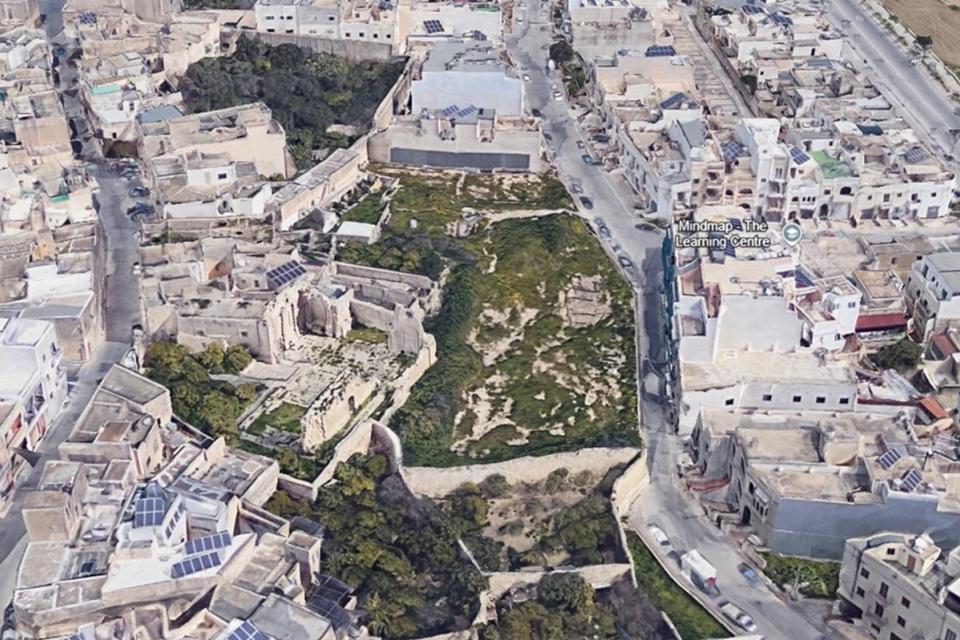 If the PA approved the zoning application, the vacant land found between Siġġiewi's former parish church and UCA will become a residential area. Photo: Google Maps.
The plan also includes a six-metre buffer zone to retain “full local views” of the church and stepped building heights.
Zoning application PC/00033/18, filed seven years ago, proposes revising the area’s local plan, however, allowing for the building of three-storey structures adjacent to the ruins.
The application proposes to establish official alignments, building heights and designations for the development area, including public and private open spaces.
The proposal scraps the plans for the pedestrian area and instead would include both private gardens and public open spaces to act as a buffer between the buildings and the church ruins.
A 7.63m wide public passageway would cut through the development site to provide access to the public open space located next to the ruins, according to the application.
The case officer assigned to evaluate the zoning application recommended it for approval.
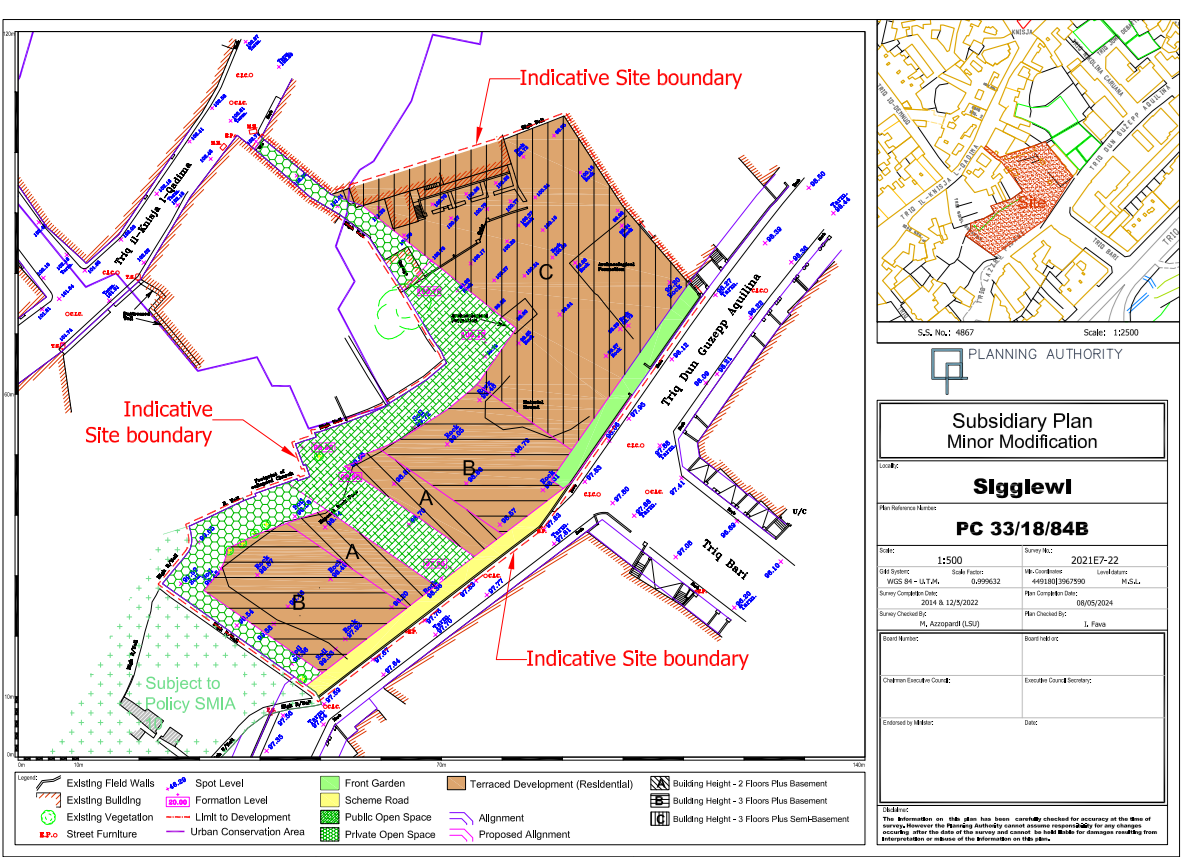 The proposed scheme, which includes a public passageway between the two blocks leading the gardens acting as a boundary wall for the historic ruins. Photo: Planning Authority
‘Protected site only enjoyed by residents of development’
During the executive meeting, Matthew Briffa, a representative of the Fundazzjoni Patrimonju Siġġiewi, aired his concerns that the public would not be able to enjoy the views of the protected site.
The old church, dedicated to St Nicholas of Bari, dates back to the 15th century and was built soon after Siġġiewi was officially recognised as a parish in 1436. It remained the centre of town until the population increased and the new church was built in 1693.
For many years, the medieval church ruins were left abandoned until authorities carried out a restoration project in 2007.
Briffa pointed out how the public will only enjoy views through a pedestrian walkway, which is cut through the development site.
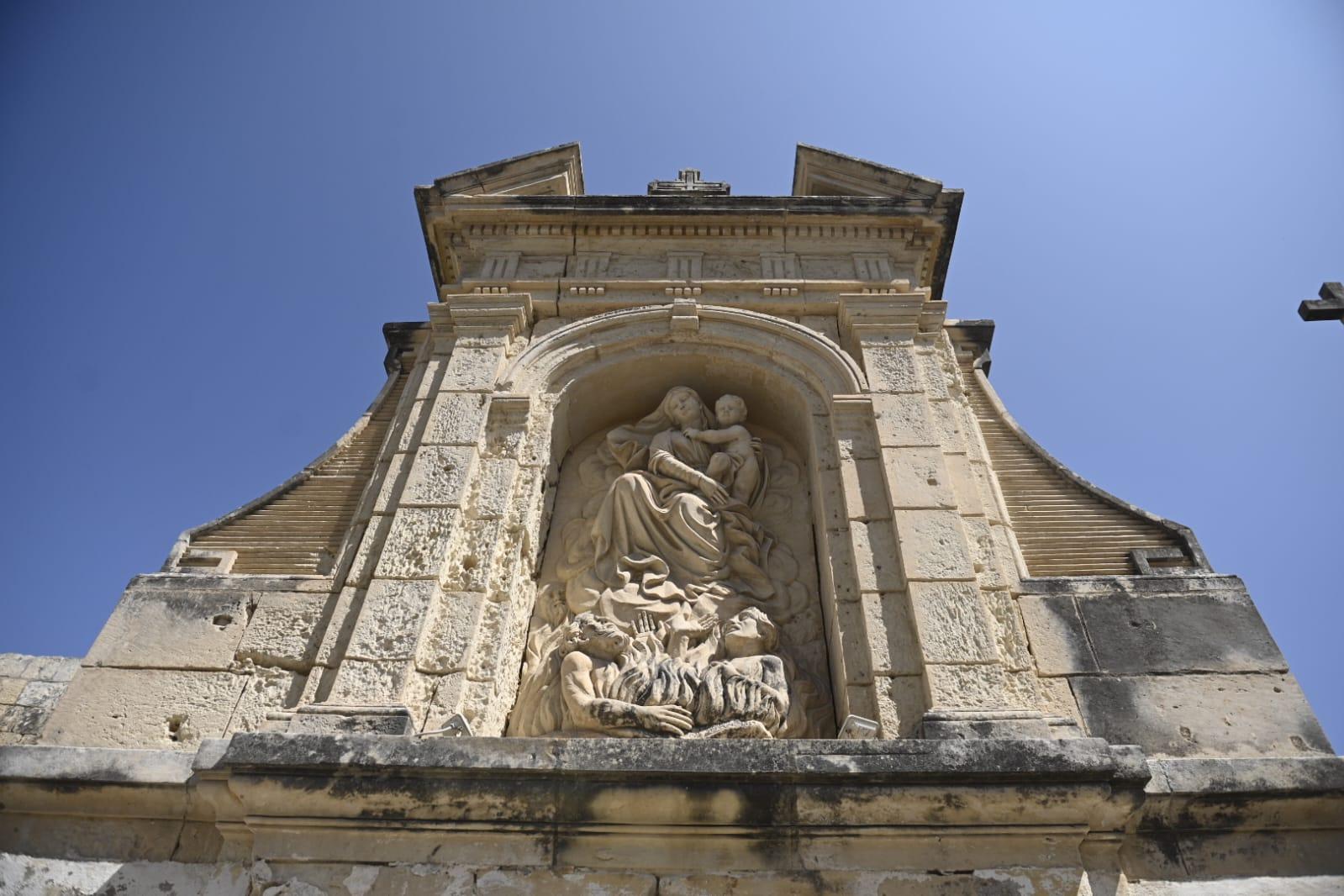 Objectors are worried that views of the historic site will be obstructed. Photo: Matthew Mirabelli.
“The church ruins, which have the most architectural importance, will only be enjoyed by those who have private gardens,” Briffa said.
He also pointed out that the removal of the pedestrian area is “not acceptable” at all.
Peter Falzon, on behalf of the council, also reflected on Briffa’s comments.
“If the application is approved, we would have a private cul-de-sac, which other residents will not be able to enjoy,” he said.
“It is important that we create open spaces for the public to enjoy as a whole, not just someone who has a backyard facing the Grade 1 scheduled site.”
What about green spaces?
Objector lawyer Melanie Sammut slammed the application on several issues, specifically highlighting the local plan’s point on green spaces.
“We are seeing the application having a very wide definition of what a green space is, as it includes the pedestrian area,” she said. “A pedestrian area is not a green space.”
She also pointed out that part of the green spaces in the application are planned to be private gardens and will not be enjoyed by the public.
Sammut also highlighted the lack of an established buffer zone to protect the ruins, something which the local plans specified and should be respected, she added.
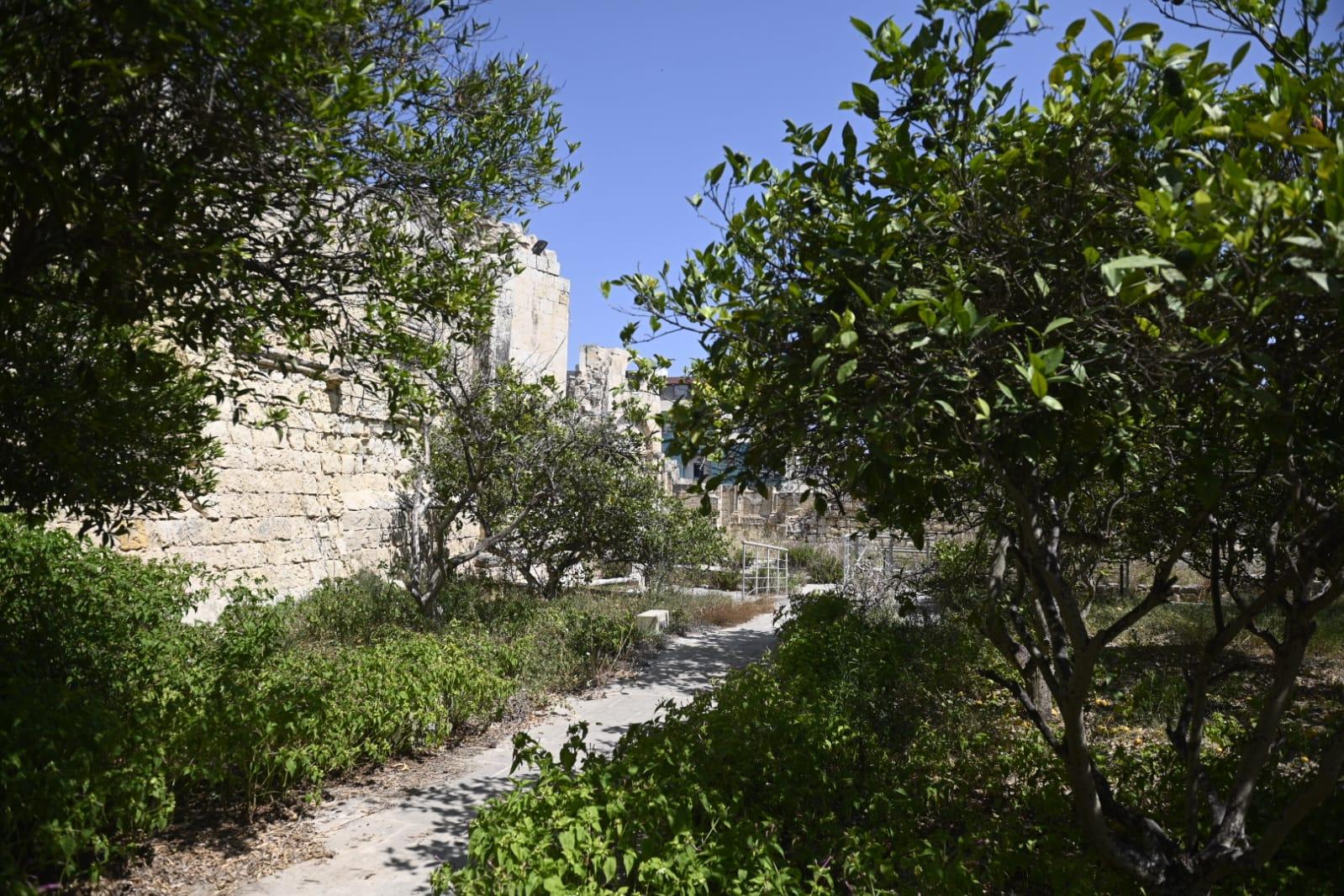 Objectors raised concerns about the future of green spaces at the site should the rezoning go ahead, while the developer argued it would mean more green areas. Photo: Matthew Mirabelli.
She also highlighted the replacement of pedestrianised space with privatised land.
Sammut and the local council also raised their concerns about the propsoed building height, emphasising that the building height limitation of two or three floors should be respected. Both emphasised that the controversial DC15 building height limits should not be addressed in this application.
Height limitations are specified in the number of floors a developer could build, but the DC15 document lays out the interpretation of height limitations in metres.
The objectors pointed out how the height limitation of the building next to the church ruins is three floors, impacting the church ruins.
Decision postponed for three months
The application's architect, Robert Musumeci, argued against concerns about the lack of 25% of the site being allocated as green spaces.
He said the project has around 36% "not built" space included, which is more than the required 25% of green spaces.
Regarding the lack of views of the historic site, Musumeci said the decision to develop a visual corridor (the passageway) was specifically for the public to look "straight on and appreciate the church".
"The location of this visual corridor is not a coincidence, but was planned specifically," he added.
"We decided to put the corridor straight in the middle of the development, and that is part of the open and pedestrianised space, which is part of the 36 per cent open space."
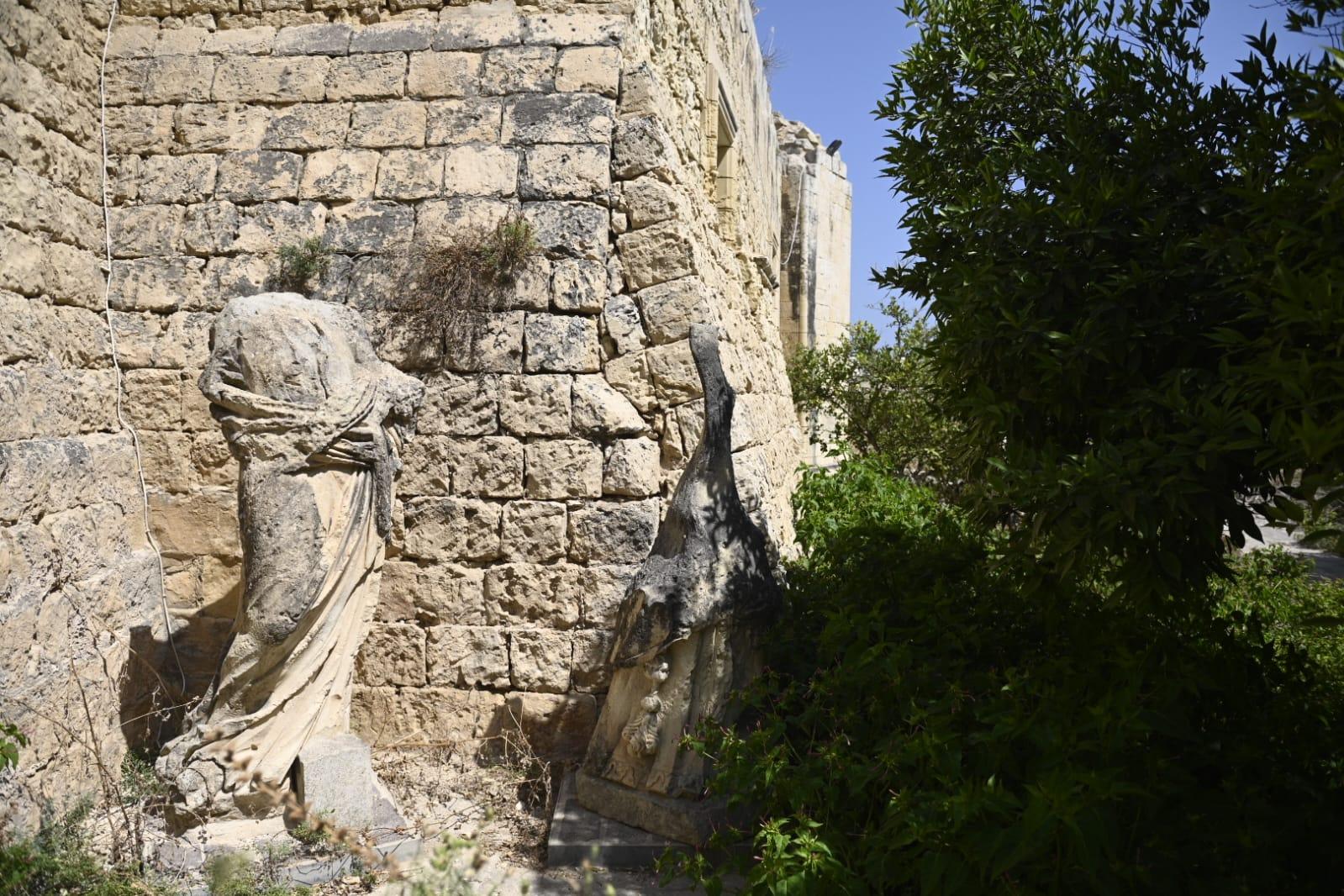 The Siġġiewi local council and heritage NGO Fundazzjoni Patrimonju Siġġiewi are among those challenging the rezoning of the historic site. Photo: Matthew Mirabelli.
The PA’s executive council heard the objector's thoughts as they suspended the application to address the raised concerns and will rediscuss the matter pending further applications.
On his part, PA chairperson Johann Buttigieg raised his concerns about the application. While he agreed with the visual corridor, he raised his concerns about the need for more green spaces in the 1,100 square metre plot of land.
He also highlighted the removal of the pedestrian path.
"The local policy is clear; there needs to be a pedestrian space, not private", he said.
Echoing the objectors, Buttigieg also raised concerns about the building height.
Other executive council members also called for more green spaces and transparency on the height limitation.
At first, Buttigieg suspended the decision by six weeks, but Musumeci asked for more time.
The decision was then to postpone the application decision by three months.