It's history, not sentiment
Why do many people stay loyal to a political party for a lifetime?
Every election season, someone asks the uncomfortable question: why do many people stay loyal to a political party for a lifetime?
Why does that attachment persist, even through disappointment, controversy, fatigue, or change?
And the answer they usually get is the lazy one. Tribalism. Inheritance. Emotion over reason.
There’s some truth in that. Politics creates belonging.
But it’s not the whole story.
Parties aren’t interchangeable. They emerge from different traditions, carry different instincts about society, and answer to different constituencies. Electoral pragmatism blurs those lines over time but it doesn’t erase them.
In Malta, you can’t seriously discuss modern social development without acknowledging what progressive secular politics actually did. Civil liberties that feel routine now, were fiercely contested. Social reforms that enjoy broad consensus today were not welcomed across the spectrum. History records who pushed and who resisted.
That record matters because political identity isn’t built from manifestos issued every five years. It’s built from accumulated instinct, from knowing which side historically widened freedoms and which side reached instinctively for market orthodoxy whenever social protection came up.
Yes, things have changed. Both major parties now speak the language of growth, investment, and the centre ground. But convergence in language doesn’t mean convergence in attitude.
Welfare and redistribution are still regarded by some as burdens to be tolerated. Others see them as basic obligations of a modern state.
The Malta of today didn’t happen by accident.
Expanded social protections, pension improvements, stronger civil rights, broader opportunity for ordinary families, these were choices. Imperfect sometimes, but choices. Someone made them. Someone hesitated.
This doesn’t mean criticism stops. It shouldn’t. Long periods in government produce blind spots alongside real achievements.
The pressures from population growth, construction excess, infrastructure strain, and dependence on foreign labour are legitimate. So are questions about governance and accountability. These deserve honest reckoning.
But politics is comparative, not utopian. You don’t choose between perfection and failure. You choose between competing instincts about what society is for.
Class realities haven’t disappeared in Malta, whatever the social mobility statistics suggest. There are still people for whom economic security is fragile, people who depend on public services, state protections, wage growth, and pensions just to maintain ordinary dignity.
A political movement rooted in that world may evolve, modernise and even compromise. But if it retains awareness of those realities, if it still understands that economic success has to reach beyond balance sheets, then something essential survives.
When the day-to-day controversies settle, most people come back to a simpler question: which tradition, despite its failures, is more naturally aligned with the idea that society should protect the vulnerable, widen freedoms, and share opportunity more fairly?
The answer is hard to ignore.
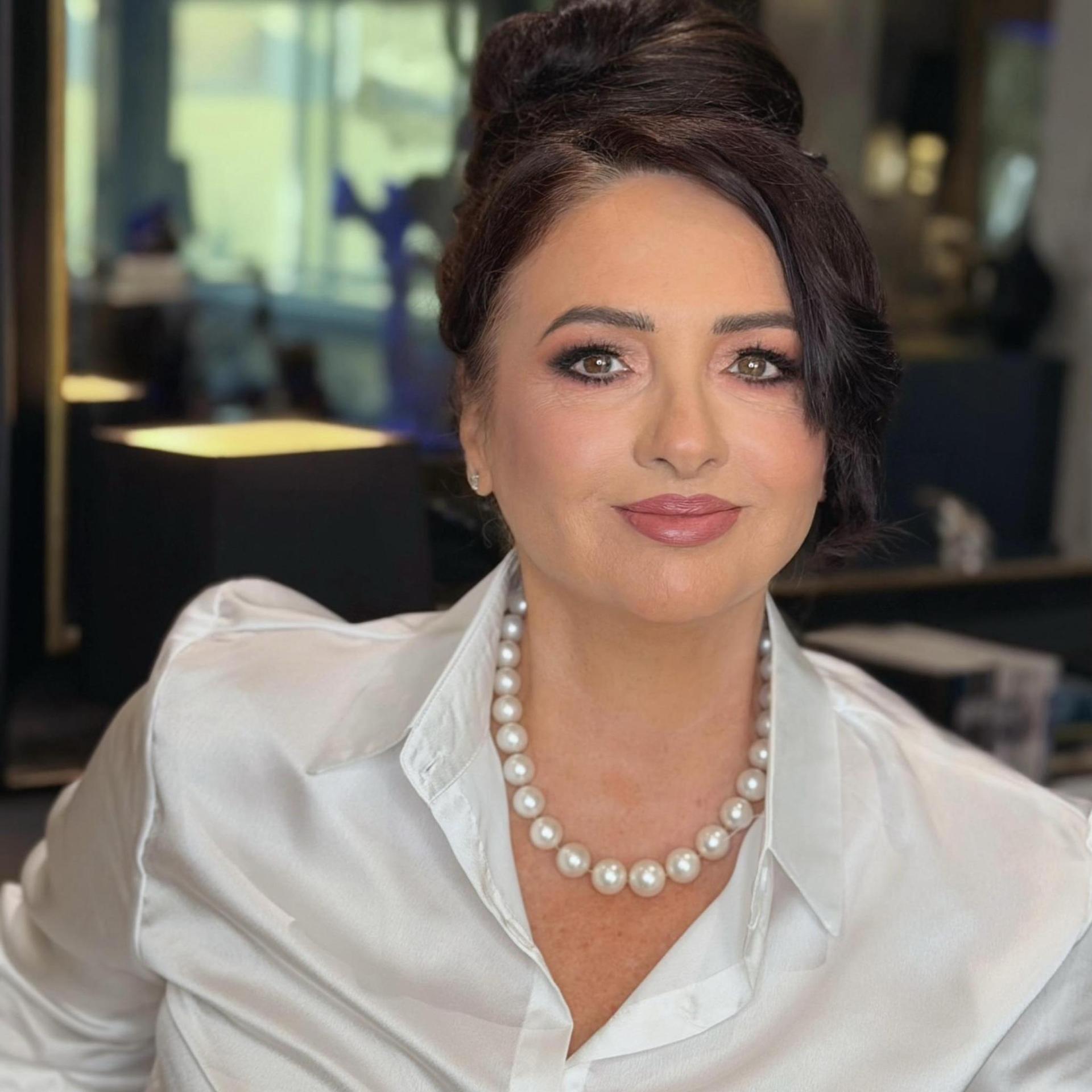 Helena Dalli is a sociologist and former EU Commissioner.