Pension reform must be about dignity, not survival
Pensioners deserve security, dignity and peace of mind, and a future PN Government is ready to deliver the reforms needed to ensure a better quality of life in retirement, says Graham Bencini
A pension system should not merely prevent poverty. It should provide dignity, independence and peace of mind after decades of contribution to society. That principle lies at the heart of the Nationalist Party’s latest pension proposals in its electoral programme.
Malta is ageing rapidly. People are living longer, healthcare is improving and the number of pensioners continues to grow every year. While this is a positive reflection of higher life expectancy, it also creates major social and economic challenges. Pensioners today are facing a cost-of-living reality that is very different from the one reflected in existing mechanisms. Energy bills, medicines, private care, rent and food costs have increased significantly, while many elderly people are still struggling to make ends meet despite annual pension increases.
The social policy proposals contained in the PN electoral programme attempt to address this reality through a combination of immediate financial relief, long-term pension reform and measures aimed at helping elderly people remain active and independent within their communities.
One of the central proposals is a guaranteed increase of at least €650 annually in pensions. Unlike one-off electoral cheques or temporary bonuses, this increase would be permanent and incorporated into pension income itself.
The distinction is important. Pensioners need predictable and stable income, not occasional payments, which disappear after a few months. A permanent increase strengthens long-term financial security and helps pensioners better plan their lives.
However, perhaps the most innovative proposal is the introduction of a Pensioner Cost of Living Protection Mechanism specifically adapted to elderly people. At present, COLA increases are based on general inflation affecting the overall population. Yet, pensioners spend their money differently from younger households. Elderly people allocate a far greater share of their income to medicines, healthcare services, utilities and food. These sectors often experience inflation rates above the national average.
Unlike the traditional COLA mechanism, the proposed Pensioner Cost of Living Protection Mechanism would specifically recognise that pensioners experience inflation differently from the rest of society. While general inflation may stabilise, elderly people often continue facing rising expenses in areas that are essential to daily living and impossible to avoid.
The proposal acknowledges that pensioners spend a disproportionately large share of their income on medicines, healthcare, electricity and water bills, food, care services and housing-related expenses. In practice, this means that many pensioners experience a much higher real inflation rate than the national average.
A future PN government would therefore establish a dedicated Elderly Cost of Living Index based on the actual expenditure patterns of pensioners. The mechanism would operate separately from the normal COLA system and would allow for supplementary pension increases whenever elderly-focused inflation materially exceeds general inflation.
This would not replace COLA but complement it. The objective is to ensure that pension values do not erode in real terms and that elderly households retain their purchasing power during periods of elevated living costs.
The principle behind the reform is simple. No pensioner who contributed throughout their working life should ever be forced to choose between buying medicine, heating their home or purchasing basic food necessities.
A future PN government would establish an Elderly Cost of Living Index- Graham Bencini
Another major proposal is the removal of income tax on annual income up to €37,104 for pensioners. This measure would apply not only to state pensions but also to income from employment, investments, rent or other sources. The objective is clear: encourage active ageing while rewarding pensioners who continue contributing economically and socially.
This links directly with another important reform, allowing pensioners to continue working while receiving their pension in full. Today, certain workers who retire early effectively face a penalty if they continue working. In practice, this discourages labour market participation and reduces flexibility for older persons who may still wish to remain active.
The proposal reflects a changing understanding of retirement. Many people reaching pension age today are healthy, experienced and willing to continue contributing, whether on a full-time or part-time basis. Retirement should become a choice rather than a rigid cut-off point. Allowing pensioners to work without losing pension entitlement also helps address labour shortages while enabling older people to supplement their income and maintain social engagement.
The PN electoral programme on social policy also seeks to address longstanding pension issues affecting persons born before 1962 through a permanent and fair solution, including compensation where necessary.
Additional reforms target other structural anomalies within the pension system. These include changes relating to the Double Pension Act, proportional pensions for persons with interrupted careers or fewer than 10 years of contributions and recognition for carers and women who left employment to raise families.
These measures are particularly significant because many women of older generations sacrificed careers and pension accumulation in order to care for children or elderly relatives. As a result, many ended up financially vulnerable in later life. Recognising unpaid care work within pension systems is not merely a welfare measure. It is an issue of social justice.
The proposals also place considerable emphasis on enabling elderly people to remain within their communities for as long as possible. Many pensioners do not want institutionalisation. They want independence, familiarity and dignity. The programme therefore proposes stronger community care services, expanded home support and medicine delivery services for elderly persons with limited mobility.
Financial support for live-in carers would also increase, acknowledging the enormous costs families face when attempting to care for elderly relatives at home. Grants for elderly people who continue living independently would also rise substantially, particularly for those over 80.
Housing proposals specifically targeting pensioners are equally important. Elderly people downsizing to smaller or more accessible homes would benefit from stamp duty exemptions on the first €350,000 of the property value. Rent support schemes for pensioners over 65 are also proposed to reduce the growing pressure created by rising rental prices.
Perhaps one of the most humane proposals relates to elderly persons residing in care homes. Today, up to 80% of a pension may be taken by the state to cover residential care costs. The proposal seeks to reduce this to a maximum of 50%, ensuring elderly residents retain at least half of their pension income.
Ultimately, these proposals recognise that pensioners are not statistics but people who helped build our country through decades of work and sacrifice. Pensioners deserve security, dignity and peace of mind and a future PN government is ready to deliver the reforms needed to ensure a better quality of life in retirement.
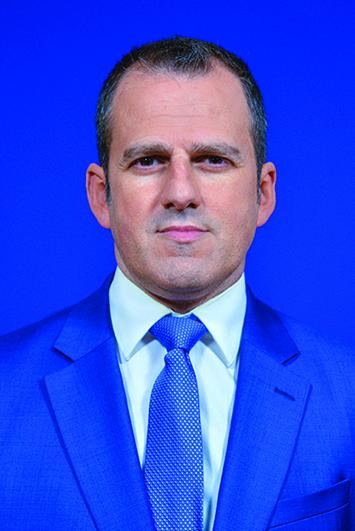
Graham Bencini is the Nationalist Party’s spokesperson for EU funds and social security and an electoral candidate on the 9th and 10th districts.