A people-centred Malta
Malta’s future cannot be measured only by the height of its buildings or by economic profits, says Ivan Bartolo
Malta stands at a crucial moment in its history. For many years, the country’s progress has been measured almost exclusively through economic growth, construction, investment and Gross Domestic Product figures. Yet, more and more people are asking a simple but fundamental question: What is the value of growth if people’s quality of life continues to decline?
A strong society is not built solely on the economy. It is built on families, communities, quality time, dignity, security and solidarity. A truly modern country should be one where economic progress serves people, not the other way around. This is why Malta needs a new vision: a society where people can truly live well.
One of the greatest challenges facing the country today is the increasing pressure on the population and on national infrastructure. Roads, healthcare services, schools, water supply and energy systems are all under growing strain. Malta therefore needs long-term and sustainable planning. Population growth cannot continue without direction or vision. The country needs a national framework that takes into account Malta’s real capacity and places quality of life at the centre of decision-making.
This does not mean closing Malta off or ignoring the contribution of foreign workers. It simply means adopting a more serious, responsible and sustainable approach. Labour policy should be based on the country’s genuine needs, while greater investment is made in training Maltese and Gozitan workers. A strong nation is one that believes in the potential of its own people.
At the same time, Malta must address one of the biggest social crises of our time: the housing crisis. For many young people, the dream of owning a first home is becoming increasingly difficult to achieve. Property prices have risen sharply, rent is consuming a large share of household income and many people feel insecure about their future. A home should not simply be treated as an investment or commodity. It should be recognised as a fundamental right that provides stability and dignity.
This is why Malta needs new models of affordable and social housing, together with fairer and more stable rental arrangements. The country should make better use of vacant properties and provide concrete support to those who wish to begin their lives independently or remain living within their communities. A fair society does not allow younger generations to lose hope of building a future in their own country.
The family must remain at the heart of Maltese society. Yet, today, many parents feel that modern life is robbing them of precious time with their children. Long working hours, traffic congestion, financial pressures and poor work-life balance are creating a reality in which many families live under constant stress. Malta, therefore, needs policies that give families more time together.
More flexible working arrangements, remote working where possible, flexitime and even pilot projects for a four-day working week could help make working life more compatible with family life. At the same time, parents should receive stronger financial support and fairer leave arrangements so they can spend the crucial early years with their children without financial anxiety.
The family must remain at the heart of Maltese society- Ivan Bartolo
Investing in children is a direct investment in the country’s future. Every child deserves a fair opportunity regardless of background. This is why more support is needed for vulnerable families, neurodivergent children, fostering and adoption. Social services must become more efficient, more humane and less bureaucratic.
Families should never feel abandoned when facing difficult circumstances.
Similarly, a society that truly values dignity is one that protects women and takes domestic violence seriously. Victims should not have to wait months or years to find justice. The law must protect the victim, not the aggressor. Malta needs stronger protection systems, specialised courts and a culture of zero tolerance towards all forms of abuse and harassment.
Technological and digital changes are also bringing new challenges. Children and young people are growing up in a world dominated by social media, with increasing risks linked to cyberbullying, digital addiction and harmful content. Malta therefore needs a modern framework for digital protection that places children’s well-being ahead of platform profits.
A truly civilised society is also measured by how it treats its elderly population. Many older people today feel isolated or disconnected from modern society. Others struggle to cope with the rising cost of living or with increasingly digital systems. Malta must look at the elderly not as a burden but as a source of wisdom, experience and social value.
This requires stronger community services, more support for independent living, programmes that tackle loneliness and initiatives that help older people remain in their communities with dignity.
Ultimately, the central question is simple: What kind of country do we want Malta to become? A country that continues chasing economic figures alone or a country that places people at the centre of national life?
Malta’s future cannot be measured only by the height of its buildings or by economic profits. It must also be measured by quality of life, the well-being of families, the strength of communities and the sense of security and hope people feel.
A society where people truly live well is one where progress leaves no one behind. It is a Malta that is fairer, more sustainable and more compassionate. A Malta where every person enjoys not only economic opportunity but also the time, security and dignity needed to truly live.
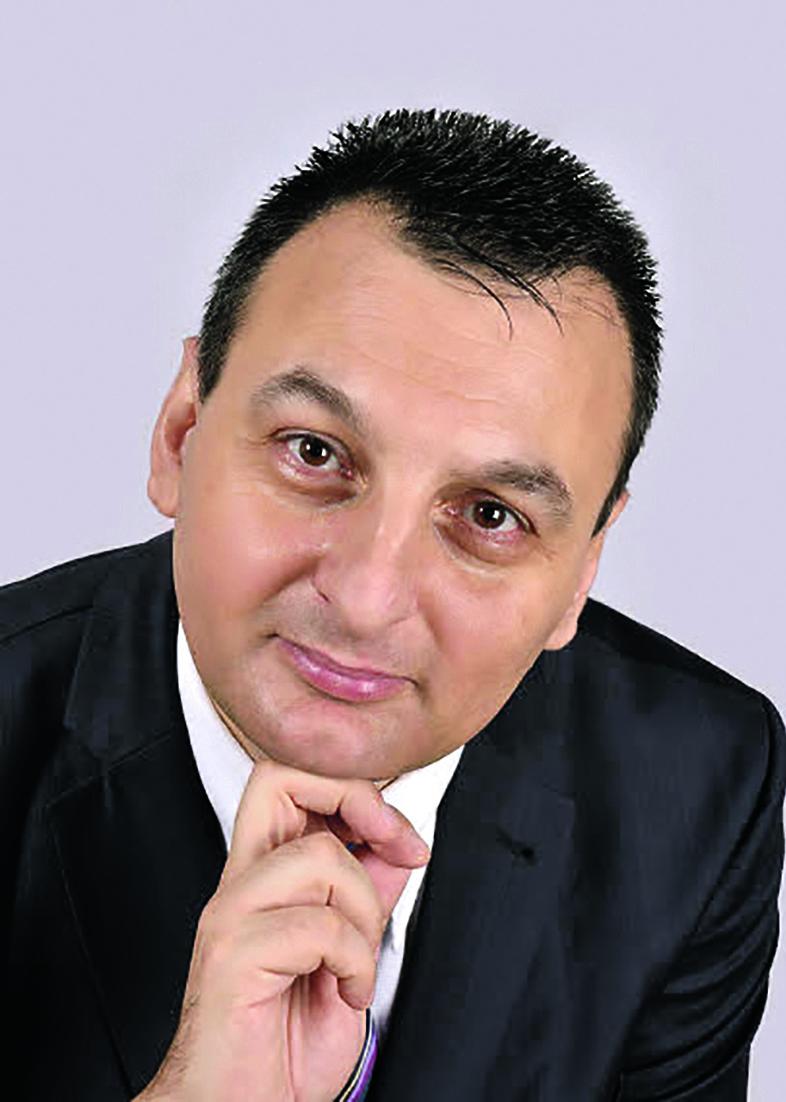
Ivan Bartolo is the Nationalist Party’s spokesperson on social housing, the fight against poverty and solitude. He is an election candidate on the 11th district.