In pictures: Early industrial heritage in Malta
Masterpieces of human ingenuity and scientific creativity were scrapped on becoming obsolete and ended in the melting pot
By classic aesthetic standards, machinery would tick very few boxes – symmetry, harmonious contrast and balance proportions, which regulated traditional art canons, played little or no part in the conception, design and execution of engines and industrial machinery.
Motor cars were seen as necessary detractors of beauty. When cars were already becoming quite popular, many early photographers (not all) would wait for a streetscape to be car-free, before pressing the shutter. They perceived a metal vehicle to be a blot on the aesthetics of the natural or built environment.
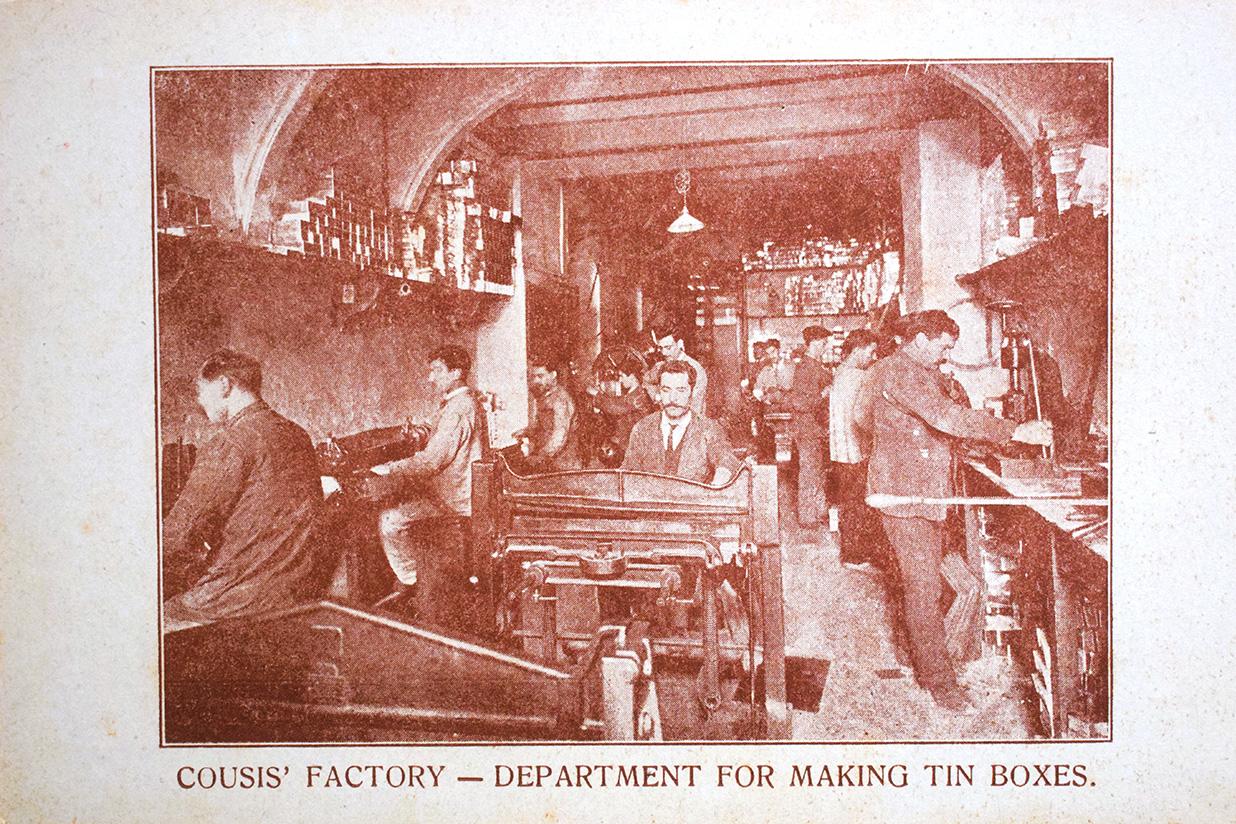 A 1914 card by Cousis of machines for making tin cigarette boxes.
Virtually no publisher dreamt of producing postcards showing antique or contemporary industrial ‘heritage’. I can only think of the Cousis tobacco company, which in 1914 ventured to issue a set of six cards illustrated by photos of the interior of their factory in St Ursula Street, Valletta.
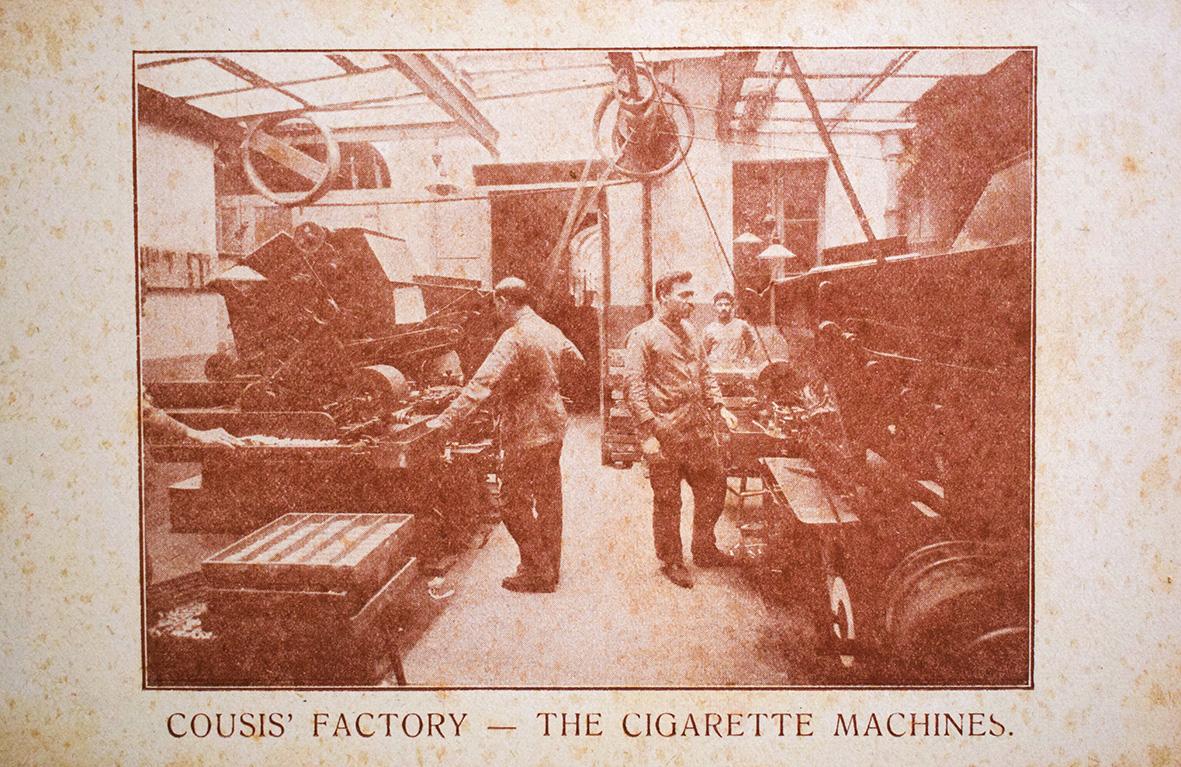
Cigarette manufacturing in the Cousis factory, 1914.
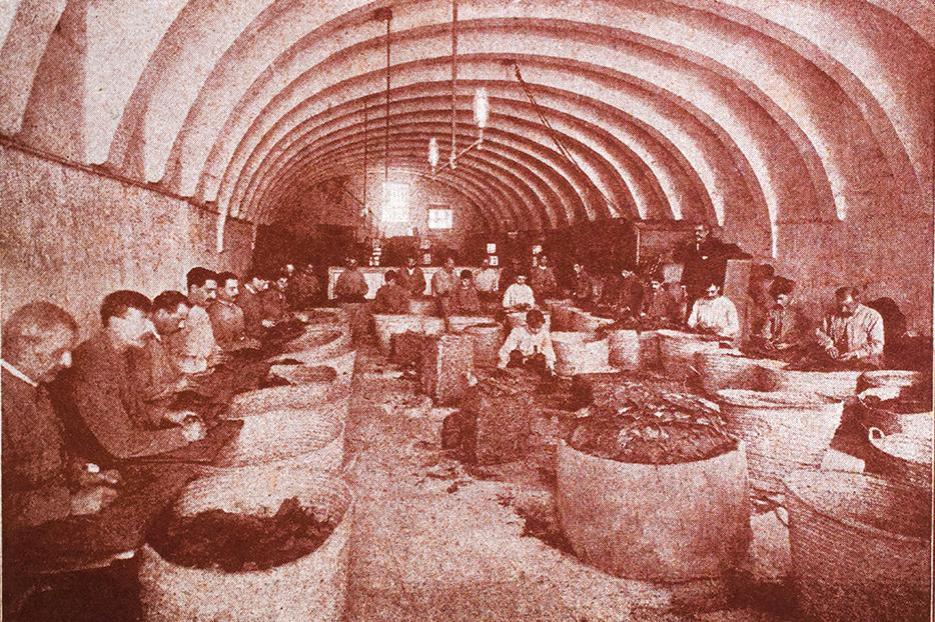
The tobacco blending machinery in the Cousis factory, 1914.
Photographs, although less unfindable, still seem very rare. Take the Dockyard, the throbbing heart of industrial activity and machinery. Many photos of ships being repaired exist, but very few of its workshops or technology.
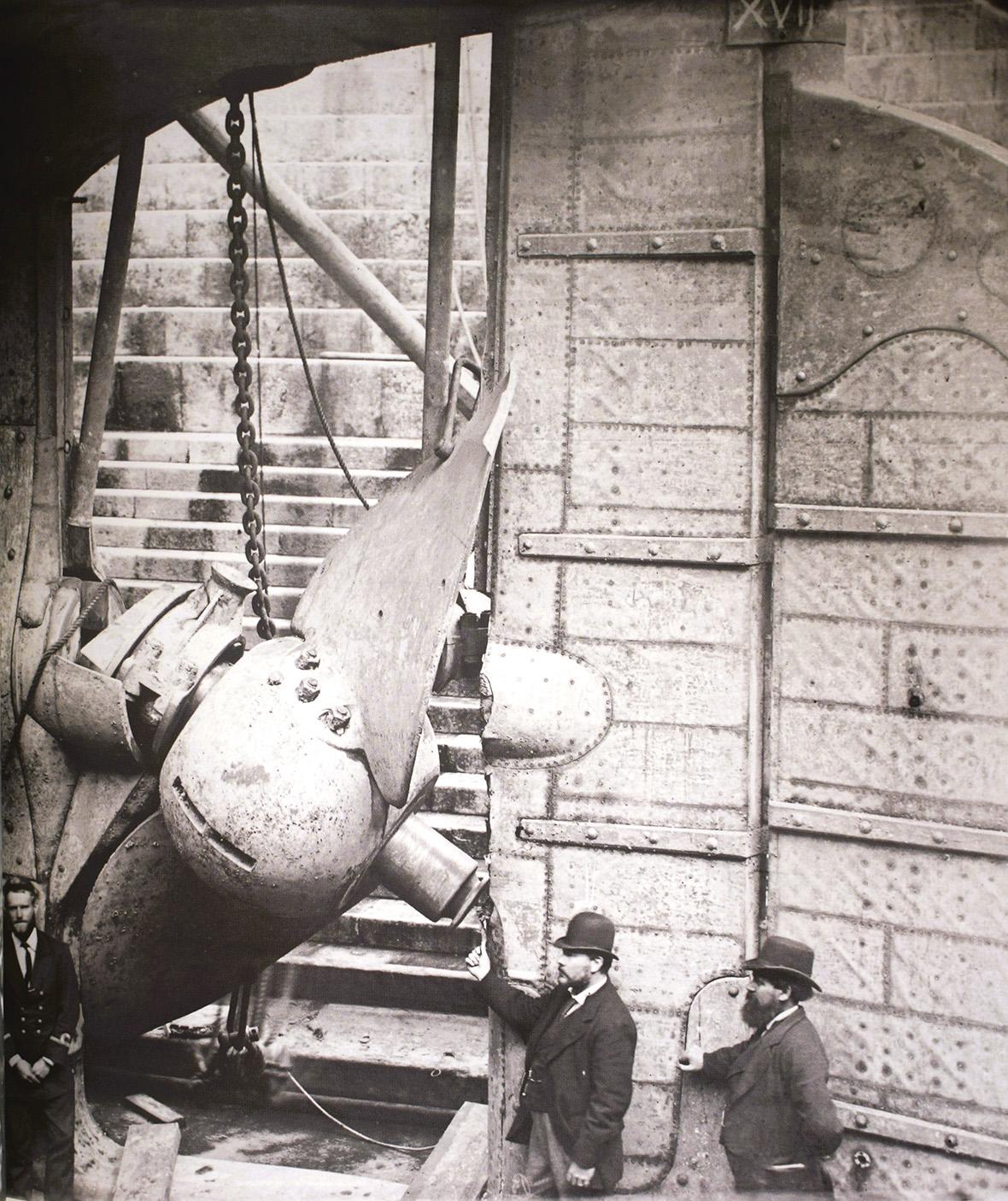 Work on HMS 'Thetis' in the Dockyard, 1880s. Photo: Richard Ellis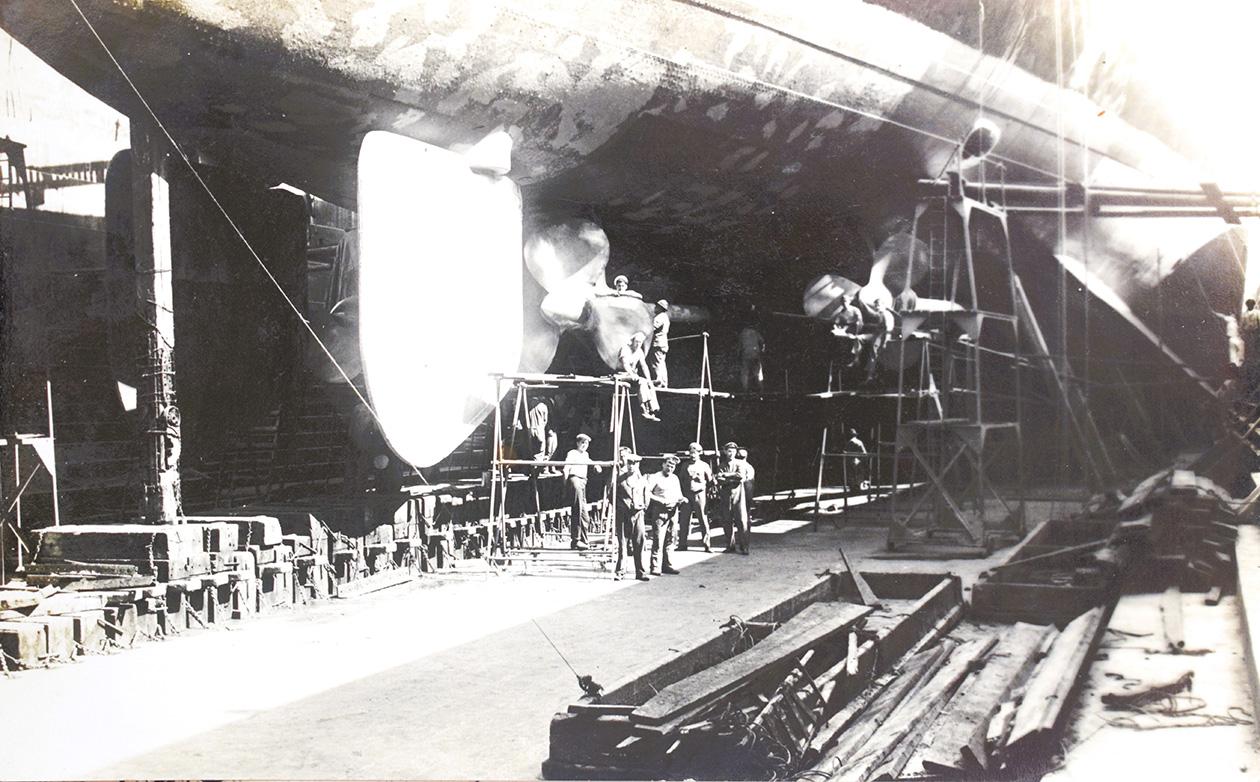
Repairs on HMS 'Benbow' at the Dockyard, 1900s. Photo: Richard Ellis
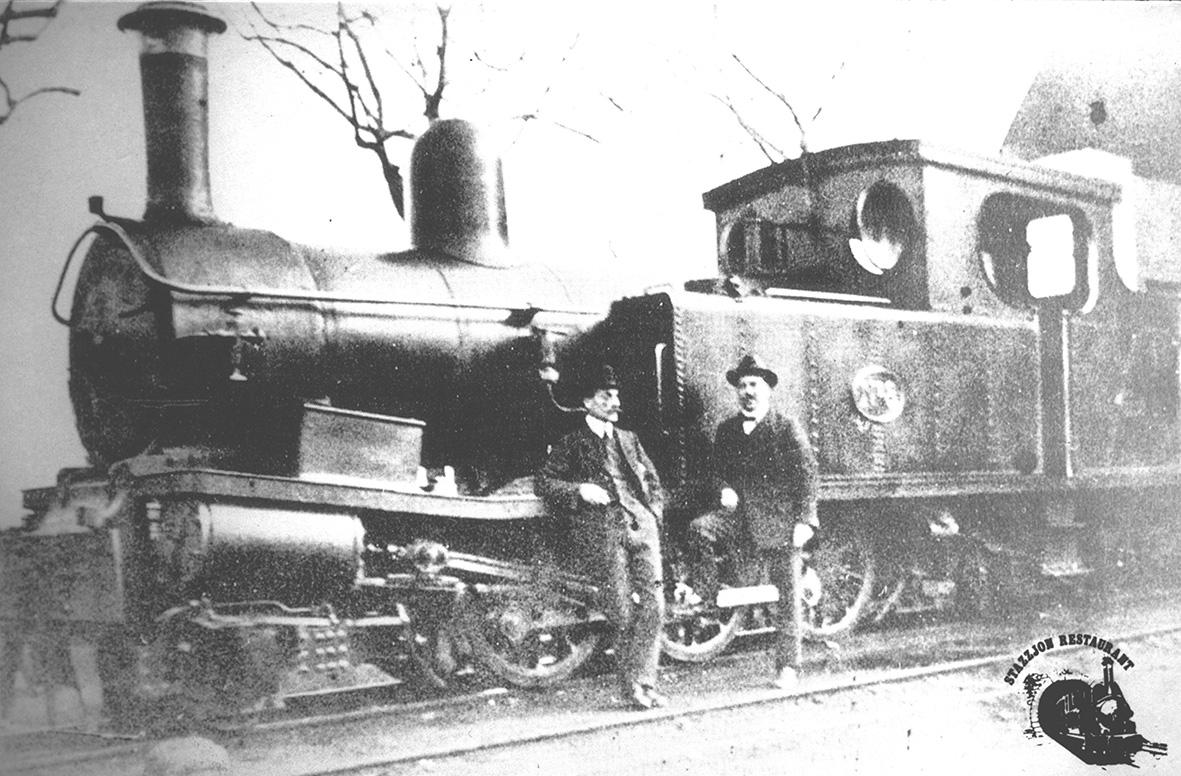
Engine No. 8 of the Malta Railways, postcard by Stazzjon Restaurant, Rabat.
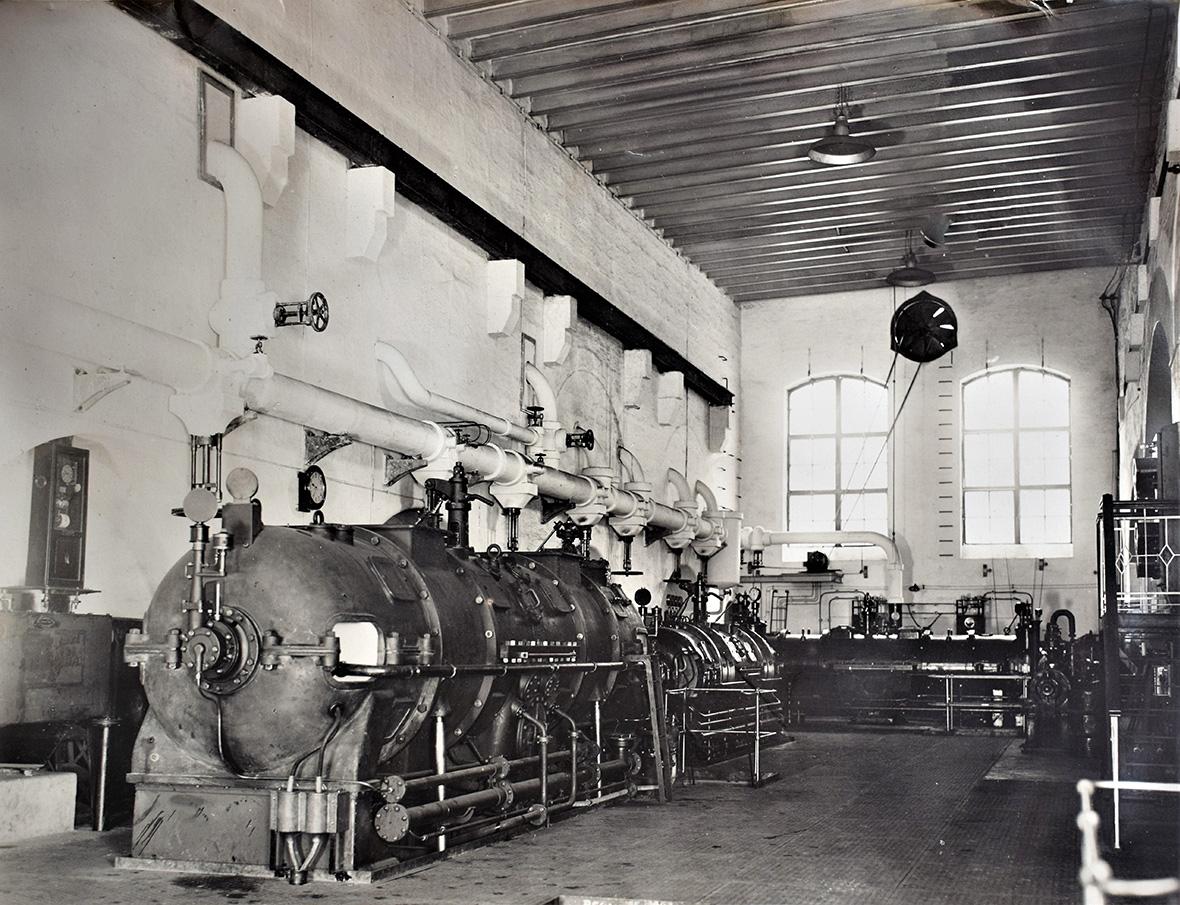
Power station engine room, 1920s. Photo: GRAND STUDIO
Or the mighty electric power stations, the mechanised printing presses, the wine factories, the weaving and clothing laboratories, the first mechanised carpentry workshops. Almost inexistent.
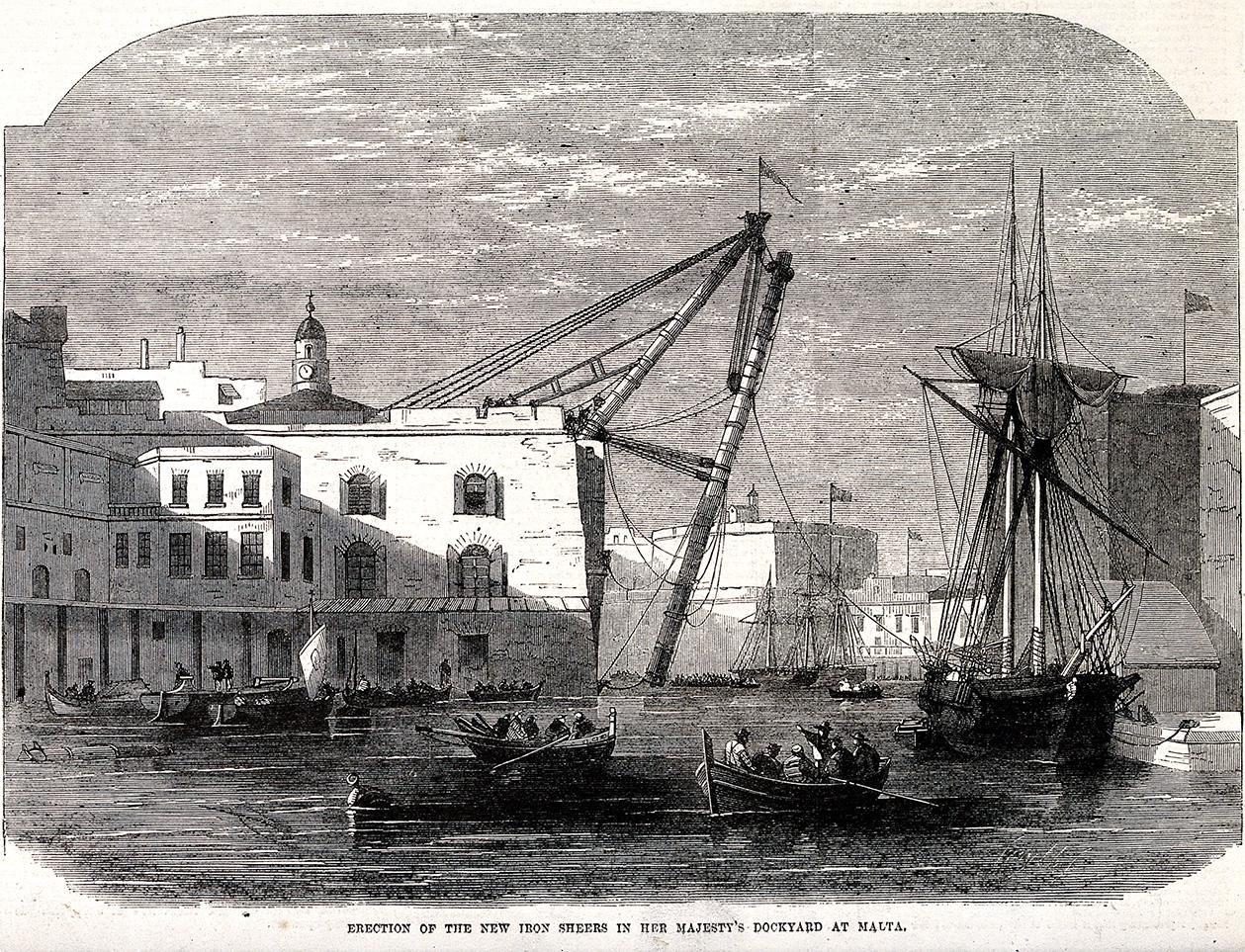 The Maċina, Grand Harbour, 1880s engraving.
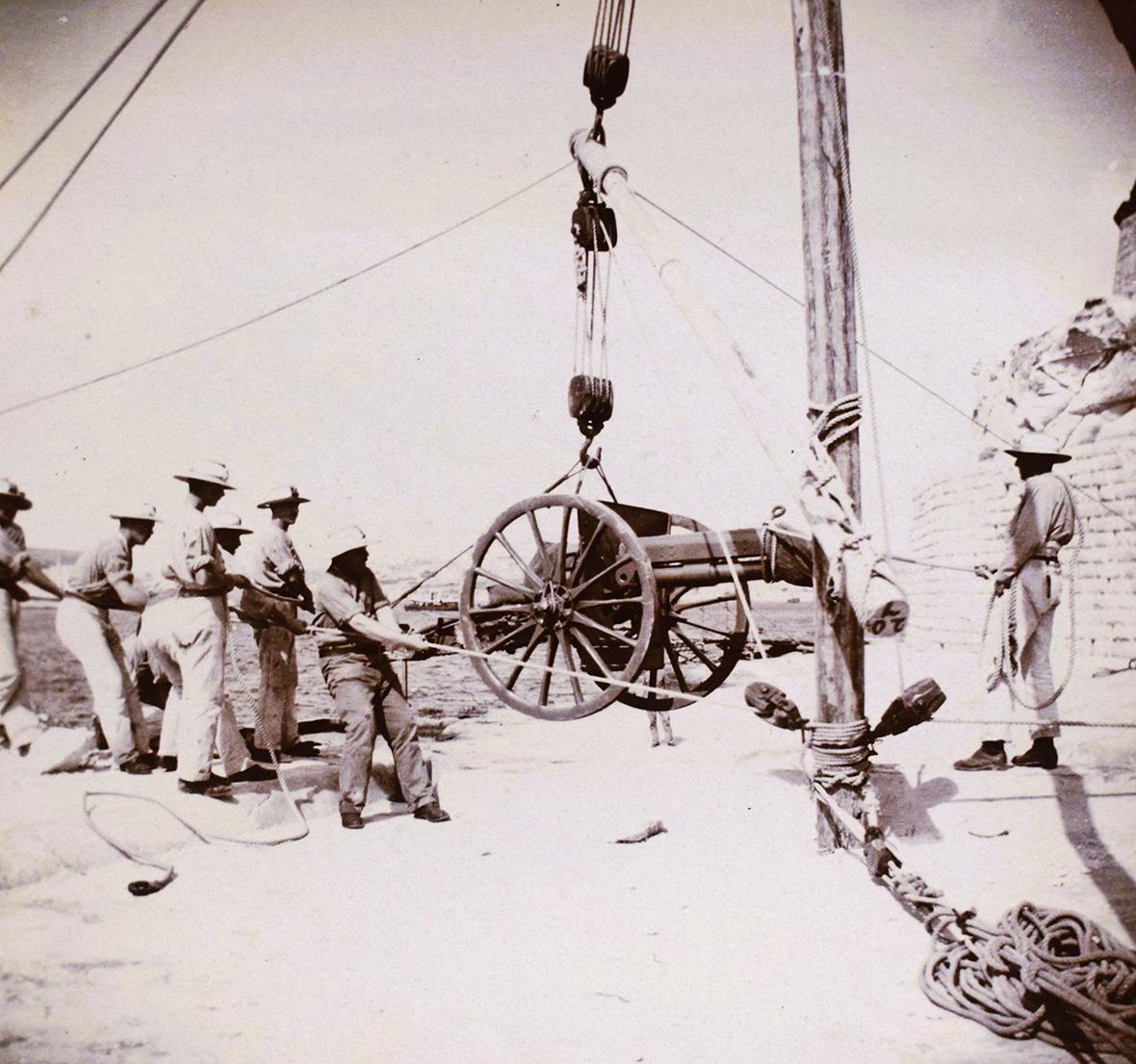 Industrial tackle for lowering guns, 1900s.
What turned obsolete ended tossed away, sold as scrap metal. Masterpieces of human ingenuity, of scientific creativity, finished in the melting pot on passing their use-by date.
When the Lux Press closed for business, I convinced the owners to donate, for free, samples of their impressive linotypes, and one eminently historical pre-war Nebiolo letterpress machine, to form the nucleus of a future industrial heritage museum. I begged the politicians to save those treasures. No one showed interest. With so many others, they ended on the scrap heap.
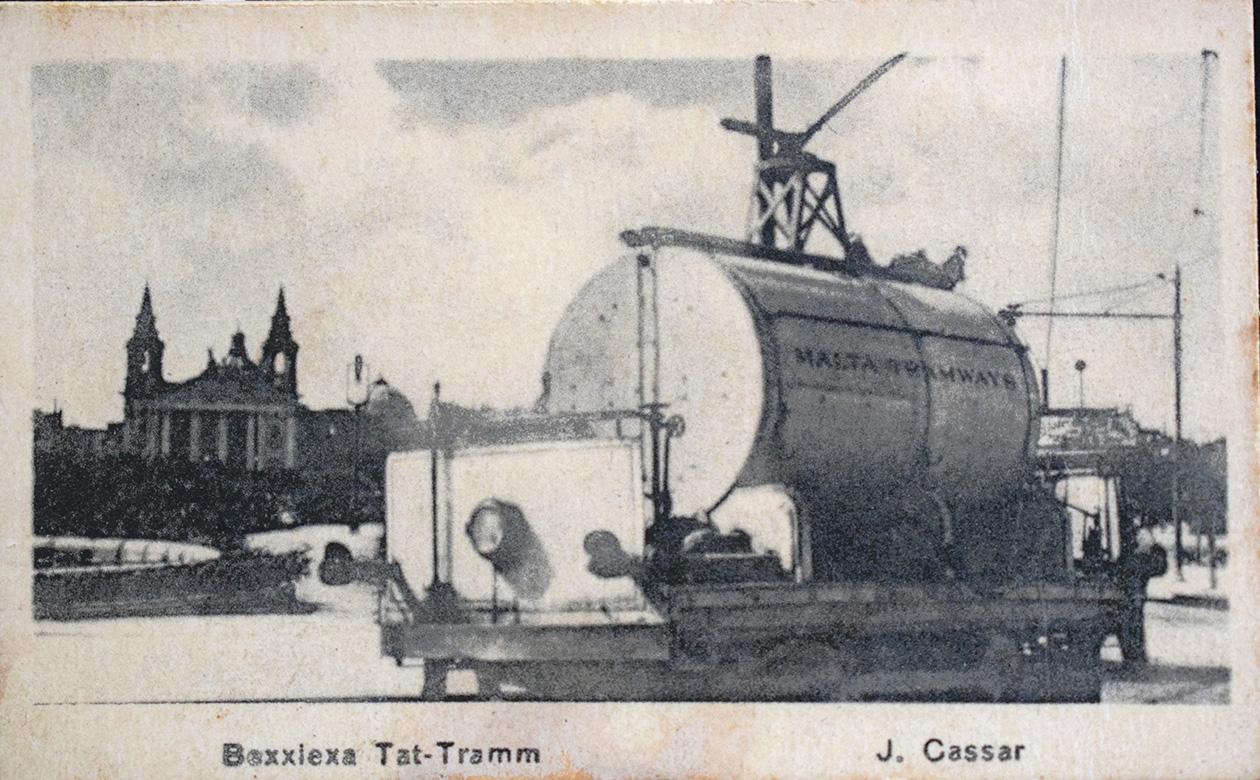
The tramways water sprinkler, published by C. Scerri, 1920s.
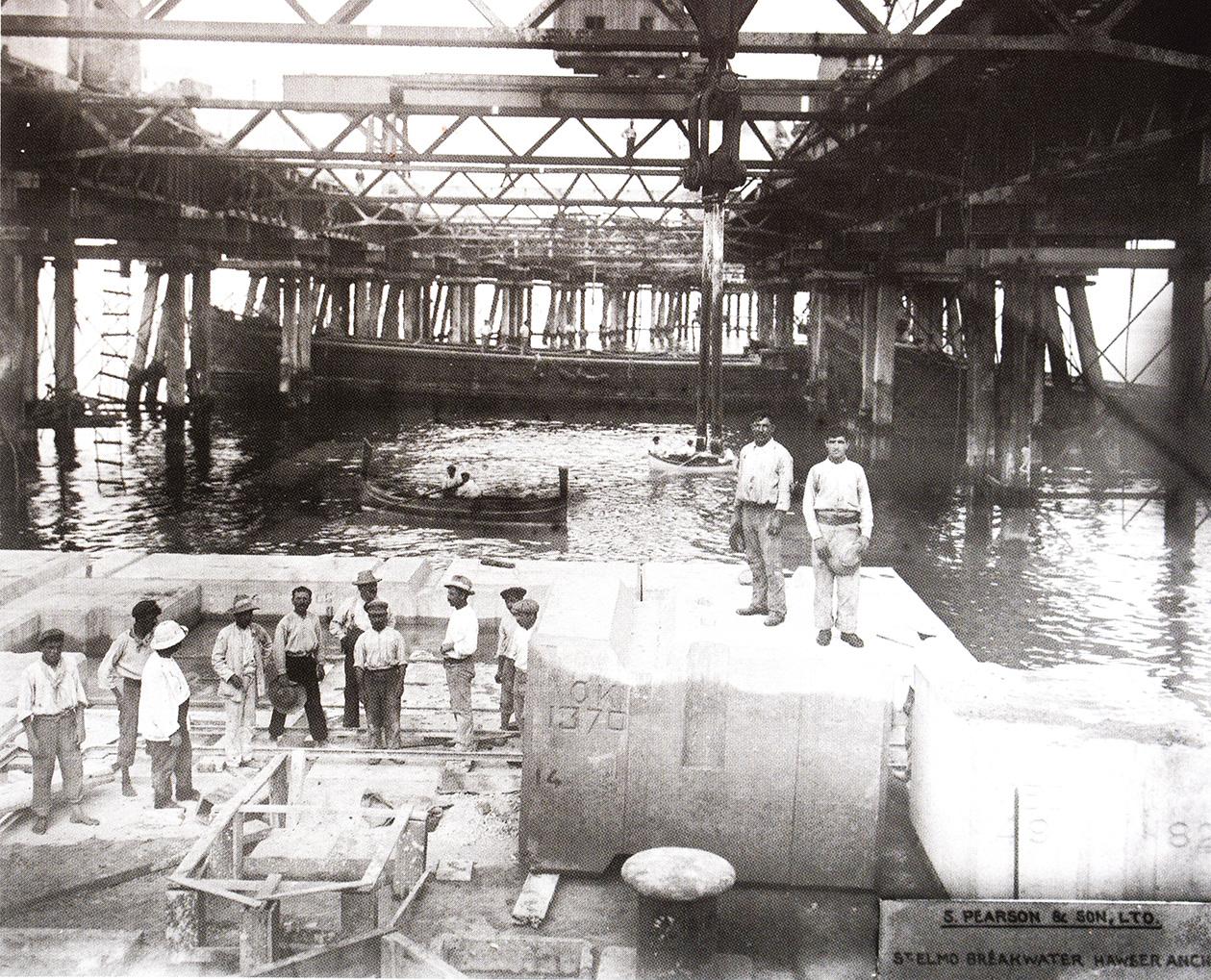
Building one of the arms of the breakwater, 1900s.
Most images from the author's collections