In pictures: More early industrial heritage
The social and educational value of these images should not be underestimated
Though photographs of early heavy machinery and industrial activity prove anything but abundant, I thought it worthwhile to supplement my former feature on manufacturing heritage with more images.
Why camera artists showed so little interest in recording the mechanised industrial revolution remains unclear.
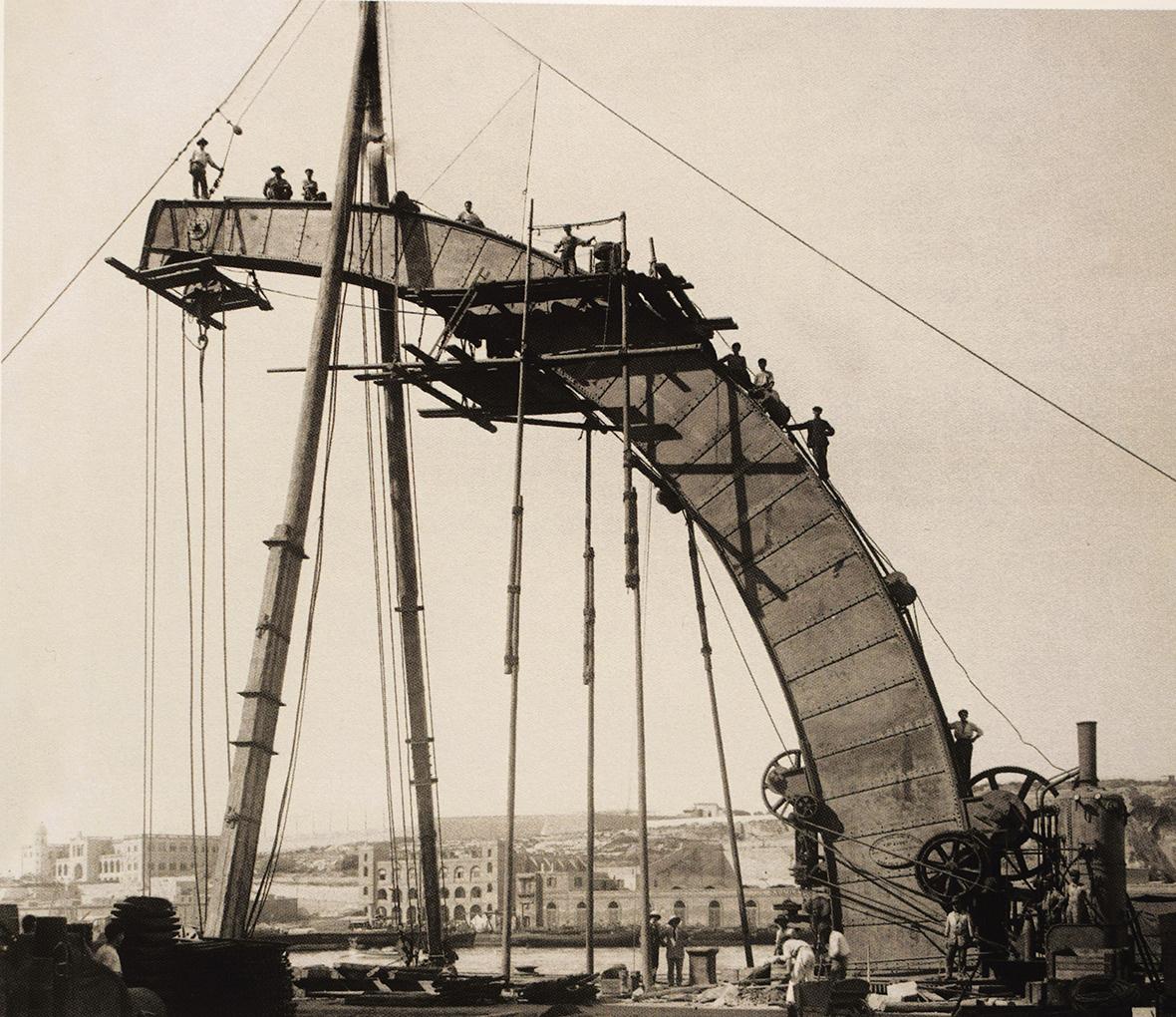 A large customised crane, 1900s photo by Ellis.
I can understand the reluctance of military corps to have photographers prowling in areas subject to security constraints, like military dockyard plants or the workshops of the Royal Mechanical and Electrical Engineers (REME). But civilian power stations, generators, commercial factories, bakeries, breweries, repair or tooling garages?
The social and educational value of these images should not be underestimated.
Their message does not target machines but how humans interact with them. Some photos show underage children as matter-of-fact parts of the workforce, exploitative child labour euphemistically referred to as apprentices.
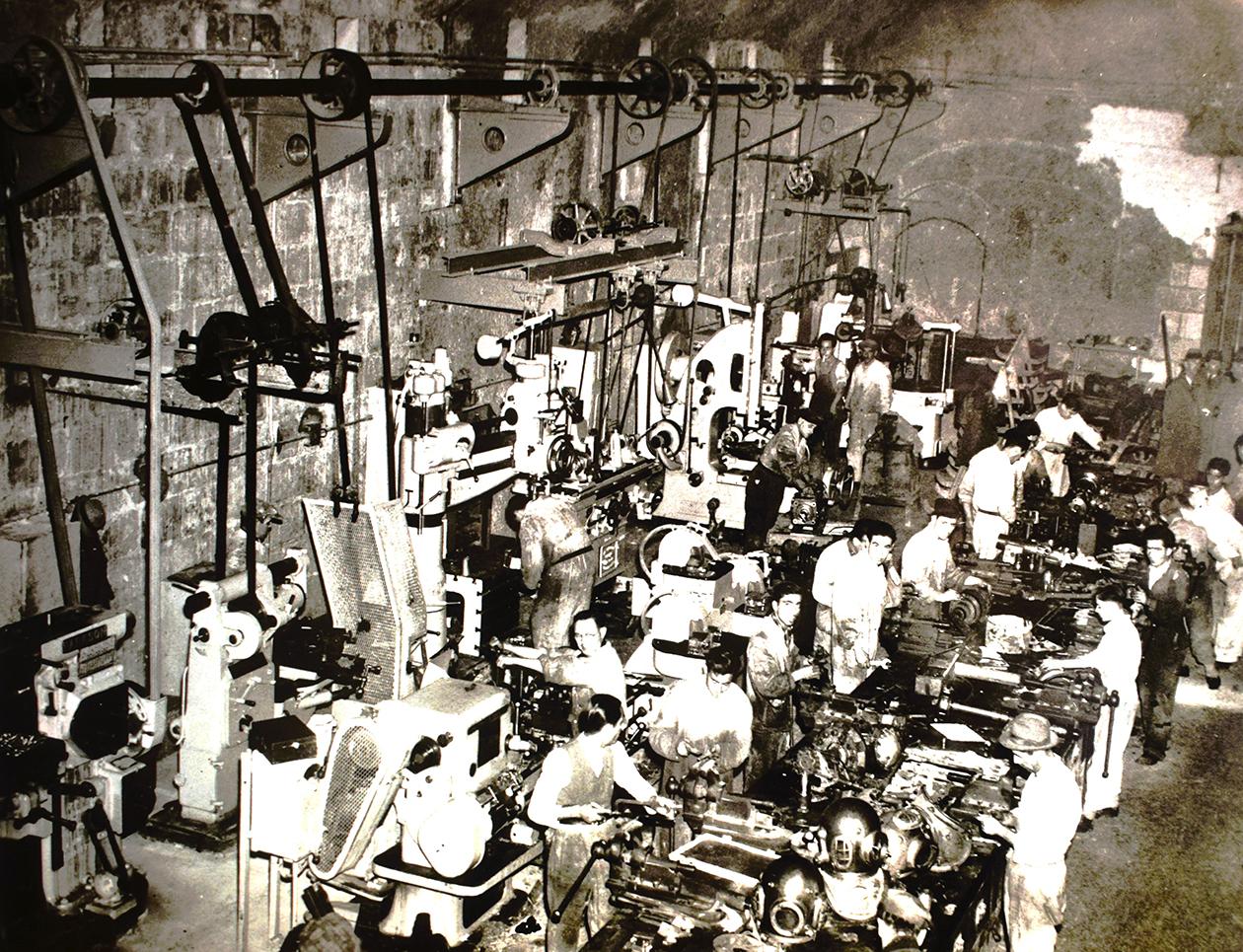 An underground workshop at the naval dockyard in 1943.
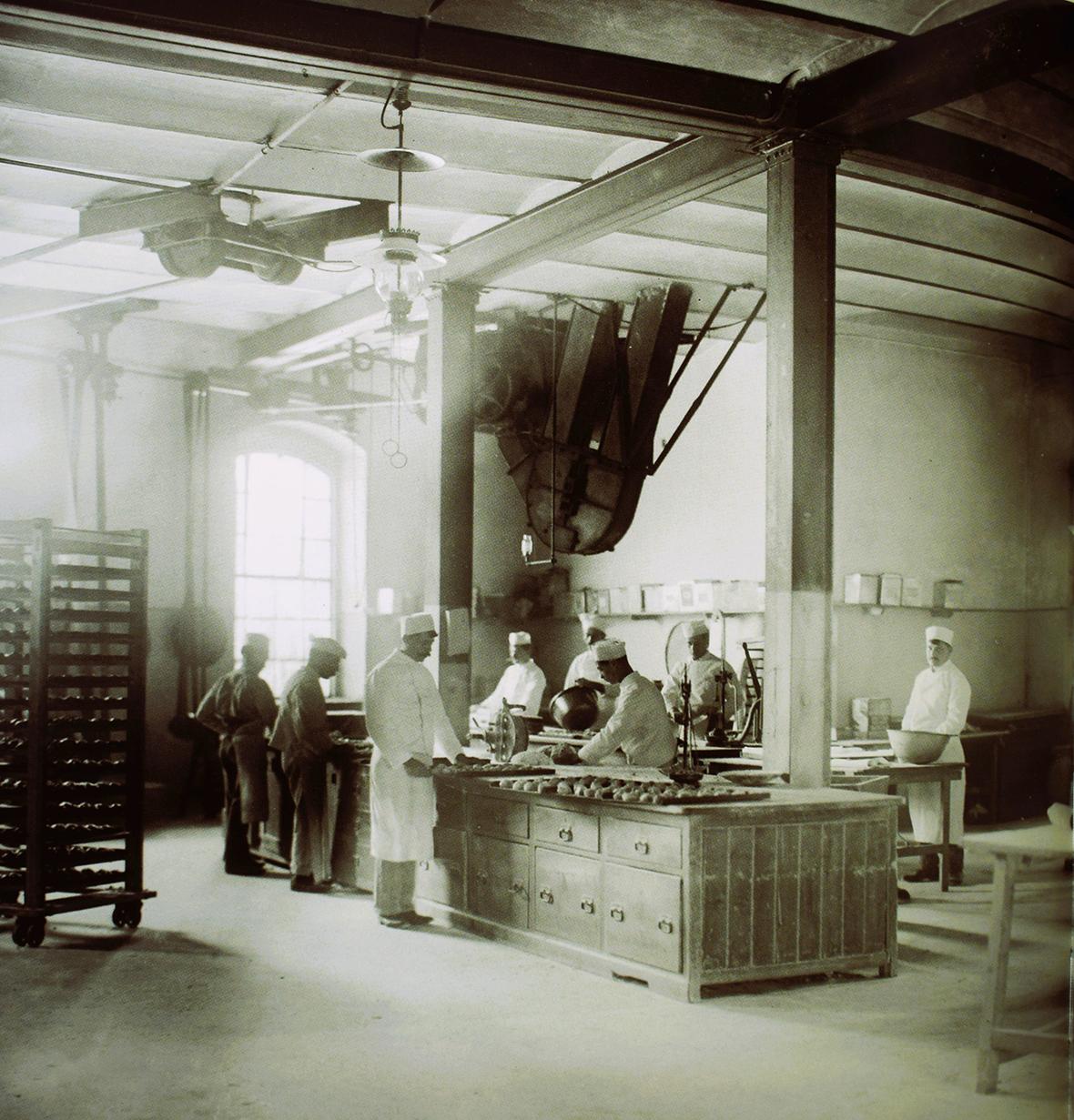 Blackley’s confectionary factory in Pietà, by Richard Ellis 1900s.
They witness few to no safety measures or precautions around heavy and dangerous machinery. Not to mention the punishing hours and penny-pinching wages.
Only women seem employed in commercial laundries, wielding hot irons to press the fresh washing. Labour legislation and safety-at-work regulations hardly featured at all in those pioneer times.
On the other hand, these images also show men performing heavy and polluting manual labour dressed in formal suits, wearing jackets, stiff collars and ties.
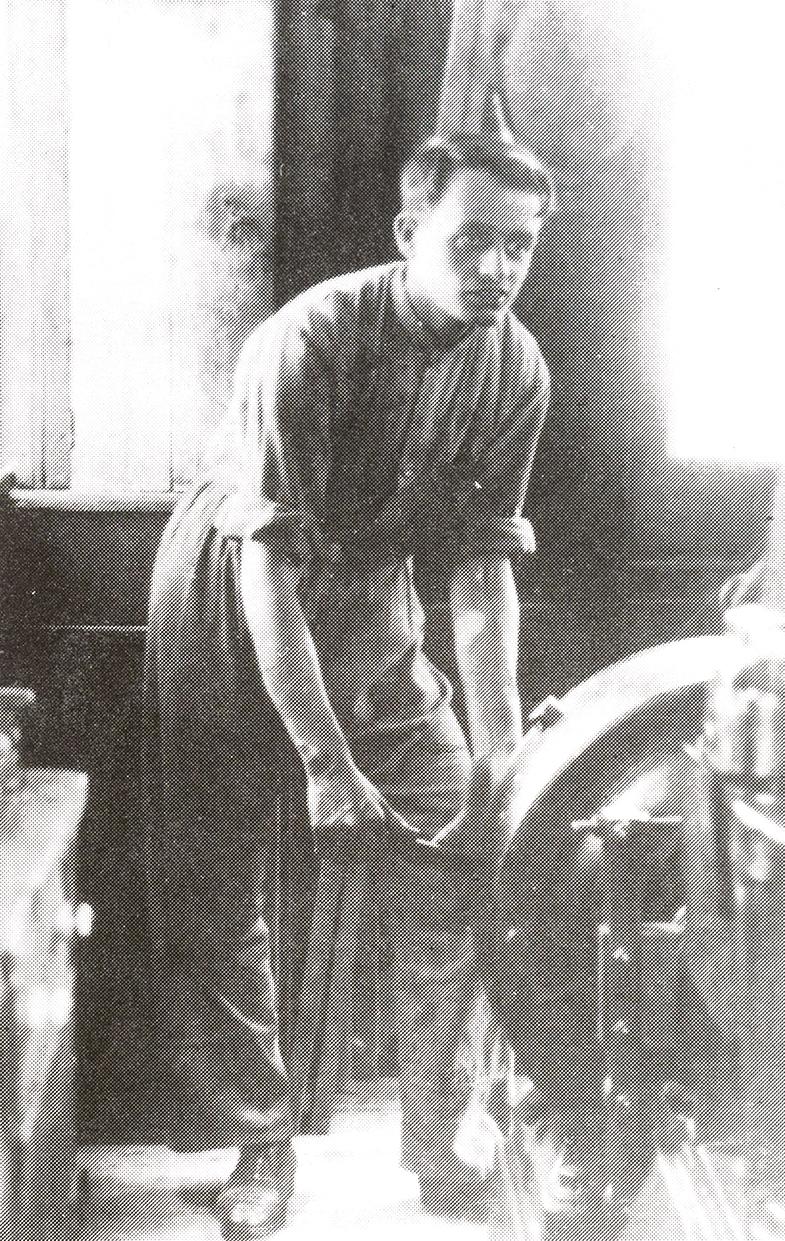 Engine room of the Barrakka lift, inter-war years.
There is no nostalgia to salvage from those primitive work practices. Pity so little was salvaged from the plants, tooling, machinery, equipment and technology.
Richard Ellis (b. 1842) claims the lion’s share of industrial heritage imagery. Apart from his undoubted technical talents, his close connections with the British military, the colonial administration and expatriate communities, he was also the go-to photographer for specialised documentation, non-portraiture, non-tourist or leisure work.
Other professional studios only have the faintest of presences, if any at all.
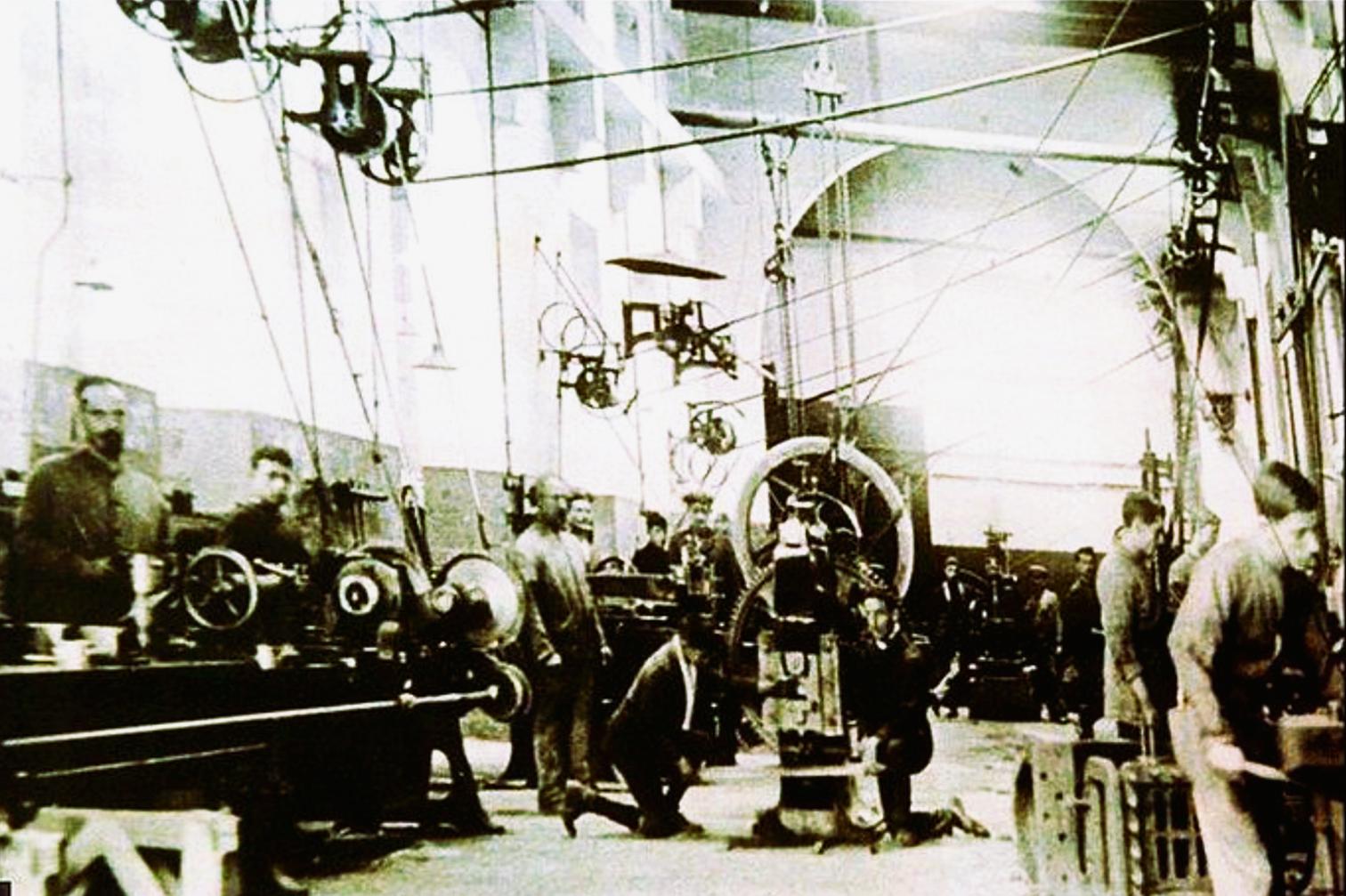
Another workshop of the Maltese railway establishment.
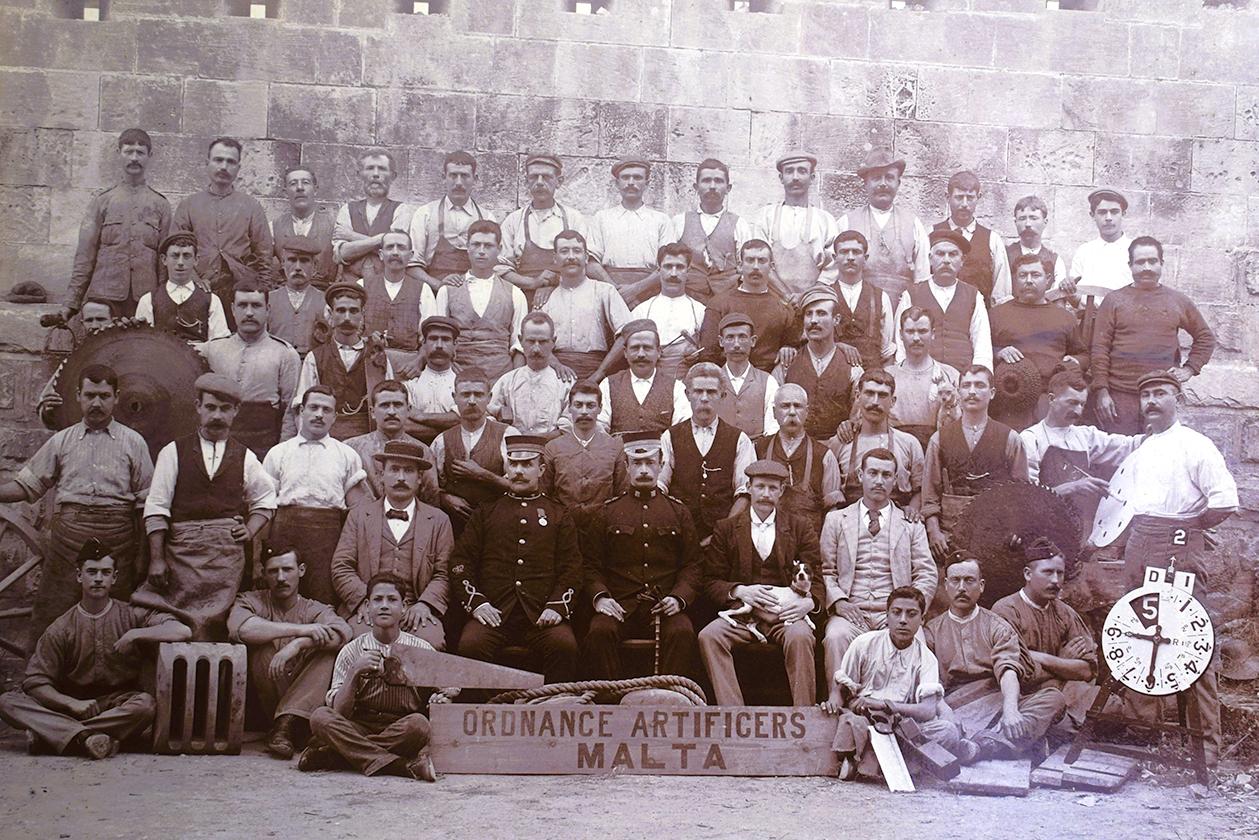
Group photo of the military ordnance artificers, early 1900s.
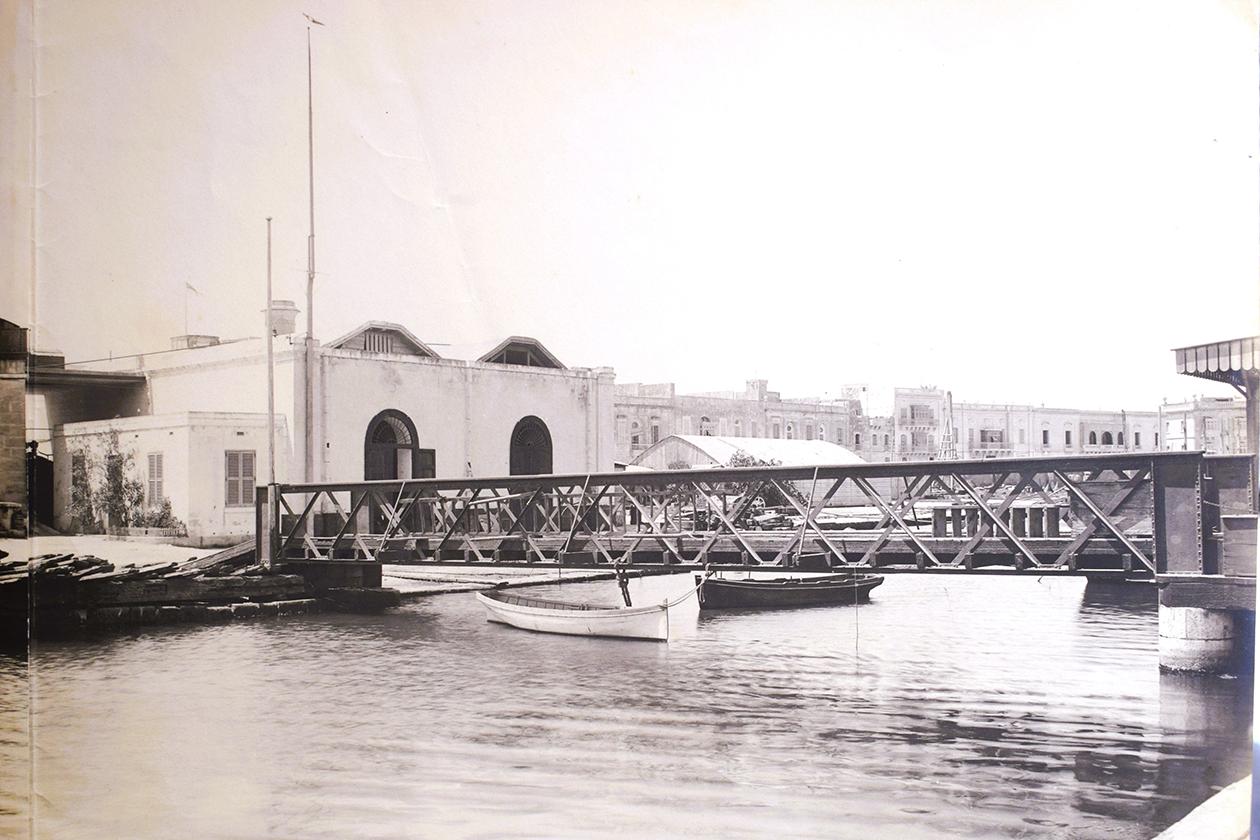
The hydraulic dock at Msida, 1903.
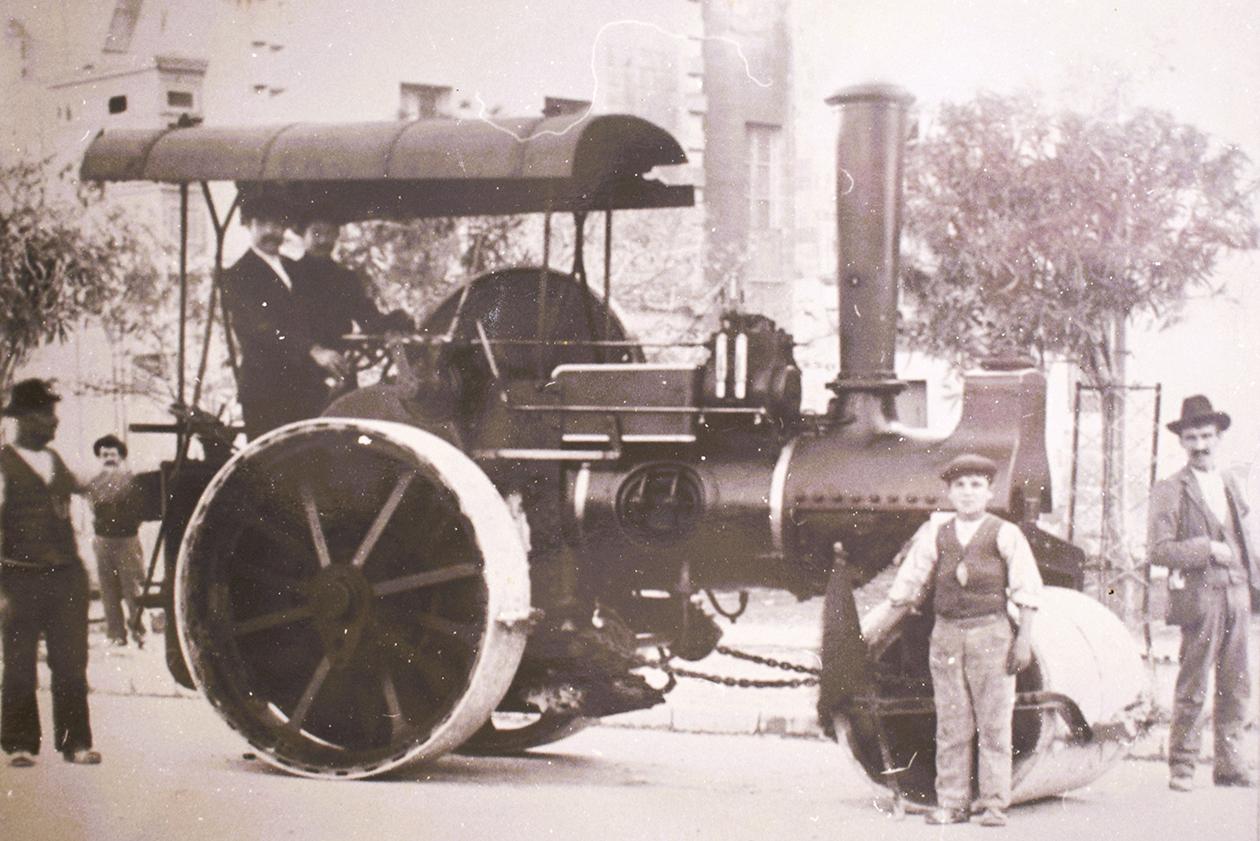
A steam roller for road construction, 1910s.
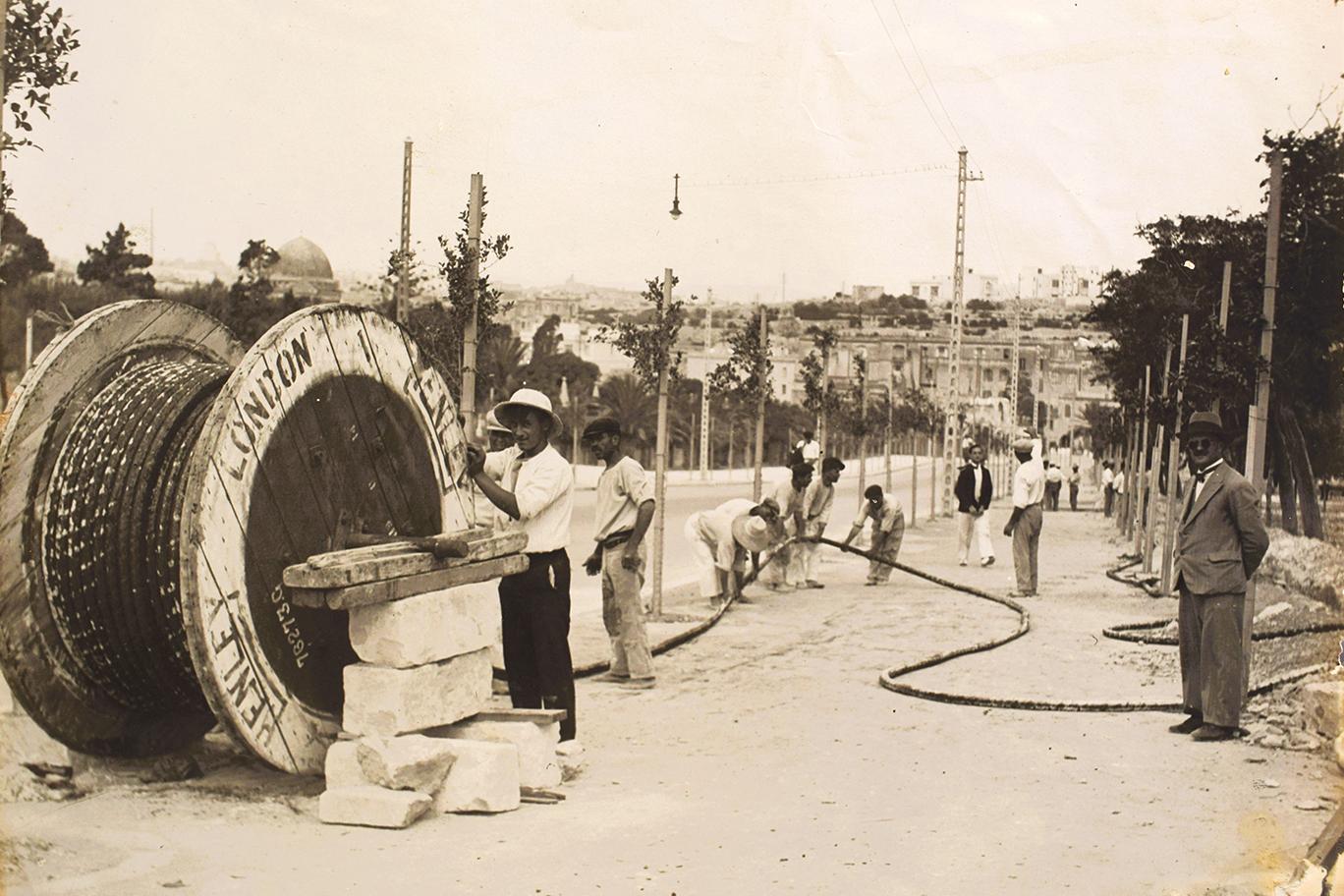
Laying heavy duty electrical cables, c.1930s.
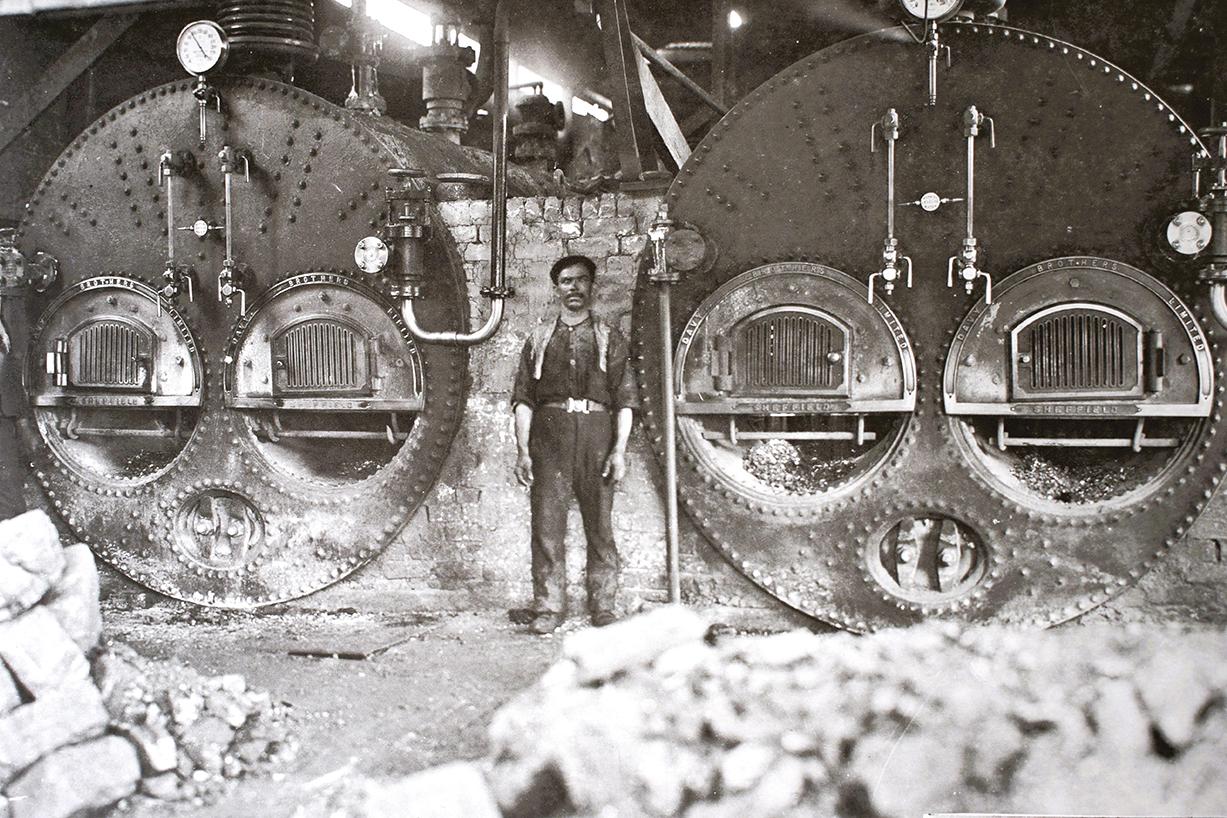
Industrial boilers, 1900s photograph by Richard Ellis.
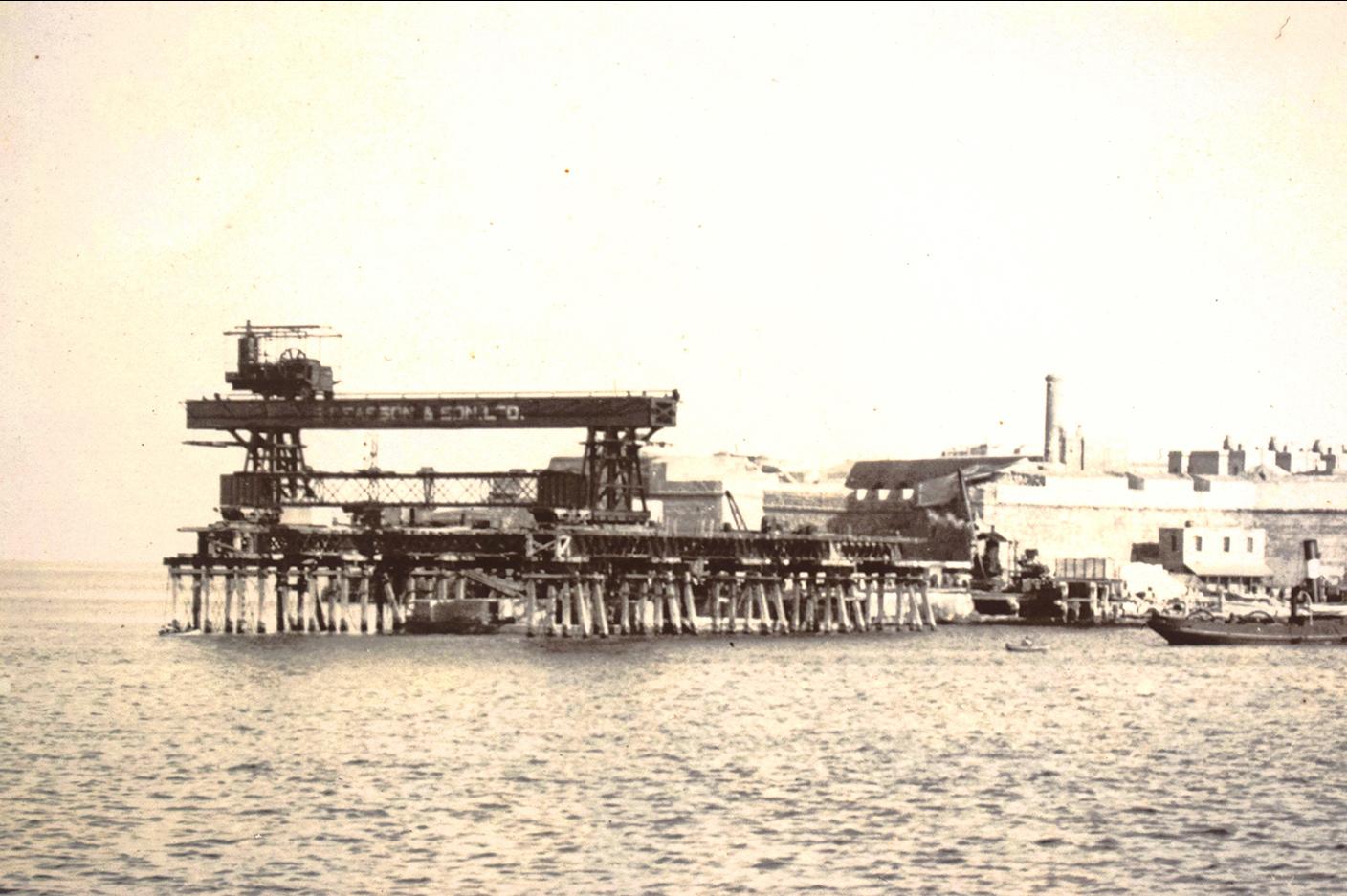
Heavy machinery for constructing an arm of the Grand Harbour breakwater, early 1900s.